
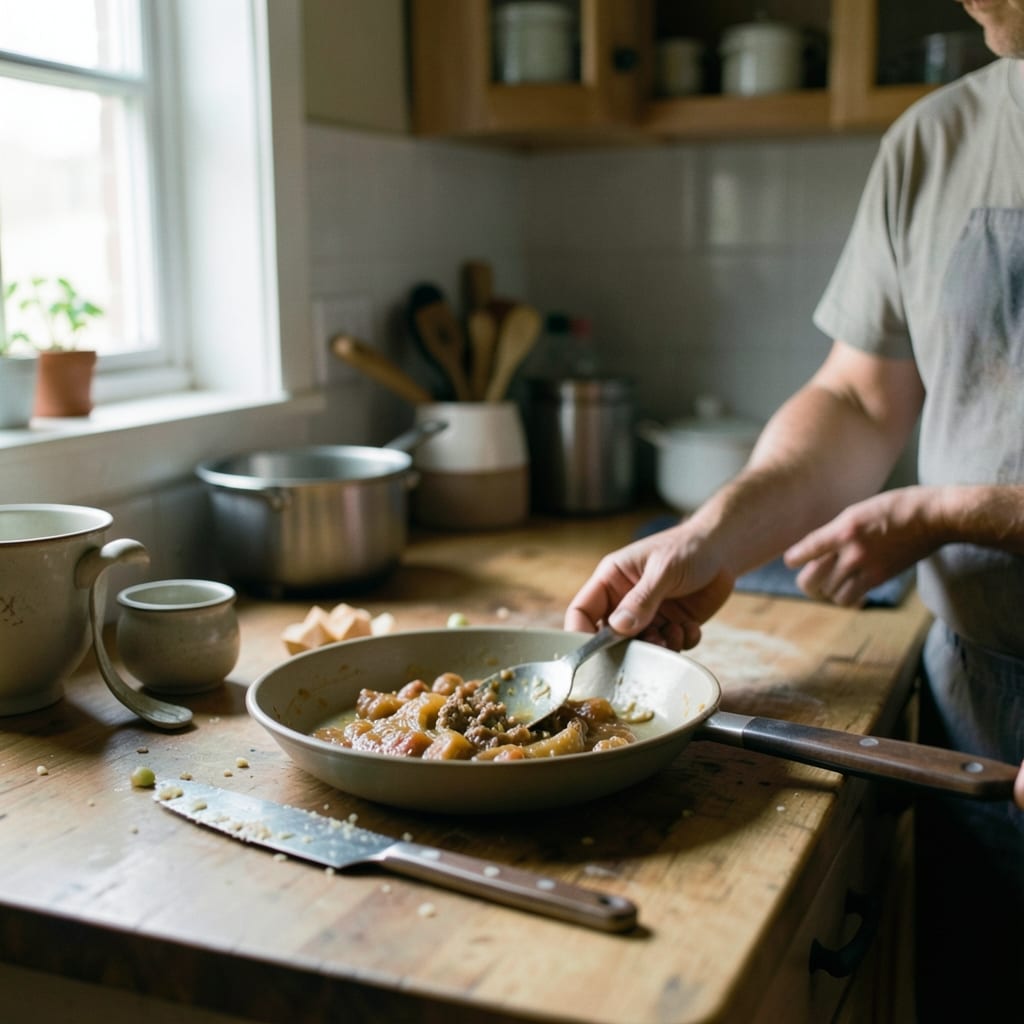
Why this site exists
You’ve got a recipe for golden-brown thighs or a spice blend that sounds perfect on paper, but when you try it, the skin cracks before it crisps, or the flavors clash in a way that makes you question every ingredient.
The photos look nothing like your pan, and the instructions assume you already know what to do when the oven runs hotter than the chart says.
This site exists to fix that. Every recipe here is tested in a real kitchen—with adjustments for the mistakes that happen when you’re not a professional. No vague timings, no untested shortcuts, just dishes that work the first time, or close enough that you’ll want to try again.
Who writes this site

Wallace Vasquez is the founder and editor.
Do you test recipes with real people?
Yes—but only with people who’ll tell me when it’s wrong. My grandmother’s neighbor, a guy who once burned water, tried every spice blend before it went live. If he couldn’t follow it, neither can you.
What do you get wrong the most?
Timing. I’ll write ‘20 minutes’ when it should be ‘18 or until the skin splits.’ The numbers are always off the first time, even after testing. That’s why every recipe has a note about what to watch for.
Why isn’t [that dish] here?
Either I haven’t found a way to make it work, or it’s something I’d rather eat at a restaurant. If it’s missing, it’s not because it’s ‘too hard’—it’s because I haven’t cracked it yet.
The only thing I keep on the stove when I’m not cooking is a coffee mug with a chipped rim. It’s from my grandmother’s kitchen, and I drink from it every morning before the oven even heats up.
How a recipe is built
A recipe starts with a memory—something my grandmother made, or a dish that stuck with me after a trip. But the real work begins when I try to recreate it without her there to correct me.
The first draft
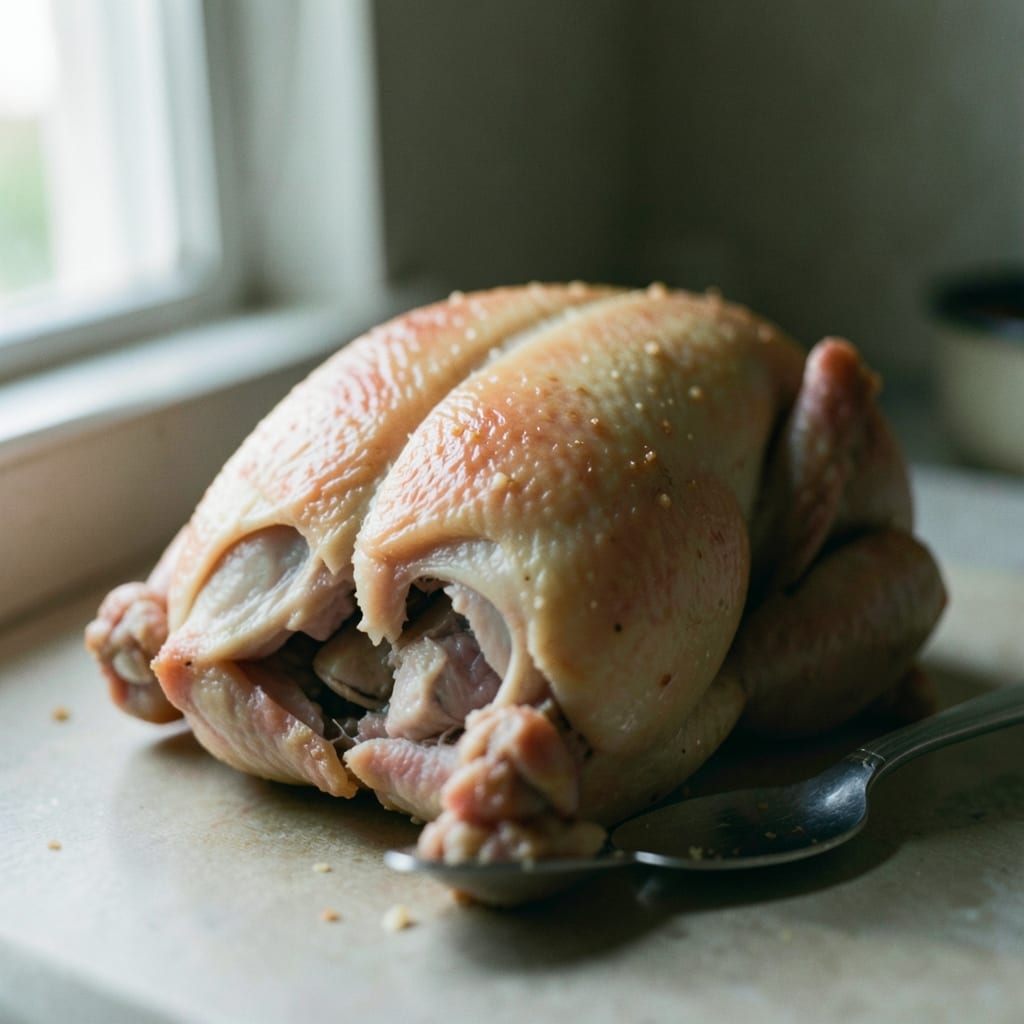
I cook it exactly as written, then taste it. If the skin isn’t crisp or the spices are off, I adjust one thing at a time—less salt, more time, a different fat. I write down every change, even the ones that don’t work.
The first version is always a mess, but it’s the only way to know what to fix next.
The second try
The second time, I use the notes from the first attempt. I test for the things that usually go wrong—oven heat, humidity, the way a pan’s age changes how oil behaves. If it still doesn’t work, I ask someone who cooks differently than I do.
Only then does it go on the site.
What we will not do
We won’t write recipes that require ingredients you can’t find outside a specialty store. We won’t pretend every dish is ‘easy’ when it’s not. And we won’t ignore the fact that home kitchens don’t behave like lab conditions.
Things you will never find here
- Recipes that assume you own a meat thermometer (or any gadget).
- Dishes that take longer to explain than they do to cook.
- Photos of food that wasn’t made in a real kitchen.
- Advice about what to serve with something unless it’s something you’d actually eat.
Where to start
If you’re new, start with the ‘Beginner’s Guide to Crispy Skin.’ If you’re looking for something specific, check the index by technique—roasting, frying, braising—or by flavor profile. If you can’t find what you need, the contact page is the best place to ask.
Say hello
I like hearing about the dishes you’ve tried, the ones that failed, or the tricks you’ve picked up in your own kitchen. If you’ve got a question or a suggestion, the contact page is where to send it.
The recipes are grouped by category: Appetizers, Beverages, Breakfast & Brunch, Desserts, Main Courses and Reviews.