
Main Courses
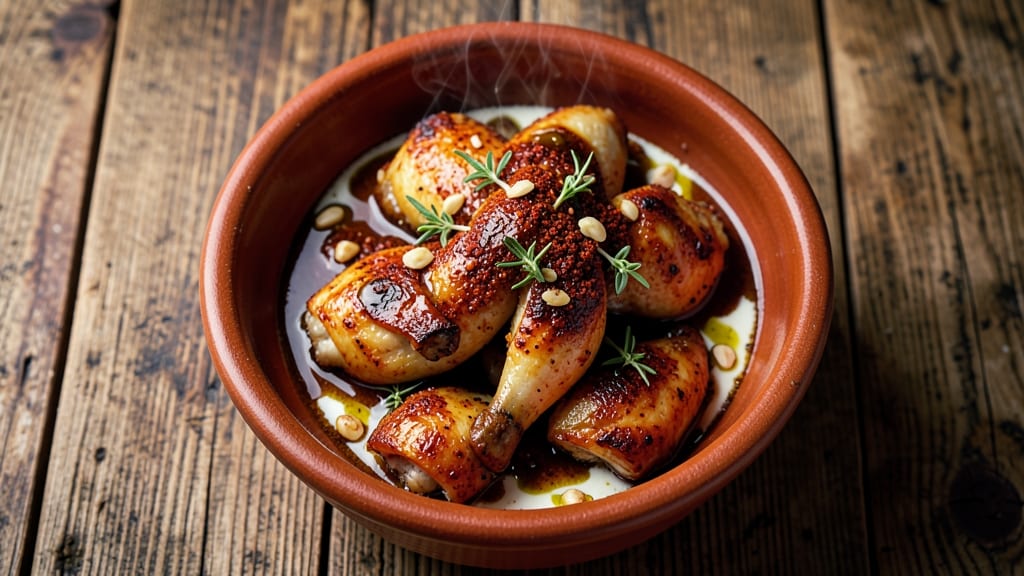
This African chicken recipe transforms ordinary chicken into a boldly spiced centerpiece that brings the warmth of Ethiopian flavors to your table. The secret lies in a yogurt marinade infused with berbere spice—a fiery blend of chili, garlic, and spices that creates layers of heat and depth.
I first discovered this technique while studying traditional Ethiopian cooking, and it became my go-to for weeknight dinners that feel like a celebration.
The process begins with a 24-hour marinade, where the chicken absorbs the tangy yogurt and aromatic spices, resulting in tender meat with a perfectly balanced heat. Berbere adds complexity—smoky, slightly sweet, and undeniably spicy—while thyme and garlic round out the flavor profile.
This isn’t just a recipe; it’s a method that transforms simple chicken into something extraordinary with minimal effort.
By the time you serve it, you’ll have juicy, flavor-packed chicken with crisp edges, served alongside steamed rice or roasted plantains for a complete meal. The aroma alone will draw everyone to the table, and the first bite delivers that perfect harmony of spice, tang, and richness.
This is the kind of dish that turns ordinary dinners into memorable experiences.
Whether you’re cooking for family or hosting a gathering, this recipe delivers restaurant-quality results at home. The marinade can be prepped ahead, and the cooking process is straightforward—just grill, braise, or bake until golden. Let’s bring the flavors of Africa to your kitchen tonight.
Ingredients for african chicken
Tangy yogurt meets fiery berbere spice for a marinated chicken that delivers bold Ethiopian flavors.
| Ingredient | Amount | Notes |
|---|---|---|
| Chicken Thighs 🍗 | 1 ½ lb | Bone-in, skin-on preferred |
| Plain Yogurt 🥛 | 1 cup | Full-fat Greek yogurt preferred |
| Berbere Spice 🌶️ | 2 tbsp | Store-bought or homemade blend |
| Garlic Cloves 🧄 | 6 cloves | Freshly minced for depth |
| Fresh Thyme 🌿 | ¼ cup | Leaves only, chopped finely |
| Olive Oil 🫒 | ¼ cup | Extra-virgin for richness |
| Lemon Juice 🍋 | 2 tbsp | Freshly squeezed |
| Ground Cumin 🌿 | 1 tsp | Toasted for deeper flavor |
| Ground Coriander 🌿 | 1 tsp | Freshly ground preferred |
| Salt 🧂 | 1 ½ tsp | Diamond Crystal kosher salt |
| Black Pepper 🌶️ | ½ tsp | Freshly cracked |
| Honey 🍯 | 1 tbsp | Raw for natural sweetness |
| Red Bell Pepper 🌶️ | 1 whole | Diced, for garnish |
| Fresh Cilantro 🌿 | ¼ cup | Chopped, for garnish |
The berbere spice is the heart of this dish—Ethiopian markets or specialty stores carry the best blends, but Penzeys or Amazon are solid alternatives. If you can't find it, mix your own with smoked paprika, cayenne, fenugreek, and cardamom (ratios online). The yogurt should be full-fat for richness—Fage or Siggi's work best, but any plain Greek yogurt in the dairy aisle will do. For the chicken, bone-in thighs stay juicier than breasts (trust me on this). Look for pieces with a good amount of marbling if you're buying whole thighs to cut yourself.
No berbere? Smoked paprika plus cayenne gets you close, but it won't have that signature Ethiopian complexity. Fresh thyme out of season? Dried works at half the amount. The garlic can be roasted for a sweeter note—just toss whole cloves with olive oil and roast at 400°F for 10 minutes. For extra tang, add a splash of lemon zest to the marinade. The honey balances the heat, so don't skip it—raw or local honey adds subtle floral notes. If you're grilling, marinate the chicken in a sealed bag for even coating.
This marinade tastes even better after 24 hours, but it's fine for as little as 4 hours. Store any leftover marinade in an airtight container in the fridge for up to 3 days—it makes a killer dip for veggies. The cooked chicken reheats beautifully in a 350°F oven for 15 minutes, but it's best served fresh. Garnish with the diced red bell pepper and cilantro right before serving—the colors pop against the golden-brown skin. Leftovers keep for 4 days in the fridge or 3 months frozen.
Why You'll Love This Recipe
- Marinade Magic: The real work here is done for you—just toss those chicken thighs in that yogurt marinade with berbere spice and let it do its thing. No chopping frenzy, no constant stirring; the flavors just soak in while you’re doing something else. Honestly, this is the kind of recipe where you can prep it before bed and wake up to dinner ready to go.
- Spice & Sweet Harmony: That berbere spice isn’t just heat—it’s complexity. Paired with the honey and lemon juice, it’s like a little spicy-sweet dance on your taste buds. The garlic and thyme just deepen it, making every bite feel like a little vacation. Trust me, the crispy skin with that creamy, tangy center? Chef’s kiss.
- Leftovers That Pay Off: I always make extra because the marinade leftovers are insanely good. Store it for up to three days, and it becomes the perfect veggie dip or sauce for rice. Plus, the chicken reheats beautifully—just pop it back in the oven for a few minutes, and it’s still juicy and crispy. Four days in the fridge? No problem.
- Budget-Friendly Feast: You’re getting so much flavor for so little cost. Bone-in thighs are cheaper than breasts, and the spices (especially if you already have olive oil and yogurt) stretch far. Feeds a crowd? Absolutely. Weeknight dinner? Even better. My kids even ask for seconds, and that’s saying something.
Step-by-step instructions for spiced yogurt marinated African chicken
Here's how to transform simple ingredients into a restaurant-worthy African chicken dish with bold flavors.
Create the Berbere Yogurt Marinade
In a medium bowl, combine the 1 cup plain yogurt, 2 tablespoons berbere spice, 1 teaspoon ground cumin, 1 teaspoon ground coriander, 1.5 teaspoons salt, and 0.5 teaspoon black pepper. Whisk until the spices are fully dissolved and the mixture is smooth. This marinade is the heart of the dish—its tangy, spicy profile will tenderize the chicken while infusing it with authentic African heat.
Add the 6 cloves garlic, minced or finely chopped, to the marinade and whisk until fully incorporated. The garlic adds a deep, aromatic layer to the berbere-spiced yogurt.
Add the 0.25 cup olive oil, 2 tablespoons lemon juice, 0.25 cup fresh thyme, finely chopped, and 1 tablespoon honey, then whisk again until fully incorporated. The honey helps balance the spice while adding subtle sweetness. Taste the marinade and adjust seasoning if needed—this is your flavor foundation, so don't skimp on the berbere. Let it sit at room temperature for 5 minutes to allow the spices to bloom and release their aromas.
Marinate the Chicken Thoroughly
Pat the 1.5 pounds chicken thighs dry with paper towels, removing any excess moisture from the skin. This step is crucial—wet skin won't crisp properly. Place the chicken in a shallow dish or resealable plastic bag and pour the marinade over it, ensuring each piece is fully coated. Here's the thing—don't be shy with the marinade. Use your hands to rub it into the meat, pressing gently to help it penetrate.
Cover the dish or bag and refrigerate for at least 4 hours, but ideally overnight. The longer it marinates, the deeper the flavor penetration. If you're short on time, marinate for a minimum of 2 hours, but understand the flavor will be less developed. When ready to cook, remove the chicken from the fridge 30 minutes before cooking to bring it to room temperature—this ensures even cooking.
Cook the Chicken to Juicy Perfection
Preheat your oven to 400°F and position a rack in the middle position. Line a baking sheet with aluminum foil for easy cleanup. Arrange the marinated chicken thighs on the prepared sheet, skin-side up, leaving about 1 inch between each piece. This spacing allows for proper air circulation, which is key to achieving crispy skin.
Roast the chicken for 35-40 minutes, until the internal temperature reaches 165°F when measured at the thickest part of the thigh. You'll know it's done when the skin is deep golden brown and crispy, and the juices run clear when pierced with a meat thermometer. The marinade will bubble and caramelize slightly, creating a beautiful glaze on the chicken's surface. For extra crispiness, broil for 2-3 minutes at the end, watching closely to prevent burning.
Rest and Prepare the Garnish
Transfer the cooked chicken to a cutting board and tent loosely with aluminum foil. Let it rest for 10 minutes before serving—this crucial step allows the juices to redistribute throughout the meat, preventing them from pooling and making each bite more flavorful. While the chicken rests, dice the 1 whole red bell pepper into small, even pieces and finely chop the 0.25 cup fresh cilantro. These will add freshness and color to your dish.
Before serving, spoon any accumulated pan juices from the baking sheet over the chicken. The juices contain concentrated flavor from the marinade and will elevate the dish. Arrange the diced red bell pepper and chopped cilantro on top of the chicken, then drizzle with any remaining marinade from the bowl. The contrast of the fresh vegetables against the rich, spiced chicken creates a visually stunning and delicious presentation.
Pro Tips For Making African Chicken
- Bloom the Berbere: Let that 2 tbsp berbere spice sit in the yogurt for those 5 minutes before mixing—it’s not just waiting, it’s waking up the spices. I learned this the hard way when my first batch tasted flat because I rushed ahead. The oils in the spices need time to infuse, so don’t skip it, even if you’re eager to get cooking.
- Rub It In: When coating the 1.5 lb chicken thighs, use your hands to press the marinade into every nook—especially the thickest parts. I used to pour it on and walk away, but the skin-side-up spots would end up dry. A little elbow grease here means flavor everywhere, not just on the surface.
- Space for Crisp: That 1-inch gap between thighs on the baking sheet isn’t just for looks—it’s for airflow. Crowd them, and you’ll steam the skin instead of crisping it. Trust me, I’ve turned golden-brown thighs into sad, soggy ones by ignoring this. Preheat that oven to 400°F and give them room to shine.
- Broil with Eyes Open: The 2-3 minutes under the broiler is where magic happens—but also where disasters lurk. Watch like a hawk; that olive oil and honey in the marinade caramelize fast. Burn one piece, and suddenly you’re explaining why your African chicken has charred spots. Broil in short bursts, then check immediately.
Essential equipment for this recipe
Non-Negotiable Must-Haves
Start with a good-quality meat thermometer—this is non-negotiable for checking 165°F internal temperature safely. I use the Thermoworks Smoke because it’s reliable and affordable. A cast-iron skillet or baking sheet is also essential for crispy skin, especially when broiling at the end.
I swear by my Lodge cast iron—it heats evenly and develops that perfect golden crust.
Marinating Magic Tools
For even marinade distribution, a resealable plastic bag works wonders—just poke holes in it to prevent vacuum-sealing. I also keep a small whisk (like the OXO Good Grips) on hand to blend the marinade smoothly.
A measuring spoon set ensures you use the exact 2 tbsp berbere spice and 1 tbsp honey—no guessing here!
Cooking Game-Changers
An oven thermometer is a game-changer—your oven’s displayed temperature might not match the actual heat. I use the Thermoworks Oven Thermometer to confirm 400°F accuracy. For extra crispiness, a broiler pan (like the Stainless Steel Broiler Pan from Cuisinart) lets you broil safely without flare-ups.
Trust me, those last 2-3 minutes make all the difference!
Garnish & Presentation
A sharp chef’s knife (I love my Wüsthof Classic) is crucial for dicing the red bell pepper and chopping cilantro cleanly. For plating, a wooden serving board adds rustic charm and keeps the dish looking fresh.
A small drizzling spoon helps you evenly distribute the leftover marinade for that final flavor boost.
Budget-Friendly Swaps
If you don’t have a cast-iron skillet, a heavy stainless steel pan works too—just make sure it’s oven-safe. A $10 digital thermometer from Amazon will do the job if you’re on a budget.
For berbere spice, Penzeys or Amazon carry decent blends, but I’ve also made my own with smoked paprika, cayenne, and fenugreek—it’s not the same, but it works in a pinch.
Nutrition facts
Frequently asked questions
Why does this recipe call for bone-in, skin-on chicken thighs?
Bone-in thighs stay juicier than boneless cuts because the bone acts as a natural moisture reservoir. The skin-on method creates a crispy exterior when cooked properly—essential for this dish's texture. Thighs also handle the bold berbere spice better than delicate breasts, which can dry out. This technique ensures every bite is flavorful and tender.
Can I use dried thyme instead of fresh in the marinade?
Yes, but reduce the amount to 1 tablespoon dried thyme (about half of the fresh quantity). Dried herbs are more concentrated, so you'll want less to avoid overpowering the dish. The flavor will still be aromatic, though slightly milder than fresh thyme's bright punch. This works well if fresh thyme isn't available.
What should I do if the chicken skin doesn't crisp up?
Pat the skin thoroughly dry before cooking and ensure proper oven temperature (400°F). For extra crispiness, broil for 2-3 minutes at the end, watching closely. If your oven runs cooler, add 10-15 minutes to the roasting time. A cast-iron pan also helps create that perfect crunch. The key is patience—don't rush the final broil step!
Can I make this recipe ahead of time?
The marinade can be prepped 24 hours ahead—just refrigerate it until ready to use. Cook the chicken 1 day ahead and reheat gently in the oven at 350°F for 15 minutes. Store leftovers in an airtight container for up to 4 days or freeze for 3 months. The flavors actually improve with a little time!