
Side Dishes
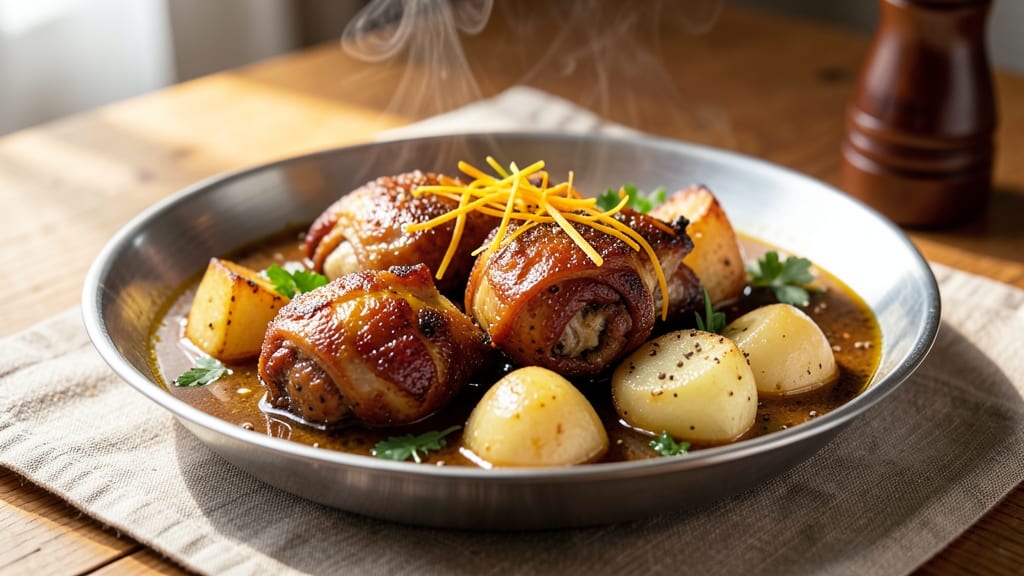
Aloo chicken salan delivers the bold, tangy flavors of South Indian cuisine in just 30 minutes—a perfect balance of tender chicken, hearty potatoes, and aromatic spices. This traditional dish transforms simple ingredients into a vibrant, restaurant-quality meal that pairs beautifully with steamed rice or warm roti.
The secret lies in the mustard oil infusion and tamarind base, which create a tangy depth that elevates every bite.
What sets this recipe apart is its simplicity combined with authentic flavor. Pressure-cooking the chicken and potatoes locks in moisture while allowing the spices to meld into a fragrant, cohesive sauce.
The dish relies on everyday pantry staples—turmeric, cumin, coriander, and a touch of red chili—that deliver complex, layered tastes without complexity. The result is a dish that feels both comforting and celebratory.
By the time you serve this aloo chicken salan, your kitchen will smell like a bustling South Indian home, and your guests will taste the difference between homemade and restaurant versions.
The tender chicken and potatoes swim in a glossy, tangy sauce that’s rich with mustard oil’s signature aroma and tamarind’s bright acidity. It’s the kind of dish that turns weeknight dinners into special occasions.
Perfect for feeding a family or sharing with neighbors, this recipe scales effortlessly while maintaining its authenticity. Serve it with basmati rice and a side of raita for the full experience. Let’s get cooking!
Ingredients for aloo chicken salan
Fifteen simple ingredients transform into a fragrant, tangy South Indian masterpiece in just 30 minutes.
| Ingredient | Amount | Notes |
|---|---|---|
| Boneless Chicken Thighs 🍗 | 1 ½ lb | Skin-on preferred for flavor |
| Russet Potatoes 🥔 | 2 medium | Cut into 1-inch cubes |
| Mustard Oil 🫒 | ½ cup | For authentic South Indian aroma |
| Tamarind Paste 🍈 | 2 tbsp | Adjust for tanginess preference |
| Fresh Turmeric 🌿 | 1 tbsp | Grated, vibrant color |
| Ground Cumin Seeds 🌶️ | 1 tsp | Toasted for deeper flavor |
| Ground Coriander 🌿 | 1 tsp | Freshly ground preferred |
| Red Chili Powder 🌶️ | 1 tsp | Adjust for heat preference |
| Fresh Ginger 🌿 | 1 tbsp | Grated, aromatic |
| Garlic Cloves 🧄 | 5 cloves | Minced, for aromatic base |
| Onion 🧅 | 1 medium | Finely chopped, for sweetness |
| Salt 🧂 | 1 ½ tsp | Adjust to taste |
| Fresh Cilantro 🌿 | ¼ cup | Chopped, for garnish |
| Cooking Oil 🫒 | 2 tbsp | Vegetable or canola |
| Water 💧 | 1 ½ cups | For pressure cooking |
The mustard oil is non-negotiable here—it carries that signature South Indian aroma. Look for authentic mustard oil at Indian grocery stores like Patel Brothers or Saffron Road. If you can't find it, vegetable oil with a pinch of asafoetida (hing) works in a pinch. The tamarind paste should be smooth and free of lumps—Mamee brand is a reliable choice. For the ginger and garlic, fresh is essential (no powdered substitutes). The potatoes should be firm and free of sprouts—Russets or Yukon Golds work best. Chicken thighs stay juicier than breasts during pressure cooking, which is key for this dish.
No mustard oil? Vegetable oil with 1/4 tsp asafoetida (hing) mimics the aroma. Tamarind paste hard to find? Lemon juice plus 1/2 tsp sugar gets you close. Fresh turmeric can be swapped for 1/2 tsp ground turmeric, but the color will be less vibrant. For extra heat, add a pinch of cayenne pepper. The onions should be sweet—red or yellow varieties work better than white. If you're short on time, pre-chopped frozen ginger and garlic save minutes (just thaw first). The cilantro garnish is optional but adds freshness—substitute with mint if you prefer.
Store mustard oil in a cool, dark place—it keeps for up to 6 months unopened. Tamarind paste lasts 1 year in the pantry. Fresh ginger and garlic keep 1 week in the fridge wrapped in damp paper towels. The cooked dish reheats beautifully—simmer with 2 tbsp water for 3-4 minutes to restore moisture. Portion into containers with rice for easy lunches—this tastes even better the next day as flavors meld.
Why You'll Love This Recipe
- One-Pot Magic: I swear by this recipe when I’m too tired to scrub pots—just toss everything in one pan with the mustard oil and turmeric, and let the tamarind paste work its tangy sorcery. The potatoes and chicken cook together, so no flipping between dishes or waiting for separate batches.
- Tamarind Tang: Honestly, that tamarind paste is the MVP here—it cuts through the richness of the chicken thighs and makes every bite bright and addictive. The fresh turmeric gives it that golden hue and earthy warmth that just feels like comfort, even when it’s 10 PM and I’m craving something hearty.
- Lunchbox Hero: Between us, this is my go-to for packed lunches. The potatoes hold up perfectly for a day or two, and the chicken stays juicy if you store it right. I’ll be real: my coworkers have started asking for seconds because it’s that good—no sad, soggy leftovers here.
- Budget Win: Mustard oil might sound fancy, but it’s a fraction of the cost of other cooking oils, and tamarind paste lasts forever. Chicken thighs are cheaper than breasts, and potatoes? You can’t beat ‘em. I make this for six people for under $15, and everyone leaves happy—including my wallet.
Step-by-step instructions for aloo chicken salan
Here's how to create this vibrant South Indian dish with perfect balance of tangy, spiced flavors.
Pressure Cook the Chicken and Potatoes
In a pressure cooker, add the 1.5 lb boneless chicken thighs and 2 medium russet potatoes cut into 1-inch cubes. Pour in 1.5 cups water and sprinkle with 1 tsp salt. Seal the cooker and cook on high pressure for 6 whistles or 15 minutes after the first whistle. You'll know it's done when the pressure releases naturally - the chicken should be tender and potatoes fork-tender.
Real talk: Don't skip the natural pressure release. It helps the chicken stay juicy and prevents the potatoes from becoming mushy. I always let it sit for 10 minutes before opening. This resting period is crucial for texture.
Prepare the Spice Base
Heat 2 tbsp cooking oil in a large pan over medium heat. Add 1 tsp ground cumin seeds and toast for 30 seconds until fragrant. Add 1 tbsp fresh ginger and 5 cloves garlic cloves (minced), cooking for 1 minute until the raw aroma disappears. Stir in 1 tsp ground coriander and 1 tsp red chili powder, cooking for another 30 seconds to toast the spices.
Here's the thing - those toasted spices make all the difference. You'll see the spices release their oils and become aromatic. If they burn, you've gone too far. Watch carefully as they change color from dry to slightly darkened.
Build the Tangy Gravy
Add 0.5 cup mustard oil to the spice mixture and swirl to combine. Stir in 2 tbsp tamarind paste and 1 tbsp fresh turmeric (grated), cooking for 2 minutes until the tamarind dissolves and the mixture becomes slightly thick. Pour in 1 cup water and let it simmer for 5 minutes until the raw tang of tamarind mellows into a balanced flavor.
This is where the magic happens. The tamarind should create a glossy, slightly sticky consistency. If it looks too thick, add 1-2 tablespoons water to reach your desired gravy texture. The mustard oil will infuse the spices with its characteristic aroma.
Combine and Simmer
Using a slotted spoon, transfer the cooked chicken and potatoes to the spice mixture. Add 1 medium onion (finely chopped) and gently stir to combine. Cook on medium-low heat for 10 minutes, allowing the flavors to meld. The dish should develop a rich, aromatic smell with notes of turmeric, tamarind, and cumin.
Don't walk away during this step. You want the onions to soften and release their sweetness while the chicken absorbs all the spiced flavors. The gravy should coat the back of a spoon but remain spoonable.
Finish and Garnish
Remove from heat and stir in 0.25 cup fresh cilantro. Taste and adjust seasoning with additional salt if needed. Let it sit for 5 minutes to allow all the flavors to fully develop. Serve hot with steamed rice or roti, garnished with extra cilantro.
This dish should have a perfect balance of tangy, spicy, and earthy flavors. The chicken should be tender with a slightly crispy exterior from the spices, while the potatoes remain firm yet flavorful. The mustard oil adds that authentic South Indian aroma that makes this dish so special.
Pro Tips For Making Aloo Chicken Salan
- Marinate Chicken Overnight: I learned this the hard way—skipping the overnight soak means the chicken stays tough and absorbs way less flavor. Use a mix of yogurt, tamarind paste, and a pinch of turmeric; let it sit in the fridge for at least 8 hours. The acid and time work magic on the texture, and the mustard oil you’ll add later will sing off that marinade.
- Boil Potatoes Whole First: Peeling and chopping potatoes before boiling is a rookie move. Keep them whole until the very end—this prevents them from turning to mush. Boil them in salted water until just tender (about 12-15 minutes for Russets), then peel and slice while hot. The residual heat keeps them firm when you add them to the gravy.
- Bloom Tamarind Slowly: Dump tamarind paste straight into hot oil, and you’ll end up with a bitter, clumpy mess. Instead, dissolve it in ¼ cup warm water first, then strain out the pulp. Add this liquid to the oil after the mustard seeds pop—this way, the tamarind flavor integrates smoothly without curdling.
- Temper Mustard Oil Low: Mustard oil burns faster than you’d think. After adding whole spices, reduce the heat to low and let them sizzle gently for 2-3 minutes. If you crank it up, the oil will darken and taste acrid—trust me, your nose will know. The goal is aroma, not smoke.
Essential equipment for this dish
Pressure Cooker Essentials
Your pressure cooker is the star of this recipe—it delivers tender chicken and potatoes in 15 minutes while locking in flavor. I recommend a 6-quart Instant Pot or Presto 6-quart cooker for this dish.
The key is using the high-pressure setting for 6 whistles, then letting it release naturally for 10 minutes before opening. This prevents the potatoes from turning mushy and keeps the chicken juicy. 🌡️
Mustard Oil Infusion
The mustard oil is non-negotiable for authentic flavor, but heating it properly is crucial. Use a heavy-bottomed stainless steel pan (like Calphalon or All-Clad) to heat the oil over low heat—never high, or it will burn.
A small ladle helps you control the temperature while swirling the oil to infuse the spices. I keep a bottle of authentic mustard oil from Patel Brothers in my pantry for this exact purpose.
Spice Toasting Tools
Toasting spices properly requires a light-colored nonstick skillet (like GreenPan) so you can see when spices turn golden. A wooden spoon prevents scratching the pan while stirring. For extra precision, I use a small offset spatula to scrape up any spices sticking to the bottom.
Toasting spices for 30 seconds at medium heat brings out their maximum flavor—don't rush this step!
Gravy Thickening
For the perfect gravy consistency, you'll need a whisk to dissolve the tamarind paste smoothly. A small saucepan works best for simmering the sauce—it gives you better control over heat.
If your sauce gets too thick, a small ladle helps you add water gradually. I always keep a measuring spoon set nearby to adjust the tamarind-to-water ratio precisely.
Serving Essentials
To serve this dish authentically, you'll want steamed basmati rice in a wide, shallow bowl (like Corelle stoneware) to hold the rice while you scoop. A small serving spoon helps portion the aloo chicken salan neatly.
For garnish, a pair of kitchen shears makes quick work of fresh cilantro. Don't forget a small bowl for extra raita on the side!
Storage Containers
For leftovers, use glass airtight containers (like Pyrex or Le Creuset) to store the dish in the fridge for up to 3 days. When reheating, a microwave-safe bowl with a splash of water prevents drying out.
For meal prep, portion the dish into individual glass containers** with a side of rice for easy grab-and-go lunches. The flavors actually improve overnight as the spices meld further. ✨
Nutrition facts
Frequently asked questions
Why does this recipe use mustard oil instead of regular oil?
Mustard oil carries the signature aroma of South Indian cuisine that's essential for authentic aloo chicken salan. Its robust flavor enhances the tamarind's tanginess and complements the spices perfectly. For a substitute, use vegetable oil with ¼ tsp asafoetida (hing) to mimic the aroma, but the flavor won't be identical.
Can I make this dish without a pressure cooker?
Yes, but it will take longer. Braise the chicken and potatoes in a pot with 2 cups water for 30-40 minutes on medium heat until tender. The texture will be slightly different but still delicious. The key is to keep the liquid at a gentle simmer to prevent the potatoes from breaking apart.
How do I adjust the spice level for kids or sensitive stomachs?
Reduce the red chili powder to ½ tsp or omit it completely. For extra mildness, add 1 tbsp coconut milk at the end to balance any remaining heat. Always taste before serving and adjust gradually - you can't add more spice later, but you can always tone it down with extra tamarind or yogurt.
What's the best way to reheat leftovers?
Reheat gently on the stovetop with 2 tbsp water for 3-4 minutes on low heat. Microwave in 30-second intervals with 1 tbsp water to prevent drying. The dish actually tastes better the next day as flavors meld further - just add a splash of water if it seems too thick when reheating.
Can I use chicken breast instead of thighs?
Chicken breast will work but requires extra care. Cook it for 4 whistles (instead of 6) to prevent dryness, then finish with 1 tbsp coconut milk or yogurt to keep it moist. The thighs stay juicier during pressure cooking, which is why they're traditionally used in this dish.