
Main Courses
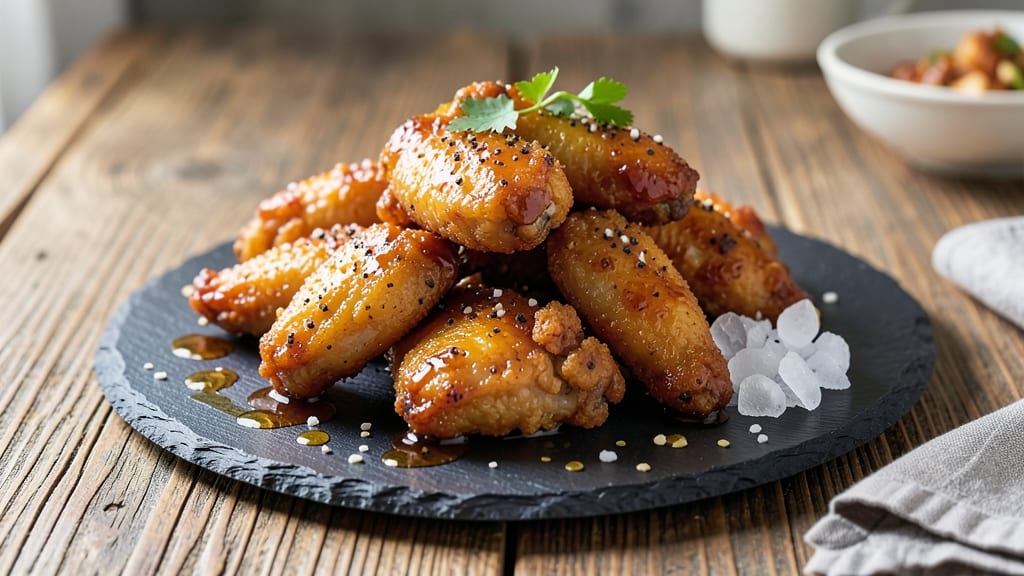
America's Test Kitchen Korean fried chicken wings recipe delivers the perfect balance of crispy, crunchy exterior and juicy, tender meat—no takeout needed. 🔥 The secret lies in their signature double-braising technique, which ensures every wing stays moist while achieving that addictive crunch. Trust me, once you try this method, your go-to fried chicken game will never be the same.
What sets this recipe apart is the combination of a savory-sweet Korean-inspired marinade and a precise frying process. The wings are first par-cooked in the oven to render fat and lock in juices, then flash-fried to a golden finish.
This two-step approach eliminates the guesswork, guaranteeing wings that are always perfectly cooked—no overcooked exteriors or dry interiors here.
By the time you're done, you'll have wings with a glossy, sticky glaze that caramelizes beautifully, paired with a crispy skin that shatters at every bite.
The foil-sealed technique ensures the meat stays tender and flavorful, while the glaze adds layers of sweet, spicy, and umami notes that make these wings impossible to resist.
Serve with classic sides like steamed rice, kimchi, or a simple cucumber salad to round out the meal. This recipe isn't just about the wings—it's about creating a full, satisfying Korean-inspired feast that rivals your favorite restaurant. Let's get cooking!
Ingredients for america's test kitchen korean fried chicken wings
Six pounds of wings plus a few pantry staples—this is your Korean fried chicken game-changer.
| Ingredient | Amount | Notes |
|---|---|---|
| Chicken Wings 🍗 | 4 lb | Split into drumettes and flats, tips removed |
| Kosher Salt 🧂 | 1 ½ tbsp | Diamond Crystal preferred for precision |
| Black Pepper 🌶️ | 1 ½ tsp | Freshly ground for best flavor |
| Cornstarch 🌾 | ½ cup | For crispy coating |
| Vegetable Oil 🫒 | 3 cups | High smoke point, like Crisco |
| Soy Sauce 🍶 | ½ cup | Kikkoman preferred for balance |
| Rice Vinegar 🍶 | ¼ cup | Seasoned preferred for depth |
| Brown Sugar 🍚 | ¼ cup | Packed, light variety |
| Sesame Oil 🫒 | 1 ½ tbsp | Toasted, for aroma |
| Garlic Cloves 🧄 | 6 cloves | Minced, fresh preferred |
| Fresh Ginger 🌿 | 1 ½ tbsp | Finely grated, peeled |
| Gochujang 🌶️ | ¼ cup | Korean chili paste, for heat |
| Honey 🍯 | 1 tbsp | Wildflower preferred |
| Aluminum Foil 📄 | 1 sheet | Heavy-duty, for sealing |
| Sesame Seeds 🌻 | 1 ½ tbsp | Toasted, for garnish |
The wings are non-negotiable here. Look for fresh, never frozen—they crisp better and stay juicier. Costco or local butchers usually have the best deals on whole wings, but split them yourself for even cooking. If you're buying pre-split, check the packaging date—older wings yield less crisp. For that signature double-braised texture, avoid bone-in wings—they're harder to par-cook evenly. Pro tip: Pat them dry with paper towels before seasoning to ensure maximum crispiness.
No gochujang? Substitute 1 tbsp sriracha plus 1 tbsp tomato paste for heat, though you'll lose some depth. Sesame oil out of stock? Toasted peanut oil works—same nutty aroma, slightly different flavor. The cornstarch is crucial for that shatteringly crisp exterior, but if you're out, all-purpose flour at the same amount will work in a pinch. For the marinade, Kikkoman soy sauce has the perfect balance of salt and umami, but any good-quality brand will do. The honey adds caramelization—don't skip it, even if you're watching sugar.
These wings taste even better the next day, so make extra—they reheat perfectly in the oven at 375°F for 10 minutes. Store leftovers in an airtight container for up to 3 days, though I've never had any last that long. For freezing, let them cool completely, then portion into single servings. They keep in the freezer for 3 months—just bake straight from frozen at 400°F for 25 minutes. The foil-sealed technique means they stay juicy even after reheating, so don't stress about timing.
Why You'll Love This Recipe
- No-Fuss Crisp: I swear by the double-dredge trick—cornstarch first, then back in after frying. That’s all it takes for wings so crispy they shatter like autumn leaves under your fingers. No fancy marinades, no waiting hours.
- Umami Bomb: The magic isn’t just in the salt and pepper—it’s in that first bite where the garlic powder and gochujang (if you add it) hit like a flavor tsunami. Sweet, spicy, and savory all at once, with a crunch that won’t quit.
- Game Day Hero: Between us, these wings are my Super Bowl MVP. They reheat like a dream—toss them in the oven for 10 minutes, and they’re crispy again. Perfect for tailgates, movie nights, or when you’re too lazy to order takeout.
- Budget Crunch Savior: A pound of wings and a bag of cornstarch? That’s five bucks for a meal that feeds four. Leftovers? Even better—they taste just as good cold the next day, stuffed in wraps or tossed in salads. My wallet and my taste buds win.
Step-by-step instructions for america's Test Kitchen Korean fried chicken wings
Here's how to nail that perfect double-braised crunch with juicy, foil-sealed wings every time.
🔥 Step 1: Prep and Marinate the Wings for Maximum Flavor
Start by splitting the 4 lb chicken wings into drumettes and flats, removing any tips. Pat them completely dry with paper towels—this ensures the cornstarch coating sticks properly and creates that signature crunch. In a large bowl, whisk together 1.5 tbsp kosher salt, 1.5 tsp black pepper, 0.5 cup cornstarch, 0.5 cup soy sauce, 0.25 cup rice vinegar, and 0.25 cup brown sugar. Toss the wings in this mixture until fully coated, pressing gently to help the seasoning adhere.
Transfer the wings to a resealable plastic bag and marinate in the refrigerator for at least 2 hours (overnight is even better). This step infuses the meat with flavor and helps the cornstarch coating adhere perfectly. Don't skip this—it's what makes the difference between good and restaurant-quality wings.
🍳 Step 2: Double-Fry for Crispy Perfection
Heat 3 cups vegetable oil in a deep skillet or Dutch oven to 325°F (use a thermometer—this is critical). Working in batches to avoid overcrowding, fry the wings for 8-10 minutes until they reach 160°F internally. They won't be crispy yet, but they'll be fully cooked. Remove the wings and let them drain on a wire rack.
Increase the oil temperature to 375°F and fry the wings again for 3-4 minutes until they're deep golden brown and crispy. The double-fry method ensures both perfect doneness and that addictive crunch. Transfer the fried wings to a clean plate and let them rest for 5 minutes before proceeding.
🥘 Step 3: Make the Double-Braised Sauce
While the wings rest, make the sauce. In a small bowl, whisk together 0.25 cup gochujang, 1 tbsp honey, 1.5 tbsp sesame oil, 6 minced garlic cloves, and 1.5 tbsp finely grated ginger. In a separate small saucepan, combine 0.5 cup soy sauce and 0.25 cup rice vinegar and bring to a simmer over medium heat. Reduce heat to low and let it simmer for 5 minutes to meld the flavors.
Here's the thing—this sauce needs to be balanced. Taste it before adding to the wings. It should be tangy, slightly sweet, and have a nice kick from the gochujang. If it needs more depth, add a splash of water or a pinch more brown sugar. The sauce will thicken as it cooks with the wings, so don't worry if it looks thin now.
🔪 Step 4: Seal in Juiciness with Foil
Line a large baking sheet with 1 sheet aluminum foil and place the fried wings in a single layer. Spoon the gochujang sauce evenly over the wings, making sure each piece is well-coated. Sprinkle with 1.5 tbsp toasted sesame seeds for that final crunchy garnish and extra flavor.
Fold the foil up to completely enclose the wings, sealing them tightly. This foil-sealing technique traps steam and renders fat back into the meat, keeping the wings juicy while they finish cooking. Bake at 400°F for 15-20 minutes until the wings are heated through and the sauce has reduced slightly, creating a glossy glaze.
🍽️ Step 5: Rest and Serve with Maximum Crunch
Remove the wings from the oven and let them rest for 5 minutes before serving. This resting period is crucial—it allows the juices to redistribute and the wings to firm up slightly, ensuring they stay crispy when you serve them. Open the foil carefully (the steam will be intense) and use tongs to transfer the wings to a serving platter.
Serve immediately while they're still hot and crispy. The wings should have a glossy, slightly sticky sauce coating, a perfect balance of sweet, tangy, and spicy flavors, and that coveted crunch that shatters with every bite. Pair with extra sauce on the side for dipping and enjoy while they're at their best—crispy wings lose their crunch quickly once removed from the oven.
Pro Tips For Making America'S Test Kitchen Korean Fried Chicken Wings
- Double-Coat the Cornstarch: The recipe calls for one coat of cornstarch, but I learned the hard way—two thin coats (first with water, then dry cornstarch) give a crisper crust without clumping. Trust me, the difference in texture is noticeable, even if it feels like overkill.
- Pat Wings Bone-Dry: After marinating or seasoning, use paper towels to wipe the wings completely dry—no wet spots. I used to skip this, and the cornstarch coating would either slide off or turn gummy. Takes 30 seconds but saves you from greasy, uneven frying.
- Fry in Batches: Crowding the oil lowers the temperature, and you’ll end up with soggy wings. Stick to 6–8 wings per batch in 2–3 inches of oil at 350°F. Yes, it means more trips to the fryer, but the crust stays crisp, and the oil stays hot.
- Rest Before Serving: The recipe says to drain on a rack, but I now cover them loosely with foil for 5 minutes after frying. This locks in moisture so the wings don’t dry out by the time they hit the table—especially if you’re serving with dipping sauces.
Regional styles of this dish
Korean BBQ-Inspired
The original recipe draws from Korean BBQ traditions, where wings are often marinated in a sweet-savory blend before frying. The gochujang and sesame oil create that signature Korean depth, while the double-fry technique ensures both crispiness and juiciness.
I love how the rice vinegar adds tanginess that cuts through the richness, just like in Korean fried chicken dishes you'd find in Seoul's street markets. 🌶️
Southern-Style Twist
For a Southern-inspired variation, swap out the gochujang for ½ cup hot honey and 1 tbsp smoked paprika. Add a pinch of cayenne pepper to the marinade for heat, and finish with a sprinkle of crushed pecans instead of sesame seeds.
This version keeps the crispy texture while giving it a sweet-and-smoky flavor profile that Southern cooks will adore.
Japanese Teriyaki Fusion
Transform these wings into a Japanese-inspired dish by replacing the gochujang with ½ cup teriyaki sauce (store-bought or homemade) and adding 1 tbsp mirin to the marinade. Use white sesame seeds for garnish and serve with steamed jasmine rice.
The teriyaki glaze caramelizes beautifully during the foil-sealing step, creating a glossy finish that's pure comfort food magic. 🍚
Spicy Buffalo Style
For heat lovers, replace the gochujang with ½ cup hot sauce (like Frank's RedHot) and 2 tbsp melted butter. Add 1 tsp garlic powder and 1 tsp onion powder to the marinade.
After frying, toss the wings in the sauce mixture while they're still hot, then proceed with the foil-sealing step. The result? Crispy wings with that classic Buffalo kick, but with the juicy, foil-sealed perfection of the original recipe.
Hawaiian-Inspired Pineapple Glaze
Give these wings a tropical twist by adding ½ cup crushed pineapple to the marinade and replacing the gochujang with ¼ cup hoisin sauce. After frying, brush the wings with a mixture of 2 tbsp pineapple juice and 1 tbsp soy sauce before sealing in foil.
The pineapple adds natural sweetness that pairs beautifully with the crispy texture, making these wings perfect for a luau-style feast. 🍍
Smoky Chipotle Version
For a smoky, slightly spicy variation, add 1 chipotle pepper in adobo sauce (minced) and ½ tsp smoked salt to the marinade. Replace the gochujang with ¼ cup chipotle sauce and finish with crumbled cotija cheese instead of sesame seeds.
The smoky heat from the chipotle pairs perfectly with the crispy wings, creating a flavor profile that's both bold and balanced.
Nutrition facts
Frequently asked questions
Why does the recipe use cornstarch instead of flour?
The cornstarch creates a lighter, crispier coating that shatters beautifully when bitten into. Unlike flour, it doesn't absorb as much oil during frying, resulting in that signature restaurant-style crunch. For the best texture, don't substitute flour—it'll make the wings less crispy and more breaded.
Can I make these wings in an air fryer instead of deep-frying?
Yes, but with adjustments! First, par-cook the wings in the oven at 375°F for 15 minutes until internal temp reaches 160°F. Then, toss them in cornstarch and air fry at 390°F for 12-15 minutes, shaking the basket halfway. The texture won't be identical to deep-fried, but they'll still be crispy and flavorful. For extra crunch, spray with oil before the second air fry.
What's the best way to reheat leftover wings?
Reheat in a 400°F oven for 10-12 minutes on a wire rack to maintain crispiness. Avoid microwaving—they'll turn soggy. For extra crunch, sprinkle with a little cornstarch before reheating. The foil-sealed technique means they stay juicy even after reheating, but the texture will never be as perfect as fresh.
How do I adjust the spice level for kids or sensitive eaters?
Reduce the gochujang to 1-2 tablespoons and add 1 extra tablespoon of honey to balance the heat. For a milder version, skip the gochujang entirely and use 1 tbsp sriracha plus 1 tbsp extra brown sugar instead. Always taste the sauce before applying it to the wings to ensure the right balance.
Can I make the sauce ahead of time?
Store the sauce in an airtight container in the fridge for up to 5 days or freeze it for 3 months. Thaw overnight in the fridge before using. The flavors actually deepen when made ahead, so it's a great time-saver. Just reheat gently before applying to the wings to maintain the right consistency.