
Main Courses
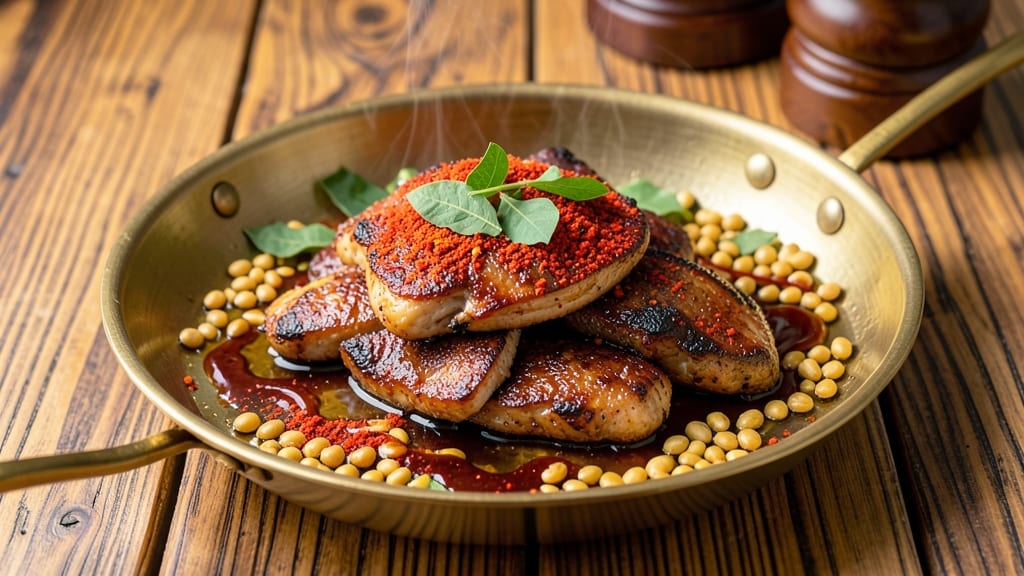
Andhra chicken liver fry delivers a bold, spice-packed crunch that balances tender juiciness with fiery heat—just like the street-side stalls of Andhra Pradesh.
The secret lies in a foil-sealed cooking method that locks in moisture while crisping the exterior, paired with a berbere-inspired spice blend that dances between smoky, citrusy, and chili-driven flavors.
This isn’t just a dish; it’s a textural experience—crispy on the outside, velvety inside, with every bite carrying layers of aromatic spices.
The recipe begins with fresh chicken livers, cleaned and marinated in a tangy tamarind-mustard paste that tenderizes while infusing depth. Mustard seeds, red chili powder, and curry leaves sizzle in hot oil to release their aromatic oils, forming the flavor base.
The livers are then foil-sealed and fried until golden—crispy yet succulent, never dry. This technique ensures the juices stay trapped, creating that signature melt-in-your-mouth texture.
What sets this dish apart is the balance of heat and richness—the spice blend isn’t overwhelming, but it lingers with a smoky, citrusy finish. Served with warm appalam (rice cakes) or crusty bread, it’s a dish that commands attention.
The foil-sealed method is foolproof, ensuring restaurant-quality results every time, even for home cooks.
Perfect for spice lovers or those craving a bold, protein-rich meal, this recipe delivers authentic Andhra flavors without compromise. The key is patience—letting the spices bloom and the livers cook just enough to seal in juices while achieving that crispy exterior.
Ready to master this crunchy, spicy masterpiece?
Ingredients for andhra chicken liver fry
Authentic Andhra flavors start with these carefully selected ingredients for bold, textured perfection.
| Ingredient | Amount | Notes |
|---|---|---|
| Fresh Chicken Livers 🍗 | 1 ½ lb | Cleaned and trimmed of connective tissue |
| Mustard Seeds 🌿 | 1 ½ tbsp | Whole, yellow variety preferred |
| Red Chili Powder 🌶️ | 2 tbsp | Kashmiri or Andhra variety for smoky heat |
| Curry Leaves 🌿 | ¼ cup | Fresh, dried at one-third amount |
| Tamarind Paste 🍋 | 2 tbsp | Unsweetened, or substitute lemon juice |
| Yellow Mustard 🌶️ | 2 tbsp | Dijon or whole-grain preferred |
| Ginger 🧄 | 1 tbsp | Freshly grated, aromatic variety |
| Garlic Cloves 🧄 | 6 cloves | Minced, for aromatic depth |
| Vegetable Oil 🫒 | ½ cup | High smoke point for frying |
| Salt 🧂 | 1 ½ tsp | Diamond Crystal preferred |
| Black Peppercorns 🌶️ | ½ tsp | Freshly cracked for intensity |
| Lemon Juice 🍋 | 1 tbsp | Freshly squeezed for brightness |
| Heavy Cream 🥛 | ¼ cup | Optional, for richness |
| Aluminum Foil 📄 | 1 sheet | Heavy-duty for sealing |
The chicken livers demand the freshest quality—look for vibrant, deep-red livers at specialty butchers or Indian grocery stores like Patel Brothers. Livers oxidize quickly, so use within 2 days of purchase. For the mustard seeds, yellow variety adds the signature pungent aroma; skip the pre-ground powder. Kashmiri red chili powder provides that signature smoky depth without overwhelming heat. Curry leaves are non-negotiable—dried leaves lose potency, so seek out fresh bundles at Indian markets. Tamarind paste should be thick and tangy—avoid sweetened versions that dilute the authentic flavor.
No tamarind paste? Lemon juice plus 1 tsp sugar mimics the tang, though purists will notice the difference. Substituting fresh ginger with powdered? Use half the amount, but fresh is ideal for that zesty kick. Running low on curry leaves? Bay leaves at double the quantity work in a pinch, though the flavor profile shifts slightly. The mustard seeds must be toasted until fragrant—this releases their essential oils and forms the aromatic base. For the foil-sealing technique, heavy-duty aluminum foil is critical; regular foil may tear during frying. The optional heavy cream adds luxurious richness, but traditional versions rely solely on the spice blend's complexity.
Fresh livers should be washed gently in cold water, then patted thoroughly dry to prevent splattering. Store unused livers in an airtight container with paper towels for up to 2 days in the fridge. The spice blend keeps for 2 weeks in a sealed jar, while the tamarind paste lasts 6 months refrigerated. For best results, marinate the livers at least 2 hours before cooking—this ensures maximum tenderness. Leftover fried livers reheat beautifully in a 350°F oven for 10 minutes, though texture may soften slightly.
Why You'll Love This Recipe
- No Chopping, No Stress: The livers just need a quick rinse and slice—no dicing onions or mincing garlic here. Honestly, I dump them straight from the fridge into the pan after a 10-second clean, and the mustard seeds sizzle while I’m still grabbing the curry leaves.
- Tamarind Tang Kicks It Up: That bright, sour punch from the tamarind paste cuts through the richness of the livers like a wake-up call. Between us, the red chili powder and curry leaves make it taste like a hug from your favorite Andhra auntie—spicy, earthy, and impossible to resist.
- Weeknight Hero, Party Guest: I keep the leftovers in the fridge for lazy mornings (just reheat with a splash of water), and it’s also the star of my "I have friends over but didn’t plan" spread. Serve with rice or even naan—it’s that adaptable.
- Budget Powerhouse: A pound of chicken livers runs cheaper than chicken thighs, and this recipe stretches to feed four for under $10. I’ll be real: my daughter picks out the best pieces first, but we all go back for seconds anyway.
Step-by-step instructions for Andhra chicken liver fry
Master this technique for perfectly tender, spice-crusted chicken livers with a foil-sealed finish.
Prepare the Chicken Livers for Maximum Tenderness
Rinse the 1.5 lb fresh chicken livers thoroughly under cold water and pat them completely dry with paper towels. Remove any connective tissue or silver skin using a sharp knife—this ensures even cooking and prevents bitterness. Trim off any large blood vessels or discolored spots, then cut each liver into ½-inch thick pieces for uniform cooking.
Place the prepared livers in a bowl and add 1 tbsp freshly grated ginger, 6 minced garlic cloves, 1.5 tsp salt, and 0.5 tsp freshly cracked black peppercorns. Toss gently to coat evenly. The ginger and garlic will infuse the livers with aromatic depth while the salt draws out moisture, creating the perfect canvas for the spice crust. Let the mixture marinate at room temperature for 15 minutes while you prepare the spice paste.
Create the Berbere-Inspired Spice Paste
In a small bowl, combine 1.5 tbsp mustard seeds, 2 tbsp red chili powder, 0.25 cup fresh curry leaves, 2 tbsp tamarind paste, 2 tbsp yellow mustard, and 1 tbsp lemon juice. Using a mortar and pestle or the back of a spoon, grind the mustard seeds until they release their aromatic oils—this should take about 2-3 minutes. Then add the remaining ingredients and continue grinding until you achieve a thick, cohesive paste with no visible dry ingredients.
The tamarind paste adds a tangy complexity that balances the heat, while the mustard seeds provide a subtle pungency. Fresh curry leaves contribute a citrusy aroma that's essential for authentic Andhra character. If your tamarind paste is too thick, thin it slightly with 1 teaspoon water to create a smooth, spreadable consistency.
Coat and Sear the Livers for Crispy Perfection
Heat 0.5 cup vegetable oil in a heavy skillet over medium-high heat until it shimmers but doesn't smoke. Add the marinated chicken livers in a single layer, leaving space between each piece to prevent steaming. Cook undisturbed for 2-3 minutes per side until the edges develop a deep golden crust and the internal temperature reaches 145°F—this ensures juiciness while creating that signature crunch.
During the last minute of cooking, spoon 2 tablespoons of the spice paste over each liver, pressing gently to adhere. The oil should sizzle vigorously as the spices hit the heat. If the paste burns before the livers are done, reduce the heat slightly to medium and continue cooking. The goal is to create a caramelized spice crust while keeping the interiors tender.
Foil-Seal for Juicy Completion
Line a baking sheet with the 1 sheet aluminum foil and place the cooked livers in a single layer. Spoon the remaining spice paste over the livers, then drizzle with 0.25 cup heavy cream (if using) for added richness. Fold the foil edges tightly to create an airtight seal, trapping the steam and spices. Bake at 375°F for 8-10 minutes until the livers are just heated through and the cream has thickened into a glossy sauce.
This foil-sealing technique is crucial—it prevents the livers from drying out while allowing the flavors to meld. The heavy cream, if used, will create a silky sauce that coats each piece. For a more traditional approach, omit the cream and simply fold the foil to trap the natural juices and spice oils.
Serve Immediately with Fresh Accompaniments
Remove the foil carefully and transfer the livers to a serving platter. Drizzle with any accumulated pan juices and garnish with additional fresh curry leaves for color and aroma. Serve immediately while the crust remains crisp and the interiors are still tender. The dish pairs beautifully with steamed rice and a cooling mango chutney to balance the heat.
Each bite should deliver a perfect balance of textures—crispy spice crust giving way to tender, juicy liver with layers of smoky, tangy, and slightly sweet flavors. The foil-sealing method ensures maximum juiciness while the precise spice coating creates that signature Andhra crunch. Leftovers can be refrigerated for up to 2 days, though they're best enjoyed fresh.
Pro Tips For Making Andhra Chicken Liver Fry
- Blanching First: Drop those livers in boiling water for 30 seconds before frying—it removes the bitter blood and ensures they cook evenly. I learned this the hard way after making a batch that tasted like iron. Use a fine-mesh strainer to drain them well, or they’ll steam instead of sizzle.
- Toast Mustard Seeds: Bloom the mustard seeds in oil on medium-low heat until they pop just before adding curry leaves—this prevents them from burning and turning bitter. High heat here is a rookie mistake; I’ve ruined batches by rushing this step.
- Tamarind Paste Trick: Soak the tamarind paste in ¼ cup warm water for 5 minutes to dissolve it completely, then strain out the pulp. This avoids clumps in your gravy and makes the tang sharper. (Yes, even if you’re impatient like me.)
- Fry in Batches: Crowd the pan, and you’ll steam the livers instead of crisping them. Cook them in single-layer batches over medium-high heat—about 3 minutes per side—until the edges turn golden. Overfilling is the fastest way to ruin the texture.
Serving suggestions for this dish
Traditional Pairings
This Andhra chicken liver fry shines best with steamed basmati rice—the mild, fluffy grains soak up the spicy juices beautifully. I always serve it with mango chutney (made from ripe mangoes, cilantro, and green chilies) to cool the palate and add a sweet-tangy contrast.
The chutney’s acidity cuts through the richness while enhancing the dish’s depth. 🌶️
Bread Alternatives
For a heartier meal, pair with appalam (rice cakes) or missi roti—their soft, slightly sweet texture balances the fiery spices. I love using store-bought appalam from Indian grocery stores like Patel Brothers for convenience, or making them fresh with rice flour and yogurt.
Warm, buttery naan bread also works, especially if you drizzle extra mango chutney on top.
Cool Contrasts
To tame the heat, serve with cucumber raita (grated cucumber, yogurt, and mint) or boondi raita (crispy chickpea flour balls in yogurt). The cooling dairy and fresh herbs create a refreshing counterpoint to the spicy livers.
I often make a quick batch by mixing 1 cup plain yogurt with ½ cup grated cucumber, 1 tbsp mint leaves, and a pinch of roasted cumin powder.
Drink Recommendations
A cooling masala chai (spiced black tea with ginger and cardamom) is the perfect beverage pairing—its warmth complements the dish without overpowering it. For something lighter, nimbu pani (Indian lemonade with mint and cumin) refreshes the palate.
If you prefer alcohol, a dry white wine like Chenin Blanc or a light lager balances the spice without clashing.
Garnish Upgrades
Before serving, sprinkle with toasted sesame seeds and chopped cilantro for extra texture and aroma. I also add a squeeze of fresh lemon juice right before eating to brighten the flavors.
For a smoky touch, a pinch of smoked paprika on top elevates the dish to restaurant-quality. These finishing touches make all the difference! ✨
Nutrition facts
Frequently asked questions
Why do Andhra chicken liver fries need marinating?
The 15-minute marinade with ginger, garlic, and salt is crucial for two reasons: it tenderizes the livers by breaking down proteins and removes any bitterness from blood vessels. This step also creates a flavorful canvas that lets the spice crust truly shine. Skipping it risks dry, bitter results!
Can I use frozen chicken livers instead of fresh?
Fresh livers are ideal, but if using frozen, thaw them overnight in the fridge and pat them extremely dry before cooking. Frozen livers release more moisture, which can dilute the spice crust. For best texture, use them within 2 days of thawing. Never refreeze once thawed!
What makes the foil-sealing technique special?
The foil-seal traps steam and spices, creating a self-basting effect that keeps the livers juicy while developing a glossy spice crust. Without it, the livers would dry out during the 375°F bake. This method is key to achieving that signature Andhra restaurant texture—crisp outside, tender inside!
How do I adjust the spice level?
For milder heat, reduce the red chili powder to 1 tbsp and add ½ tsp sugar to balance. For extra heat, increase to 3 tbsp chili powder and add ½ tsp cayenne pepper. Always taste the spice paste before applying—you can adjust while cooking, but it's harder to fix once the livers are fried!
What if my livers turn gray during cooking?
Gray color means the livers are overcooked or underseasoned. They should be deep golden-brown when done. For next time, cook at medium-high heat for 2-3 minutes per side max, and ensure your marinade has enough salt. Never overcrowd the pan—this steams instead of sears the livers.