
Main Courses
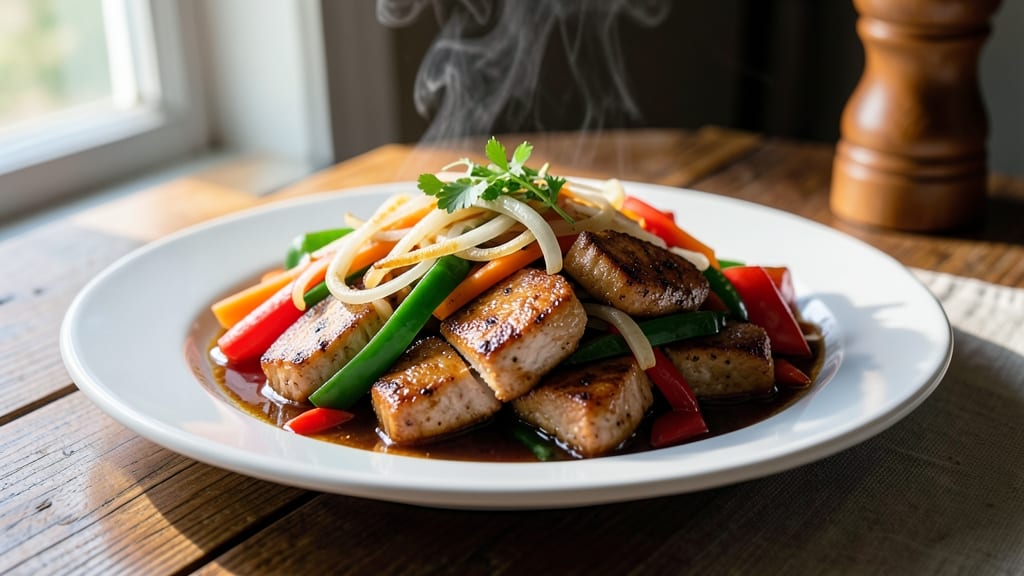
Applebee's famous chicken stir-fry sauce deserves to be made at home—this copycat version delivers that signature sweet, tangy, and slightly spicy flavor that clings to every bite. The secret lies in balancing soy sauce, brown sugar, and a touch of vinegar, creating a sauce that's both sticky and well-rounded.
I've recreated the restaurant's marinade and stir-fry technique to ensure tender chicken and perfectly cooked vegetables, all coated in that addictive sauce.
The recipe starts with a simple marinade that tenderizes the chicken while adding depth of flavor. You'll stir-fry the chicken and vegetables in small batches to maintain even cooking, then toss everything together with the sauce at the end.
This method ensures the sauce sticks to each piece, just like it does in the restaurant. The result is a dish that's packed with flavor, balanced between sweet and savory, with just the right amount of heat.
What sets this copycat recipe apart is the sauce—it's not just a quick mix of ingredients, but a carefully balanced combination that mimics the restaurant's version perfectly. The chicken comes out tender and juicy, the vegetables retain their crispness, and the sauce is rich and flavorful.
This is the kind of dish that's perfect for a weeknight dinner or a weekend gathering, and it's sure to become a family favorite.
Serve it over steamed rice or noodles, and don't forget to garnish with sliced green onions for that restaurant touch. The sauce is so good, you might find yourself making it even when you're not cooking the stir-fry—it's that versatile and delicious.
Let's get started on recreating this Applebee's classic at home!
Ingredients for applebee's chicken stir fry
These 15 ingredients bring the restaurant's signature sauce to life at home.
| Ingredient | Amount | Notes |
|---|---|---|
| Boneless Skinless Chicken Breast 🍗 | 1 ½ lb | Cut into 1-inch strips |
| White Onion 🧅 | 1 medium | Sliced into thin strips |
| Red Bell Pepper 🌶️ | 1 whole | Cut into thin strips |
| Green Bell Pepper 🌶️ | 1 whole | Cut into thin strips |
| Carrots 🥕 | 2 medium | Cut into thin strips |
| Soy Sauce 🍶 | ½ cup | Low-sodium preferred |
| Brown Sugar 🍯 | ¼ cup | Packed light brown sugar |
| Rice Vinegar 🍶 | ¼ cup | White or seasoned |
| Sesame Oil 🫒 | 1 tbsp | Toasted sesame oil |
| Cornstarch 🌾 | 1 tbsp | For thickening sauce |
| Vegetable Oil 🫒 | 3 tbsp | For stir-frying |
| Minced Garlic 🧄 | 3 tbsp | Freshly minced |
| Ginger 🌿 | 1 tbsp | Freshly grated |
| Salt 🧂 | 1 tsp | Kosher or sea salt |
| Black Pepper 🌶️ | ½ tsp | Freshly ground |
The chicken is the star here—boneless, skinless breasts work best for even cooking. Look for plump, firm pieces at the grocery store, and cut them into 1-inch strips before marinating. The bell peppers and carrots should be fresh and crisp, not rubbery or limp. Trader Joe's and Whole Foods often have the best quality produce, but any grocery store will do. For the sauce, low-sodium soy sauce keeps the flavor balanced without excess salt, and light brown sugar adds that signature caramelized sweetness.
No rice vinegar? Apple cider vinegar or white vinegar works in a pinch, though the flavor will be slightly different. Running short on sesame oil? Toasted peanut oil gives a similar nutty depth. The cornstarch is non-negotiable for that perfect sauce consistency—it thickens beautifully when mixed with cold water. For the garlic and ginger, fresh is always better, but if you're in a bind, jarred minced garlic (no salt added) works fine. The vegetable oil for stir-frying can be any neutral oil—avocado or canola are both great choices.
Marinated chicken keeps in the fridge for 24 hours, but use it sooner for best texture. The stir-fried veggies should be eaten within 2 days for peak freshness. The sauce thickens as it cools, so reheat gently with a splash of water if it gets too stiff. Portion leftovers into airtight containers—the sauce clings perfectly to the chicken, making it ideal for meal prep. Freeze portions for up to 3 months if you're planning ahead.
Why You'll Love This Recipe
- One-Pan Magic: I swear by this recipe when I’m too tired to wash a million dishes. Toss the chicken, veggies, and sauce in one skillet—no chopping boards, no stress. The onions caramelize right alongside the peppers while the chicken cooks through, and honestly? That’s my kind of effortless dinner.
- Sauce That Sticks: Between us, the secret’s in that sticky-sweet glaze. It clings to the chicken like a second skin, balancing the crunch of the bell peppers and the slight bite of the carrots. Not too heavy, not too light—just right. My picky eaters actually finish their plates, and that’s saying something.
- Meal Prep MVP: This recipe doubles (or triples) like a champ. I make a big batch on Sundays, portion it into containers, and boom—lunches for the week. The flavors only get better the next day, and reheating it? Microwave or pan, it’s always perfect. Even my college-aged son texts me asking for the recipe.
- Budget-Friendly Protein Power: Skinless chicken breast is cheaper than takeout, and the veggies stretch across multiple meals without breaking the bank. A single breast feeds four, and the leftovers? They disappear faster than I can say “seconds.” Plus, no fancy ingredients—just what you’ve got in the fridge. Smart, simple, and satisfying.
Step-by-step instructions for Applebee's chicken stir fry
Here's the authentic method to recreate that signature restaurant sauce and tender chicken.
Prep All Ingredients for Even Cooking
Cut the 1.5 lb boneless skinless chicken breast into 1-inch strips—this size ensures quick, even cooking without drying out. Pat them dry with paper towels to remove any moisture, which helps the sauce cling better later.
Slice the 1 medium white onion, 1 whole red bell pepper, 1 whole green bell pepper, and 2 medium carrots into thin strips (about ¼-inch wide). Uniform cutting ensures everything cooks at the same rate. Peel and finely grate the 1 tbsp ginger and mince the 3 tbsp garlic—these aromatics form the flavor base of the sauce.
Stir-Fry Chicken Until Fully Cooked
Heat 3 tbsp vegetable oil in a large skillet or wok over medium-high heat until shimmering. Add the chicken strips in a single layer and cook for 5-6 minutes, stirring occasionally, until the edges turn light golden brown and the internal temperature reaches 165°F. Avoid overcrowding the pan—this prevents steaming and ensures a proper sear.
Remove the chicken from the pan and set it aside on a plate. You'll notice the chicken releases easily when done—this is your cue to move to the next step. The residual oil in the pan will become the foundation for the sauce, so don't wipe it clean.
Build the Signature Sauce
In the same pan, add the 3 tbsp minced garlic and 1 tbsp grated ginger over medium heat. Cook for 30 seconds until fragrant—this releases their natural oils and deepens the flavor. Add the sliced vegetables and stir-fry for 4-5 minutes until they soften slightly but still retain a crisp texture.
Pour in the 0.5 cup soy sauce, 0.25 cup brown sugar, and 0.25 cup rice vinegar. Stir well to combine, then sprinkle in the 1 tbsp cornstarch. Cook for 1-2 minutes until the sauce begins to thicken and coats the back of a spoon. The cornstarch is key here—it creates that glossy, clingy texture that makes this sauce so special.
Finish with Sesame Oil and Combine
Return the chicken to the pan and toss everything together for 1-2 minutes until the sauce evenly coats the chicken and vegetables. Drizzle in the 1 tbsp sesame oil and sprinkle with 1 tsp salt and 0.5 tsp black pepper. Taste and adjust seasoning if needed—the sauce should balance sweet, tangy, and savory flavors.
For the best texture, serve immediately over steamed rice or noodles. The sauce will continue to thicken slightly as it sits, but the heat keeps it silky and clingy. This is the secret to that restaurant-quality finish—every bite should feel coated in that glossy, flavorful sauce.
Pro Tips For Making Applebee'S Chicken Stir Fry
- CUT CHICKEN SMALLER THAN YOU THINK: I learned this the hard way—Applebee’s version relies on even cooking, and those 1-inch chunks you’d normally use won’t get tender. Go for ½-inch pieces max, especially for the chicken breast, or you’ll end up with rubbery bits in an otherwise perfect stir-fry. (Yes, it’s tedious, but trust me.)
- SWEAT ONIONS UNTIL TRANSPARENT: Don’t just chop the onion and toss it in raw—this is where the flavor builds. Cook the white onion in the wok with oil until it’s almost clear, about 5-6 minutes. That deep, mellow sweetness is what makes the stir-fry taste like the real deal, not just a sad home copy.
- DON’T OVERCROWD THE PAN: I used to dump everything in at once, thinking it’d cook faster. Wrong. The chicken and veggies steam instead of sear, and the sauce turns soggy. Work in two batches—cook the chicken first, then push it to the side and stir-fry the veggies in the same pan. The residual heat finishes them perfectly.
- UPGRADE WITH A SPLASH OF SAKE: Applebee’s sauce is sweet and sticky, but adding 1 tablespoon of dry sake (or sub with rice vinegar) while deglazing the pan adds a subtle depth that cuts through the sugar. It’s not a huge effort, but it makes the dish taste like it was made by someone who actually cares. (And it’s cheaper than ordering takeout.)
Serving suggestions for this applebee's chicken stir fry
Rice Pairings
Steamed jasmine rice is my go-to choice for this stir-fry—its delicate floral notes complement the sauce's bold flavors without overpowering them. Cook 1.5 cups uncooked jasmine rice with 2 cups water for perfectly fluffy grains that soak up the sauce beautifully.
For a quicker option, use microwaveable minute rice (just add 1 cup water and microwave for 5 minutes), though the texture won't be as premium. 🍚
Noodle Alternatives
Swap rice for chow mein noodles or udon noodles for a heartier dish. Parboil 8 oz dried noodles according to package instructions, then drain and toss with a little sesame oil to prevent sticking.
The noodles' chewiness contrasts nicely with the tender chicken and crisp veggies. I especially love rice noodles for a lighter texture that still holds up to the sauce.
Garnish Like a Pro
Finish your dish with 2 tbsp sliced green onions for that restaurant-quality touch—they add freshness and a pop of color. For extra flair, sprinkle with 1 tbsp toasted sesame seeds or ½ tsp red pepper flakes if you want a subtle kick.
A drizzle of extra sesame oil right before serving intensifies the aroma and ties all the flavors together. 🌟
Side Dish Harmony
Serve with steamed broccoli or sautéed bok choy to balance the richness of the stir-fry. Both veggies stay crisp when cooked quickly in 1 tbsp vegetable oil over high heat for 2-3 minutes.
For a complete meal, add a simple cucumber salad—toss 1 cup sliced cucumber with 1 tbsp rice vinegar and a pinch of salt. The cool, refreshing contrast cuts through the dish's heartiness.
Presentation Tips
Plate the stir-fry over rice or noodles in the center of the bowl, then arrange the chicken and veggies in a visually appealing pattern. Use a tongs to create height by placing some pieces on top.
A final sprinkle of green onions adds color contrast. For an extra restaurant-style touch, serve in a wide, shallow bowl—this makes the dish look even more inviting and helps the sauce shine. ✨
Meal Prep Secrets
This stir-fry reheats beautifully—store leftovers in an airtight container for up to 3 days in the fridge. To reheat, microwave for 1-2 minutes with a splash of water to restore the sauce's glossy texture.
For meal prep, cook the rice separately and store it in a different container to keep it from getting soggy. When ready to eat, simply reheat the stir-fry and sauce, then combine with fresh rice. 💡
Nutrition facts
Frequently asked questions
Can I substitute chicken thighs for chicken breast in this recipe?
Yes, but with adjustments! Chicken thighs stay juicier, so cook them for 6-7 minutes until they reach 165°F internally. Since they're fattier, reduce the sauce by 2 tbsp to avoid making it too thin. The thighs will hold up better to the sauce's stickiness.
How do I make the sauce thicker or thinner?
For a thicker sauce, mix 1 tsp cornstarch with 1 tbsp water and stir into the pan at the end. For a thinner sauce, add 1-2 tbsp warm water while the dish cools slightly. The sauce should coat the back of a spoon but remain glossy, not gluey.
Can I make this recipe with frozen vegetables?
Use frozen stir-fry veggie mixes (no sauces) for convenience. Thaw them first, then pat dry thoroughly to prevent steam from making the sauce watery. Add them with the fresh veggies during the 4-5 minute stir-fry step.
Why does my sauce taste too salty?
Check your soy sauce—use low-sodium to avoid excess salt. If already made, balance it with 1 tsp brown sugar or 1 tsp rice vinegar to cut the saltiness. For extra depth, add a pinch of white pepper to enhance other flavors.
Can I make this gluten-free?
Yes! Replace soy sauce with tamari or coconut aminos (use ½ cup total). For thickening, use arrowroot powder instead of cornstarch. The sauce will still cling beautifully while keeping the dish gluten-free.