
Main Courses
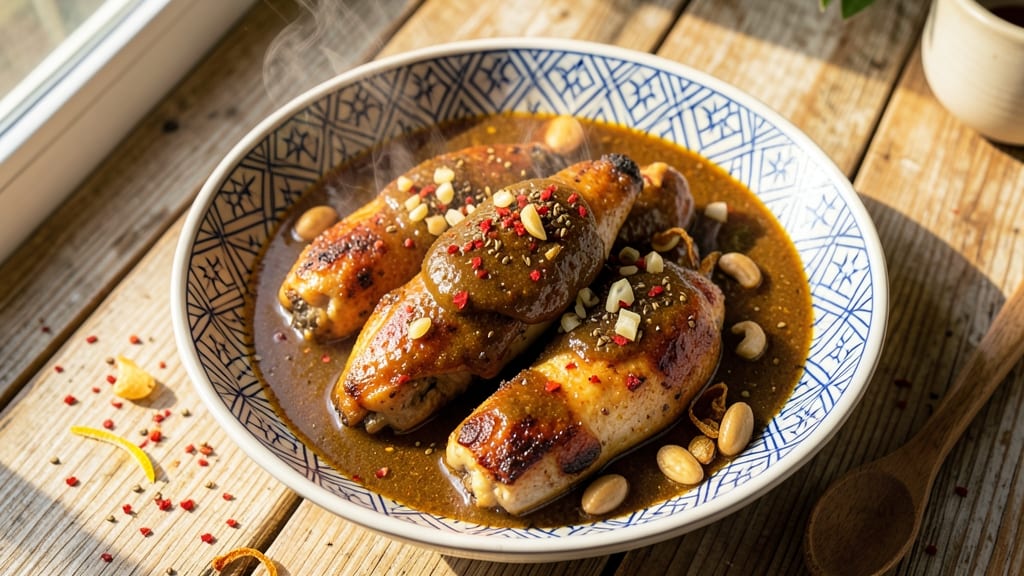
This Arabic chicken curry recipe brings the bold, aromatic flavors of the Middle East to your kitchen with just a few simple ingredients and techniques.
The secret lies in a carefully balanced blend of cumin, coriander, and sumac, which create layers of earthy warmth and citrusy brightness that transform ordinary chicken into something extraordinary.
I developed this recipe after years of exploring authentic regional dishes, and it’s become a staple in my home—equally loved for its depth of flavor and ease of preparation.
The magic begins with marinating the chicken in a fragrant paste of garlic, ginger, and the signature spice blend, allowing the flavors to penetrate deeply. As the curry simmers, the spices release their full potential, creating a rich, velvety sauce that coats each tender bite.
What makes this dish truly special is how it balances tradition with adaptability—perfect for a weeknight dinner or a special gathering, served with fluffy basmati rice or warm flatbread.
By the time you’re done, you’ll have a dish that’s rich in both taste and cultural heritage, with a sauce that’s fragrant, slightly tangy, and just sweet enough to complement the chicken’s natural flavor.
The spices don’t overpower but instead harmonize, delivering the kind of complex taste that makes you crave more. This curry is the kind of meal that turns ordinary evenings into memorable experiences—without requiring hours in the kitchen.
Whether you’re cooking for family or treating yourself to a taste of the Middle East, this recipe delivers restaurant-quality results with minimal effort. The best part?
Leftovers reheat beautifully, making it an ideal choice for meal prep. Let’s get started on creating a dish that’s as comforting as it is impressive.
Ingredients for arabic chicken curry
Simple ingredients, bold flavors—this curry delivers restaurant-quality taste with minimal effort.
| Ingredient | Amount | Notes |
|---|---|---|
| Boneless Chicken Thighs 🍗 | 1 ½ lb | Skin-on for best flavor |
| Ground Cumin 🌿 | 1 tbsp | Toasted for deeper aroma |
| Ground Coriander 🌿 | 1 tbsp | Freshly ground preferred |
| Sumac 🍋 | 1 tbsp | For citrusy tang |
| Garlic Cloves 🧄 | 6 cloves | Minced for marinade |
| Fresh Ginger 🌿 | ½ cup | Finely grated, peeled |
| Onion 🧅 | 1 whole | Yellow, diced small |
| Tomato Paste 🍅 | ¼ cup | Squeeze tube preferred |
| Coconut Milk 🥥 | 1 can | Full-fat, 13.5 oz can |
| Fresh Lemon Juice 🍋 | 2 tbsp | Freshly squeezed |
| Olive Oil 🫒 | ¼ cup | Extra-virgin for richness |
| Salt 🧂 | 1 tsp | Kosher or sea salt |
| Black Pepper 🌶️ | ½ tsp | Freshly ground |
| Fresh Cilantro 🌿 | ¼ cup | Chopped, for garnish |
The chicken thighs are the star—skin-on for extra richness, but boneless saves time. Grab free-range thighs if you can, but any good-quality cut works. For spices, Penzeys or Middle Eastern markets have the best ground cumin and coriander, but the grocery store stuff is fine if it's fresh. Sumac is key for that signature tang—look for it in the spice aisle or international foods section. Fresh ginger and garlic? Buy extra—you'll use them in everything after this.
No sumac? Substitute lemon zest plus a pinch of salt for brightness. Running low on coconut milk? Greek yogurt or heavy cream works in a pinch, but the curry will be thicker. Fresh cilantro hating you? Skip it—this curry shines without it. The tomato paste can be jarred, but those Trader Joe's squeeze tubes are perfect for no-mess prep. Toast your cumin and coriander in a dry pan for 30 seconds before using—trust me on this—it makes all the difference.
Marinate the chicken for at least 30 minutes (overnight is better), then store leftovers in airtight containers for up to 4 days. The sauce thickens as it cools, so add a splash of water when reheating. Freezes beautifully for 3 months—perfect for meal prep. Garnish with extra cilantro right before serving, because it wilts fast.
Why You'll Love This Recipe
- One-Pan Magic: I swear by this recipe because it’s that easy—just brown the thighs, toss in the spices (cumin, coriander, sumac), and let it simmer. No chopping, no fuss, and the garlic cloves? They caramelize right into the sauce.
- Tangy-Kick Flavor: That sumac—it’s the star—bright and citrusy, cutting through the richness of the chicken. The cumin and coriander groundwork is so familiar it feels like comfort, but the sumac twist makes it unexpectedly addictive.
- Lunchbox Hero: Between us, this curry reheats like a dream. Pack it in jars for work lunches, and it’ll still taste like you slaved over it. My college-aged kid takes it to campus every week—no complaints, just seconds.
- Budget-Friendly Feast: Chicken thighs stretch for days, and the spices cost pennies. Honestly, I make this when I’m broke or hosting five people—same recipe, same satisfaction. The leftovers? Even better the next day.
Step-by-step instructions for Arabic chicken curry
Here's how to create a rich, aromatic curry that balances earthy spices with bright citrus notes.
Marinate the Chicken for Maximum Flavor
In a large bowl, combine the 1.5 lb boneless chicken thighs, 1 tbsp ground cumin, 1 tbsp ground coriander, 1 tbsp sumac, 1 tsp salt, and 0.5 tsp black pepper. Mix gently but thoroughly so the spices adhere to every surface of the chicken. The sumac adds that signature tangy brightness you find in authentic Middle Eastern dishes.
Add the 6 cloves minced garlic cloves and 0.5 cup finely grated fresh ginger to the bowl, then pour in the 0.25 cup extra-virgin olive oil. Mix everything together until the chicken is fully coated in the spice-oil mixture. Cover and refrigerate for at least 30 minutes—this lets the flavors meld and tenderizes the meat. I like to go up to 2 hours if I have time, but even 30 minutes makes a noticeable difference.
Build the Spiced Base in a Heavy Pot
Heat a heavy-bottomed pot or Dutch oven over medium heat. Add the 1 whole yellow onion, diced small, and cook for 5-6 minutes until softened and just beginning to brown. Don't rush this step—the onions should develop some color before moving forward.
Push the onions to one side of the pot and add the 0.25 cup tomato paste. Stir continuously for 2-3 minutes until it darkens slightly and releases its deep, concentrated flavor. This is the foundation of your curry—taking time here ensures a rich, complex base. Once the tomato paste is well incorporated, pour in the marinated chicken, spreading it evenly in the pot.
Develop the Curry Sauce with Coconut Milk
Pour in 1 can full-fat coconut milk and bring the mixture to a gentle simmer over medium-low heat. Let it cook uncovered for 15-20 minutes, stirring occasionally. You'll see the sauce gradually thicken as the chicken releases its juices and the spices bloom. The coconut milk should reduce slightly but still coat the back of a spoon when you lift it.
After 15 minutes, stir in the 2 tbsp fresh lemon juice. This brightens the dish and cuts through the richness of the coconut milk. Taste and adjust the seasoning—you might need a pinch more salt or a crack of black pepper to balance the flavors. The sauce should be fragrant with warm cumin, earthy coriander, and a hint of citrus from the sumac and lemon.
Finish and Garnish for Authentic Presentation
Once the chicken is cooked through (it should reach an internal temperature of 165°F) and the sauce has thickened to your liking, remove the pot from heat. Let the curry sit for 5 minutes to allow the flavors to meld further. This resting period is crucial—it lets the spices infuse completely and the sauce come together.
Just before serving, stir in the 0.25 cup chopped fresh cilantro. This adds a fresh, herbaceous note that balances the rich, spiced sauce. Ladle the curry into bowls and serve immediately with warm basmati rice or crusty bread. The dish should be aromatic with layers of spice, tender chicken, and a velvety sauce that coats every bite.
Pro Tips For Making Arabic Chicken Curry
- CRISP THE THIGHS: Pat the chicken thighs bone-dry with paper towels before searing—this isn’t just about browning, it’s about building flavor. I used to skip this, and my curry always tasted flat until I realized the skin needed to crisp first, then steam in the sauce.
- TOAST THE SPICES: Bloom the ground cumin and coriander in oil for 30 seconds—just until fragrant, not browned. My grandmother called this “waking them up,” and she was right: skipping this step means your spices will just dissolve into the sauce instead of singing.
- DON’T RUSH THE GARLIC: Cook the minced garlic low and slow after the spices—about 2 minutes—until it’s golden, not burned. I learned this the hard way: charred garlic turns bitter and overpowers the delicate sumac tang in this dish.
- SAVE THE SUMAC: Stir in sumac last, right before serving, or it’ll turn the sauce dull gray. Keep it in a tiny bowl on the table so everyone can sprinkle their own—this brightens the dish like a final flourish, and it’s way more impressive than mixing it in early.
Serving suggestions for this arabic chicken curry
Rice Pairings
Serve this curry with steamed basmati rice—its delicate, floral aroma complements the earthy spices beautifully. For extra fluffiness, rinse 1 cup basmati rice thoroughly before cooking, then simmer in 2 cups water with a pinch of salt for 12 minutes.
I love adding a bay leaf to the rice water for subtle depth. 🌾
Flatbreads for Scooping
Warm pita bread or markook (Egyptian flatbread) makes the perfect scoop for the rich curry sauce. Brush 2-3 pita rounds with melted butter and toast in a skillet over medium heat for 1-2 minutes per side until puffed. Alternatively, serve with lavash for a crispier option.
Yogurt Cooling
Balance the heat with a side of thick Greek yogurt mixed with 1 tsp sumac and ½ tsp salt. This tangy, cooling dip cuts through the richness and adds another layer of Middle Eastern flavor. I like to drizzle it with a little olive oil for extra silkiness. 🥄
Fresh Vegetable Contrast
Add a simple cucumber salad with 1 sliced cucumber, 2 tbsp lemon juice, 1 tsp olive oil, and ¼ tsp salt. Toss with 2 tbsp chopped mint for a refreshing contrast to the spiced curry. The crisp texture and bright acidity cleanse your palate between bites.
Warm Spiced Salad
For a heartier side, try warm lentil salad with 1 cup cooked brown lentils, ½ cup diced tomatoes, ¼ cup chopped parsley, and a dressing of 1 tbsp olive oil, 1 tsp lemon juice, and ½ tsp ground cumin.
Toss everything together and serve warm—it pairs perfectly with the curry's depth. 🥗
Dessert Pairings
Finish the meal with date-filled pastries like ma'amoul or baklava for a sweet contrast. The nutty, honeyed flavors balance the spicy-sweet curry beautifully. For a lighter option, serve Middle Eastern coffee** with cardamom—its aromatic warmth complements the dish perfectly. ☕
Nutrition facts
Frequently asked questions
Can I use chicken breast instead of thighs for this curry?
You can, but thighs are ideal for their richer flavor and natural juiciness. If using breast, trim excess fat and marinate for at least 2 hours (or overnight) to prevent dryness. Cook over low heat and add 2 tbsp water if the sauce thickens too quickly.
What if I can't find sumac? What's the best substitute?
Sumac adds that signature tangy brightness, but you can substitute with lemon zest + ½ tsp salt or ½ tsp dried mint. For a stronger citrus note, add 1 extra tbsp lemon juice to the sauce. The dish will still taste delicious—just slightly less complex.
How spicy is this curry? Can I make it milder?
This recipe is mildly spiced—the heat comes from cumin and coriander, not chili. For a milder version, skip the black pepper or reduce it to ¼ tsp. If you prefer heat, add ½ tsp cayenne pepper during the tomato paste step. Always taste before serving!
Can I make this curry in an Instant Pot?
Sauté onions and tomato paste as directed, then add chicken, coconut milk, and lemon juice. Cook on High Pressure for 8 minutes, then quick-release. The sauce may be thinner—simmer uncovered for 5 minutes to thicken. Pressure cooking cuts time by half while keeping flavors intact.
Why does my curry taste bland after reheating?
Curries often lose brightness when reheated because spices settle. Revive yours by adding 1 tbsp lemon juice and 1 tsp olive oil while warming. If too thick, thin with 2 tbsp water or broth. Always reheat gently over low heat to preserve texture.