
Main Courses
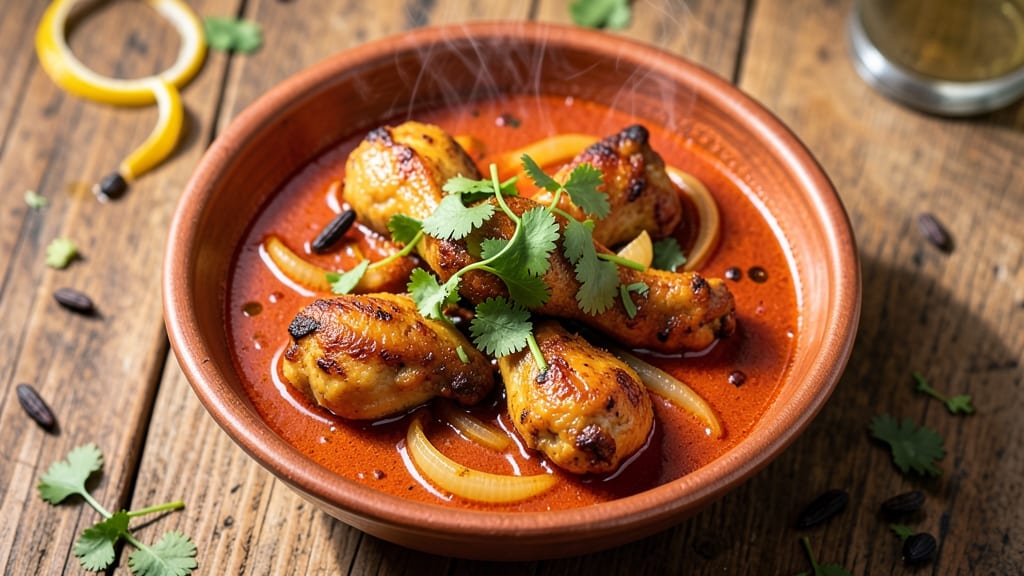
This authentic Bengali chicken curry brings the soul-warming flavors of Kolkata to your kitchen with its signature five-spice blend and fiery mustard oil. The secret lies in slow-cooking the chicken in a rich, aromatic gravy layered with whole spices, poppy seeds, and fenugreek—techniques passed down through generations.
Every bite delivers a balance of smoky, tangy, and slightly sweet notes that define Bengali cuisine.
The magic starts with tempering whole spices in mustard oil until they release their deep, nutty aroma. This traditional method infuses the chicken with complex flavors while keeping the dish authentically rich without being overly greasy.
The curry develops its signature depth as it simmers, allowing spices like turmeric, cumin, and coriander to meld into a fragrant, velvety sauce.
What makes this recipe truly special is the attention to detail—from the initial spice toast to the final garnish of fresh cilantro or crispy fried onions. The result is a dish that’s hearty yet refined, perfect for family gatherings or cozy weeknight dinners.
Served with steamed basmati rice or warm roti, it’s a taste of home that transcends borders.
Ready to master this authentic Bengali technique? The step-by-step instructions guide you through every phase, ensuring your curry captures the essence of Kolkata’s culinary tradition. Let’s get started.
Ingredients for authentic bengali chicken curry
Mustard oil, whole spices, and bone-in chicken create this fragrant Bengali masterpiece.
| Ingredient | Amount | Notes |
|---|---|---|
| Chicken Thighs, Bone-In 🍗 | 1 ½ lb | Skin-on, cut into 1-inch pieces |
| Mustard Oil 🫒 | ½ cup | For authentic smoky flavor |
| Yellow Onions 🧅 | 1 whole | Finely chopped, about 2 cups |
| Garlic Cloves 🧄 | 8 cloves | Minced, for aromatic base |
| Ginger, Fresh 🌿 | 2 tbsp | Grated, for zesty kick |
| Whole Black Cardamom Pods 🌶️ | 4 whole | Lightly crushed, for depth |
| Whole Green Cardamom Pods 🌶️ | 4 whole | Lightly crushed, for floral notes |
| Whole Cumin Seeds 🌶️ | 1 tbsp | Toasted for nutty aroma |
| Whole Coriander Seeds 🌶️ | 1 tbsp | Toasted for citrusy warmth |
| Poppy Seeds 🌾 | 1 tbsp | For subtle sweetness |
| Fenugreek Seeds 🌿 | 1 tsp | Toasted for signature bitterness |
| Ground Turmeric 🧂 | 1 tsp | Freshly ground for vibrant color |
| Ground Cumin 🌶️ | 1 tsp | For earthy depth |
| Ground Coriander 🌶️ | 1 tsp | For citrusy undertones |
| Red Chili Powder 🌶️ | 1 tsp | Adjust for heat preference |
| Garam Masala 🌶️ | 1 tsp | For aromatic finish |
| Tomato Puree 🍅 | ½ cup | No salt added, for balance |
| Fresh Cilantro 🌿 | ¼ cup | Chopped, for fresh finish |
| Lemon Juice 🍋 | 1 tbsp | Freshly squeezed, for tang |
| Salt 🧂 | 1 ½ tsp | Adjust to taste |
The mustard oil is non-negotiable for authenticity—look for 100% pure mustard oil at Indian grocery stores like Patel Brothers or Apna Bazaar. If you can't find it, vegetable oil works in a pinch, but the flavor will lack that signature smoky depth. The chicken thighs should have skin—it renders beautifully, adding richness to the curry. For the spices, buy whole pods and seeds (cardamom, cumin, coriander) from bulk bins—they stay potent longer than pre-ground. Fresh fenugreek seeds are key; if you can't find them, substitute with a pinch of dried fenugreek leaves.
No mustard oil? Toast cumin and coriander seeds in vegetable oil for 30 seconds to mimic some of the aroma. Running short on cardamom? Double the green cardamom—it's more accessible. The tomato puree can be swapped for crushed tomatoes or tomato paste, but strain out the seeds for a smoother sauce. For extra richness, add 2 tbsp of yogurt at the end of cooking. The lemon juice should be freshly squeezed—bottled won't cut it here. And if you're worried about the heat level, reduce the chili powder to 0.5 tsp for a milder version.
This curry tastes even better the next day—plan ahead and make a double batch. Store in an airtight container in the fridge for up to 4 days or freeze for 3 months. For serving, garnish with fresh cilantro and a drizzle of mustard oil. The spices lose potency after opening, so transfer whole spices to a dark jar and keep in a cool, dry place. If you're prepping ahead, toast the spices and store separately until ready to cook.
Why You'll Love This Recipe
- Same recipe, different outcomes: toss it with rice for a quick weeknight meal or serve it with naan and raita for guests. The leftovers? Even better the next day, especially reheated with a splash of water to loosen the sauce.
- No Chopping Chaos: I swear by this recipe because you only need to dice onions and mince garlic—no fancy prep. The mustard oil does all the heavy lifting with its bold punch, so you can skip the endless spice blending.
- Deep Umami Magic: That bone-in chicken? It melts into the sauce, creating a rich, caramelized depth. The ginger and garlic simmered in mustard oil transform into layers of warmth—crispy, creamy, and addictively savory.
- Weeknight to Dinner Party: Same recipe, different outcomes: toss it with rice for a quick weeknight meal or serve it with naan and raita for guests. The leftovers? Even better the next day, especially reheated with a splash of water to loosen the sauce.
Step-by-step instructions for authentic Bengali chicken curry
Here's the method that delivers restaurant-quality Bengali flavors in your kitchen.
Prepare the Chicken and Toast the Whole Spices
Pat the 1.5 lb chicken thighs, bone-in dry with paper towels and cut into 1-inch pieces. This size ensures even cooking while maintaining juiciness. Set aside in a bowl.
In a small dry skillet over medium heat, toast the whole cumin seeds and whole coriander seeds for 1-2 minutes until fragrant and lightly golden. Immediately transfer to a mortar and pound lightly to crack them open—this releases their essential oils. Repeat with the whole black cardamom pods, whole green cardamom pods, and poppy seeds, toasting each for 30 seconds before adding to the mortar. The aroma should fill your kitchen—this is where the magic begins.
Bloom the Spices in Mustard Oil
Heat the 0.5 cup mustard oil in a heavy-bottomed pot over medium-low heat. Add the toasted spices along with the 1 tsp fenugreek seeds and cook for 2-3 minutes until the oil becomes infused with their flavors and begins to bubble gently. This step is crucial—don't rush it or the spices will burn and turn bitter.
Add the 1 whole yellow onions and cook for 5-6 minutes until golden brown. Stir frequently to prevent burning. The onions should caramelize and take on a deep amber color. At this point, add the 8 cloves garlic cloves and 2 tbsp fresh ginger (grated), cooking for another 1-2 minutes until the raw garlic smell disappears. This aromatic base forms the flavor foundation of your curry.
Cook the Chicken and Add Ground Spices
Increase heat to medium-high and add the chicken pieces in a single layer. Cook undisturbed for 3-4 minutes until they develop a golden crust. Stir gently and add the 1 tsp ground turmeric, 1 tsp ground cumin, 1 tsp ground coriander, and 1 tsp red chili powder. Cook for another 2 minutes, stirring to coat the chicken evenly with the spice mixture.
Pour in the 0.5 cup tomato puree and stir well. The sauce should thicken slightly as it simmers. Let it cook for 5-6 minutes until the raw tomato flavor mellows and the mixture reduces to a rich consistency. This is where the flavors meld together—don't skip this step or the curry will taste flat.
Simmer and Finish with Aromatics
Reduce heat to low and add 1.5 tsp salt and 1 tsp garam masala. Pour in 1 cup water (just enough to cover the chicken) and bring to a gentle simmer. Cover and cook for 30-35 minutes until the chicken is tender and the sauce has thickened. The chicken should easily pull away from the bone when tested with a fork.
Stir in the 1 tbsp lemon juice and 0.25 cup fresh cilantro, adjusting the salt if needed. The lemon juice brightens the flavors while the cilantro adds freshness. Let the curry sit off heat for 5 minutes to allow the flavors to fully develop. The final dish should have a rich, aromatic sauce with tender chicken pieces swimming in it.
Pro Tips For Making Authentic Bengali Chicken Curry
- Temper the Mustard Oil: Heat it slowly—just until the oil shimmers, no smoking. Mustard oil burns fast, and that bitter taste ruins everything. I learned this after one disastrous batch where I rushed it and ended up with a dish that tasted like a chemistry experiment.
- Sear the Onions Low: Caramelize those yellow onions on medium-low until deep golden—about 15-20 minutes. High heat turns them black; patience here means the curry’s base will actually taste sweet and rich, not burnt. (Yes, even if you’re impatient like me.)
- Don’t Crowd the Chicken: Brown the thighs in two batches if needed—overcrowding steams them instead of searing. You want crispy edges and golden-brown spots; if they’re just sitting in their own juices, you’re doing it wrong.
- Crush the Garlic-Ginger Paste: After frying, mash the garlic-ginger paste into a thick, sticky paste with the back of your knife. This releases more flavor into the oil than just chopping it—my grandmother swore by this, and she was right. (Sounds weird, but it works.)
Storing and reheating your leftovers
Refrigerator Storage
Let your curry cool to room temperature for no more than 1 hour before storing—rushing this step can make the sauce watery. Transfer to an airtight glass container (I use Le Creuset stoneware) and refrigerate for up to 4 days.
The flavors actually deepen overnight as the spices meld further. Always leave ½ inch headspace to prevent spills when reheating. 🥫
Freezer Prep
For long-term storage, portion curry into freezer-safe containers or heavy-duty freezer bags. Remove as much air as possible to prevent freezer burn—use a straw to suck out excess air. Label with the date and freeze for up to 3 months.
I recommend freezing in 2-cup portions for easy single-serving reheats. Thaw overnight in the fridge before reheating. ❄️
Stovetop Reheating
My preferred method is stovetop reheating—it preserves texture best. Transfer curry to a heavy-bottomed pot and heat over medium-low heat for 10-12 minutes, stirring occasionally. Add 1-2 tablespoons water if the sauce looks too thick.
The goal is to warm through evenly without breaking the sauce. Taste and adjust salt—reheated curry often needs a pinch more. 🔥
Microwave Method
For quick reheating, use the microwave on 50% power in 1-minute intervals, stirring between each. Cover with a damp paper towel to prevent drying. Most curries reheat fully in 2-3 minutes.
If the sauce separates, stir in 1 teaspoon yogurt to restore creaminess. This method works best for single servings. ⏱️
Garnish After Reheating
Always finish with fresh garnishes after reheating—this makes all the difference! Drizzle with 1 teaspoon mustard oil and sprinkle with 1 tablespoon chopped cilantro. For extra richness, add ¼ cup fried onions (store-bought works fine). The fresh elements cut through any reheating staleness and revive the dish. 🌿
Reheating Leftovers
Bengali curry tastes even better the second day—plan to make extras! If the sauce thickens too much after refrigeration, thin with 1-2 tablespoons warm water or chicken stock.
Never reheat from frozen without thawing first—this can make the sauce greasy. For best results, reheat only what you'll eat immediately after thawing. 💫
Nutrition facts
Frequently asked questions
Why does authentic Bengali chicken curry use mustard oil instead of regular oil?
Mustard oil is essential for that signature smoky, nutty flavor that defines Bengali cuisine. When heated properly, it releases a unique aroma that vegetable oil simply can't replicate. The oil should be infused with whole spices like cumin and coriander, creating layers of complex flavor that make this curry truly special.
Can I substitute bone-in chicken thighs with boneless, skinless chicken?
You can, but the texture and flavor will differ slightly. Bone-in chicken stays juicier and adds depth to the sauce as it simmers. If using boneless, skinless chicken, reduce cooking time by 5-7 minutes and add 2 tablespoons water to prevent drying. The skin adds richness, so consider adding a splash of coconut milk if you skip it.
How do I adjust the spice level for sensitive eaters?
Start by reducing the red chili powder to 0.5 teaspoon instead of 1. For extra mildness, omit the chili powder entirely and add ½ teaspoon mild paprika for color. You can also increase the lemon juice to 2 tablespoons—it brightens flavors and balances heat. Always taste as you go!
What's the secret to getting that rich, velvety sauce?
The sauce's richness comes from three key steps: toasting whole spices until fragrant, simmering the chicken low and slow for 30-35 minutes, and reducing the tomato puree until thick. Never rush the simmering—patience allows the spices to meld into a luscious, aromatic gravy. The mustard oil also adds natural richness that can't be replicated.
Can I make this curry in an Instant Pot or pressure cooker?
Yes, but with adjustments! Sauté the spices and chicken as directed, then add 1 cup water and pressure cook for 12 minutes on high. Quick-release the pressure, then finish with lemon juice and cilantro. The sauce will be thinner—reduce it on the stovetop afterward by simmering uncovered for 5-7 minutes. The texture won't be identical, but it's a great shortcut!