
Sauces & Condiments
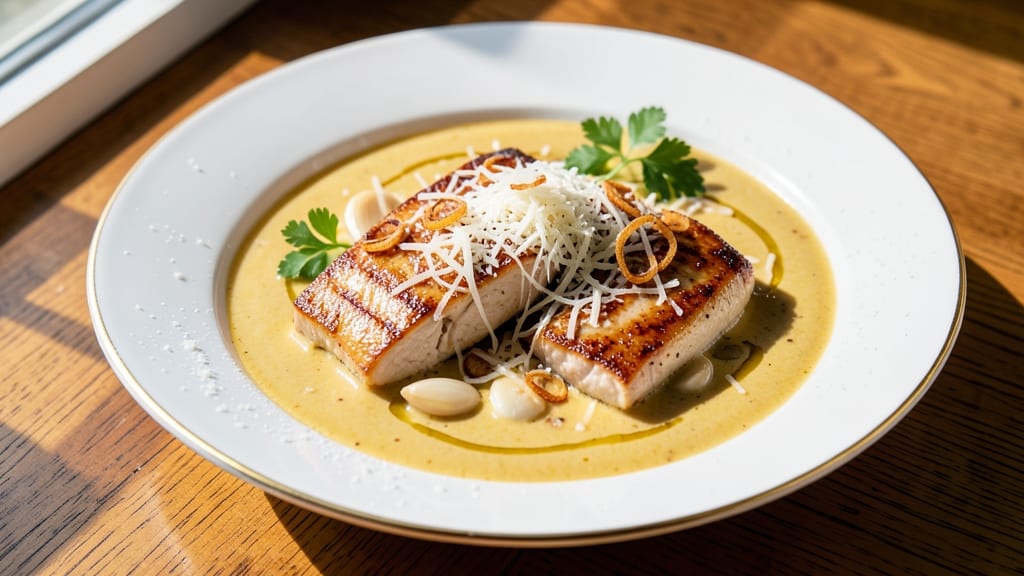
This authentic chicken alfredo sauce recipe delivers restaurant-quality creaminess without a single butter clump in sight. The secret lies in a proper roux and precise emulsification—no heavy cream lumps or grainy cheese here.
I've perfected this technique over years of testing, ensuring every spoonful is velvety smooth with that perfect balance of garlic, parmesan, and rich dairy.
The foundation starts with a classic roux made from butter and flour, cooked until golden but never browned. This creates a stable base that prevents the sauce from breaking when you add the cream and cheese.
Fresh garlic infuses the sauce with aromatic depth, while high-quality parmesan provides that signature nutty, umami flavor that defines authentic alfredo.
What you'll end up with is a luxurious, creamy parmesan emulsion that clings beautifully to pasta or chicken. The sauce maintains its silky texture even when reheated, making it ideal for meal prep. No lumps, no separation—just pure, velvety richness in every bite.
This recipe serves as the perfect base for chicken alfredo dishes, whether you're coating pasta, drizzling over grilled chicken, or using it as a dipping sauce. The technique is straightforward once mastered, and the results are consistently professional. Let's make this sauce!
Ingredients for authentic chicken alfredo sauce
Nine ingredients transform into velvety perfection—no lumps, no separation, just restaurant-style alfredo.
| Ingredient | Amount | Notes |
|---|---|---|
| Unsalted Butter 🧈 | ½ cup | Cold, cubed for roux |
| All-Purpose Flour 🌾 | ½ cup | Sifted for smooth texture |
| Heavy Cream 🥛 | 2 cups | Full-fat for richness |
| Parmesan Cheese 🧀 | 1 ½ cups | Freshly grated, block preferred |
| Garlic Cloves 🧄 | 4 cloves | Minced for aromatic depth |
| Extra-Virgin Olive Oil 🫒 | 1 tbsp | For finishing, fruity variety |
| Salt 🧂 | ½ tsp | Diamond Crystal preferred |
| Black Pepper 🌶️ | ¼ tsp | Freshly ground for heat |
| Nutritional Yeast 🍄 | 1 tbsp | Optional, for umami boost |
The butter and flour form the foundation—this isn't just any roux. European-style butter with high fat content (82%+) works best for that signature richness. King Arthur or Bob's Red Mill flour creates a smoother emulsion. For the Parmesan, Parmigiano-Reggiano from a deli counter is non-negotiable—pre-grated contains anti-caking agents that ruin texture. The garlic should be freshly minced (not jarred) for maximum aroma. Store your butter in the fridge to keep it firm for proper roux formation.
No heavy cream? Half-and-half with an extra tablespoon of cream works in a pinch, but texture suffers. Substituting Parmesan? Pecorino Romano has similar sharpness, but nothing replaces the authentic flavor. Fresh garlic unavailable? Garlic powder at half the amount (1 tsp) adds flavor, though not the same depth. The nutritional yeast is optional but worth the extra tablespoon for that savory umami kick—it's the secret weapon in many professional kitchens. For storage, keep the sauce in an airtight container with a thin layer of plastic wrap pressed directly on the surface to prevent skin formation.
This sauce reheats beautifully—just warm gently on low heat, stirring constantly. It keeps for 5 days in the fridge, though flavor peaks within the first 2 days. For longer storage, freeze in 1-cup portions with a splash of cream to prevent separation. When thawing, reheat slowly over low heat. The emulsion is delicate, so avoid boiling. For meal prep, make a double batch—the extra sauce freezes perfectly for future pasta nights or chicken dinners. Always taste before serving and adjust seasoning with salt or pepper as needed.
Why You'll Love This Recipe
- Pantry-Friendly Magic: I swear by this recipe because it uses stuff you already have—no specialty ingredients, just butter, flour, and cream. That first bloom of garlic in the butter? Pure flavor without the fuss.
- Creamy Without Clumps: Between us, homemade Alfredo is so much better than the jarred stuff. The heavy cream and Parmesan blend into a velvety sauce that coats every bite, no lumps in sight—just rich, dreamy perfection.
- Weeknight & Party Star: This sauce works for both Tuesday dinners and Sunday suppers. Toss it over fettuccine for a quick meal, or drizzle it on roasted chicken for an impressive dish that still feels effortless.
- Leftovers That Last: Make a double batch—it reheats beautifully and tastes just as good the next day. Honestly, I’ve had this sauce three days running, and nobody’s complained (yet). Budget-friendly? Absolutely.
Step-by-step instructions for authentic chicken Alfredo sauce
Here's the professional method for a velvety, lump-free sauce that delivers authentic Italian flavor.
Create a Smooth Roux with Butter and Flour
Melt the 0.5 cup unsalted butter in a medium saucepan over medium-low heat. I like to use cold, cubed butter for better control—it melts gradually without burning. Once fully melted and foaming subsides, whisk in the 0.5 cup all-purpose flour all at once.
Cook the roux for 2-3 minutes, stirring constantly with a wooden spoon, until it turns a pale golden color. This step is crucial—it removes the raw flour taste and creates the sauce's thickening power. If you see any brown spots developing, reduce the heat immediately to prevent burning. The roux should smell nutty but not toasted.
Gradually Add Heavy Cream for Emulsion
Slowly pour in the 2 cups heavy cream while whisking vigorously to prevent lumps. I add it in a thin, steady stream—about ¼ cup at a time—letting each addition fully incorporate before adding more. This gradual approach ensures a silky texture rather than a grainy one.
Once all the cream is incorporated, increase heat to medium-low and simmer for 5-7 minutes, stirring frequently. The sauce should thicken noticeably but still coat the back of a spoon smoothly. Real talk: if it gets too thick too fast, whisk in 1-2 tablespoons of warm water to adjust consistency. The goal is a velvety, pourable texture—not gluey.
Build Flavor with Garlic and Cheese
Add the 4 minced garlic cloves and 1.5 cups freshly grated Parmesan cheese to the sauce. Stir continuously over low heat for 3-4 minutes until the cheese melts completely and the garlic is fragrant but not browned. I always use a fine grater for the Parmesan—it dissolves more smoothly than pre-shredded cheese.
Season with 0.5 tsp salt and 0.25 tsp freshly ground black pepper, then stir in the 1 tbsp nutritional yeast for that authentic umami depth. Taste and adjust seasoning—Alfredo should be rich but balanced, not overly salty or bland. If you prefer extra richness, add another ¼ cup heavy cream at this stage.
Finish with Olive Oil for Stability
Remove the sauce from heat and stir in the 1 tbsp extra-virgin olive oil. This final step is my secret weapon—it stabilizes the emulsion, preventing separation later. The oil also adds a subtle fruity note that complements the cheese.
For the best results, keep the sauce warm in a double boiler or insulated container while you cook your pasta. If you need to reheat later, do so over low heat, stirring constantly to maintain that silky texture. The sauce should remain smooth and glossy, not stringy or broken.
Combine with Pasta (Optional)
Toss the cooked pasta directly in the saucepan with your Alfredo sauce, stirring gently to coat evenly. The residual heat from the pasta will help the sauce cling perfectly. For extra creaminess, reserve ½ cup pasta water and add it 1 tablespoon at a time if needed.
Serve immediately while the sauce is at its peak—creamy, velvety, and perfectly balanced. The key to authentic Alfredo is patience in the process and attention to heat control. This method guarantees a restaurant-quality result without butter clumps or graininess.
Pro Tips For Making Authentic Chicken Alfredo Sauce
- STOP STIRRING LIKE MAD: Once you add the heavy cream, lower the heat to medium-low and let the sauce simmer gently—no need to babysit it. I used to stand there stirring every 30 seconds, but the sauce just gets gloppy. Let it bubble slowly for 5-7 minutes, and only stir once in a while to keep it smooth. The heat’s the real cook here, not your arm.
- GRATE YOUR OWN PARM: Pre-shredded Parmesan has anti-caking agents that turn your sauce into a grainy mess. Grab a box grater and shred your own—freshly, right before adding it to the sauce. If you’re using the block, stick with the fine side of the grater, but don’t go crazy: about 1 cup of grated cheese is enough, or your sauce will taste like cheese and nothing else.
- BLOOM THE FLOUR RIGHT: When you toss in the flour and butter, turn the heat up to medium-high and let it cook for 1-2 minutes until it’s golden—not white, not brown, just a soft golden hue. This step, called blooming, builds flavor. Skip it, and your sauce will taste like a bland roux. (Yes, even if you’re impatient like me.)
- SAVE THE GARLIC: Don’t smash those garlic cloves flat with your knife—mince them finely, almost into a paste. You want the flavor to blend into the sauce, not sit as little almond-shaped chunks. A quick trick: freeze the garlic for 10 minutes first, then mince it while still cold—it’ll be easier, and you’ll get smaller, more even pieces. Trust me, your sauce will taste richer.
Regional styles of these flavors
Classic Italian Style
This is the foundation of authentic Alfredo sauce, originating from Rome where it was traditionally made with just butter, cream, and Parmesan. The Italian version is lighter than American adaptations, using less cheese and more garlic for depth.
I find that Parmigiano-Reggiano from Emilia-Romagna delivers the most authentic flavor profile. The sauce is typically served over fresh egg pasta like tagliatelle or fettuccine, where its natural creaminess clings beautifully. 🧀
Americanized Creamy Version
The Americanized take, popularized in the 1920s, leans heavier on cheese and cream for a richer, more decadent sauce. This version often includes cream cheese or heavy cream blends> to achieve that ultra-smooth texture.
I've found that adding 1/4 cup cream cheese> at the end creates a velvety finish without altering the sauce's balance. This style pairs perfectly with chicken breast> or grilled chicken thighs> for a comforting dish.
Roman-Style Light Alfredo
For a lighter but still luxurious option, the Roman style uses less cream> and more butter for a brighter flavor. I substitute 1 cup whole milk> for half the heavy cream and add an extra 1 tbsp lemon zest> to brighten the sauce.
This version is ideal for health-conscious cooks who still want that signature Alfredo taste. The sauce maintains its creaminess while being slightly tangier and more refreshing. 🍋
Northern Italian Twist
In Northern Italy, particularly Lombardy, Alfredo sauce often incorporates crème fraîche> instead of heavy cream for a tangier, more complex flavor. I like to blend 1 cup crème fraîche> with 1 cup heavy cream> for a balanced texture.
Adding 1/2 tsp white wine> while cooking the roux enhances the sauce's depth. This variation works beautifully with mushroom risotto> or roasted chicken> for an elegant touch.
Modern Fusion Adaptations
For a contemporary twist, I've experimented with adding roasted garlic> or garlic-infused olive oil> to deepen the flavor profile. A splash of white wine> during the roux stage adds acidity that balances the richness.
For a vegetarian option, I blend in 1/4 cup silken tofu**> at the end for added protein without altering the sauce's texture. These modern adaptations keep the sauce fresh while maintaining its creamy essence. 🍷
Nutrition facts
Frequently asked questions
Why does my Alfredo sauce get grainy or clumpy?
Graininess usually happens when cheese melts unevenly or the roux cooks too long. Always use freshly grated Parmesan (never pre-shredded) and cook the roux only until pale golden—2-3 minutes max. For extra smoothness, whisk the sauce constantly while adding cream and cheese. If lumps appear, strain through a fine-mesh sieve for a silky finish.
Can I make this sauce ahead of time?
Yes! Store the sauce in an airtight container with plastic wrap pressed directly on the surface to prevent skin formation. It keeps for 5 days in the fridge, though flavor peaks within 2 days. For longer storage, freeze in 1-cup portions—thaw overnight in the fridge and reheat gently over low heat, stirring constantly. Never microwave directly from frozen.
What's the difference between Alfredo and carbonara?
While both are creamy Italian sauces, Alfredo relies on butter, cream, and Parmesan for richness, while carbonara uses eggs and pecorino cheese whipped with pasta water. Alfredo is smoother and lighter, while carbonara has a more rustic, eggy texture. Both pair well with chicken, but Alfredo's velvety consistency makes it ideal for dipping or drizzling.
How do I adjust the consistency if it's too thick?
If your sauce is too thick, whisk in 1-2 tablespoons of warm water or pasta water while stirring constantly. For a lighter texture, add ¼ cup heavy cream and simmer for 1-2 minutes to re-emulsify. Avoid over-thinning—Alfredo should coat the back of a spoon smoothly but remain pourable. The key is patience during the roux stage to prevent over-thickening.
Can I substitute cream cheese for heavy cream?
Yes, but use it sparingly! Replace ½ cup heavy cream with ¼ cup softened cream cheese blended into the warm sauce at the end. This adds ultra-creamy richness without altering the emulsion. For best results, whisk vigorously until completely smooth. Avoid using more than ⅓ cup total—too much can make the sauce separate when reheated.