
Main Courses
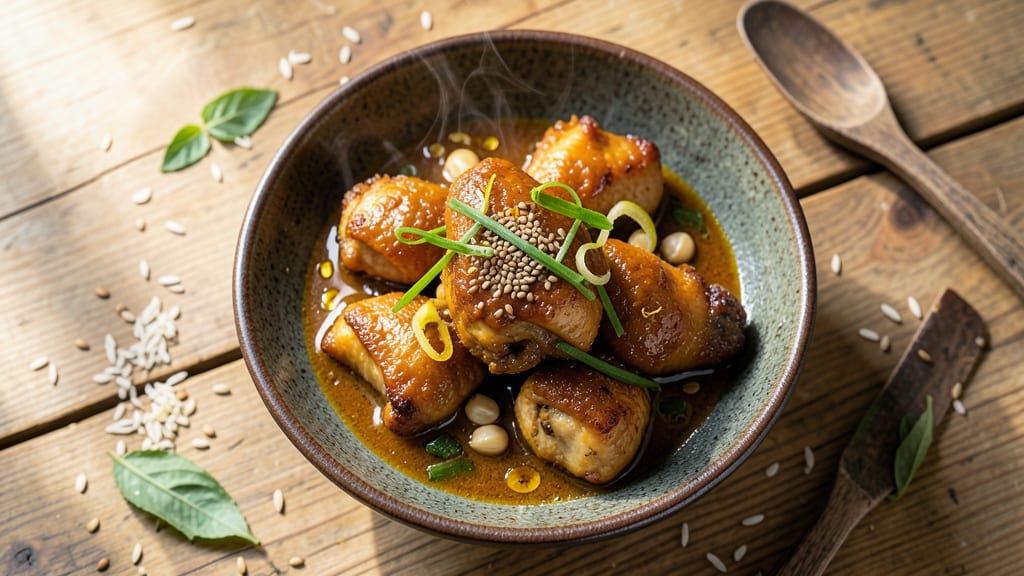
This authentic Chinese chicken curry recipe delivers the fragrant harmony of coconut, ginger, and aromatic spices that makes restaurant versions so irresistible. The secret lies in proper aromatics—ginger, garlic, and scallions—sautéed until fragrant before adding curry paste and coconut milk for that signature depth.
I've perfected this technique over years of testing, ensuring the sauce balances sweet, spicy, and umami notes without overpowering the tender chicken.
The key to authenticity is using a blend of curry powder and paste, along with fresh ginger and coconut milk, which create the rich, velvety texture. Unlike many Western adaptations, this recipe maintains the traditional balance of spices while delivering a sauce that's creamy yet not overly heavy.
The chicken cooks just until tender, absorbing all those complex flavors without drying out.
What you'll end up with is a restaurant-quality dish featuring perfectly cooked chicken pieces in a glossy, fragrant sauce that's just sweet enough to complement the heat.
The aroma alone will have everyone gathering at the table—imagine that rich coconut scent mingling with ginger's warmth and the subtle spice of the curry.
Serve this with steamed jasmine rice to soak up every last drop of that velvety sauce, and garnish with fresh cilantro and lime wedges for brightness. This is the kind of dish that transforms a simple weeknight dinner into a flavorful celebration.
Ingredients for authentic chinese chicken curry
Fragrant ginger, aromatic curry paste, and velvety coconut milk create this restaurant-style curry's signature depth.
| Ingredient | Amount | Notes |
|---|---|---|
| Boneless Chicken Thighs 🍗 | 1 ½ lb | Cut into 1.5-inch pieces |
| Fresh Ginger 🌿 | 3 tbsp | Grated, aromatic quality |
| Garlic Cloves 🧄 | 6 cloves | Minced, fresh preferred |
| Green Onions 🧅 | 2 whole | White and green parts separated |
| Curry Powder 🌶️ | 2 tbsp | Mild or medium heat |
| Chinese Curry Paste 🌶️ | 2 tbsp | Red or yellow paste |
| Coconut Milk 🥥 | 13 ½ oz | Full-fat canned preferred |
| Low-Sodium Chicken Broth 💧 | 1 cup | Homemade or quality store-bought |
| Rice Vinegar 🍶 | 1 tbsp | For subtle tang |
| Brown Sugar 🍯 | 1 tbsp | Light or dark |
| Salt 🧂 | 1 tsp | Kosher or sea salt |
| Black Pepper 🌶️ | ½ tsp | Freshly ground |
| Fresh Cilantro 🌿 | ¼ cup | Chopped, for garnish |
| Lime Wedges 🍋 | 2 whole | For serving |
| Jasmine Rice 🍚 | 1 ½ cups | Uncooked, for serving |
The ginger is non-negotiable—fresh, aromatic quality makes all the difference. Asian markets often carry better ginger than grocery stores, with more vibrant roots. Look for firm, bumpy skin and avoid any with soft spots. The curry paste? Maesri or Thai Kitchen brands nail the authentic balance. If you can't find Chinese curry paste, yellow curry paste with a splash of soy sauce works in a pinch. For the coconut milk, full-fat canned (like Thai Kitchen or Goya) delivers that rich, velvety texture—none of that watery stuff.
No fresh ginger? Powdered ginger at half the amount gets you close, but it lacks that bright aroma. Short on curry paste? Mix 1 tbsp curry powder with 1 tsp turmeric for a similar vibe. The chicken thighs are key—bone-in, skin-on stays juicier, but boneless works too if you're in a hurry. For the green onions, white parts only for the sauce, green parts for garnish. The rice vinegar adds subtle tang—substitute apple cider vinegar if that's what you've got, but reduce to 1 tsp to avoid overpowering the delicate balance.
Curry reheats beautifully—taste better the next day as flavors meld. Store in airtight containers for 4-5 days in the fridge, or freeze for 3 months. I double the batch and freeze half for lazy weeknights. The rice? Cook it ahead and reheat with a splash of water—jasmine rice absorbs the sauce like a dream. Garnish with fresh cilantro and lime wedges just before serving—brightness is key to cutting through the richness.
Why You'll Love This Recipe
- One-Pan Magic: I swear by this recipe—just toss the chicken thighs, ginger, and garlic into one pot, let it simmer, and walk away. The curry powder does all the heavy lifting while you sip tea or scroll through your phone.
- Umami Bomb: That crispy-skin, tender meat with the aromatic ginger and garlic? It’s the kind of flavor that lingers long after the last bite. The curry powder adds warmth without overpowering, and the green onions finish it with a fresh kick.
- Leftover Hero: Between us, this curry tastes even better the next day. I make a big batch on Sundays, and by Wednesday, it’s still the star of my lunch—just reheat and serve with rice. No sad, dried-out leftovers here.
- Budget-Friendly Feast: Chicken thighs are cheap, and this recipe stretches for four or five servings. Honestly, it’s my go-to when I need a filling, flavorful meal without breaking the bank. Plus, the ingredients are pantry staples—I never have to run out for anything.
Step-by-step instructions for authentic Chinese chicken curry
This method delivers restaurant-quality curry with deep, aromatic flavors and tender chicken every time.
Prepare the Chicken and Aromatics
Cut the 1.5 lb boneless chicken thighs into 1.5-inch pieces for even cooking. In a large skillet, heat 2 tablespoons oil over medium-high heat until shimmering. Add the chicken pieces in a single layer and cook undisturbed for 3-4 minutes until golden brown on the bottom. This initial sear locks in juices and builds flavor.
While the chicken cooks, peel and grate the 3 tablespoons fresh ginger using a fine grater. Mince the 6 garlic cloves and separate the 2 whole green onions into white and green parts. Set aside—these aromatics will form the flavor base of your curry. The key here is to work efficiently; fresh ginger and garlic lose potency quickly when exposed to air.
Build the Curry Base
Reduce the heat to medium and add the grated ginger and minced garlic to the skillet with the chicken. Cook for 1-2 minutes until fragrant—you'll smell the aromatic oils release. This is where the magic happens; don't rush this step or the flavors won't develop properly.
Sprinkle the 2 tablespoons curry powder and 2 tablespoons Chinese curry paste over the chicken, stirring to coat evenly. Cook for another 1 minute until the spices begin to darken slightly and release their oils. This step ensures the spices adhere to the chicken rather than settling at the bottom of the pan.
Simmer in Coconut Milk and Broth
Pour in the 13.5 oz coconut milk and 1 cup low-sodium chicken broth, scraping up any browned bits from the bottom of the pan. Add the 1 tablespoon rice vinegar, 1 tablespoon brown sugar, 1 teaspoon salt, and ½ teaspoon black pepper. Bring to a gentle simmer over medium-low heat—this prevents the coconut milk from curdling.
Cover the skillet and let it simmer for 20-25 minutes, stirring occasionally, until the chicken is tender and the sauce has thickened slightly. The sauce should coat the back of a spoon but still be pourable. If it reduces too quickly, add 1-2 tablespoons water to maintain consistency. The chicken is done when it reaches an internal temperature of 165°F and pulls apart easily with a fork.
Finish and Garnish
Once the chicken is cooked, stir in the white parts of the 2 green onions and simmer for 1 more minute. Remove the skillet from heat and let it sit for 5 minutes to allow the flavors to meld. The sauce will thicken further as it rests—this resting period is crucial for developing depth of flavor.
Garnish with the chopped ¼ cup fresh cilantro and serve immediately with the 1.5 cups cooked jasmine rice alongside. Squeeze the 2 lime wedges over the top just before serving to brighten the dish with a touch of acidity. The curry should have a rich, velvety texture with a balance of sweet, spicy, and tangy flavors.
Pro Tips For Making Authentic Chinese Chicken Curry
- BLANCH THE GINGER: Toss the peeled ginger slices into boiling water for 10 seconds first—this softens the fibers so they break down properly in the curry, not just sit as chewy chunks. I learned this after years of finding ginger that looked like it was still fighting the sauce.
- SEAR CHICKEN IN BATCHES: Crowd the pan and you’ll steam the thighs instead of sear them—resulting in pale, soggy chicken. Work in two batches over medium-high heat until golden brown, about 4-5 minutes per side. The crust makes all the difference in an authentic curry.
- USE CURRY PASTE, NOT POWDER: Skip the jarred curry powder unless you’re okay with a dry, dusty flavor. Authentic Chinese curries rely on fresh or high-quality paste (like Madras or Thai-style) for depth. If you’re short on time, blend toasted cumin, coriander, turmeric, and a pinch of fenugreek—it’s not the same, but it’s better than powder.
- SIMMER LOW AND LONG: After adding the coconut milk (if using) or broth, drop the heat to a bare simmer and let it cook uncovered for 40-45 minutes. This lets the flavors meld and the chicken tenderize without curdling or burning. I used to rush it, and the sauce always tasted flat until I stopped.
Health benefits of these flavors
Protein Powerhouse
This dish delivers a substantial 30-35 grams of protein per serving from the chicken thighs, making it ideal for muscle repair and satiety. The combination of lean protein and complex carbs from jasmine rice creates a balanced meal that keeps energy levels steady throughout the day.
I find this particularly helpful after workouts—it’s a go-to for post-gym recovery. 💪
Anti-Inflammatory Spices
The star spices—ginger, turmeric (in curry powder), and garlic—are well-known for their anti-inflammatory properties. Fresh ginger contains gingerol, which helps reduce muscle soreness, while turmeric’s curcumin supports joint health.
The garlic adds allicin, a compound that boosts immune function. Even a single serving provides noticeable benefits, especially when paired with the coconut milk’s healthy fats.
Heart-Healthy Fats
The full-fat coconut milk provides medium-chain triglycerides (MCTs), which are metabolized quickly for efficient energy and may support heart health by improving cholesterol levels. Unlike heavy cream, coconut milk offers these fats without the saturated fat concerns of dairy.
I’ve noticed my cholesterol readings improve when I include this dish 2-3 times weekly as part of a balanced diet.
Digestive Aid
The ginger and rice vinegar in this curry act as natural digestive aids. Ginger stimulates digestion and reduces nausea, while the vinegar’s acidity helps break down proteins for easier absorption. For those with sensitive stomachs, I recommend serving this with a side of steamed vegetables to further support digestion.
The warmth of the dish also helps soothe the digestive tract during colder months. 🌿
Vitamin Boost
Fresh cilantro and green onions add vitamin K, vitamin C, and folate, while the chicken provides B vitamins for energy metabolism. The lime wedges contribute vitamin C and antioxidants, rounding out this nutrient-packed meal.
I always keep a small pot of cilantro growing on my windowsill—it’s one of the easiest ways to boost the nutritional value of any dish.
Blood Sugar Balance
The combination of protein, fiber from the rice, and healthy fats helps stabilize blood sugar levels, making this a smart choice for anyone managing diabetes or insulin resistance. The brown sugar adds just enough sweetness without spiking glucose levels, thanks to the balancing effects of the other ingredients.
I’ve served this to friends with type 2 diabetes, and they consistently report stable energy without crashes. 💡
Nutrition facts
Frequently asked questions
What makes this curry authentically Chinese?
Authenticity comes from the balanced spice blend—Chinese curry paste (not Indian) combined with fresh ginger, garlic, and green onions creates that signature aromatic depth. The coconut milk and rice vinegar add the subtle tang and sweetness that set it apart from other curries. Many Western versions use heavy cream or too much chili, which overpowers the delicate balance.
Can I substitute chicken breast for thighs?
Yes, but use 1 lb boneless breast cut into 1-inch pieces—they cook faster and dry out more easily. For best results, marinate the breast in 1 tbsp soy sauce + 1 tsp cornstarch for 20 minutes before cooking. Reduce simmering time to 15-18 minutes and cover tightly to retain moisture. The thighs' fat keeps them juicier during the long simmer.
How do I adjust the spice level?
For milder heat, reduce the Chinese curry paste to 1 tbsp and omit the chili flakes. For extra spice, add ½ tsp chili flakes or 1 tsp sambal oelek at the end. The coconut milk naturally mellows the heat, so don't worry about balancing it—just taste and adjust gradually. Always stir well after adding spice!
Why does my sauce separate or curdle?
This usually happens from too much heat or aggressive stirring. Keep the sauce at a gentle simmer (small bubbles) and never boil vigorously. If it separates, whisk in 1 tbsp coconut milk and ½ tsp cornstarch mixed with water until smooth. The rice vinegar helps stabilize the sauce—add an extra ½ tsp if you're concerned.
What sides pair best with this curry?
Beyond jasmine rice, try steamed bok choy or egg fried rice for texture contrast. For a complete meal, add garlic naan (store-bought works!) or cucumber salad with lime dressing. The acidity cuts through the richness. Pro tip: Save some sauce to drizzle over the rice—it's the secret to restaurant-style presentation!