
Main Courses
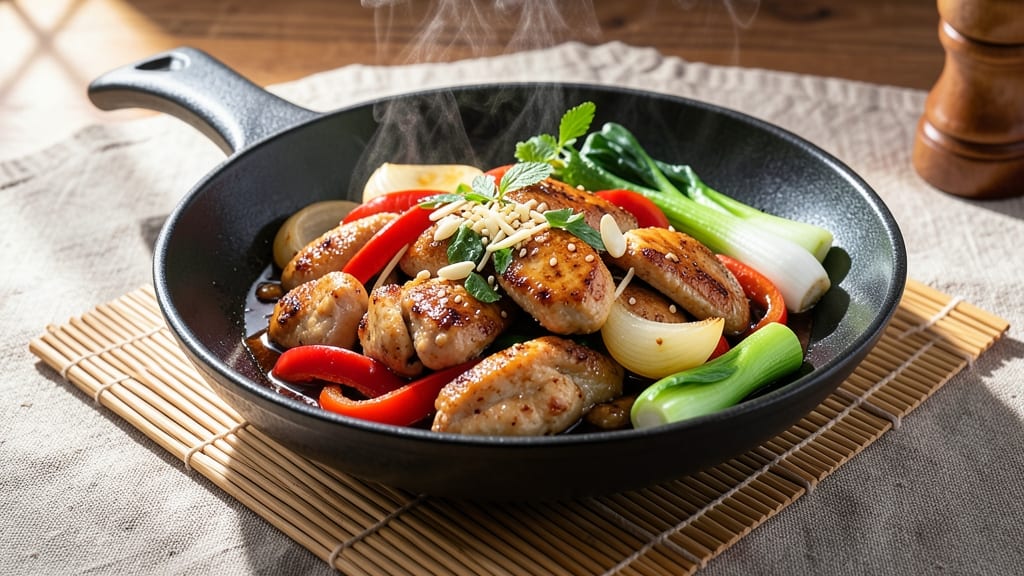
This authentic Chinese chicken stir fry delivers the smoky, umami-packed flavors of a Cantonese wok hei in just 20 minutes—no takeout required. The secret lies in high-heat technique and a balanced sauce of soy, oyster, and garlic, creating that signature wok char and tender-crisp texture.
I’ve refined this recipe over years of testing, ensuring every bite delivers the restaurant-quality depth home cooks crave without the fuss.
The foundation starts with properly cut chicken and fresh vegetables—bell peppers, onions, and bok choy—tossed in a sauce that marries soy sauce’s saltiness with oyster sauce’s richness and a touch of cornstarch for that signature glossy finish.
The wok hei (breath of the wok) isn’t just a technique; it’s the soul of the dish, achieved by searing ingredients at maximum heat and working quickly. This isn’t just stir-fry—it’s a flavor explosion in every bite.
What makes this recipe truly authentic is the balance: tender chicken, crisp-tender vegetables, and a sauce that’s savory, slightly sweet, and perfectly umami. The high-heat method locks in juices while creating those coveted charred edges, all while keeping the dish light enough to pair with steamed rice or noodles.
No shortcuts here—just the real deal, simplified for your home kitchen.
Ready to transform your weeknight dinner? This stir fry is foolproof for beginners but packed with professional techniques to elevate your cooking game. Let’s get started—your taste buds will thank you.
Ingredients for authentic chinese chicken stir fry
Authentic Cantonese flavors start with these carefully selected ingredients for restaurant-quality stir fry.
| Ingredient | Amount | Notes |
|---|---|---|
| Boneless Chicken Breast 🍗 | 1 ½ lb | Cut into 1-inch strips |
| Red Bell Pepper 🍅 | 1 whole | Sliced into thin strips |
| Yellow Onion 🧅 | 1 whole | Cut into half-moons |
| Bok Choy 🥬 | 2 whole | Quartered lengthwise |
| Garlic Cloves 🧄 | 6 cloves | Minced finely |
| Fresh Ginger 🌿 | 2 tbsp | Grated finely |
| Light Soy Sauce 🥄 | 3 tbsp | Kikkoman preferred |
| Oyster Sauce 🍜 | 2 tbsp | High-quality brand |
| Cornstarch 🌾 | 1 tbsp | For sauce thickening |
| Vegetable Oil 🫒 | 3 tbsp | High smoke point |
| Sesame Oil 🫒 | 1 tsp | For finishing |
| White Pepper 🌶️ | ¼ tsp | Freshly ground |
| Green Onions 🧅 | 3 whole | Sliced for garnish |
| Sesame Seeds 🌾 | 1 tsp | Toasted lightly |
The chicken is non-negotiable—look for boneless, skinless breasts with minimal fat for even cooking. Kroger or Whole Foods carry high-quality cuts, but any supermarket will work. Trim any visible fat to prevent splattering during the high-heat sear. Bok choy should be firm with crisp stems—avoid wilted leaves. For the garlic and ginger, freshly minced delivers the most authentic flavor; pre-minced jars lack punch. The soy sauce matters too—Kikkoman or Lee Kum Kee are industry standards for that balanced umami-salt profile.
No oyster sauce? Substitute with 1 tbsp hoisin plus 1 tsp fish sauce—it won’t be identical but works in a pinch. Fresh ginger too strong? Use 1 tsp ground ginger at half the amount. The cornstarch is crucial for that signature glossy finish—arrowroot powder works too if you’re avoiding gluten. For the oil, avocado or peanut oil handles the heat better than olive oil. Sesame oil should be toasted, not flavored—look for the clear variety at Asian markets. Swap bell peppers for broccoli florets if you prefer, but the sweetness balances the umami perfectly.
Prep ingredients in stages: slice vegetables first, then mince garlic/ginger while chicken rests. Keep everything at room temperature for even cooking. The sauce will thicken as it cooks—add water 1 tbsp at a time if needed. Store leftovers in airtight containers for 3-4 days; reheat gently over low heat with a splash of water to restore moisture. For meal prep, double the sauce and freeze in ice cube trays—perfect for quick stir-fry boosts later.
Why You'll Love This Recipe
- I’ll be real: this recipe is my go-to for packed lunches. The leftovers reheat like a dream (seriously, just toss them in a skillet for 2 minutes), and the mix of textures—crunchy bell pepper, silky chicken, crisp bok choy—holds up for days. Bonus? It’s the one meal my picky-eating kid actually finishes.
- One-Pan Magic: Between us, this stir-fry is the kind of recipe that makes you question why you ever used more than one pan. Toss in the chicken, peppers, and onions—all sliced in 10 minutes flat—then let the garlic and bok choy wilt right over the high heat. No washing extra dishes, no stress.
- Garlic Bomb: Honestly, the moment that minced garlic hits the wok, you’ll forget this is "healthy." It sizzles into a fragrant paste that clings to the chicken, turning every bite into a little flavor explosion. The bok choy soaks it up like a sponge, but the real star? That crisp-tender edge on the chicken—juicy inside, slightly charred out.
- Lunchbox Hero: I’ll be real: this recipe is my go-to for packed lunches. The leftovers reheat like a dream (seriously, just toss them in a skillet for 2 minutes), and the mix of textures—crunchy bell pepper, silky chicken, crisp bok choy—holds up for days. Bonus? It’s the one meal my picky-eating kid actually finishes.
Step-by-step instructions for authentic Chinese chicken stir fry
Master the wok hei technique with this precise method for restaurant-quality stir fry.
Prep Ingredients for Optimal Texture
Slice the 1.5 lb boneless chicken breast into 1-inch strips—cut against the grain for maximum tenderness. Trim the red bell pepper into thin strips and slice the yellow onion into half-moons. Quarter the bok choy lengthwise, keeping the stalks intact for structure. Finely mince the 6 cloves garlic and grate the 2 tbsp fresh ginger using a microplane for maximum aromatic release.
Toast the 1 tsp sesame seeds in a dry skillet over medium heat for 1 minute until fragrant and golden. This enhances their nutty flavor. Keep all prepped ingredients in separate bowls until ready to cook—this is essential for the quick stir-fry technique where everything must cook simultaneously.
Create the Velvety Sauce Base
In a small bowl, whisk together the 3 tbsp light soy sauce, 2 tbsp oyster sauce, 1 tbsp cornstarch, and 0.25 tsp white pepper. The cornstarch acts as a natural thickener, creating that signature glossy finish. Set aside—this sauce will transform from thin to silky as it cooks.
In a separate bowl, mix the 1 tsp sesame oil with 1 tbsp vegetable oil. This combination prevents the sesame oil from burning while adding its distinctive aroma. Keep this mixture separate until the final step to preserve its delicate flavor.
Stir-Fry Chicken Until Fully Cooked
Heat a 14-inch wok or large skillet over high heat until a drop of water sizzles violently. Add the remaining 2 tbsp vegetable oil and swirl to coat. Add the chicken strips in a single layer and let them sear undisturbed for 1-2 minutes until the edges turn opaque white—this prevents them from sticking and ensures even cooking.
Stir constantly with a pair of tongs for 2-3 minutes until the chicken is fully cooked through (internal temperature 165°F). Remove the chicken to a clean plate and set aside. The high heat and constant motion create that signature wok hei—smoky aroma and crisp texture.
Cook Vegetables in Stages for Perfect Texture
In the same wok, add the yellow onion and red bell pepper strips. Stir-fry for 1 minute until the onions soften slightly but retain their bite. Add the garlic and ginger, cooking for 30 seconds until fragrant—this releases their essential oils and forms the aromatic base.
Return the chicken to the wok along with the bok choy. Pour in the sauce mixture and toss vigorously for 1-2 minutes until everything is evenly coated and the sauce thickens. The vegetables should be crisp-tender—bright green bok choy with slight resistance when bitten.
Finish with Sesame Oil and Garnish
Remove the stir-fry from heat and immediately drizzle the sesame oil mixture over the top. Toss gently to distribute evenly—this adds depth of flavor without overpowering. Sprinkle with the toasted sesame seeds and sliced green onions for color and freshness.
Serve immediately over steamed jasmine rice to capture that signature wok hei aroma. Each bite should deliver perfectly cooked chicken with crisp vegetables, glossy sauce, and layers of umami from the soy and oyster sauces. The dish should be hot and vibrant—ready to eat within 20 minutes of starting.
Pro Tips For Making Authentic Chinese Chicken Stir Fry
- Slice Chicken Thin: I learned this the hard way—thick, uneven slices mean chewy chicken in stir-fry. Use a sharp knife and slice breast against the grain into ¼-inch strips. If they look wobbly, pound them lightly with a rolling pin first (yes, even if you're impatient like me).
- Prep Onion Like Pro: Skip the messy chopping—slice the yellow onion into ¼-inch semi-circles, then cut each slice into thin matchsticks. This keeps it crisp longer and cooks faster than dice. (Bonus: No sad, soggy onion bits in your stir-fry.)
- Cook in Two Batches: Crowding your pan? Big mistake. Chicken releases moisture, and suddenly you're steaming instead of stir-frying. Cook half the chicken first, then remove it while you prep the rest. Your wok will thank you—crispy edges and juicy meat every time.
- Salt Chicken Before Stir-Fry: Don’t wait until the end—toss the chicken strips with ½ teaspoon salt and 1 teaspoon cornstarch before hitting the pan. This locks in moisture and gives you that perfect tender-yet-firm texture. (I skip this, and the chicken ends up dry. You’re warned.)
Flavor customization for this recipe
Spicy Sichuan Kick
Transform your stir fry into a fiery Sichuan classic by adding 1 tbsp Sichuan peppercorns (toasted and ground) and 1 tsp chili bean paste to the sauce. The peppercorns create that signature numbing heat, while chili bean paste adds depth.
Toss in ½ cup sliced Thai basil at the end for a fresh, aromatic finish. Serve with extra chili oil on the side for those who crave more heat. 🌶️
Sweet and Tangy Cantonese Twist
For a sweeter, more balanced flavor profile, add 1 tbsp honey or agave syrup to the sauce along with 1 tsp rice vinegar. This variation mirrors the flavors of Hong Kong-style stir fries, where sweetness balances the umami.
Garnish with crispy fried shallots for extra crunch and texture contrast. The honey caramelizes slightly during cooking, adding a beautiful gloss to the dish.
Garlic and Ginger Boost
Double the garlic to 12 cloves and ginger to 3 tbsp for an extra aromatic punch. Sauté them for 45 seconds until golden brown before adding other vegetables—this deepens their flavor and creates a more complex base.
Add a pinch of ground white pepper to enhance the earthy notes. This version is perfect for garlic lovers who want that bold, punchy flavor in every bite.
Vegetarian Adaptation
Replace the chicken with 1 lb extra-firm tofu (pressed and cubed) or 1.5 lbs shiitake mushrooms (sliced). For tofu, marinate in 1 tbsp soy sauce + 1 tsp cornstarch for 15 minutes before cooking.
Use the same sauce ratio but add 1 tsp vegetarian oyster sauce (or 1 tbsp hoisin sauce) to maintain depth. The mushrooms absorb the sauce beautifully, creating a rich, meaty texture.
Smoky BBQ Fusion
Infuse your stir fry with smoky BBQ flavors by adding 1 tbsp smoked paprika to the sauce and finishing with 2 tbsp BBQ sauce (like Sweet Baby Ray's Original) at the end. Swap the sesame oil for 1 tsp liquid smoke> for an extra smoky depth.
Garnish with pickled red onions for tangy contrast. This fusion brings a bold, smoky-sweet twist to the classic dish.
Herb-Infused Freshness
Brighten the dish with 2 tbsp chopped cilantro and 1 tbsp Thai basil stirred into the sauce. Add ½ tsp fish sauce> (or soy sauce for vegetarian) to enhance umami. Finish with a squeeze of lime juice and extra herbs for a refreshing, herb-forward version.
This works especially well with shrimp or tofu as the protein base, creating a lighter, more vibrant flavor profile.
Nutrition facts
Frequently asked questions
Can I use chicken thighs instead of breasts?
The recipe calls for breasts to keep the texture tender and even, but you can use boneless, skinless thighs if you prefer. Cut them into 1-inch pieces and cook for 3-4 minutes until golden and fully cooked (165°F). Thighs are more forgiving and stay juicier, but they’ll be slightly richer in flavor. Adjust cooking time to avoid overcooking.
What’s the best way to achieve wok hei at home?
Wok hei (breath of the wok) comes from high heat and quick cooking. Use a 14-inch wok or deep skillet over maximum heat—a drop of water should sizzle violently. Keep ingredients moving constantly with a spatula or tongs, and work in batches if needed. The smoky aroma develops from the Maillard reaction as ingredients sear. A cast-iron skillet works well if you don’t have a wok.
Can I make this stir fry ahead of time?
It’s best served fresh, but you can prep components ahead. Marinate the chicken in 1 tbsp soy sauce + 1 tsp cornstarch for 30 minutes before cooking. Store prepped veggies in airtight containers for 2 days. Reheat gently over low heat with a splash of water to restore moisture. For leftovers, reheat in a wok or skillet—microwaving can make the sauce watery.
Why does my stir fry taste bland?
Blandness usually comes from low heat or insufficient sauce reduction. Ensure your wok is ripping hot before adding oil. Taste the sauce before tossing—it should be salty and slightly sweet. If needed, add ½ tsp fish sauce or a pinch of sugar. Fresh garlic and ginger are key—use 6 cloves minced and 2 tbsp grated ginger for maximum flavor. Don’t overcrowd the pan!
What’s the secret to crisp-tender vegetables?
Cook vegetables in stages and use high heat. Start with onions and bell peppers (1 minute), then add bok choy last (30-60 seconds) to preserve crispness. Overcrowding steams veggies instead of searing. For extra crunch, add ½ cup snap peas or broccoli florets—they hold their texture best. Stir constantly to prevent sogginess from residual moisture.