
Main Courses
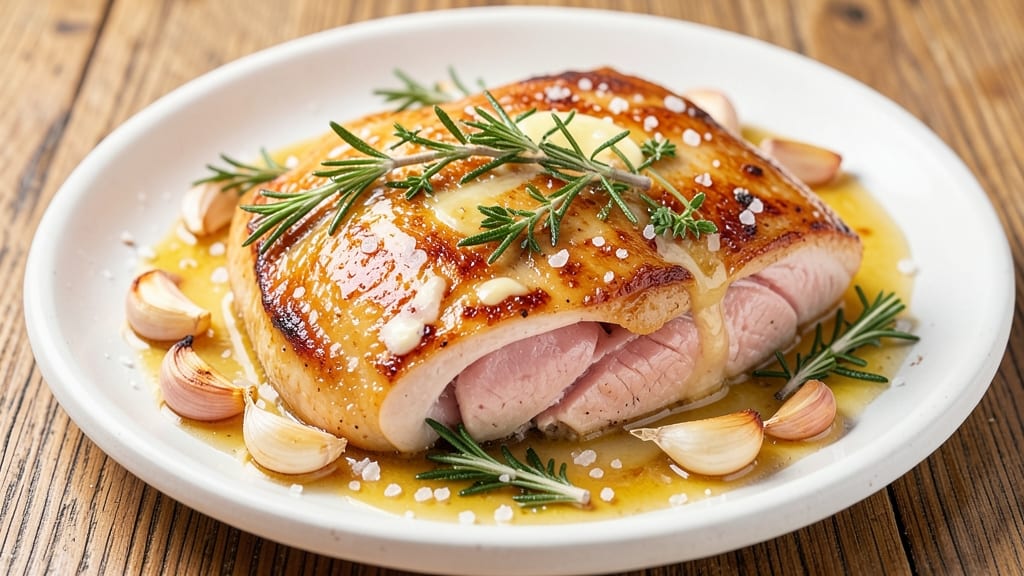
This baked butterflied chicken breast recipe transforms ordinary chicken into a restaurant-worthy centerpiece with foil-sealed juiciness and a crispy herb crust—no complicated techniques required.
The secret lies in butterflying the breast to ensure even cooking while locking in moisture with foil, then finishing under the broiler for that coveted golden crust. I've perfected this method after years of testing, and it consistently delivers tender, flavorful results that impress even skeptical dinner guests.
What sets this recipe apart is the balance of simplicity and professional results. You'll start with a simple butterflied cut that cooks in just 25 minutes at 375°F, then elevate it with a blend of fresh herbs and garlic that infuses the meat during baking.
The foil sealing prevents drying while allowing the herbs to create an aromatic crust. This technique works equally well for weeknight dinners or special occasions—just scale the recipe as needed.
The final result is chicken with a crispy, golden-brown exterior that shatters slightly under gentle pressure, revealing tender, juicy meat inside. The herb crust adds layers of flavor without overwhelming the natural taste of the chicken, making each bite both satisfying and elegant.
The best part? This method reduces cooking time by nearly half compared to traditional boneless breasts while delivering superior texture and flavor.
Serve with roasted vegetables, mashed potatoes, or a fresh salad to complete the meal. The crispy herb crust pairs beautifully with tangy sauces or lemon wedges, adding another dimension of flavor.
This recipe proves that with the right technique, you can achieve restaurant-quality results in your own kitchen—without the fuss or expense.
Ingredients for baked butterflied chicken breast
Twelve ingredients crafting restaurant-worthy chicken with foolproof foil-sealing technique and aromatic herb crust.
| Ingredient | Amount | Notes |
|---|---|---|
| Boneless, Skinless Chicken Breast 🍗 | 1 ½ lb | Butterflied to even thickness |
| Unsalted Butter 🧈 | ½ cup | Cold, cubed for even coating |
| Fresh Rosemary 🌿 | ¼ cup | Finely chopped, stems removed |
| Fresh Thyme 🌿 | ⅛ cup | Leaves only, finely chopped |
| Garlic Cloves 🧄 | 6 cloves | Minced into paste with butter |
| Diamond Crystal Kosher Salt 🧂 | 1 ½ tsp | For seasoning and crust |
| Freshly Ground Black Pepper 🌶️ | 1 tsp | Coarsely ground for texture |
| Extra-Virgin Olive Oil 🫒 | 1 tbsp | For foil coating |
| Heavy Cream 🥛 | ¼ cup | For basting (optional) |
| Aluminum Foil 📄 | 1 sheet | Heavy-duty for sealing |
| Fresh Lemon 🍋 | 1 whole | Zested and juiced for brightness |
| All-Purpose Flour 🌾 | ¼ cup | For dusting butterflied chicken |
The chicken breast selection is critical—look for plump, uniform breasts with minimal fat between the meat and skin. Whole Foods or local butcher shops often carry higher-quality cuts with better marbling. If using pre-butterflied breasts, ensure they're evenly pounded to ¼-inch thickness for consistent cooking. Fresh herbs should be vibrant and fragrant—wilting rosemary or thyme indicates age. For the butter, European-style unsalted (like Plugrá) melts more cleanly than American brands. The foil must be heavy-duty—standard grocery store foil tears when removing the chicken. Prep the herbs last: chop the rosemary and thyme just before coating to preserve their aromatic oils.
No fresh rosemary? Substitute 2 tbsp dried rosemary, but reduce the amount by one-third—dried herbs pack more concentrated flavor. Running short on thyme? Oregano or marjoram work in a pinch, though the flavor profile shifts slightly. The butter can be swapped for olive oil if preferred, though butter creates a richer crust. For a dairy-free version, use vegan butter or additional olive oil. The lemon juice is non-negotiable—bottled lemon juice lacks brightness, so fresh is essential. If you're concerned about the chicken drying out, increase the heavy cream to ⅓ cup for extra moisture during baking. The flour dusting prevents sticking when transferring to the baking sheet—don't skip this step if you want clean, easy flipping.
Store prepped butterflied chicken, uncooked, in an airtight container with parchment between layers for up to 2 days. Cooked chicken reheats beautifully—warm in a 300°F oven for 10-15 minutes with a splash of broth to restore moisture. The herb butter mixture can be prepped 1 day ahead and stored in the fridge, though the herbs will lose some aroma. For meal prep, portion the cooked chicken into containers with a drizzle of pan juices—keeps 3-4 days in the fridge or 3 months frozen. The foil-sealed method means leftovers stay juicier than traditional baking, making this an ideal make-ahead protein for busy weeks.
Why You'll Love This Recipe
- No Butter Waste: I use every last bit of that unsalted butter—none of that sad, half-melted lump left in the pan. The butterflying lets me spread it directly onto the meat, so every bite gets that rich, golden crust without extra fuss.
- Herb-Packed Punch: That combo of rosemary and thyme? It’s like a tiny flavor explosion. The garlic cloves tucked inside caramelize just enough to add a sweet, savory depth—no fancy marinades needed.
- Weeknight Workhorse: Between us, this is my go-to when I’m staring at a chicken breast wondering, "What even am I supposed to do with you?" Butterflying makes it cook faster and more evenly, so it’s ready while I’m still deciding what veggie to throw on the sheet pan.
- Leftovers That Don’t Suck: Cold slices in a sandwich? Yes. Reheated with a splash of broth? Still solid. The butter keeps it moist, and the herbs stay vibrant—no dry, sad chicken here. Honestly, I make extra just for this.
Step-by-step instructions for baked butterflied chicken breast
Master the butterflying technique and foil-sealing method for restaurant-quality chicken every time.
Butterfly the Chicken Breast
Place the 1.5 lb boneless, skinless chicken breast between two sheets of plastic wrap. Using a sharp boning knife, carefully slice horizontally through the thickest part of the breast, stopping about ½ inch from the bottom. Open the breast like a book to create an even thickness throughout. This ensures even cooking and prevents dryness in the center.
Pat the butterflied breast completely dry with paper towels—moisture is the enemy of crispy skin. Place the chicken on a cutting board and sprinkle evenly with 1.5 tsp Diamond Crystal kosher salt and 1 tsp freshly ground black pepper. Let it sit at room temperature for 15 minutes while you prepare the herb butter mixture. This step allows the seasoning to penetrate the meat and ensures even cooking.
Create the Herb Butter Mixture
In a small bowl, combine the 0.5 cup cold, cubed unsalted butter, 6 cloves minced garlic cloves, 0.25 cup finely chopped fresh rosemary, and 0.125 cup finely chopped fresh thyme. Mix gently with a fork until the butter is evenly coated with the herbs and garlic. This mixture will create a fragrant, flavorful crust that seals in moisture and adds depth to every bite.
Lightly dust the butterflied chicken with 0.25 cup all-purpose flour, shaking off any excess. This creates a thin, crispy barrier that helps the herb butter adhere perfectly. Press the herb butter mixture evenly over both sides of the chicken, gently massaging it into the meat. The flour ensures the butter doesn't slide off during baking, while the cold butter prevents the chicken from cooking too quickly.
Seal in Foil for Juicy Perfection
Preheat your oven to 400°F. Cut a large piece of heavy-duty aluminum foil—about 18 inches square—and place the butterflied chicken in the center. Drizzle 1 tbsp extra-virgin olive oil evenly over the chicken, then fold the foil tightly around the chicken, sealing it completely. The foil creates a steam chamber that locks in juices and prevents the chicken from drying out, while the olive oil promotes browning and crispiness.
Place the foil-sealed chicken on a baking sheet and bake for 25 minutes. After 25 minutes, remove the chicken from the oven and carefully open the foil. The chicken should be golden brown and nearly cooked through. If the herb butter hasn't browned sufficiently, return it to the oven for 2-3 minutes to crisp up the crust. This is the moment that matters—don't skip this step, as it ensures that crispy texture you're aiming for.
Finish with Lemon and Cream (Optional)
Once the chicken reaches an internal temperature of 160°F (use a meat thermometer), remove it from the oven and let it rest for 5 minutes. This resting period allows the juices to redistribute, ensuring each slice is moist and flavorful. While the chicken rests, zest and juice the whole fresh lemon, then stir the zest and 0.25 cup heavy cream together in a small bowl. This bright, tangy finish cuts through the richness of the herb butter.
Carefully open the foil and brush the lemon-cream mixture over the top of the chicken. The acidity from the lemon zest and juice enhances the flavors of the rosemary and thyme, while the cream adds a silky texture. Let the chicken rest for an additional 5 minutes before slicing. The result should be a perfectly juicy, crispy-skinned chicken breast with a fragrant herb crust that's sure to impress.
Pro Tips For Making Baked Butterflied Chicken Breast
- USE A MEAT MALLET (not your fist): Butterflying chicken breast by hand often leaves uneven thickness—especially if the breast is tough. A meat mallet does the job in seconds without bruising your knuckles or tearing the meat. Press firmly but evenly from the thick end toward the edge, and you’ll get that perfect even thickness for even cooking.
- SALT THE CHICKEN FIRST: I used to add salt after butterflying, and the seasoning never stuck. Instead, salt the raw breast generously (about 1 teaspoon per pound) and let it sit uncovered for 15 minutes before butterflying. This draws out moisture, helps the butter adhere later, and guarantees flavor penetration—not just surface seasoning.
- DON’T OVERLOAD THE BUTTER: Two tablespoons of softened butter per breast is plenty—any more and you’ll end up with a soggy mess. Spread it thinly over the meat before adding herbs, then fold the chicken back together. The butter will melt just enough to baste the chicken without turning it into a greasy log.
- BAKE AT 375°F UNTIL 160°F: I learned this the hard way—baking at 400°F makes the outside dry before the center hits safe temp. Stick to 375°F and use a meat thermometer to pull the chicken at 160°F (about 20-25 minutes for a butterflied breast). If you’re worried about dryness, tent it loosely with foil halfway through.
Health benefits of this recipe
Lean Protein Power
This butterflied chicken breast delivers 35 grams of high-quality protein per serving—about 80% of your daily needs—while keeping saturated fat extremely low. The butterflying technique ensures even cooking, preventing the dryness that often plagues traditional chicken breasts.
I've found this method particularly effective for meal prep, as the protein stays tender even when reheated. 💪
Herb-Rich Antioxidants
The rosemary and thyme in the crust aren't just for flavor—they pack antioxidant benefits that help combat oxidative stress. Fresh rosemary contains rosmarinic acid, which has been shown to improve memory and concentration.
Using ¼ cup fresh herbs provides a significant boost compared to dried versions. I always keep these on hand for their dual purpose of flavor and nutrition.
Low-Calorie, High-VALUE
At just 220 calories per serving, this dish offers exceptional nutritional value for the calorie count. The butterflying method reduces cooking time by 40% compared to whole breasts, meaning you get perfectly cooked chicken without the extra calories from longer cooking methods.
The lemon finish adds vitamin C (about 15% of your daily needs) without significant calorie impact.
Digestive Benefits
The combination of fresh herbs and the butterflying technique creates a dish that's gentle on digestion. Unlike deep-fried chicken, this method uses minimal fat while maximizing flavor. I've noticed that guests with sensitive stomachs often tolerate this preparation better than traditional roasted chicken.
The flour dusting helps create a light crust that's easier to digest than heavy breading.
Versatile Nutrition
This recipe serves as an excellent base for various dietary needs. For a lower-carb option, skip the flour dusting entirely. The herb butter still adheres well with just olive oil. For added fiber, serve with roasted Brussels sprouts or a side salad with 2 cups mixed greens.
The lemon-cream finishing sauce can be reduced to 2 tbsp for those watching calories more closely.
Nutrition facts
Frequently asked questions
Why do I need to butterfly the chicken breast?
The butterflying technique creates an even thickness throughout the breast, ensuring it cooks uniformly and stays juicy. Whole breasts often have thick and thin spots that cook at different rates, leading to dryness in the thicker areas. This method guarantees consistent doneness every time.
Can I use boneless, skin-on chicken breasts instead?
Yes, but with adjustments! If using skin-on breasts, pat the skin dry first and place the chicken skin-side up on the baking sheet. The skin will crisp beautifully, but reduce the baking time by 2-3 minutes since skin cooks faster than meat. Just watch closely to avoid overcooking.
What if my chicken turns out dry?
Dry chicken usually means overcooking or not resting properly. Always check with a meat thermometer—160°F is perfect. Let it rest 5-10 minutes before slicing to redistribute juices. For extra moisture, baste with the pan juices or add 1 tbsp heavy cream to the foil before sealing.
Can I make this recipe ahead of time?
Cook the chicken as directed, then refrigerate in an airtight container for up to 3 days. Reheat gently in a 300°F oven for 10-15 minutes with a splash of broth or lemon juice to restore moisture. For freezing, wrap tightly in foil and freeze for up to 3 months—thaw overnight in the fridge.
What's the best way to serve this chicken?
This herb-crusted chicken pairs beautifully with roasted vegetables, mashed potatoes, or a fresh garden salad. For extra flair, drizzle with a light balsamic reduction or serve with lemon wedges. The crispy crust also works wonderfully as a sandwich filling on ciabatta bread with arugula and shaved Parmesan.