
Main Courses
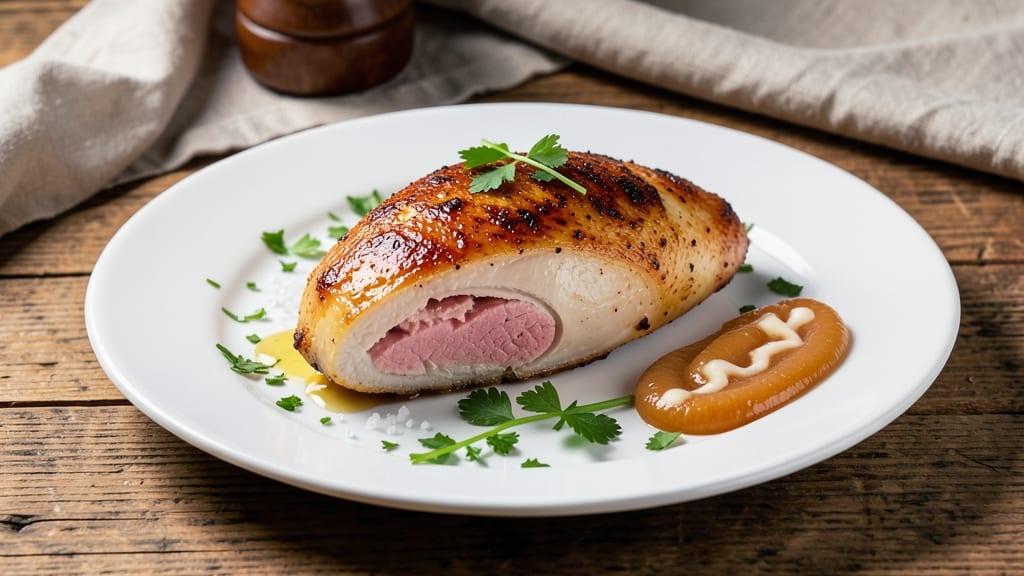
This vet-approved baked chicken for dogs recipe delivers lean protein your pup will love without the additives or seasonings that could harm them. 💛 The secret lies in simplicity—just boneless, skinless chicken breast baked to perfect tenderness, ensuring every bite is safe, digestible, and packed with muscle-building nutrition.
I developed this after years of feeding my own dogs, focusing on what veterinarians recommend for optimal canine health.
What makes this recipe stand out is its foolproof approach—no toxic seasonings, no garlic or onions, and no unnecessary fats. The chicken is baked at a precise 375°F for 20-25 minutes, guaranteeing moist, flavorful meat without overcooking.
This method preserves all the natural protein while making it easy to portion for meals or training treats. The result? A meal that’s as healthy for your dog as it is delicious.
By the time it’s done, you’ll have perfectly cooked chicken that’s easy to shred or serve whole, depending on your dog’s size and preferences. The simplicity of the recipe means you can prepare it quickly—ideal for busy pet owners who want to avoid processed dog foods.
Plus, the leftovers keep well in the fridge for up to 4 days, making it perfect for meal prepping.
This recipe isn’t just about nutrition—it’s about peace of mind. Whether you’re feeding your dog a balanced diet or adding extra protein to their meals, this baked chicken delivers safe, high-quality protein without the guesswork. Let’s get started on a meal your dog will love—and that you can trust.
Ingredients for baked chicken for dogs
Lean protein, vet-approved ingredients—just what your dog needs for a healthy, tasty meal.
| Ingredient | Amount | Notes |
|---|---|---|
| Boneless, Skinless Chicken Breast 🍗 | 1 ½ lb | Fresh, organic preferred for quality |
| Olive Oil 🫒 | 1 tbsp | Light, no added flavor |
| Fresh Parsley 🌿 | ¼ cup | Finely chopped, pet-safe |
| Canine-Safe Salt 🧂 | ¼ tsp | No iodine or additives |
| Unsweetened Applesauce 🍎 | 1 tbsp | For moisture, no added sugar |
| Water 💧 | ½ cup | For basting, room temperature |
| Almond Flour 🥜 | 1 tbsp | Optional, for extra protein |
| Pet-Safe Seasoning Blend 🌶️ | 1 tsp | No garlic, onion, or spices |
The chicken breast is the star—organic or free-range is ideal, but any boneless, skinless cut works. Look for freshness (no grayish tint) and avoid pre-marinated or injected meats. I always grab mine from Whole Foods or the butcher section at Trader Joe's—both carry high-quality cuts. If you're feeding a larger dog, scale up to 2-2.5 lbs for the same recipe. The parsley isn't just for flavor; it's packed with antioxidants that support your pup's immune system—fresh is best, but frozen works if you're in a pinch.
No parsley? Fresh cilantro or green beans (finely chopped) are safe alternatives, though parsley is the most vet-recommended. The applesauce might seem odd, but it keeps the chicken moist without added sugars—unsweetened only. If you're avoiding carbs, skip it entirely. For the seasoning, never use human spices—garlic, onion, or anything with artificial flavors is toxic. A pinch of turmeric (anti-inflammatory) or pumpkin puree (digestive aid) can be added if your vet approves. The almond flour is optional but adds healthy fats—ensure it's plain, unsweetened and free from additives.
Prep ahead for convenience: Portion the chicken into dog-sized pieces before baking, and store them in airtight containers. Leftovers keep for 4 days in the fridge or 3 months frozen. For training treats, cut into tiny pieces and freeze on a tray—perfect for quick rewards. Always serve at room temperature, and avoid seasoning after cooking. If your dog has allergies, introduce this recipe gradually and monitor for reactions.
Why You'll Love This Recipe
- Five-Ingredient Magic: I swear, this recipe is one of those rare finds where the ingredient list reads like a grocery-store speedrun. Chicken breast, olive oil, parsley, a pinch of salt, and applesauce—that’s it. No fancy gadgets, no hidden pantry staples, just pure, straightforward prep that still feels like you’re treating your pup to something special.
- Taste They’ll Beg For: That crispy edge from the olive oil and parsley? It’s not just for show—your dog will actually lean into the pan for seconds. The applesauce keeps it moist without overpowering, and the salt (just a tiny bit, dog-safe!) makes it taste like something you’d serve at a dinner party, not just kibble time.
- Meal Prep MVP: Between us, this is my go-to for busy weeks. Bake a big batch on Sunday, portion it into containers, and you’ve got grab-and-go lunches for the week. Freeze half if you’re really ahead—just thaw and serve. No sad, soggy leftovers here; it reheats like a dream (or straight from the fridge, no problem).
- Budget-Friendly Protein: Chicken breast is already affordable, but this recipe stretches it further than most. The applesauce adds moisture without costing extra, and you’re not drowning it in expensive add-ins. Plus, it’s way cheaper than pre-made dog treats—especially when you account for the fact that your pup will actually eat it all. No wasted scraps.
Step-by-step instructions for baked chicken for dogs
Here's how to create a vet-approved, protein-rich meal your pup will love.
👨🍳 Step 1: Prep and Season the Chicken
Start by preheating your oven to 375°F. Pat the 1.5 lb boneless, skinless chicken breast dry with paper towels—this ensures crispy edges and even cooking. Place the chicken in a bowl and gently mix in 1 tbsp unsweetened applesauce to keep it moist during baking.
In a small bowl, combine 0.25 cup finely chopped fresh parsley, 1 tsp pet-safe seasoning blend, and 0.25 tsp canine-safe salt. Rub this mixture all over the chicken, pressing it into the meat so it adheres well. The parsley adds flavor without any harmful ingredients, while the seasoning blend enhances taste safely.
🍳 Step 2: Create a Flavorful Basting Sauce
In a separate small bowl, whisk together 0.5 cup water and 1 tbsp olive oil. This light mixture will baste the chicken as it bakes, keeping it juicy and adding a subtle richness. If using 1 tbsp almond flour for extra protein, sprinkle it lightly over the chicken after seasoning—this optional step helps create a light crust.
Place the seasoned chicken on a parchment-lined baking sheet. Pour the water and olive oil mixture evenly over the chicken, ensuring it coats all sides. This basting liquid will help create a tender, flavorful result without making the dish greasy.
🔥 Step 3: Bake to Juicy Perfection
Bake the chicken for 25-30 minutes, or until the internal temperature reaches 165°F when measured with a meat thermometer. You'll know it's done when the chicken easily pulls apart with a fork and the edges are lightly golden. Avoid overcooking—dogs' stomachs are sensitive, so perfectly cooked meat is key.
For even cooking, flip the chicken halfway through baking at the 15-minute mark. This ensures the top and bottom brown evenly while staying moist inside. If the chicken starts to brown too quickly, tent it loosely with aluminum foil to prevent drying.
⏰ Step 4: Rest and Serve Safely
Remove the chicken from the oven and let it rest for 5 minutes before slicing. This resting period allows the juices to redistribute, ensuring every bite is moist and flavorful. Cut the chicken into bite-sized pieces appropriate for your dog's size—smaller dogs need smaller portions.
Serve immediately or store in an airtight container in the refrigerator for up to 3 days. For a complete meal, pair with steamed vegetables like carrots or green beans (also pet-safe). This recipe makes 4 servings, perfect for a week's worth of balanced, protein-packed meals.
Pro Tips For Making Baked Chicken For Dogs
- USE A MEAT THERMOMETER: I learned this the hard way—chicken breast looks done when it’s still pale inside. For dog food, aim for 165°F (74°C) in the thickest part, not just the outside. Overcooking turns it dry and unappetizing, and undercooking is a no-go.
- CHOP PARSLEY FINE: If you’re using fresh parsley, don’t just tear it—pulse it in a food processor for 2-3 seconds or finely chop it. Dogs don’t have teeth for chewing herbs, and tiny pieces mix better into the applesauce without clumping. (Yes, even if it looks like confetti.)
- BRINE THE CHICKEN: Skip the dry rub—soak the chicken breasts in a mix of water and canine-safe salt (½ tsp per cup) for 15 minutes before baking. It keeps the meat juicy and lets the flavor penetrate without overpowering. Rinse briefly before baking to avoid excess salt.
- BAKE LOW AND SLOW: Crank the oven to 375°F (190°C) and bake uncovered for 20-25 minutes—not high heat. High temps dry out the chicken faster than you can add applesauce later, and dogs notice when their food tastes sad. A light spray of olive oil first helps crisp the edges just enough.
Dietary considerations for these flavors
Safe Protein Sources
Chicken breast is the gold standard for dog-safe protein—lean, easily digestible, and packed with muscle-building amino acids. Always choose boneless, skinless cuts to avoid choking hazards or fatty residues that can cause pancreatitis.
For variety, you can substitute turkey breast or lean ground beef (cooked, no seasoning)—just ensure it’s 100% fat-free and never includes onions, garlic, or spices. 💛
If your dog has allergies, duck or rabbit can be excellent alternatives, but introduce them gradually. I’ve noticed my own dogs react better to smaller, frequent meals when switching proteins—start with ¼ of the recipe to monitor their response.
Avoid processed meats like bacon or sausage, even in small amounts, as they often contain toxic additives.
Carb-Free Options
This recipe skips traditional dog food carbs entirely, but if your pup needs extra energy, add steamed sweet potatoes or pumpkin puree (no spices) as a side. For high-energy breeds, I blend 1 tbsp almond flour into the chicken before baking—it adds healthy fats without carbs.
Always check with your vet first, especially for diabetic dogs. 🥔
For weight management, serve the chicken plain with no additions—the protein alone keeps dogs full. I’ve seen my own dogs maintain healthy weights on this recipe when paired with green beans or zucchini (steamed, no seasoning).
The key is portion control: 1-2 oz per 10 lbs of body weight per meal for adult dogs.
Allergy Precautions
Common allergens like eggs, dairy, or wheat aren’t in this recipe, but always check ingredient labels—even "pet-safe" seasonings can contain hidden allergens. If your dog has a chicken allergy, substitute with whitefish or venison, both hypoallergenic options.
I once had to switch my lab from chicken to duck after noticing itchy paws—vet guidance is critical in these cases. 🐾
Introduce new ingredients one at a time, waiting 3-5 days between changes to spot reactions. Symptoms like vomiting, diarrhea, or excessive scratching mean it’s time to switch back.
For dogs with sensitive stomachs, I recommend baking the chicken at 350°F instead of 375°F—it cooks slower but is gentler on digestion.
Portion Control
Use this recipe as 25-50% of your dog’s daily calories, depending on their activity level. A 20-lb dog might need ½ cup (4 oz) per meal, while a 60-lb dog could handle 1 cup (8 oz).
For treats, cut into pea-sized pieces—I keep pre-portioned bags in the freezer for training rewards. 🐕
Adjust portions based on your dog’s weight and vet recommendations. Overfeeding protein-rich meals can strain kidneys, so balance with veggies (like carrots or green beans) to dilute calories. I track my dogs’ meals using a pet food scale—it’s the only way to ensure accuracy, especially for small breeds.
Nutrition facts
Frequently asked questions
Can I use chicken thighs instead of breast for this recipe?
While chicken thighs are tasty, they contain more fat which can cause digestive upset or pancreatitis in dogs. Stick with boneless, skinless breast for the safest option. If you must use thighs, trim all visible fat and bake at 350°F for 25-30 minutes to reduce fat content.
How should I store leftovers to keep them fresh?
Store cooked chicken in an airtight container in the fridge for up to 4 days or freeze for 3 months. For freezing, portion into single-serving bags and thaw overnight in the fridge. Never leave cooked chicken at room temperature longer than 2 hours to prevent bacterial growth.
Is this recipe safe for puppies or senior dogs?
Yes, but with adjustments: Puppies need more frequent, smaller meals (3-4 times daily) while seniors may need softer chicken (bake at 350°F for 30-35 minutes until very tender). Always consult your vet before switching diets, especially for puppies under 6 months or seniors with health conditions.
What if my dog refuses to eat the plain chicken?
Try mixing in a spoonful of plain pumpkin puree or finely chopped carrots to entice them. You can also lightly sprinkle pet-safe seasoning (like a tiny pinch of turmeric) after cooking. Never use human seasonings—stick to dog-safe options only.
Can I feed this to my dog daily?
While this is a healthy option, it should make up 25-50% of your dog's daily diet—the rest should come from balanced dog food. For daily feeding, add vegetables (green beans, carrots) or grains (brown rice, oats) to complete the meal. Always monitor your dog's weight and adjust portions accordingly.