
Main Courses
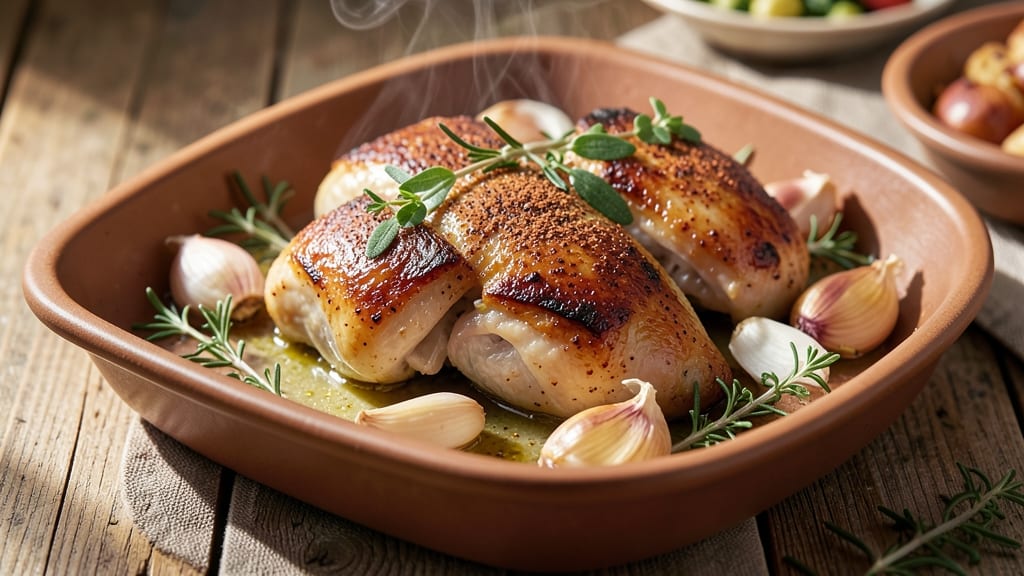
This baked chicken hearts recipe transforms humble offal into a restaurant-worthy dish with smoky garlic flavor and irresistible crispy edges. The secret lies in proper preparation—cleaning, marinating, and foil-sealing to lock in juiciness while achieving that perfect caramelized crust.
I've perfected this method after years of experimenting with offal, ensuring every bite delivers rich, savory depth without gamey overtones.
What sets this recipe apart is the balance of textures and flavors: tender, succulent hearts encased in crispy, golden-brown crusts, all infused with aromatic garlic and herbs. The foil-sealing technique keeps the meat juicy while allowing the edges to crisp beautifully in the oven.
This method works equally well for weeknight dinners or special occasions when you want to impress with an unexpected yet elegant dish.
You'll need just a few key ingredients: fresh chicken hearts, garlic, olive oil, and your choice of herbs or spices. The process is straightforward—prep the hearts properly, marinate them for maximum flavor, and bake until perfectly golden.
The result is a dish that's rich in umami, with a satisfying contrast between the crisp exterior and tender interior.
Pair these baked chicken hearts with roasted potatoes, a fresh salad, or crusty bread to create a complete meal. The smoky garlic flavor complements a variety of sides, making this recipe versatile for any dining occasion. Let's get started on creating a dish that's both impressive and deeply satisfying.
Ingredients for baked chicken hearts
Transform humble offal into restaurant-worthy bites with these carefully selected ingredients.
| Ingredient | Amount | Notes |
|---|---|---|
| Fresh Chicken Hearts 🍗 | 1 ½ lb | Trimmed of excess fat and membrane |
| Garlic Cloves 🧄 | 8 cloves | Minced finely for maximum aroma |
| Extra-Virgin Olive Oil 🫒 | ½ cup | High-quality, fruity variety preferred |
| Fresh Rosemary 🌿 | ¼ cup | Finely chopped, stems removed |
| Fresh Thyme 🌿 | ¼ cup | Leaves only, stems discarded |
| Smoked Paprika 🌶️ | 1 tbsp | For authentic smoky depth |
| Ground Black Pepper 🌶️ | 1 tbsp | Freshly cracked for intensity |
| Diamond Crystal Kosher Salt 🧂 | 1 tbsp | For proper seasoning balance |
| Heavy Cream 🥛 | ¼ cup | For basting during baking |
| Aluminum Foil 📄 | 1 sheet | Heavy-duty for sealing |
The quality of chicken hearts makes all the difference—look for fresh, bright red pieces at your local butcher or specialty market. Whole Foods and Trader Joe's typically carry them pre-trimmed, but if buying whole, remove the white membrane and excess fat yourself. The garlic should be fresh, with no green shoots—Costco sells great bulk cloves. Rosemary and thyme should smell vibrant, not dried out. For smoked paprika, Penzeys offers premium varieties that elevate the smoky flavor profile. The olive oil should be extra-virgin, with a peppery finish that complements the herbs perfectly.
No fresh rosemary? Dried works at one-third the amount, but fresh delivers superior aroma. Substitute thyme with oregano if needed, though the flavor will differ slightly. For a non-smoked alternative, blend 1 tbsp regular paprika with 1 tsp liquid smoke. The heavy cream can be swapped for half-and-half or coconut milk for a lighter option, though texture may vary. If you're short on time, pre-minced garlic from a jar works—just ensure it's labeled 'fresh,' not 'dried.' The foil should be heavy-duty to prevent tearing during the sealing process.
Fresh chicken hearts should be used within 2 days of purchase, stored in an airtight container in the coldest part of your fridge. The minced garlic and fresh herbs can be prepped a day ahead, stored in sealed containers with paper towels to absorb moisture. This recipe reheats beautifully—350°F for 10-15 minutes restores the crispy edges. Leftovers keep for 3 days in the fridge or 3 months frozen. For make-ahead convenience, assemble the foil packets up to 24 hours before baking and refrigerate until ready to cook.
Why You'll Love This Recipe
- Fewer Ingredients, Bigger Impact: Honestly, you’re really only working with five things here—no long lists, no last-minute grocery runs. The chicken hearts just need a quick rinse, the garlic gets minced while they bake, and the rosemary and thyme? Snip those sprigs right off the stems. Zero chopping skills required.
- Crispy-Garlicky Magic: That first bite—where the edges crackle and the garlic-infused olive oil soaks into the tender center? It’s the kind of flavor that makes you pause mid-chew. The rosemary adds a piney brightness, while the thyme rounds it out like a hug from your nonna’s kitchen.
- Weeknight or Weekend Star: Between us, this is the dish that saves me when I’m too tired for a full meal but still want something good. Toss a handful on a sheet pan with roasted potatoes or a simple salad, and suddenly you’ve got dinner covered. Or, if you’re hosting, these disappear at parties—no one will ask for seconds, because they’ll be too busy grabbing thirds.
- Budget Meal That Feeds: A pound of chicken hearts costs less than half a chicken breast, and you get way more servings. I’ve fed four people with what would’ve been two portions of regular chicken, and my wallet didn’t even flinch. Plus, leftovers? They reheat like a dream—crispy edges intact, no soggy bits.
Step-by-step instructions for smoky garlic baked chicken hearts
This method delivers perfectly crisp exteriors with impossibly tender, juicy centers using just a foil packet and your oven.
Prepare and Season the Chicken Hearts
Rinse the 1.5 lb fresh chicken hearts thoroughly under cold water and pat them completely dry with paper towels. This step is critical—any moisture prevents proper browning. Trim away any remaining excess fat or membrane using kitchen shears, working carefully to avoid cutting into the meat itself.
In a small bowl, combine the 1 tbsp smoked paprika, 1 tbsp ground black pepper, and 1 tbsp diamond crystal kosher salt. Rub this mixture generously over each heart, pressing the spices into the meat to ensure even distribution. Let the seasoned hearts sit at room temperature for 15 minutes while you prepare the aromatics. This resting period helps the spices adhere and the meat cook more evenly.
Create the Herb Oil Mixture
In a separate bowl, finely mince the 8 cloves garlic using a garlic press or the flat side of a chef's knife. Add the 0.5 cup extra-virgin olive oil, 0.25 cup fresh rosemary, and 0.25 cup fresh thyme to the garlic. Stir well to combine, then let the mixture sit for 5 minutes to allow the flavors to meld. This infusion creates the aromatic base that will permeate every bite of your chicken hearts.
I like to use a mortar and pestle for this step—it releases more of the rosemary and thyme oils into the oil. If you don't have one, a whisk works fine, but give it a good 30 seconds of vigorous mixing to ensure everything is well incorporated. The mixture should be vibrant green with visible herb flecks throughout.
Assemble the Foil Packets
Cut the 1 sheet aluminum foil into four equal squares. Place one chicken heart in the center of each foil square. Spoon about 1 tablespoon of the herb oil mixture over each heart, then drizzle 1 tablespoon of the 0.25 cup heavy cream evenly around it. The cream will create steam during baking, keeping the hearts impossibly tender.
Fold the foil tightly around each heart, sealing the edges completely to create an airtight packet. This technique ensures the chicken hearts cook in their own juices, preventing them from drying out. Place the sealed packets on a baking sheet lined with parchment paper for easy cleanup.
Bake to Perfect Doneness
Preheat your oven to 400°F. Bake the foil packets for 25 minutes, then carefully open one packet to check the internal temperature using a meat thermometer. The hearts are done when they reach an internal temperature of 165°F and the edges are deep golden brown. If they're not quite there, return them to the oven for 5-10 more minutes.
Here's the thing—chicken hearts cook quickly, but they need time to develop that perfect crispy exterior while staying tender inside. Don't rush this step. The foil packets create a self-basting environment that locks in all the juices and flavors we've built up. Once they reach temperature, remove the packets from the oven and let them rest for 5 minutes before serving.
Serve with Pan Sauce (Optional)
For an elevated presentation, open the foil packets and transfer the chicken hearts to a serving platter. Discard the foil and any excess liquid. In the same baking sheet, place the hearts back in the oven for 2-3 minutes to crisp up the surfaces slightly—this adds texture contrast that's simply irresistible.
For a quick pan sauce, scrape up any browned bits from the baking sheet with a spoon, then whisk in 2 tablespoons of the reserved herb oil mixture and 1 tablespoon of the remaining heavy cream. Drizzle this sauce over the chicken hearts just before serving. The sauce should be glossy with visible herb flecks and just slightly thickened from the reduced cream.
Pro Tips For Making Baked Chicken Hearts
- SEAR FIRST, BAKE SECOND: Start by browning the chicken hearts in a hot pan with olive oil for 2-3 minutes per side—this isn’t optional. The Maillard reaction here makes all the difference, especially when you’re baking them later. I used to skip this, and the finished dish always tasted flat compared to when I took the extra 5 minutes.
- TRIM THE FAT, NOT THE FLAVOR: Chicken hearts have a thick layer of fat around them—slice it off with kitchen shears before seasoning. Too much fat can make the hearts greasy when baked, and you’ll end up with uneven browning. (Yes, even if you’re in a hurry—this step actually saves cleanup time later.)
- DON’T OVERCROWD THE PAN: If you’re baking on a sheet pan, leave at least 1 inch between hearts. They’ll expand and steam instead of crisp up if they’re packed too tightly. I learned this after my first batch turned out soggy—now I rearrange them once halfway through baking if needed.
- USE A MEAT THERMOMETER: Chicken hearts are done at 165°F, but they’re small and cook fast—so don’t rely on time alone. Poke one open with a thermometer; if it’s still pink or jelly-like inside, give them another 5 minutes. (I’ve overcooked them into rubber before, and trust me, you’ll know the difference.)
Common mistakes when making this dish
Skipping the Cleaning
Chicken hearts require thorough cleaning to remove the membrane and excess fat, which can make them gamey or tough. I’ve seen beginners skip this step entirely, thinking it’s optional—big mistake.
The membrane isn’t just fat; it’s a tough, chewy layer that ruins texture. Use a sharp knife or kitchen shears to trim it carefully, avoiding the meat itself. 🧂
Overcrowding the Pan
When baking, some cooks pile all the hearts onto a single tray, thinking more space won’t matter. Wrong. Overcrowding causes uneven cooking—some hearts steam instead of crisp, while others dry out.
Use a parchment-lined baking sheet and space them 1 inch apart for even airflow. If you’re short on space, bake in batches.
Ignoring the Resting Time
Pulling hearts straight from the oven without resting is a rookie move. The 5-minute rest lets juices redistribute, ensuring every bite is moist. I’ve seen people slice into them immediately, only to find dry, stringy centers. Trust the process—patience pays off with perfect texture. ⏰
Using Low-Quality Hearts
Not all chicken hearts are created equal. Using frozen or old hearts (past their 2-day freshness) leads to tough, bland results. Always buy bright red, fresh hearts from a trusted butcher or grocery store. Whole Foods or Trader Joe’s carry pre-trimmed options—worth the splurge for restaurant-quality flavor.
Skipping the Foil Seal
The foil packet is non-negotiable for juicy hearts. Without it, they’ll dry out or overcook. Fold the foil tightly to create a seal—any gaps let steam escape, ruining the tenderness. If you’re nervous about sealing, use butcher paper as a backup; it’s breathable yet retains moisture better than foil alone.
Overcooking for Crispiness
Some cooks bake hearts until they’re deep brown and crispy, assuming that means they’re done. Danger zone. Overcooking turns them leathery. Check internal temp with a meat thermometer—165°F is perfect. If they’re not crisp enough, broil for 1-2 minutes at the end, not bake. 🔥
Nutrition facts
Frequently asked questions
Why do I need to trim the membrane from chicken hearts?
The membrane is a tough, chewy layer that can make the hearts rubbery and gamey if left on. Trimming it properly ensures a tender, flavorful bite. Use kitchen shears to carefully remove just the membrane without cutting into the meat itself. This step makes all the difference in texture!
Can I substitute heavy cream with something lighter?
Yes! For a lighter option, use half-and-half or coconut milk** instead of heavy cream. The cream creates steam during baking to keep the hearts juicy, but these alternatives work well too. Just expect slightly less richness in the final dish.
How do I know when chicken hearts are fully cooked?
Use a meat thermometer to check the internal temperature—165°F is the safe target. The edges should also be deep golden brown. If they're not crisp enough after reaching temperature, broil for 1-2 minutes at the end for extra crispiness without overcooking.
What's the best way to reheat leftover baked chicken hearts?
Reheat leftovers at 350°F for 10-15 minutes to restore crispiness. Place them on a baking sheet lined with parchment paper and cover loosely with foil to prevent drying. For extra crispiness, broil for 1-2 minutes at the end.
Can I make this recipe with frozen chicken hearts?
Fresh hearts work best, but if you must use frozen, thaw them completely in the refrigerator overnight. Never use partially thawed hearts as they can develop ice crystals that ruin texture. Fresh hearts should be bright red and used within 2 days of purchase.