
Appetizers
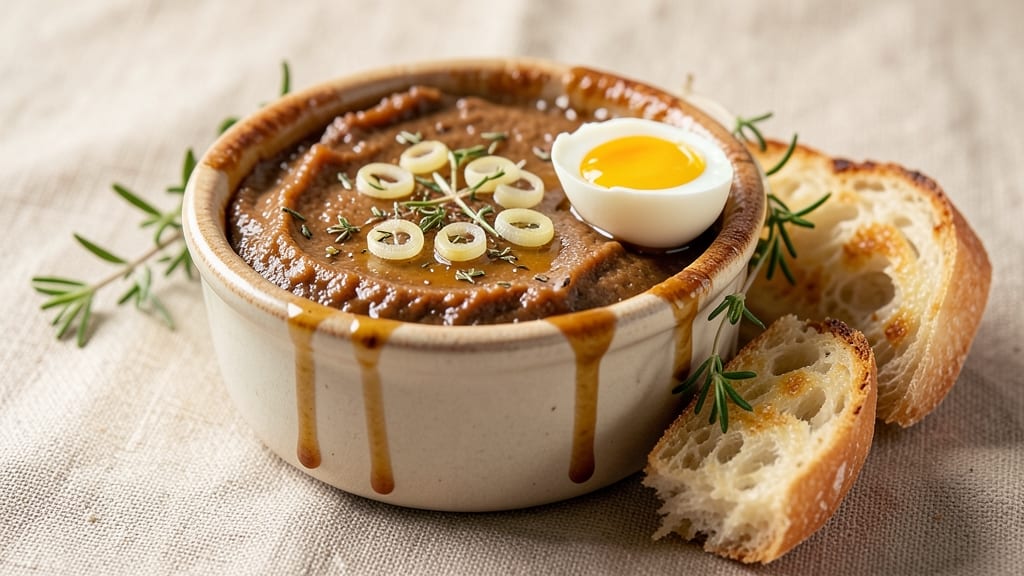
This baked chicken liver pâté recipe delivers restaurant-quality richness with a silky texture that melts in your mouth. 💛 The secret lies in slow-cooking the livers with aromatic herbs and brandy, creating deep, complex flavors that elevate any appetizer spread.
Unlike store-bought versions, this homemade pâté transforms simple ingredients into something luxurious—perfect for holiday gatherings or elegant dinner parties.
What sets this recipe apart is the balance of traditional techniques and modern twists. We render the livers gently to preserve their natural richness, then blend them with butter, herbs, and a touch of brandy for depth.
The result is a pâté with a velvety consistency that holds its shape when chilled, making it ideal for serving on toasted baguette slices or crackers. Safety is prioritized with proper handling and chilling instructions.
The pâté develops even more flavor as it rests, allowing the spices and brandy to meld perfectly. Garnished with fresh herbs or a drizzle of high-quality olive oil, it becomes a showstopper that guests will rave about.
Whether you're serving it at a dinner party or meal prepping for the week, this recipe delivers professional results with minimal effort.
For those who enjoy experimentation, variations like adding mustard or smoked paprika can create exciting new flavor profiles. The key is patience—letting the pâté set properly ensures the ideal texture every time. Ready to impress your guests with this timeless classic?
Ingredients for baked chicken liver pate
Eleven ingredients transform into luxurious pâté with velvety texture and rich brandied depth.
| Ingredient | Amount | Notes |
|---|---|---|
| Chicken Livers 🍗 | 1 ½ lb | Fresh, trimmed of connective tissue |
| Unsalted Butter 🧈 | ¾ cup | European-style preferred for flavor |
| Brandy 🍷 | ¼ cup | High-quality, 80-proof minimum |
| Shallots 🧅 | 4 whole | Finely minced, about 0.25 cup |
| Garlic Cloves 🧄 | 3 cloves | Peeled and minced |
| Fresh Thyme Leaves 🌿 | 1 tbsp | Or 1 tsp dried thyme |
| Fresh Parsley Leaves 🌿 | ¼ cup | Chopped for garnish |
| Diamond Crystal Kosher Salt 🧂 | ½ tsp | For seasoning |
| Freshly Ground Black Pepper 🌶️ | ¼ tsp | Lightly cracked |
| Heavy Cream 🥛 | ¼ cup | For silky texture |
| Extra-Virgin Olive Oil 🫒 | 1 tbsp | For finishing drizzle |
| Baguette Slices 🍞 | 8 pieces | Toasted for serving |
The chicken livers are the star here—freshness is non-negotiable. Look for vibrant, deep-red livers at your local butcher or Whole Foods meat counter, ideally sold the same day. Trim any white connective tissue thoroughly, as it can make the pâté bitter. If you can't find fresh livers, high-quality frozen works too—just thaw them completely and pat dry before cooking. For the butter, European-style brands like Plugrá or Kerrygold have superior flavor, but any good unsalted butter will work. The brandy should be 80-proof or higher—cheap cooking brandy lacks the depth needed for this recipe.
No brandy? Substitute with apple cider or extra chicken stock, though the flavor profile will differ slightly. Fresh herbs are ideal, but dried thyme at one-third the amount works in a pinch. If you're missing shallots, extra-fine minced red onion does the trick, though it adds a slightly sharper note. For a richer texture, add 1 tbsp of crème fraîche to the final blend. The pâté can be made ahead—flavor improves after 24 hours as the spices meld. Garnish with fresh parsley or a drizzle of high-quality olive oil for a restaurant-worthy finish.
This pâté must be handled with care—always use a food thermometer to ensure livers reach 160°F internally before blending. Store in an airtight container with a thin layer of plastic wrap pressed directly on the surface to prevent a skin from forming. Keeps 5-7 days in the fridge or 3 months in the freezer. For serving, toast baguette slices until golden and crisp—the contrast of textures makes it irresistible. Portion into small ramekins for elegant presentation at gatherings.
Why You'll Love This Recipe
- Two-Ingredient Base: I swear by this trick—just butter and brandy transform raw chicken livers into something silky and rich. No fancy emulsifiers, no stress, just melt-in-your-mouth texture from the oven’s gentle heat.
- Weeknight Game Changer: Honestly, this is my "I have 20 minutes and zero energy" solution. The livers bake while I chop shallots, and by the time garlic browns, everything’s ready to blend into velvety perfection—no last-minute scrambling.
- Holiday Crowd Pleaser: Between us, this pate actually impresses guests more than anything store-bought. Serve it chilled on toasted baguettes at Thanksgiving, or warm it up with a drizzle of honey for Christmas—suddenly, you’re the host who "doesn’t just open a jar."
- Budget Luxury Leftovers: I make a double batch because the leftovers are that good. Spread it on crackers for lunch, mix into scrambled eggs for breakfast, or even stuff it into puff pastry for dinner—every bite tastes like a fancy bistro, but costs pennies per serving.
Step-by-step instructions for baked chicken liver pâté
Transform fresh chicken livers into a velvety pâté with deep brandy notes and aromatic herbs.
🍳 Step 1: Sear the Chicken Livers for Perfect Texture
Heat a large skillet over medium-high heat and add 1 tablespoon extra-virgin olive oil. Pat the 1.5 lb chicken livers completely dry with paper towels—this ensures a good sear. Working in batches, add the livers to the skillet and cook for 2-3 minutes per side until they're deep brown and cooked through (internal temperature 160°F).
Remove the livers from the skillet and set aside. You want them to be fully cooked but still retain their moisture. If they release easily from the pan and have a firm texture, they're ready. Don't overcrowd the pan or they'll steam instead of sear—this is where the rich flavor develops.
👨🍳 Step 2: Build the Flavor Base with Shallots and Garlic
In the same skillet (no need to clean it—the browned bits add flavor), reduce heat to medium and add 0.75 cup unsalted butter. Let it melt completely, then add the 4 whole shallots (finely minced) and 3 cloves garlic cloves (minced). Cook for 8-10 minutes until the shallots are soft and translucent, stirring occasionally.
This step develops the aromatic foundation of your pâté. You'll know it's ready when the shallots lose their raw bite and the garlic releases its sweet, nutty aroma. If the butter starts to brown too quickly, reduce the heat slightly—you want a gentle cooking process here.
🥘 Step 3: Deglaze with Brandy and Simmer the Herbs
Pour in the 0.25 cup brandy and immediately scrape up any browned bits from the bottom of the pan with a wooden spoon. Let the brandy simmer for 3-4 minutes until it reduces by half and the alcohol cooks off completely. You'll smell the rich, fruity aroma of the brandy infusing the butter.
Add the 1 tablespoon fresh thyme leaves, 0.5 tsp Diamond Crystal kosher salt, and 0.25 tsp freshly ground black pepper. Stir and cook for another 2 minutes to let the herbs release their essential oils. This is where the pâté gets its aromatic depth—don't skip this step, as it's crucial for flavor development.
🍳 Step 4: Create the Silky Pâté Mixture
Transfer the cooked livers, shallot mixture, and any accumulated juices to a food processor. Add the 0.25 cup heavy cream and pulse until the mixture is completely smooth and velvety. This should take about 1-2 minutes of continuous pulsing. The texture should be thick but still spreadable—like a rich, luxurious mousse.
If the mixture seems too thick, add 1-2 teaspoons of water to achieve the perfect consistency. Taste and adjust seasoning if needed—this is your chance to balance the flavors before baking. The pâté should be rich, slightly sweet from the brandy, and well-seasoned.
🔥 Step 5: Bake for Rich, Melt-in-Your-Mouth Perfection
Preheat your oven to 350°F. Transfer the pâté mixture to a heatproof ramekin or baking dish (about 6-ounce capacity for each serving). Place it in a water bath by setting the dish inside a larger baking dish filled with hot water (the water should come about halfway up the sides of the ramekin).
Bake for 25-30 minutes until the center is just set but still slightly jiggly—it should hold its shape when gently shaken but still have a silky texture. The water bath ensures gentle, even heating that prevents the pâté from becoming dry or rubbery. When done, let it cool to room temperature before serving.
🍽️ Step 6: Serve with Toasted Baguette Slices
Toast the 8 pieces baguette slices in a dry skillet over medium heat for 1-2 minutes per side until golden brown and crisp. Spoon the pâté onto the toasted slices and garnish with 0.25 cup chopped fresh parsley leaves. Drizzle with an additional 1 tablespoon extra-virgin olive oil for extra richness.
The pâté should be served at room temperature, allowing the flavors to fully develop. Each bite should deliver a luxurious combination of silky texture, brandy depth, and aromatic herbs. The toasted baguette provides the perfect crunch to balance the rich pâté.
Pro Tips For Making Baked Chicken Liver Pate
- SEAR THE LIVERS FIRST: Don’t skip the quick sear in butter—this isn’t just for flavor, it’s about texture. After patting them dry, hit them over medium-high heat for 2-3 minutes per side until they’re deeply browned. I learned this the hard way: raw spots in the pate make it taste bland and mealy, no matter how good the rest is.
- USE COLD BUTTER: Take the butter straight from the fridge—yes, even if you’re impatient. Cold butter emulsifies better with the cooked livers, giving you that silky, spreadable texture instead of a greasy mess. I was skeptical until I tried it; now I swear by it.
- STRAIN THE BRANDY: After cooking the shallots and garlic, let the brandy reduce for 30 seconds, then strain it through a fine-mesh sieve. This removes any sediment and keeps your pate smooth—no one wants to bite into a chunk of caramelized onion. It’s an extra 30 seconds that makes a real difference.
- BAKE LOW AND SLOW: Skip the high-heat rush—bake the pate at 325°F (165°C) for 15-20 minutes, not 375°F. High heat turns the top crusty while the center stays raw, and that’s a waste of good livers. The slower bake ensures even cooking without drying it out. (Your future self will thank you.)
Wine and beer pairings for baked chicken liver pate
Red Wine Classics
A bold Pinot Noir from Burgundy or Oregon is my go-to pairing—its earthy, slightly fruity notes complement the pâté's rich liver and brandy flavors beautifully. Look for a 2018 Domaine Drouhin or La Crema for the perfect balance of acidity and depth.
The wine's subtle tannins won't overpower the delicate herbs, while its red fruit undertones echo the brandy's caramelized sweetness. 🍷
White Wine Elegance
For those who prefer white, a Chardonnay with minimal oak—like a Meursault from Burgundy or a Santa Barbara County—works wonders. The wine's buttery texture mirrors the pâté's silky mouthfeel, while its citrus notes cut through the richness.
Avoid overly oaky Chardonnays, as they'll clash with the pâté's delicate herb profile.
Beer Pairings
A crisp Belgian Witbier like Hoegaarden or Stella Artois brings refreshing citrus and peppery notes that cleanse your palate between bites. The beer's effervescence also helps balance the pâté's richness. For a darker option, try a German Helles Lager—its malty sweetness complements the brandy without overpowering the herbs.
Spiritous Twists
If you're serving this pâté at a cocktail party, consider pairing it with a dry sherry like Fino or a gin-based martini with a twist of lemon. The sherry's nutty depth enhances the liver's umami, while the gin's botanicals echo the thyme and parsley.
For a non-alcoholic option, a sparkling apple cider with a splash of lemon works beautifully.
Regional Variations
In France, this pâté is traditionally served with a Bordeaux red—its dark fruit and earthy notes are a classic match. For a Southern US twist, try pairing it with a smoky bourbon cocktail like an Old Fashioned, where the caramel notes harmonize with the brandy.
The key is balancing the pâté's richness with complementary, not competing, flavors.
Make-Ahead Tips
If you're prepping ahead, store the pâté in an airtight container with a thin layer of plastic wrap pressed directly on the surface. Let it come to room temperature before serving to preserve its texture.
Pair it with a chilled Sauvignon Blanc or pilsner beer—the cooler temperature helps cut through the pâté's richness after it's been chilled.
Nutrition facts
Frequently asked questions
Can I use beef or duck livers instead of chicken livers?
While you can substitute beef or duck livers, each brings different flavors and textures. Beef livers are richer and slightly gamier, while duck livers add a luxurious depth. For the best results with this recipe, stick with chicken livers—they're milder and blend beautifully with the brandy and herbs. If you must substitute, reduce the brandy to 2 tablespoons to balance the stronger flavors.
Why does my pâté turn out grainy instead of silky?
Graininess usually means the livers weren't cooked enough before blending or the mixture wasn't processed long enough. Always cook livers to 160°F internally before blending, and pulse continuously in the food processor until completely smooth. For extra silkiness, chill the pâté for 1 hour before serving—this helps refine the texture.
How do I prevent the pâté from drying out during baking?
Use a water bath (bain-marie) to keep the pâté moist while baking. The water should come halfway up the sides of your ramekin, and the oven should be preheated to 350°F. If the pâté still looks dry, it may have been overbaked—check at 25 minutes and test for doneness by gently shaking the ramekin (it should jiggle slightly but hold its shape).
Can I make this pâté ahead of time?
This pâté actually tastes better after resting. Assemble it up to 24 hours in advance and refrigerate it. The flavors deepen as the spices meld, and the texture becomes even more velvety. When ready to serve, let it sit at room temperature for 30 minutes before slicing for perfect presentation.
What's the best way to store leftovers?
Transfer leftovers to an airtight container with plastic wrap pressed directly on the surface to prevent a skin from forming. Store in the fridge for up to 5-7 days or freeze for 3 months. To reheat, warm gently in a water bath or serve at room temperature—never microwave, as it can make the texture rubbery.