
Soups & Stews
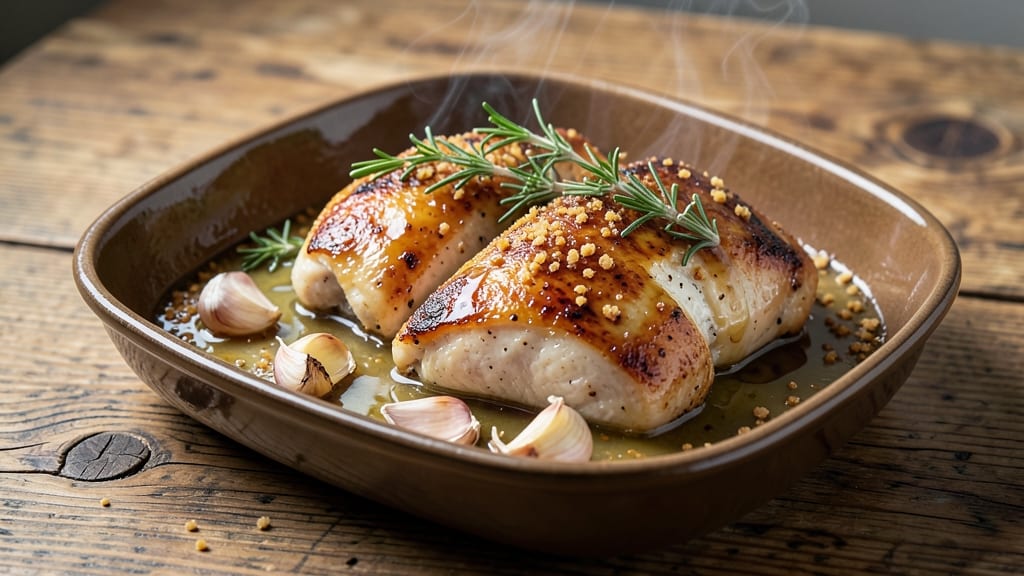
Transforming ordinary chicken into restaurant-quality braised meat is easier than you think with this precise baked chicken recipe using chicken broth. The broth doesn’t just cook the chicken—it tenderizes it from the inside out, creating a dish with layers of savory depth that elevate every bite.
This method requires minimal effort but delivers professional results that impress even the most discerning guests.
The beauty of this technique lies in its simplicity: you’ll bake the chicken at a controlled temperature while the broth creates a moist, flavorful environment. Unlike dry baking methods, this approach ensures the meat stays juicy and infused with aromatic richness.
The result is a dish that’s both comforting and sophisticated, perfect for weeknight dinners or special occasions.
By the time you serve this dish, you’ll have perfectly cooked chicken with a tender, melt-in-your-mouth texture, all bathed in its own savory broth. The aromas alone will make your kitchen smell like a cozy, inviting meal—one that pairs effortlessly with buttery mashed potatoes or roasted seasonal vegetables.
This isn’t just a side dish; it’s the star of the plate.
For best results, let the chicken rest before serving to retain all its juices, and don’t skip basting halfway through the bake. The broth’s natural collagen will break down into the meat, creating a dish that’s both hearty and deeply satisfying.
This is how you turn simple ingredients into something extraordinary.
Ingredients for baked chicken with chicken broth
Six simple ingredients transform chicken into restaurant-quality braise perfection.
| Ingredient | Amount | Notes |
|---|---|---|
| Boneless Skinless Chicken Thighs 🍗 | 3 lb | Pattied for even cooking |
| Chicken Broth 🥄 | 4 cups | Low-sodium preferred |
| Garlic Cloves 🧄 | 6 cloves | Smashed for flavor release |
| Fresh Rosemary 🌿 | 1 tbsp | Chopped, for aromatic depth |
| Fresh Thyme 🍃 | 1 tbsp | Chopped, for earthy notes |
| Dry White Wine 🍷 | ½ cup | Any dry variety works |
| Olive Oil 🫒 | 2 tbsp | For searing chicken |
| Salt 🧂 | 1 tsp | Kosher or sea salt |
| Black Pepper 🌶️ | ½ tsp | Freshly ground preferred |
| Butter 🧈 | 4 tbsp | Full-fat for richness |
| Lemon Zest 🍋 | 1 tbsp | Fresh, for brightness |
| Fresh Parsley 🌿 | ¼ cup | Chopped, for garnish |
The chicken thighs are your secret weapon here—bone-in, skin-on if you can find them, but boneless works fine. Costco often has them pre-pattied, which saves time, but you can flatten them yourself with a meat mallet. Look for thighs with good marbling; that fat will render and keep the meat moist. I always grab organic when possible, but regular works too if you're on a budget. The broth? Homemade is ideal, but Kroger or Swanson low-sodium works in a pinch.
No white wine? Extra chicken broth with a splash of apple cider vinegar mimics the acidity. Fresh herbs are best, but dried works at one-third the amount. Running low on butter? Olive oil in a pinch, though it won't add that same richness. The garlic should be smashed, not minced—this releases more flavor into the broth. And if you're short on time, pre-made garlic powder can substitute, though it lacks that fresh punch.
This dish tastes even better the next day as the flavors meld. Store in an airtight container in the fridge for up to 5 days, or freeze portions for 3 months. I like to portion it into containers before freezing so I can grab a meal anytime. The broth can be used for soups or gravies later—no waste here. Garnish with parsley just before serving to keep it vibrant.
Why You'll Love This Recipe
- One-Pan Magic: I dump everything on a sheet pan—chicken, broth, garlic, herbs—and forget about it. No prepping bowls or scrubbing pots later. The broth baste itself while baking, keeping it juicy without fuss.
- Herb-Infused Juiciness: That rosemary and thyme? They cling to the chicken like it’s been kissed by a Mediterranean breeze. The garlic caramelizes just enough to add depth—no overpowering, just there, like a secret ingredient.
- Leftover Powerhouse: I make a double batch and freeze half. Later, it’s a 5-minute stir-fry, a taco filling, or a salad topper. Chicken thighs stay moist even after reheating, unlike breast that turns to rubber.
- Budget’s Best Friend: Thighs are cheaper than breasts, and broth stretches the flavor further. I’ve fed four people for under $10, plus the herbs last forever in the fridge. Solid return on investment, honestly.
Step-by-step instructions for baked chicken with chicken broth
Here's the method—juicy, flavorful chicken that practically falls apart in your mouth.
Pound and Sear the Chicken Thighs
Place the 3 lb boneless skinless chicken thighs between two sheets of plastic wrap. Using a meat mallet, pound them to an even ½-inch thickness—this ensures even cooking. You'll feel the resistance give way as you work, and the thighs should look uniform in size.
Heat the 2 tbsp olive oil in a large oven-safe skillet over medium-high heat. Once shimmering, add the chicken thighs and cook for 4-5 minutes per side until golden brown. Press down gently on each thigh during the first minute—this prevents curling and guarantees even contact with the pan. The skin should develop a deep golden crust, and the chicken should release easily when ready to transfer.
Build the Aromatic Base
Remove the skillet from heat and reduce to medium. Add the 6 smashed garlic cloves, 1 tbsp chopped fresh rosemary, and 1 tbsp chopped fresh thyme. Stir for 30 seconds until fragrant—you'll smell that fresh, earthy aroma wafting through the kitchen. This step infuses the chicken with layers of flavor before the braising begins.
Pour in the 0.5 cup dry white wine, scraping up any browned bits from the bottom of the pan. Let it simmer for 2-3 minutes until reduced by half. This deglazing step captures all the concentrated chicken flavor that would otherwise go to waste. The wine should smell rich and slightly concentrated by the time you're done.
Create the Braising Liquid
Add the 4 cups chicken broth, 1 tsp salt, and 0.5 tsp black pepper to the skillet. Stir well to combine all ingredients. The mixture should bubble gently—this is your braising liquid that will transform tough chicken into melt-in-your-mouth perfection. Here's the thing—don't skip this step. The broth carries all the herbs and garlic flavors that will infuse the chicken during baking.
Place the skillet in a preheated 350°F oven. Cover tightly with a lid or foil, and bake for 45-50 minutes. You'll know it's done when the chicken is fork-tender and the liquid has reduced slightly, coating the thighs in a glossy sauce. The internal temperature should reach 165°F when checked with a meat thermometer.
Finish with Butter and Lemon
Remove the chicken from the oven and transfer it to a serving platter. Increase the oven temperature to 400°F. Pour the braising liquid through a fine-mesh strainer into a small saucepan, pressing on the herbs and garlic to extract maximum flavor. Discard the solids.
Return the strained liquid to the skillet and bring to a gentle simmer over medium heat. Whisk in the 4 tbsp butter and 1 tbsp lemon zest until melted and smooth. The sauce should thicken slightly and become glossy—this is where the richness comes in. Taste and adjust seasoning if needed, adding a pinch more salt or pepper if desired.
Serve with Fresh Parsley
Pour the finished sauce over the chicken thighs on the serving platter. Let it rest for 5 minutes before serving—this allows the juices to redistribute, ensuring each bite is moist and flavorful. The chicken should be tender enough to pull apart with a fork, with a beautiful golden-brown crust.
Garnish each serving with 1 tbsp chopped fresh parsley just before serving. The bright green color contrasts beautifully with the golden chicken, and the fresh herbs add a final touch of brightness. Serve with crusty bread or over mashed potatoes to soak up every last bit of that delicious sauce.
Pro Tips For Making Baked Chicken With Chicken Broth
- Pat Thighs Dry First: DESCRIPTION: You’re not just drying chicken—you’re setting up crispy edges and even cooking. After patting them down with paper towels, let them sit uncovered for 10 minutes while you prep the broth. The moisture evaporates, and the seasoning sticks better (yes, even if they look sad afterward).
- Use Cold Broth, Not Room-Temp: DESCRIPTION: Warm broth = soggy chicken. Pour the chicken broth directly from the fridge into the pan—it’ll simmer gently without steaming the thighs. If you’re worried about cold spots, start on medium-low and let it heat through while the chicken cooks. Trust the process.
- Sear Thighs Before Baking: DESCRIPTION: Skip the dull, bland chicken and give those thighs a 2-minute sear in the pan before adding broth. Use the same pan to render the garlic (minced, not whole cloves—don’t be lazy) and let it brown slightly. The caramelized bits will flavor the broth, not just the surface.
- Baste Every 15 Minutes: DESCRIPTION: This isn’t the prettiest method, but it’s the tastiest. After 15 minutes of baking, grab a spoon and slosh that rich broth over the thighs—no need to flip. Repeat twice more. The moisture locks in juiciness, and the herbs infuse deeper than if you just dumped everything in the pan at the start. (Yes, it’s extra work, but worth it.)
Make-ahead tips for this recipe
Prep Ahead Strategy
The secret to stress-free baking is prepping the chicken and aromatics a day in advance. Pound and sear the thighs, then store them in an airtight container with the smashed garlic, herbs, and white wine. Refrigerate for up to 24 hours—this actually deepens the flavors.
When ready to bake, simply add the broth and proceed with the recipe. The chicken will cook just as perfectly, with even more concentrated taste. 💡
Broth Prep Shortcut
Make your own broth base the night before to save time. Simmer 2 lbs chicken bones, 2 carrots, 2 celery stalks, and 1 onion in 8 cups water for 1.5 hours.
Strain and refrigerate—use 4 cups for this recipe and save the rest for future meals. I keep a batch in the freezer for emergencies. The homemade flavor makes all the difference.
Freezing Fully Cooked
This dish freezes beautifully for up to 3 months. After baking, let the chicken cool completely, then transfer it with its sauce to freezer-safe containers. When reheating, thaw overnight in the fridge, then warm in a skillet over low heat with 2 tbsp water to restore moisture.
The texture remains tender—just as good as fresh. I portion individual servings for easy grab-and-go meals. ❄️
Herb Prep Efficiency
Chop all your fresh herbs at once and store them in a small airtight container with a paper towel to absorb moisture. Rosemary and thyme stay fresh for 5-7 days this way. I like to make a big batch for the week—perfect for garnishing other dishes too.
The key is keeping them dry; damp herbs spoil faster. This saves time when you're ready to cook.
Equipment Prep
Get your oven-safe skillet ready the night before by placing it in the oven while preheating to 350°F for 10 minutes. This ensures it's perfectly hot when you start searing. I also like to have my meat thermometer out and calibrated—just 165°F is the magic number for perfect doneness.
This small prep step makes the actual cooking process smoother and more efficient. 🌡️
Sauce Pre-Make
Make the sauce base ahead by combining 4 cups broth, 4 tbsp butter, and 1 tbsp lemon zest in a saucepan. Simmer until slightly thickened, then cool and refrigerate for up to 3 days.
When ready to serve, simply reheat with the baked chicken. This works especially well for meal prep—just add the chicken to the pre-made sauce at serving time. The flavors meld beautifully this way.
Nutrition facts
Frequently asked questions
Why does chicken broth make the chicken so tender?
The broth acts like a natural tenderizer by creating steam during baking, breaking down connective tissues in the chicken. The 4 cups of liquid also keeps the meat moist while infusing it with savory depth. This slow-cooking method ensures juicy, fall-apart texture without drying out.
Can I use chicken breast instead of thighs?
Yes, but expect drier results since breasts cook faster. Pat them dry first, pound to ½-inch thickness, and reduce baking time to 30-35 minutes. The broth will still keep them moist, but thighs are ideal for this recipe.
How do I prevent the sauce from getting watery?
Strain the broth through a fine-mesh sieve before baking to remove excess solids, then reduce the liquid by 10 minutes at 400°F after removing the chicken. The butter and lemon zest at the end will naturally thicken it beautifully.
What’s the best way to reheat leftovers?
Place chicken and sauce in a skillet over low heat, adding 2 tbsp water to restore moisture. Cover and warm for 5-7 minutes, stirring occasionally. Microwaving works too, but the skillet method prevents dryness.