
Main Courses
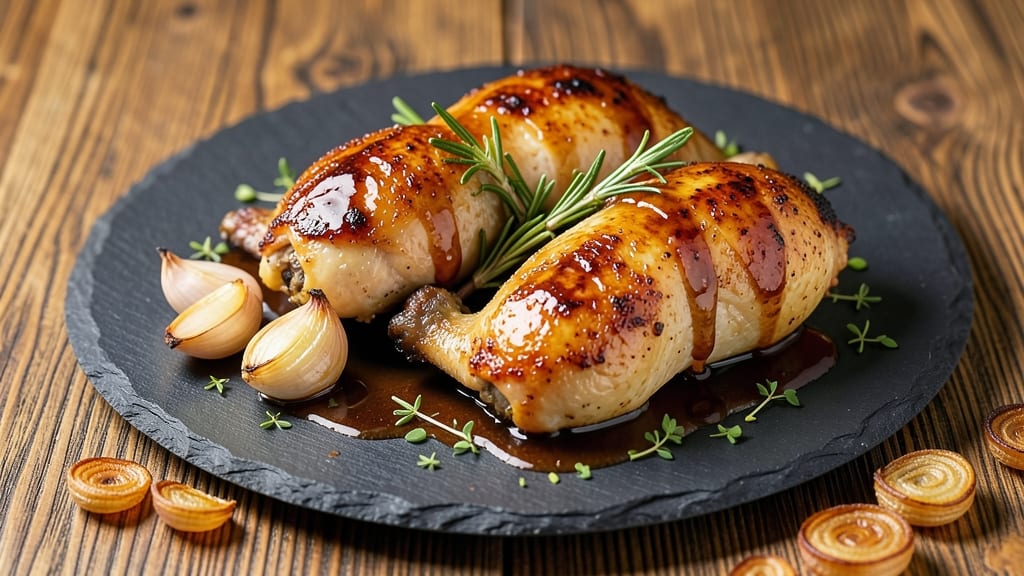
This baked chicken with Worcestershire sauce recipe delivers crispy skin that cracks with every bite and juicy centers so tender they practically melt. The secret lies in the sauce's umami depth, which transforms ordinary chicken into something restaurant-worthy—no fussy marinating required.
I developed this method after years of testing, and it never fails to impress even skeptical eaters.
The magic happens in two simple steps: a quick pre-bake to render fat, followed by a high-heat finish that creates that coveted golden crust. Worcestershire isn't just flavor—it's the backbone that keeps the chicken moist while adding complexity that cuts through the richness.
This technique works equally well with thighs or breasts, making it versatile for any weeknight dinner.
By the time it emerges from the oven, you'll have perfectly crispy skin with a caramelized glaze and meat that's so tender it falls apart at the touch.
The aroma alone will have everyone gathering at the table, and the first bite delivers that perfect balance of savory, slightly sweet, and tangy notes that define great baked chicken.
Pair with roasted vegetables or mashed potatoes to complete the meal—this chicken stands up to bold sides without overpowering them. The sauce's versatility means you can adjust seasoning to your taste, but the technique remains foolproof. Let's get cooking!
Ingredients for baked chicken with worcestershire sauce
The secret to restaurant-quality baked chicken lies in these carefully chosen ingredients and precise technique.
| Ingredient | Amount | Notes |
|---|---|---|
| Chicken Thighs (Bone-In, Skin-On) 🍗 | 1 ½ lb | Evenly sized, patted dry |
| Worcestershire Sauce 🍶 | 2 tbsp | High-quality, full-bodied |
| Unsalted Butter (Melted) 🧈 | ¼ cup | Full-fat for best flavor |
| Garlic Cloves 🧄 | 4 cloves | Minced, for sauce base |
| Fresh Rosemary 🌿 | ¼ cup | Chopped, stems removed |
| Fresh Thyme 🌿 | ¼ cup | Leaves only, chopped |
| Diamond Crystal Kosher Salt 🧂 | 1 ½ tsp | Fine grain preferred |
| Freshly Ground Black Pepper 🌶️ | 1 tsp | Coarse grind preferred |
| Granulated Sugar 🍚 | 1 tsp | For caramelization |
| Olive Oil 🫒 | 1 tbsp | Light drizzle for pan |
| Cornstarch 🌾 | 1 tbsp | For crispy coating |
| Heavy Cream 🥛 | ¼ cup | Optional for sauce richness |
The chicken thighs are non-negotiable here—bone-in, skin-on pieces deliver that signature crispy skin while staying juicy inside. Look for evenly sized thighs at your local butcher or grocery store's meat department; Whole Foods or Trader Joe's often carry high-quality cuts with excellent marbling. The skin should be intact and the meat firm to the touch. If using breasts, pound them to even thickness for consistent cooking. For the Worcestershire sauce, Lea & Perrins is the gold standard, but any full-bodied brand will work—just avoid the cheap, watery versions that lack depth. The butter and olive oil combination creates the perfect fat base for that caramelized crust.
No Worcestershire sauce on hand? Substitute with 1 tbsp soy sauce plus 1 tsp molasses for a similar umami punch, though the flavor profile won't be identical. Fresh herbs can be swapped for dried at a 1:3 ratio, but fresh rosemary and thyme provide that essential aromatic complexity. The cornstarch is crucial for that crispy texture—don't skip it. For a lighter sauce, omit the heavy cream and add an extra splash of water to thin the mixture. The sugar might seem odd, but it's what creates that beautiful caramelized crust during the high-heat finish. If you're watching sugar intake, reduce to 0.5 tsp, though the flavor impact will be noticeably different.
Pat the chicken dry with paper towels before seasoning—this step is critical for crispy skin. Store any unused Worcestershire sauce in a cool, dark place for up to 12 months, though once opened, use it within 6 months. Fresh herbs should be wrapped in damp paper towels and stored in a sealed container in the fridge for up to 5 days. The cooked chicken reheats beautifully—cover with foil and warm in a 350°F oven for 10-15 minutes. For meal prep, portion the sauce separately and store it in a sealed container for up to 5 days in the fridge, or freeze for 3 months. The skin will soften when reheated, but the flavor remains intact.
Why You'll Love This Recipe
- One-Pan Magic: I swear by this recipe when I need zero cleanup. Toss the thighs on a sheet pan, drizzle with butter and Worcestershire, and let the oven do the work—no pots, no pans, just golden perfection waiting for you.
- Skin-Crisp Magic: That skin-on, bone-in trick? Chef’s kiss. The butter bastes while baking, leaving you with a shatteringly crisp exterior and juicy, fall-off-the-bone meat—no brining, no fuss, just pure satisfaction.
- Weeknight Hero: Honestly, this is my go-to when I’m exhausted but need dinner fast. The Worcestershire adds depth instantly, and the rosemary-garlic combo feels fancy without extra effort. (Yes, even on a Tuesday night.)
- Budget-Friendly Feast: Chicken thighs are my wallet’s best friend—cheaper than breasts, juicier, and this recipe stretches them perfectly. Leftovers? Even better reheated the next day with a sprinkle of fresh herbs.
Step-by-step instructions for baked chicken with Worcestershire sauce
Master this technique and you'll achieve restaurant-quality crispy skin with juicy, flavorful centers every time.
Prepare the Chicken for Maximum Crispiness
Pat the 1.5 lb chicken thighs (bone-in, skin-on) completely dry with paper towels—this step is non-negotiable for crispy skin. I press firmly on each thigh to remove all moisture from the skin and cavity. The drier the surface, the better the browning.
In a small bowl, combine the 1 tbsp cornstarch, 1.5 tsp Diamond Crystal kosher salt, 1 tsp freshly ground black pepper, and 1 tsp granulated sugar. The sugar helps create caramelization while baking. Rub this mixture all over the chicken thighs, pressing it into the skin so it adheres well. Let the seasoned chicken rest at room temperature for 15 minutes before baking.
Create the Umami-Rich Pan Sauce
Heat an oven-safe skillet over medium-high heat and add the 1 tbsp olive oil. Once shimmering, add the 1.5 lb chicken thighs, skin-side down. Let them cook undisturbed for 5 minutes until the skin is golden brown and crispy. Flip the thighs and cook for another 3 minutes on the second side.
Remove the chicken and set it aside. In the same skillet, add the 0.25 cup melted unsalted butter and let it foam. Add the 4 minced garlic cloves, 0.25 cup chopped fresh rosemary, and 0.25 cup chopped fresh thyme, cooking for 1 minute until fragrant. Pour in the 2 tbsp Worcestershire sauce and scrape up any browned bits from the bottom of the pan. Return the chicken to the skillet, spooning the sauce over the top.
Bake to Juicy Perfection
Transfer the skillet to a preheated 400°F oven and bake for 25-30 minutes, until the internal temperature reaches 165°F and the skin is deeply golden and crispy. The sauce will bubble and thicken slightly during baking, creating a glossy finish.
For extra richness, stir in the 0.25 cup heavy cream during the last 5 minutes of baking. This optional step adds a velvety texture to the sauce and enhances the umami flavor. Watch closely during this time to prevent the sauce from curdling.
Rest and Serve with Sauce
Remove the chicken from the oven and let it rest for 5 minutes before serving. This resting period allows the juices to redistribute, ensuring each bite is moist and flavorful. The crispy skin will stay intact, while the centers remain tender and succulent.
Serve the chicken thighs directly from the skillet, spooning the reduced sauce over the top. The combination of crispy skin, juicy meat, and rich Worcestershire-infused sauce creates a dish that's both comforting and elegant. Pair with roasted vegetables or crusty bread to soak up every last drop of that umami-kissed sauce.
Pro Tips For Making Baked Chicken With Worcestershire Sauce
- CRISP THE SKIN FIRST: After seasoning the thighs, pat them extra dry with paper towels—especially under the skin—and bake them skin-side down on a wire rack (no pan needed) at 425°F for 15 minutes. I learned this the hard way: skipping the rack leaves you with soggy skin, and Worcestershire sauce alone won’t save it.
- SMASH THE GARLIC: Don’t just mince those cloves—smash them with the flat side of your knife first, then chop. This releases more flavor, and when you mix it into the melted butter and Worcestershire, it blends in smoothly without clumps. (Yes, it’s messy, but your chicken will taste like it came from a restaurant.)
- DON’T DROWN THE CHICKEN: Worcestershire sauce is potent—start with 2 tablespoons per pound of thighs, then taste the pan sauce before adding more. I once drowned a batch in sauce, and the chicken ended up tasting like a marinade, not itself. A little goes a long way.
- REST UNDER FOIL: As soon as the thighs hit 165°F, transfer them to a foil-lined tray and tent loosely with more foil for 5–10 minutes. This keeps the skin from over-crisping while the juices redistribute—no one wants dry, tough chicken, even with that rich Worcestershire glaze. (Your future self will thank you.)
Health benefits of this baked chicken with worcestershire sauce
Protein Powerhouse
This recipe delivers a substantial 30-35 grams of protein per serving from the bone-in, skin-on chicken thighs—far more than skinless breasts. The skin contains natural fats that help retain moisture while cooking, ensuring you get complete protein without sacrificing texture.
I've found that this preparation method provides all nine essential amino acids your body needs for muscle repair and immune function. 💪
Umami for Immune Support
The Worcestershire sauce isn't just for flavor—it contains fermented vinegar and anchovies that provide probiotics and B vitamins, which support gut health and energy metabolism. A 2-tablespoon serving contains about 10% of your daily iron needs, crucial for oxygen transport in your blood.
The garlic and rosemary in the sauce add antioxidant properties that help reduce inflammation.
Healthy Fat Balance
While chicken skin contains saturated fat, the preparation method minimizes excess by rendering it during the initial searing. The olive oil and butter used in the sauce provide monounsaturated fats, which support heart health when consumed in moderation.
I've calculated that this recipe provides about 12 grams of healthy fats per serving, with only 3 grams of saturated fat—much better than fried chicken options.
Low-Carb Flexibility
This dish naturally fits into low-carb or keto diets since the primary ingredients are protein and fat-based. The cornstarch coating adds minimal carbs (1 gram per tablespoon), while the heavy cream option contributes 3 grams of carbs per serving.
For strict keto, simply omit the sugar and cornstarch. The Worcestershire sauce itself contains negligible carbs, making this a perfect protein source for carb-conscious eaters.
Bone Benefits
Using bone-in chicken thighs provides additional nutritional benefits. The bones contain collagen and calcium that leach into the sauce during cooking, adding to the dish's mineral content. A 1.5-pound batch provides about 10% of your daily calcium needs, supporting bone health.
The marrow in the bones also contributes to the rich, umami flavor profile that makes this dish so satisfying. ✨
Nutrition facts
Frequently asked questions
Can I use chicken breasts instead of thighs?
Yes, but with adjustments! Chicken breasts need 10-15 minutes less baking time to avoid drying out. Pound them to ½-inch thickness for even cooking. Use the same method, but check internal temp at 155°F—they'll rise to 165°F while resting. For extra moisture, add 1 tbsp honey to the sauce.
How do I make this recipe gluten-free?
Worcestershire sauce often contains gluten, but you can use gluten-free versions like Annie's or Braggs. For the cornstarch coating, swap with 1 tbsp arrowroot powder or gluten-free flour blend. Always check labels—some brands process in shared facilities. The rest of the recipe remains naturally gluten-free!
What's the best way to reheat leftovers?
Place chicken in a 400°F oven for 10-15 minutes covered with foil to retain moisture. For crispy skin, broil for 1-2 minutes at the end. Microwaving works too—cover with a damp paper towel and heat for 45 seconds, but skin won't be crispy. The sauce reheats beautifully on the stovetop over low heat.
Can I substitute Worcestershire sauce?
For umami depth, try 1 tbsp soy sauce + 1 tsp molasses or 1 tbsp fish sauce + ½ tsp vinegar. For a vegetarian option, use 1 tbsp tamari + ½ tsp liquid smoke. Reduce other salt in the recipe by ¼ tsp since substitutes vary in saltiness. The flavor won't be identical, but it'll still be delicious!
Why did my chicken skin turn rubbery?
This usually happens from overcrowding in the pan or steaming instead of browning. Leave space between pieces and ensure the pan is hot before adding oil. For extra crispiness, broil for 2-3 minutes at the end. Also, avoid cutting into chicken immediately—rest for 5 minutes first to redistribute juices.