
Main Courses
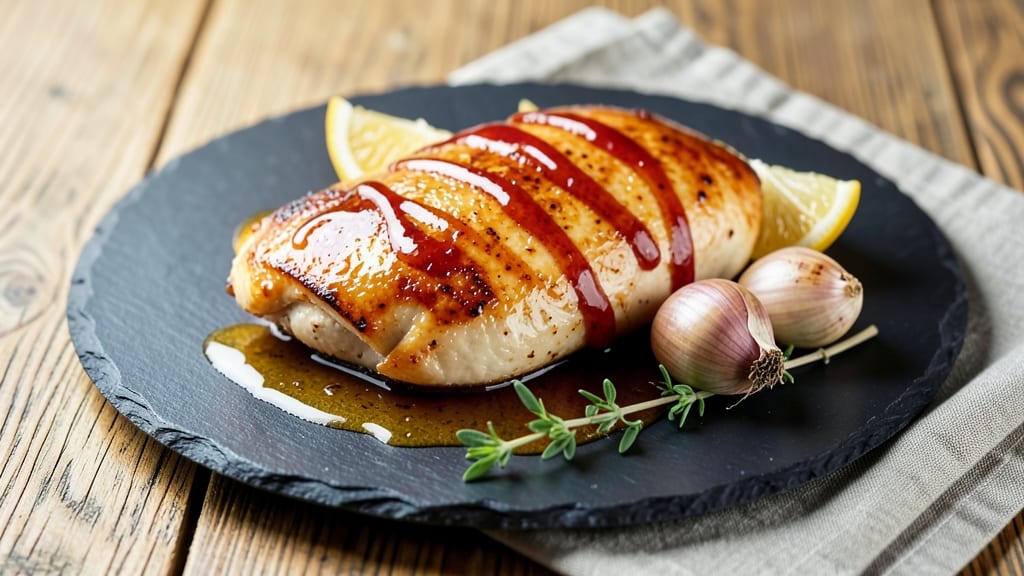
This baked Dijon chicken breast recipe delivers restaurant-quality results with a tangy mustard crust and juicy, foil-sealed perfection. The Dijon mustard works double duty—tenderizing the chicken while creating a flavorful bark that seals in moisture.
After years of perfecting this technique, I’ve found the secret lies in a simple marinade and precise oven timing that guarantees tender, flavorful results every time.
The beauty of this method is its simplicity: just a few pantry staples, a quick marinade, and 25 minutes in the oven at 375°F. The foil-sealing technique ensures the chicken stays impossibly juicy, while the Dijon adds depth that transforms ordinary chicken into something extraordinary.
No special equipment is needed—just your oven and a little patience for the marinating step.
By the time it emerges from the oven, you’ll have golden-brown chicken with a crispy crust and tender, succulent meat inside. The Dijon flavor infuses every bite, creating a balance of tangy and savory that pairs beautifully with roasted vegetables or a light vinaigrette.
This is the kind of dish that elevates a simple weeknight dinner into something special without requiring hours in the kitchen.
Perfect for meal prep or serving immediately, this recipe scales easily for a crowd. The foil-sealing method also makes it ideal for batch cooking—just adjust the oven time slightly for larger quantities. Let’s get started on creating your most flavorful baked chicken yet.
Ingredients for baked dijon chicken breast
Restaurant-quality flavor with just these eleven ingredients—simple yet transformative for weeknight dinners.
| Ingredient | Amount | Notes |
|---|---|---|
| Boneless, Skinless Chicken Breast 🍗 | 1 ½ lb | Pounded to even thickness |
| Dijon Mustard 🥫 | ½ cup | High-quality, smooth variety |
| Olive Oil 🫒 | 2 tbsp | Extra-virgin for richness |
| Garlic Cloves 🧄 | 4 cloves | Minced for marinade |
| Fresh Lemon Juice 🍋 | 2 tbsp | Freshly squeezed |
| Honey 🍯 | 1 tbsp | For balanced sweetness |
| Salt 🧂 | 1 ½ tsp | Diamond Crystal kosher |
| Ground Black Pepper 🌶️ | 1 tsp | Freshly cracked |
| Aluminum Foil 📄 | 1 sheet | Heavy-duty for sealing |
| Fresh Parsley 🌿 | ¼ cup | Chopped, for garnish |
| Unsalted Butter 🧈 | 1 tbsp | Melted for basting |
The Dijon mustard is non-negotiable here—Maille or Amora deliver that signature tang without bitterness. Whole Foods or specialty grocery stores carry the best quality, but any smooth Dijon from the regular supermarket works in a pinch. Fresh garlic and lemon juice elevate the marinade, so don’t substitute bottled lemon juice—the flavor difference is noticeable. The chicken breasts should be similar in size for even cooking; if uneven, pound the thicker pieces to ¼-inch thickness for consistent results. For extra insurance, let the chicken sit at room temperature for 15 minutes before marinating.
No Dijon mustard? Whole-grain mustard thinned with 1 tbsp water works in a bind, though the flavor won’t be identical. Substituting bottled lemon juice is fine, but fresh is always better. The honey adds balance to the tangy mustard—agave nectar works 1:1 if you prefer a vegan option. For the olive oil, avoid heavily flavored varieties like infused oils, as they can overpower the delicate marinade. If you’re meal prepping, marinate the chicken for up to 24 hours for deeper flavor infusion, but no longer to prevent texture issues.
This recipe reheats beautifully—simply cover with foil and warm in the oven at 350°F for 10-15 minutes. The foil-sealed method means leftovers stay juicy for 3-4 days in the fridge, though the flavor improves after resting overnight. For long-term storage, freeze cooked chicken for up to 3 months—thaw overnight in the fridge before reheating. Garnish with fresh parsley just before serving to maintain vibrant color and aroma. The melted butter basting step is worth the extra minute—it adds richness that dry heat alone can’t achieve.
Why You'll Love This Recipe
- No Chopping Needed: I swear by this one—just pound the chicken to even thickness, slather on that tangy Dijon, and pop it in the oven. No knife skills required, just hands-on time.
- Crispy-Tender Magic: That garlic-infused olive oil and lemon juice? It turns bland chicken into something juicy with a golden crust. Honestly, the first bite makes you question why you ever bought pre-marinated.
- Lunchbox Hero: Between us, this keeps perfectly for days. Pack slices cold for sandwiches or reheat quickly—no sad, dry leftovers here. My kids actually eat their lunch now.
- Pantry Staple Power: Dijon, garlic, lemon—ingredients you already own. No fancy substitutions, no last-minute grocery runs. I’ve made this with whatever was in my fridge, and it still comes out solid.
Step-by-step instructions for baked Dijon chicken breast
Master this tangy mustard technique for perfectly juicy, flavorful chicken every time.
Pound and Season the Chicken Breast
Place the 1.5 lb boneless, skinless chicken breast between two sheets of plastic wrap. Using a meat mallet, pound it to an even ½-inch thickness throughout. This ensures even cooking and prevents dryness in the center. I press firmly but evenly—no need to rush, as the chicken needs to be uniform for consistent results.
In a small bowl, combine the 0.5 cup Dijon mustard, 2 tbsp olive oil, 1 tbsp honey, 2 tbsp fresh lemon juice, 1.5 tsp salt, and 1 tsp ground black pepper. The Dijon mustard adds depth, while the honey and lemon juice balance the tanginess. Whisk until smooth, then spread this mixture evenly over both sides of the pounded chicken. Let it marinate for 15-20 minutes at room temperature—this allows the flavors to penetrate deeply.
Prepare the Foil Packet
Cut a large piece from the 1 sheet aluminum foil (about 18x12 inches). Place the marinated chicken in the center of the foil, then add the 4 minced garlic cloves and 1 tbsp melted unsalted butter around it. The butter helps create a rich, flavorful steam during baking. Fold the foil tightly around the chicken, sealing it completely to trap moisture and flavors inside.
Real talk: sealing the chicken in foil is non-negotiable here. Without it, the exterior would crisp while the inside stays raw—a classic chicken breast crime. The foil ensures the mustard marinade steams into the meat, guaranteeing juiciness from edge to edge.
Bake to Juicy Perfection
Preheat your oven to 375°F. Place the foil packet on a baking sheet lined with parchment paper for easy cleanup. Bake for 25-30 minutes, until the internal temperature reaches 165°F when measured with an instant-read thermometer. The chicken should feel firm to the touch but still tender, not rubbery.
Here's the thing—don't cut into it early. The residual heat will continue cooking the chicken even after you remove it from the oven. If you're unsure, use the thermometer. The 165°F mark is your golden standard for safe, juicy chicken every time.
Rest and Garnish
Remove the chicken from the foil and transfer it to a cutting board. Let it rest for 5-10 minutes before slicing. This resting period allows the juices to redistribute, preventing them from pooling on your plate. I know it's tempting to dig in immediately, but patience here makes all the difference.
While the chicken rests, chop the 0.25 cup fresh parsley and sprinkle it over the top. The parsley adds a bright, fresh contrast to the rich mustard crust. Serve the chicken sliced or whole, with any accumulated pan juices spooned over the top for extra flavor.
Pro Tips For Making Baked Dijon Chicken Breast
- Pound the Chicken Evenly: Skip the uneven thickness—flatten each breast to exactly ½-inch with a meat mallet or rolling pin. I used to eyeball it, but consistent thickness means perfect doneness every time. (Yes, it’s tedious, but your first piece won’t come out dry while the second burns.)
- Use Whole Garlic Cloves: Smash 3–4 unpeeled garlic cloves with the flat side of your knife instead of mincing them. The skins hold the flavor in while baking, and you avoid that bitter garlic paste taste that ruins everything. (Pro move: Slice the smashed cloves in half lengthwise so they caramelize faster.)
- Don’t Overmix the Marinade: Whisk the Dijon, olive oil, lemon juice, and a pinch of salt—but stop before it gets glossy. A slightly textured coating clings better to the chicken and won’t slide off in the oven. (I learned this after watching my first batch glaze pool on the tray instead of sticking.)
- Bake at 375°F, Not 400°F: High heat sounds impressive, but 375°F gives the Dijon mustard time to meld without scorching. At 400°F, the mustard burns before the chicken cooks through. (I know, I know—you want it fast. But 20 minutes at 375°F guarantees juicy meat and a rich crust.)
Pro cooking tips for this recipe
Marinade Magic
The Dijon mustard isn’t just for flavor—it’s the secret weapon for tenderizing the chicken. I always use Maille or Amora Dijon because their smooth texture coats the meat evenly.
Let the chicken marinate for at least 15 minutes at room temperature, but don’t exceed 24 hours—longer marinating can make the meat mushy. The honey and lemon juice in the marinade balance the tang, creating a harmonious flavor profile that’s both bold and refined. 🥫
Foil-Sealing Technique
This is where the real juiciness happens. Wrapping the chicken in heavy-duty aluminum foil traps steam, which cooks the meat gently from all sides.
Add a 1 tbsp melted butter and 4 minced garlic cloves inside the foil packet—the butter bastes the chicken as it bakes, while the garlic infuses every bite. Seal the foil tightly, leaving no gaps, or the steam will escape and dry out your chicken.
Temperature Control
Bake at a steady 375°F—any hotter, and the exterior will burn before the center cooks. Use an instant-read thermometer to check for 165°F internal temperature; this ensures the chicken is safe and juicy.
If your oven runs hot, reduce the temperature to 350°F and add 5-10 extra minutes to the cook time. The foil helps regulate heat, but consistency is key here.
Resting for Juiciness
Skipping the rest is the fastest way to ruin your chicken. Let it rest for 5-10 minutes after baking—this allows the juices to redistribute, so every bite stays moist. I like to tent the chicken loosely with foil during resting to keep it warm.
Garnish with fresh parsley just before serving to add a pop of color and freshness that cuts through the richness of the Dijon. 🌿
Equipment Shortcuts
No meat mallet? Use a rolling pin or even a heavy pan—just pound the chicken evenly. No instant-read thermometer? Cut into the thickest part; it should feel firm but still tender, with clear juices running out.
The foil-sealing method works with any oven, but a 375°F setting is ideal for consistent results. For extra crispiness, broil the chicken for 1-2 minutes at the end, but watch it closely to avoid burning.
Batch Cooking Tips
Double the recipe for meal prep, but adjust the foil size to accommodate larger pieces. Bake in batches if needed, keeping the second batch in the fridge until the first is done.
The foil-sealed chicken reheats beautifully—cover with fresh foil and warm in the oven at 350°F for 10-15 minutes. Store leftovers in an airtight container for up to 4 days, or freeze for 3 months without losing quality. 💪
Nutrition facts
Frequently asked questions
Why does this recipe use Dijon mustard instead of regular mustard?
Dijon mustard contains less vinegar and more finely ground mustard seeds, which creates a smoother, more flavorful crust without overpowering the chicken. The tanginess tenderizes the meat while adding depth that regular mustard can't match. For a similar effect, use whole-grain mustard thinned with 1 tbsp water if Dijon isn't available.
Can I bake this chicken without foil? What happens if I skip it?
Skipping the foil will give you a crispier exterior but risks dryness inside. The foil creates steam that keeps the chicken impossibly juicy by trapping moisture. If you prefer crispy skin, try baking uncovered for the last 5 minutes after removing from foil—but use a meat thermometer to ensure it reaches 165°F.
How do I adjust this for thicker chicken breasts?
If your chicken breasts are thicker than ½-inch, pound them to even thickness or bake at 350°F for 5-10 extra minutes. For breasts over 1-inch thick, consider butterflying (slicing horizontally) to ensure even cooking. Always check internal temperature with a thermometer—165°F is your target regardless of size.
What are the best sides to serve with this Dijon chicken?
This recipe pairs beautifully with creamy mashed potatoes, roasted Brussels sprouts, or a fresh green salad. For extra flavor, drizzle the chicken juices over your sides before serving. The tangy mustard flavor also works wonderfully with buttery corn or a light balsamic glaze on roasted vegetables.
Can I make this ahead of time for meal prep?
Yes! Cook the chicken as directed, then store in an airtight container for up to 4 days in the fridge. For longer storage, freeze for 3 months. To reheat, cover with foil and warm at 350°F for 10-15 minutes. The foil-sealing method means it reheats just as juicy as day one.