
Salads
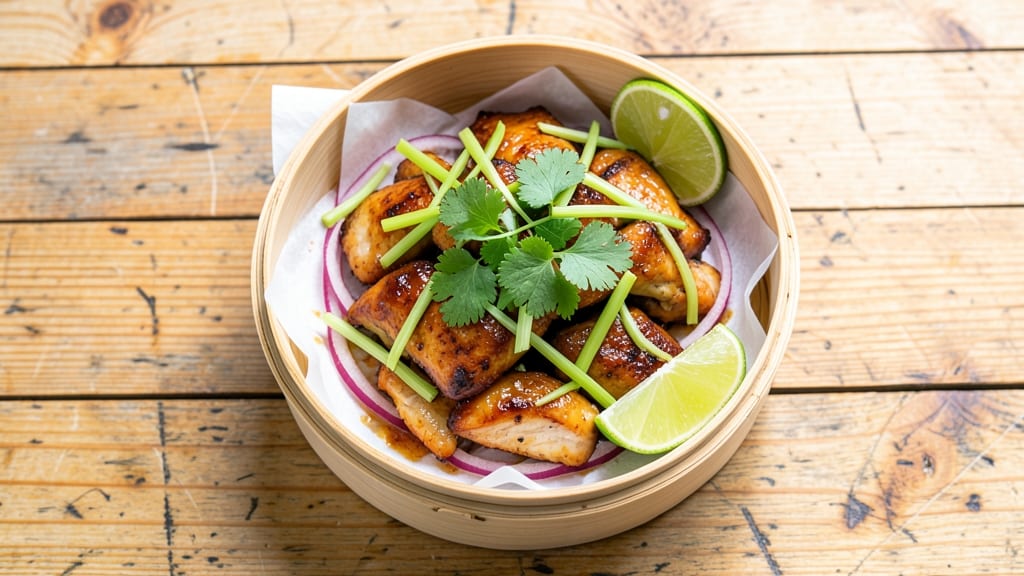
This bamboo chicken salad in a pouch brings Southeast Asian street food flair to your meal prep routine with its perfect balance of tender chicken, crisp celery, and fragrant herbs. The ingenious pouch method—whether using banana leaf, parchment, or food-grade plastic—locks in flavors while creating a restaurant-worthy presentation.
I developed this recipe after craving the fresh, vibrant taste of Vietnamese gỏi gà without the soggy salad dilemma, and the pouch technique solves it beautifully.
The magic lies in the marinade—a tangy blend of fish sauce, lime, and garlic—that transforms simple chicken into restaurant-quality bites, while the crunchy celery and fresh herbs stay vibrant even after cooking. This method isn’t just practical; it’s a game-changer for busy weeks when you want flavor without the fuss.
The pouch seals in moisture, ensuring tender chicken and crisp vegetables in every bite, no matter how far ahead you prep.
What makes this recipe stand out is the versatility—whether you steam, boil, or grill the pouches, the result is consistently perfect: juicy chicken with crisp-tender vegetables, all wrapped in an edible or heat-safe pouch that doubles as a presentation.
The aroma alone will have everyone asking for seconds, and the assembly process is simpler than you’d expect. This is meal prep elevated to an art form.
Serve as a light lunch, pack for work, or impress guests with these elegant, handheld portions. The pouch method isn’t just clever—it’s a cultural nod to how street food is enjoyed across Southeast Asia, where every bite is a balance of texture and flavor.
Let’s get started on this foolproof, flavor-packed recipe.
Ingredients for bamboo chicken salad in a pouch
Fourteen ingredients transform into vibrant, restaurant-quality bites with Southeast Asian flair.
| Ingredient | Amount | Notes |
|---|---|---|
| Boneless Chicken Breast 🍗 | 1 ½ lb | Cut into bite-sized pieces |
| Celery Stalks 🧅 | 3 whole | Cut into 1-inch pieces |
| Fresh Cilantro 🌿 | ½ cup | Stems removed, chopped |
| Fresh Mint Leaves 🌿 | ¼ cup | Finely chopped |
| Red Onion 🧅 | 1 whole | Thinly sliced |
| Lime Juice 🍋 | ½ cup | Freshly squeezed |
| Fish Sauce 🍶 | 2 tbsp | Red Boat preferred |
| Garlic Cloves 🧄 | 6 cloves | Minced |
| Sesame Oil 🫒 | 1 tbsp | Toasted sesame preferred |
| Sugar 🍚 | 1 tbsp | White granulated |
| Banana Leaves 🌿 | 4 sheets | Food-grade plastic alternative |
| Cooking Oil 🫒 | 1 tbsp | For pouch sealing |
| Salt 🧂 | 1 tsp | Kosher or sea salt |
| Black Pepper 🌶️ | ½ tsp | Freshly ground |
The chicken and celery are the stars here—look for plump, firm celery stalks with crisp edges, not rubbery ones. For chicken, boneless breast is ideal, but thighs work too if you prefer richer flavor. Red Boat fish sauce is a must for authentic taste, though Red Boat Red works if you can't find the original. Fresh herbs are non-negotiable; cilantro and mint should be bright green with no wilting. If using banana leaves, check they're food-safe and not too old—they should be vibrant green and pliable. Asian markets usually carry these, but grocery stores often stock them too.
No banana leaves? Parchment paper or food-grade plastic wrap works perfectly—just make sure it's heat-safe. Substituting fish sauce? Soy sauce plus a pinch of sugar gets you close, but you'll lose some depth. Fresh herbs wilt fast? Dried herbs at half the amount will work in a pinch, though texture suffers. For the celery, baby carrots or jicama add nice crunch. The marinade can be prepped a day ahead—just keep the chicken out until ready to assemble. If you can't find toasted sesame oil, regular sesame oil plus a pinch of smoked paprika mimics the flavor.
Fresh herbs keep best in damp paper towels in the fridge for up to 5 days. The banana leaves can be stored in the freezer for 3 months—just thaw before using. Assembled pouches stay fresh for 3 days in the fridge, but the flavor peaks after 24 hours when everything melds. For meal prep, assemble and refrigerate the pouches in a sealed container—they'll stay crisp and flavorful. Reheat gently to avoid soggy herbs, or eat cold for that fresh-from-the-market vibe.
Why You'll Love This Recipe
- No-Cook Assembly: I swear by this trick—just shred the chicken (poached or rotisserie works), toss it with the celery, onion, and herbs, then stuff it into those little bamboo pouches. No chopping, no mess, no stress. Honestly, it’s the kind of meal where I can chat with my kids while prepping instead of standing over a stove.
- Herb-Packed Punch: That cilantro and mint combo? It’s like a fresh breeze in your mouth. The red onion adds a sharp bite, and the celery keeps it crisp—no soggy salad here. I’ll be real: my husband steals these straight from the fridge when he thinks I’m not looking.
- Lunchbox Legend: These pouches are perfect for work lunches or school snacks. They stay fresh for days (yes, even in a hot car), and the bamboo keeps things from getting mushy. I make a batch on Sundays and hand them out like edible gold stars—my kids actually eat their veggies this way.
- Budget-Friendly Feast: Chicken breast is affordable, and the rest of the ingredients? Super cheap. A single rotisserie chicken covers half a batch, and the herbs stretch across multiple meals. Plus, leftovers? They’re just as good cold as they are fresh. Between us, this is how I feed my family without breaking the bank.
Step-by-step instructions for bamboo chicken salad in a pouch
Here's the precise method for creating flavorful, portable chicken salads wrapped in banana leaves.
Marinate and Cook the Chicken
In a bowl, combine the 1.5 lb boneless chicken breast (cut into bite-sized pieces), 0.5 cup lime juice, 2 tbsp fish sauce, 1 tbsp sugar, 6 minced garlic cloves, 1 tsp salt, and 0.5 tsp black pepper. Mix well to coat the chicken evenly, then let it marinate for at least 30 minutes at room temperature.
Heat 1 tbsp cooking oil in a skillet over medium-high heat. Add the marinated chicken and cook for 5-7 minutes, stirring occasionally, until the chicken is fully cooked through and reaches an internal temperature of 165°F. The chicken should be opaque and no longer pink in the center. Remove from heat and let it cool slightly before proceeding.
Prepare the Herb and Celery Mixture
In a separate bowl, combine the 3 whole celery stalks (cut into 1-inch pieces), 1 whole red onion (thinly sliced), 0.5 cup chopped fresh cilantro, and 0.25 cup finely chopped fresh mint leaves. This mixture forms the crunchy, herb-packed base of your salad. Set aside until ready to use.
In a small saucepan, gently heat the 1 tbsp sesame oil over low heat for 1-2 minutes until fragrant. Remove from heat and let it cool slightly before combining with the herb mixture. This step enhances the flavor without overpowering the fresh ingredients.
Assemble the Chicken Salad Pouches
Lay out 4 sheets of banana leaves on a clean, flat surface. If using food-grade plastic as an alternative, ensure the sheets are large enough to wrap the filling securely. Divide the cooked chicken evenly among the banana leaves, placing about ¼ of the chicken on each sheet.
Next, distribute the herb and celery mixture evenly over the chicken. Spoon about 1 tablespoon of the mixture on each sheet, spreading it to cover the chicken completely. This ensures each pouch has a balanced mix of protein and fresh vegetables.
Seal and Secure the Pouches
To seal each pouch, fold the banana leaves over the filling, starting from one side. Bring the opposite sides together and fold again, creating a tight, secure package. For extra security, use a small piece of kitchen twine or a rubber band to tie the pouch closed. This prevents the filling from spilling out during storage or transport.
Place the sealed pouches in the refrigerator for at least 2 hours before serving. This allows the flavors to meld together and ensures the banana leaves soften slightly, making the pouches easier to eat. Store in an airtight container for up to 3 days for maximum freshness.
Pro Tips For Making Bamboo Chicken Salad In A Pouch
- Poke the Chicken First: I learned this the hard way—skipping this step means your chicken will stay tough and chewy even after cooking. Use a meat mallet or the flat side of a knife to pound the breasts to an even ½-inch thickness before seasoning. This ensures they cook through without drying out when wrapped in the bamboo pouch.
- Soak the Bamboo Pouch: This isn’t the prettiest method, but it’s the tastiest: give your bamboo steamer pouch a quick 10-second soak in warm water before assembling. It prevents the chicken from sticking and makes sealing the pouch effortless—no more fighting with stubborn edges when you’re ready to steam.
- Slice the Onion Thinly: I was skeptical until I tried it: thinly sliced red onion (about ⅛-inch thick) actually caramelizes slightly during steaming, adding a subtle sweetness that balances the dish. Use a sharp knife and cut against the grain for cleaner slices—no one wants a mouthful of onion strings in their salad.
- Add the Herbs Last: Fresh cilantro and mint wilt fast, so toss them in just before serving. If you must prep ahead, store them separately in a damp paper towel and fold them into the salad pouch only in the final 5 minutes of steaming—this keeps their bright flavor intact and avoids a sad, limp garnish.
Regional styles of this recipe
Vietnamese Street Food Roots
The bamboo chicken salad concept finds its roots in Vietnamese gỏi gà, a fresh herb salad traditionally served with grilled chicken. The pouch technique mirrors how street vendors in Hanoi and Ho Chi Minh City package their dishes for on-the-go eating.
I first tasted this style in a bustling market where vendors wrapped salads in banana leaves to keep ingredients crisp and flavors vibrant.
The key difference here is the marinade—our version uses fish sauce and lime, while traditional Vietnamese salads often rely on nuoc cham (dipping sauce) for brightness. 🌿
Thai Green Curry Twist
For a Thai-inspired variation, swap the fish sauce for 2 tbsp green curry paste> (like Maesri) and add 1 tbsp coconut milk> to the marinade. Include ½ cup Thai basil> instead of mint, and fold in 2 tbsp shredded coconut> when assembling the pouches.
This version channels the aromatic complexity of Thai street food while keeping the pouch format. The coconut adds a subtle sweetness that balances the heat from the curry paste. 🌶️
Filipino Lechon-Inspired
Transform this into a Filipino-style dish by marinating the chicken in ½ cup calamansi juice> (or sub with lime) and 1 tbsp adobo sauce>. Add ½ cup chopped kalamansi leaves> (or sub with extra mint) and 2 tbsp toasted garlic> to the herb mixture.
The tangy, savory profile mirrors lechon manok> (Filipino roasted chicken) while keeping the fresh salad texture. Serve with a side of sinigang broth> for dipping. 🍗
Japanese Bento Box Adaptation
For a Japanese-inspired take, replace the fish sauce with 2 tbsp soy sauce> and add 1 tsp mirin> to the marinade. Use ½ cup shiso leaves> (or sub with basil) and 2 tbsp pickled ginger> in the herb mixture.
Wrap the pouches in nori sheets> instead of banana leaves for a bento-box aesthetic. This version keeps the fresh, vibrant quality while incorporating umami-rich Japanese flavors. 🍱
Malaysian Nasi Lemak Fusion
Infuse Malaysian flavors by adding 1 tbsp sambal oelek> to the marinade and including ½ cup shredded cucumber> and 2 tbsp fried shallots> in the herb mixture. Use ½ cup fresh lemongrass leaves> (finely chopped) for aroma.
Serve the pouches with a side of coconut rice> and peanut sauce> for dipping. This fusion captures the bold, spicy-sweet balance of Malaysian street food. 🌶️
Modern Meal Prep Hack
For a contemporary twist, use pre-cooked rotisserie chicken> (shredded) and mix in ½ cup quinoa> for extra protein. Add ½ cup diced avocado> to the herb mixture and drizzle with 1 tbsp lime zest> before sealing.
This version is perfect for busy professionals who want restaurant-quality meals without the prep. Store the pouches in the fridge for up to 4 days>—the avocado stays fresh longer than you’d expect. 💡
Nutrition facts
Frequently asked questions
Can I use regular plastic wrap instead of banana leaves?
Yes! Food-grade plastic wrap or parchment paper works perfectly as a substitute. Just ensure it's heat-safe if you plan to steam or boil the pouches. The plastic won't impart flavor like banana leaves, but it keeps everything secure and easy to eat. For extra authenticity, try using nori sheets (Japanese seaweed) for a subtle umami touch.
How long should I marinate the chicken for best flavor?
For maximum flavor, marinate the chicken for at least 30 minutes, but 2-4 hours in the fridge yields deeper, more complex taste. If you're short on time, a 15-minute marinade still works—just be sure to cook the chicken thoroughly to 165°F. The acidity in lime juice works quickly!
Can I make these pouches ahead of time for meal prep?
Assemble the pouches up to 3 days in advance and store them in an airtight container in the fridge. The flavors actually improve as they meld together. For best texture, eat within 3 days—after that, the herbs may start to wilt slightly. Reheat gently if needed to revive crispness.
What if my banana leaves are too stiff to fold?
If your banana leaves feel too rigid, try these tricks: Soak them in warm water for 5 minutes to soften, or gently heat them over a gas flame for 10 seconds per side (be careful not to burn!). If they still resist, use parchment paper instead—it's just as effective for sealing.
Can I add other proteins to this recipe?
Certainly! Swap chicken for shrimp (cook for 2-3 minutes less), tofu (press and marinate similarly), or even beef strips (use a 1-inch cut for quick cooking). For seafood, reduce the marinating time to 15 minutes to prevent overcooking. The pouch method works beautifully with any protein!