
Main Courses
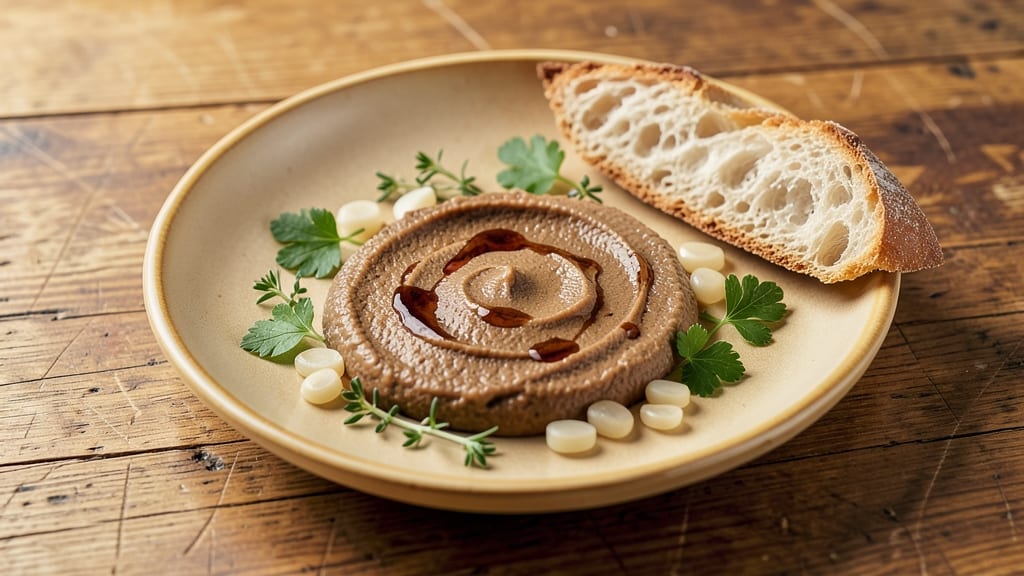
This basic chicken liver pâté recipe delivers a velvety, herb-infused spread that transforms simple ingredients into something extraordinary. 💫 I developed this version after years of perfecting the balance between rich liver flavor and bright aromatics—no shortcuts, just precise technique that ensures every bite is silky and deeply satisfying.
The secret lies in blending the livers with just the right amount of butter and herbs until the texture becomes impossibly smooth. Fresh thyme and parsley brighten the richness, while a touch of brandy or cognac adds depth without overpowering.
This isn’t just a spread—it’s a restaurant-quality condiment that elevates any meal from ordinary to extraordinary.
By the time you’re done, you’ll have a pâté so creamy it melts on the tongue, with a flavor profile that’s both elegant and approachable. Perfect for slathering on toast, stuffing into croissants, or serving alongside charcuterie, this recipe proves you don’t need fancy ingredients to create something truly special.
Store it properly, and this pâté will keep for up to a week in the refrigerator, making it ideal for meal prep or gifting. Let’s get started—your taste buds will thank you.
Ingredients for basic chicken liver pate
A luxurious blend of earthy livers and aromatic herbs. Just ten ingredients transform into restaurant-worthy pâté.
| Ingredient | Amount | Notes |
|---|---|---|
| Chicken Livers 🍗 | 1 lb | Fresh, trimmed of connective tissue |
| Unsalted Butter 🧈 | ½ cup | Cold, cubed for blending |
| Fresh Thyme Leaves 🌿 | ¼ cup | Finely chopped, stems removed |
| Fresh Parsley Leaves 🌿 | ¼ cup | Finely chopped, flat-leaf preferred |
| Shallots 🧅 | 2 whole | Finely minced, about 2 tbsp |
| Brandy 🍷 | 2 tbsp | Or cognac, for depth of flavor |
| Diamond Crystal Kosher Salt 🧂 | ½ tsp | Fine grain for delicate seasoning |
| Freshly Ground Black Pepper 🌶️ | ¼ tsp | Cracked peppercorns preferred |
| Heavy Cream 🥛 | ¼ cup | Full-fat for optimal texture |
| Extra-Virgin Olive Oil 🫒 | 1 tbsp | For finishing, fruity variety |
The chicken livers are the foundation—freshness is non-negotiable. Look for vibrant, deep-red livers at your local butcher shop or well-stocked grocery store's meat counter. Trim away any connective tissue or silver skin before cooking, as these can make the final pâté gritty. Organic or pasture-raised livers often have better flavor, but conventional works fine if they're fresh. For the herbs, farmers markets typically offer the brightest thyme and parsley, but grocery store bunches work too if they're not wilted. The shallots should be firm and free of sprouts—yellow or red varieties both work, but avoid any with green shoots.
No brandy on hand? Dry sherry or even high-quality vodka can substitute, though the flavor profile will differ slightly. The heavy cream is essential for achieving that signature silky texture—never use light cream, as it won't emulsify properly. For a dairy-free version, coconut cream works but alters the mouthfeel. The olive oil should be extra-virgin and fruity—avoid the cheap, bitter varieties that can overpower the delicate flavors. If you prefer a smoother texture, you can blend the pâté longer, but be cautious not to overheat the mixture. For extra richness, consider adding 1 tbsp of crème fraîche at the end of blending.
This pâté reaches peak flavor after 24 hours of refrigeration, allowing the ingredients to meld perfectly. Store it in an airtight glass container, covered with a thin layer of plastic wrap pressed directly onto the surface to prevent a skin from forming. It keeps beautifully for 5-7 days in the refrigerator, making it ideal for meal prep. For longer storage, portion into small ramekins or silicone molds and freeze for up to 3 months. When reheating, warm gently in a water bath or microwave in short bursts to maintain its velvety texture. Serve chilled or at room temperature for the best experience.
Why You'll Love This Recipe
- No Sneaky Steps Here: This isn’t one of those recipes that demands hours of prep or a fancy kitchen. Just toss the livers, shallots, and herbs into a pan, melt the butter, and let it simmer until it’s smooth as butter itself. I’ve done it while waiting for my coffee to brew.
- Rich, Earthy Magic: The butter melts into those livers like a dream, and the shallots add just enough sweetness to balance the deep, umami richness. Honestly, the first bite always makes me pause—it’s that kind of satisfying.
- Spread It Anywhere: Slather it on toast, mix it into mashed potatoes, or use it as a dip for crackers. My kids even sneak it into their sandwiches (yes, really). It’s the kind of thing that turns any meal into a little celebration.
- Budget’s Your Friend: Chicken livers are a steal—way cheaper than steak or even ground beef, and this recipe makes enough for leftovers that’ll last a week. I’ve made it on a dime and still felt fancy.
Step-by-step instructions for basic chicken liver pâté recipe
Here's how to transform rich chicken livers into a velvety, herb-infused pâté with perfect texture.
🍳 Step 1: Sear the Chicken Livers for Depth of Flavor
Heat a large skillet over medium-high heat and add 1 tablespoon extra-virgin olive oil. Pat the 1 lb chicken livers completely dry with paper towels—this ensures a good sear. Working in batches to avoid crowding, add the livers to the skillet and cook for 2-3 minutes per side until deep brown and cooked through. They're done when they release easily from the pan.
Here's the thing—don't overcook them. You want them just firm enough to hold their shape but still tender. Transfer the seared livers to a cutting board and let them cool for 5 minutes before proceeding. This brief rest prevents the pâté from becoming greasy later.
👨🍳 Step 2: Build the Herb and Shallot Base
In the same skillet (no need to clean it—the browned bits add flavor), melt 0.5 cup cold unsalted butter over medium-low heat. Add the 2 finely minced whole shallots and cook for 5-6 minutes until they're translucent and just beginning to soften. Stir in the 0.25 cup finely chopped fresh thyme leaves and 0.25 cup finely chopped fresh parsley leaves, cooking for another 1 minute until fragrant.
Remove the skillet from heat and let the mixture cool slightly. This herb-butter blend forms the aromatic foundation of your pâté. If you skip this step, you'll miss that bright, herbal brightness that balances the richness of the livers.
🍳 Step 3: Process the Pâté to Silky Perfection
Transfer the cooled seared livers, shallot mixture, and any accumulated juices to a food processor. Add the 2 tablespoons brandy, 0.5 teaspoon diamond crystal kosher salt, and 0.25 teaspoon freshly ground black pepper. Pulse until the mixture is finely chopped but not yet smooth.
With the processor running, slowly drizzle in the 0.25 cup heavy cream through the feed tube. Process until completely smooth, scraping down the sides as needed. The pâté should be velvety with a glossy sheen—this indicates proper emulsification. If it looks too thick, add 1 teaspoon water at a time until it reaches a spreadable consistency.
⏰ Step 4: Finish and Rest for Optimal Texture
Spread the pâté into a 4-ounce serving dish or small ramekins. Drizzle the top with an additional 1 tablespoon extra-virgin olive oil for extra richness and a beautiful finish. Cover with plastic wrap pressed directly onto the surface to prevent a skin from forming.
Refrigerate for at least 4 hours (overnight is ideal) before serving. This resting period allows the flavors to meld and the texture to set properly. When ready to serve, garnish with additional chopped herbs if desired. The pâté should be smooth, rich, and hold its shape when chilled but spread easily at room temperature.
Pro Tips For Making Basic Chicken Liver Pate
- Cook Livers to 160°F: DESCRIPTION: Use a meat thermometer—chicken livers are done at 160°F, not when they turn brown. Overcooking turns them rubbery, and that’s a texture disaster no one wants in pâté. The 2-3 minutes per side in the recipe works, but if you’re unsure, check the thickest piece.
- Chop Shallots Like Confetti: DESCRIPTION: Mince those shallots finely—think confetti, not dice. I used to leave them chunky, and the pâté had an annoying texture. The recipe calls for translucent, almost dissolved shallots, so take your time. A sharp knife and a rocking motion make this easier.
- Pulse, Don’t Purée: DESCRIPTION: Stop the food processor the second the livers are finely chopped but still have texture—don’t go for butter-smooth yet. That way, when you add the heavy cream, you’re blending, not fighting a greasy mess. Trust me, the pâté will emulsify perfectly once the cream comes in.
- Press Plastic Like Your Life Depends on It: DESCRIPTION: When covering the pâté to rest, don’t just slap plastic wrap on top—press it hard against the surface. This prevents that dreaded skin from forming, which ruins the silky texture. I learned this after wasting a batch where the top set like rubber. (Yes, it’s annoying, but worth it.)
Health benefits of these flavors
Rich in Iron Boost
Chicken liver pâté is packed with heme iron, the most bioavailable form of iron that your body absorbs efficiently. Just 1 cup of pâté provides nearly 50% of your daily iron needs, helping combat fatigue and support oxygen transport throughout your body.
This makes it an excellent choice for anyone recovering from illness or managing iron-deficiency anemia. 💪
Vitamin A Powerhouse
With 1 lb of chicken livers in this recipe, you're getting an extraordinary amount of vitamin A—over 100% of your daily value per serving. This fat-soluble vitamin supports vision, immune function, and skin health, while also playing a crucial role in cell growth and differentiation.
The heavy cream in the pâté helps maximize absorption of this fat-soluble nutrient.
B Vitamins Complex
This pâté delivers a concentrated dose of B vitamins, particularly B12, B6, and folate, which are essential for energy metabolism and red blood cell production. The brandy in the recipe adds a touch of B vitamins from yeast fermentation, enhancing the nutritional profile.
These B vitamins help convert food into energy, making this pâté an ideal pre-workout or afternoon pick-me-up.
Healthy Fats Balance
The unsalted butter and heavy cream in this recipe provide monounsaturated and saturated fats that support brain function and hormone regulation. While liver contains some saturated fat, the overall fat profile in this pâté is balanced with healthy fats from dairy.
This combination helps maintain healthy cholesterol levels when consumed as part of a balanced diet.
Antioxidant Protection
Chicken livers contain selenium and glutathione, powerful antioxidants that help protect cells from oxidative damage. These compounds work synergistically with the vitamin E from the olive oil to combat free radicals.
Regular consumption of liver pâté may help reduce inflammation and support long-term cellular health, which is particularly beneficial for those with active lifestyles. ✨
Nutrition facts
Frequently asked questions
Why does my pâté have a grainy texture?
If your pâté feels grainy, it’s likely because the livers weren’t cooled properly before blending or the butter wasn’t fully melted in the shallot mixture. Always let the seared livers cool for 5 minutes and ensure the butter and shallots are completely softened before processing. Overblending can also create heat, which breaks down the emulsification—stop when it reaches a glossy, velvety consistency.
Can I use chicken liver pâté in baking?
While this pâté is delicious on toast or with crackers, it’s not ideal for baking due to its high fat and moisture content. However, you can use it as a filling for savory tarts or tartlets by spreading a thin layer in the bottom of the pastry shell before adding other fillings like mushrooms or spinach. Just chill the tart before baking to prevent the pâté from spreading too much.
What if I don’t have brandy or cognac?
No problem! Skip the brandy entirely or substitute with dry sherry or high-quality vodka (use the same 2 tablespoons). The flavor will be slightly different, but the pâté will still turn out rich and creamy. If you’re avoiding alcohol, simply omit it—just add an extra splash of heavy cream to maintain moisture.
How do I prevent the pâté from developing a skin while refrigerating?
Press plastic wrap directly onto the surface of the pâté before covering with a lid or foil to trap air and prevent a skin from forming. Alternatively, layer the pâté in an airtight glass container with a thin layer of olive oil on top—this creates a protective barrier. If a skin does form, simply scrape it off before serving.
Can I make this pâté ahead of time?
This pâté tastes even better after 24 hours in the fridge, as the flavors deepen. Make it a day ahead and store it in portions for easy grab-and-go meals. It keeps well for 5-7 days, making it perfect for meal prep or gifting. Just ensure it’s tightly sealed to maintain freshness.