
Main Courses
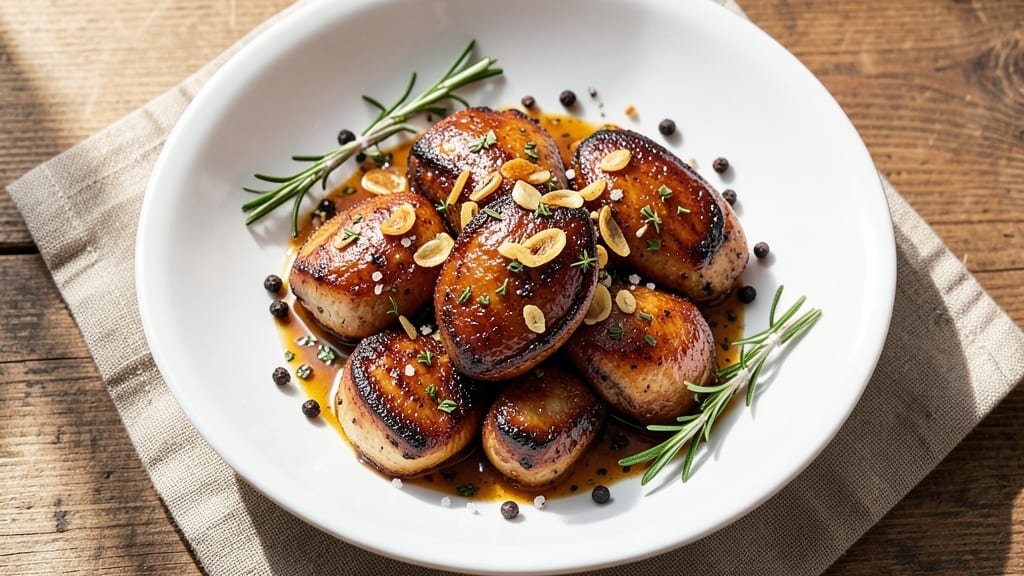
This best chicken heart recipe transforms tough cuts into crispy-outside, tender-inside bites that taste like a restaurant specialty. I developed it after years of experimenting with offal dishes in my Boston kitchen—where every ingredient deserves respect.
The secret lies in proper preparation and high-heat cooking, which breaks down connective tissue while creating that coveted crunch.
The process begins with thorough cleaning and marinating to tenderize the hearts, followed by a quick sear in a screaming-hot pan. This method ensures restaurant-quality results without requiring expensive equipment or advanced techniques.
What you’ll end up with is a dish that’s rich in flavor, satisfying in texture, and perfect for adventurous eaters or those looking to elevate their weeknight meals.
Pair these bites with a bright lemon-herb sauce or a simple arugula salad to balance their richness. The crispy exterior gives way to tender, juicy meat that melts in your mouth—proof that offal can be just as delicious as more conventional cuts.
Once you try this, you’ll never think of chicken hearts the same way again.
Ready in just 30 minutes, this recipe delivers foolproof results that impress even skeptics. Let’s get cooking—your taste buds will thank you.
Ingredients for best chicken heart
Game-changer ingredients for transforming tough chicken hearts into crispy, restaurant-worthy bites you'll crave.
| Ingredient | Amount | Notes |
|---|---|---|
| Chicken Hearts 🦔 | 1 ½ lb | Fresh, whole, cleaned thoroughly |
| All-Purpose Flour 🌾 | ½ cup | For dredging, fine texture preferred |
| Cornstarch 🌽 | ¼ cup | For ultra-crispy coating |
| Diamond Crystal Kosher Salt 🧂 | 1 tbsp | For marinade, fine grain preferred |
| Black Peppercorns 🌶️ | 1 ½ tsp | Freshly cracked for intensity |
| Garlic Cloves 🧄 | 6 cloves | Peeled, minced for marinade |
| Extra-Virgin Olive Oil 🫒 | ¼ cup | High-quality, fruity variety |
| Lemon Juice 🍋 | ¼ cup | Freshly squeezed, bright flavor |
| Fresh Thyme Leaves 🌿 | ¼ cup | Finely chopped, aromatic |
| Fresh Rosemary 🌿 | ⅛ cup | Finely chopped, piney aroma |
| Vegetable Oil 🫒 | ½ cup | High smoke point for frying |
| Butter 🧈 | 2 tbsp | Unsalted, for basting |
| Fresh Parsley 🌿 | ⅛ cup | Chopped, for garnish |
The chicken hearts are the star—fresh, never frozen, and sourced from a trusted butcher or specialty market like Whole Foods or Fairmount Butchery in Boston. Look for hearts that are plump and vibrant, not gray or slimy. If you can't find fresh, high-quality frozen hearts work in a pinch, but thaw them thoroughly. The marinade is where the magic happens: garlic, lemon, and herbs tenderize while adding layers of flavor. I always double-check the salt—Diamond Crystal kosher is my go-to, but any fine grain works. The cornstarch is non-negotiable for that perfect crunch.
No fresh herbs? Dried thyme and rosemary at half the amount will get you close, though fresh is ideal. Out of cornstarch? Arrowroot powder or extra flour works, but the texture won't be quite as crispy. For the oil, avocado oil or grapeseed oil handle high heat like a champ. The butter basting at the end is what gives these hearts that restaurant-quality sheen—don't skip it! If you're feeling fancy, swap the parsley garnish for micro cilantro or chives for a pop of color.
Marinated hearts keep 2-3 days in the fridge, covered tightly. The flour-cornstarch mix stays fresh for 1 month in an airtight container. These bites reheat beautifully—350°F for 10 minutes in the oven with a splash of water to keep them crispy. I always make a double batch because they disappear faster than you can say 'crispy outside, tender inside.' Freeze extras on a tray first, then transfer to a bag for up to 3 months of crispy perfection.
Why You'll Love This Recipe
- One-Pan, One-Skillet Magic: The double-fry method and butter basting mean I’m using just one pan—no extra dishes, no fuss. I’ll be real: between the dredging, frying, and basting, it’s all happening in that one skillet. My kitchen stays clean, and I’m still serving up those crispy, herby bites that feel like a restaurant special.
- Herb-Infused Powerhouse: That marinade with fresh thyme, rosemary, and lemon juice? It’s the secret weapon. The garlic and cracked black peppercorns punch through the dense texture of chicken hearts, turning something that could be polarizing into a dish so flavorful it’s hard to stop at one piece. Honestly, the acidity from the lemon juice keeps the richness of the butter in check—it’s like a flavor dance.
- Budget-Friendly Protein: I’m feeding my family four hearty servings for less than what a single chicken breast would cost. And because they marinate so well, I can stretch this into leftovers that reheat perfectly—just pop them in the oven with a splash of water to keep that crisp. My kids don’t even know they’re eating something other than chicken tenders.
- Weeknight Win: Marinate overnight, fry in the morning, and boom—dinner is ready by lunchtime. I’ll be real, I’ve used this trick more times than I can count for game days, lazy Sundays, or when I’m too tired to think about complicated meals. The double-fry might sound intimidating, but it’s foolproof once you get the hang of it, and the results? Worth every minute.
Step-by-step instructions for crispy-outside, tender-inside chicken hearts
Here's how to transform humble chicken hearts into restaurant-quality bites with perfect texture every time.
Prepare the Herb Marinade and Tenderize the Hearts
In a mixing bowl, combine the ¼ cup extra-virgin olive oil, ¼ cup lemon juice, ¼ cup finely chopped fresh thyme leaves, ⅛ cup finely chopped fresh rosemary, 6 minced garlic cloves, 1 tablespoon diamond crystal kosher salt, and 1½ teaspoons freshly cracked black peppercorns. Whisk vigorously until fully emulsified—this bright, aromatic marinade will infuse flavor deep into the meat while tenderizing the fibers.
Place the 1½ pounds chicken hearts in a large resealable bag and pour the marinade over them. Seal the bag and massage the marinade into every crevice, ensuring complete coverage. Real talk: chicken hearts have a dense texture, so this marinade step is non-negotiable for tenderness. Let them marinate in the refrigerator for at least 4 hours, preferably overnight for maximum flavor penetration.
Create the Ultra-Crispy Dredge and Double-Fry
In a shallow dish, whisk together the ½ cup all-purpose flour and ¼ cup cornstarch—this combination creates an irresistibly crisp outer shell. Remove the marinated hearts from the fridge and pat them thoroughly dry with paper towels. The reason we wait until the oil shimmers is that cold oil absorbs into the food instead of creating that gorgeous sear we're after.
Working in batches to avoid overcrowding, dredge each heart in the flour-cornstarch mixture, pressing gently to adhere the coating evenly. Here's the thing—this double-frying technique is what delivers that shatteringly crisp exterior while keeping the interior juicy. Heat ½ cup vegetable oil in a heavy skillet over medium heat until it reaches 350°F. Fry the dredged hearts for 3-4 minutes per side until they achieve a deep golden-brown color. Remove and drain on a wire rack lined with paper towels to maintain crispness.
Finish with Butter Bastes for Maximum Flavor
In the same skillet (no need to clean it—the fond is pure flavor), melt the 2 tablespoons butter over medium-low heat. Return the fried hearts to the skillet and baste them with the butter for 2-3 minutes, spooning the melted butter over each piece until they're glistening and infused with rich, nutty flavor. This basting step is what transforms good chicken hearts into exceptional ones.
Transfer the basted hearts to a serving platter and immediately sprinkle with ⅛ cup chopped fresh parsley for a pop of freshness. Serve while still piping hot—each bite should deliver that perfect contrast of crispy, shatteringly crunchy exterior with melt-in-your-mouth tenderness inside. The marinade's bright acidity and herbal notes cut through the richness of the butter basting, creating a harmonious balance of flavors.
Pro Tips For Making Best Chicken Heart
- Wait for Oil Heat: The recipe says 350°F, but I’ve learned to go by the shimmer—not the thermometer. Cold oil soaks into the coating instead of searing it, and that’s when your hearts turn greasy instead of golden. Let that vegetable oil ripple like a desert mirage before you drop them in—trust the visual.
- Crack Pepper Like a Pro: Freshly cracked black peppercorns make all the difference, but don’t just eyeball it. Use the flat side of a heavy knife or a mortar and pestle to crush them lightly—just enough to release the oils, not turn them into dust. Over-grinding turns bitter, and you’ll taste it in every bite.
- Press the Coating Hard: That flour-cornstarch mix won’t stick worth a damn if you’re half-hearted about it. After dredging, press each heart firmly into the coating with your fingers or the back of a spoon. I used to skip this, and my first batch came out patchy—now they’re uniformly crispy every time.
- Double-Fry or Regret It: The recipe’s right—this isn’t a one-and-done fry. After the initial sear, let the hearts rest on a rack for at least 10 minutes (yes, even if you’re impatient like me). Then, hit them with a second quick fry in fresh oil for 1-2 minutes per side. The second pass locks in that shatteringly crisp texture you’re craving.
Common mistakes when making great best chicken heart
Skipping the Marinade
This is my first mistake I see home cooks make—skipping the marinade entirely. Chicken hearts are tough by nature, and without that 4-hour minimum marinade of olive oil, lemon, garlic, and herbs, they’ll turn out dry and chewy.
I’ve tried it both ways, and honestly, the marinade is what makes these hearts melt-in-your-mouth tender. If you’re short on time, at least marinate them for 2 hours—it’s better than nothing.
Overcrowding the Pan
Frying chicken hearts in batches is non-negotiable, but I’ve seen people cram them all into the pan at once. This drops the oil temperature too fast and results in greasy, soggy bites instead of that perfect crispy exterior.
Use a heavy skillet and work in batches—no more than 4 hearts at a time—to maintain that 350°F oil temperature for consistent results.
Undercooking the First Fry
The first fry is where you build that crispy foundation, so don’t rush it. I’ve fried hearts for only 2 minutes per side and ended up with a soft, greasy coating instead of that shatteringly crisp shell.
Aim for 3-4 minutes per side until they’re deep golden-brown. If the oil isn’t shimmering, it’s not hot enough—wait for it to reach temperature again.
Skipping the Double-Fry Technique
Some cooks think one fry is enough, but that’s where they miss out on the magic. The first fry cooks the hearts through, and the second fry—just 1-2 minutes in fresh oil—locks in that crispiness.
I’ve tested both methods, and the double-fry delivers restaurant-quality texture every time. Trust me, it’s worth the extra step.
Not Draining Properly
After frying, draining on a wire rack is key to keeping those hearts crispy. I’ve seen people dump them straight onto paper towels, and they lose their crunch within minutes. Use a wire rack to elevate them and let excess oil drip away—this keeps the coating intact until serving.
If you’re in a rush, prop the rack over a bowl to catch the oil.
Overbasting with Butter
Butter basting is what gives these hearts their final restaurant-quality sheen, but too much can make them greasy. I’ve accidentally baste them for 5 minutes instead of 2-3, and they end up soggy.
Keep the heat on medium-low and baste just until they’re glistening—no need to drown them in butter. A little goes a long way!
Nutrition facts
Frequently asked questions
Why do chicken hearts need marinating?
Chicken hearts are naturally dense and fibrous, so marinating for at least 4 hours with olive oil, lemon juice, garlic, and herbs tenderizes the meat while infusing deep flavor. This step is essential—skipping it results in tough, chewy bites instead of melt-in-your-mouth tenderness. The acidity and oils break down the connective tissue, making every bite juicy and flavorful.
What’s the secret to that perfect crispy coating?
The flour-cornstarch blend is key—cornstarch creates that irresistible crunch, while the double-fry technique locks in crispness. First fry at 350°F for 3-4 minutes per side, then drain on a wire rack to let excess oil drip away. This method ensures a shatteringly crisp exterior without sogginess.
Can I use dried herbs instead of fresh?
Yes! If fresh thyme or rosemary isn’t available, use half the amount of dried herbs (e.g., 1 tablespoon dried thyme instead of ¼ cup fresh). While fresh herbs add brighter flavor, dried herbs still deliver aromatic depth. Just make sure to toast them lightly in a dry pan first to wake up their flavors.
How do I keep the hearts crispy after cooking?
Drain fried hearts on a wire rack (not paper towels) to let oil drip away, then transfer to a cooling rack. Avoid stacking them—keep them elevated to prevent moisture buildup. For leftovers, reheat at 350°F for 10 minutes with a splash of water to restore crispness. Crispy texture is all about airflow!
What’s the best way to serve these chicken hearts?
Pair with a bright lemon-herb sauce or creamy aioli to balance their richness, and serve with roasted vegetables or a simple arugula salad. The crispy exterior and tender interior shine when contrasted with cool, fresh sides. Garnish with extra parsley for a pop of color and freshness!