
Main Courses
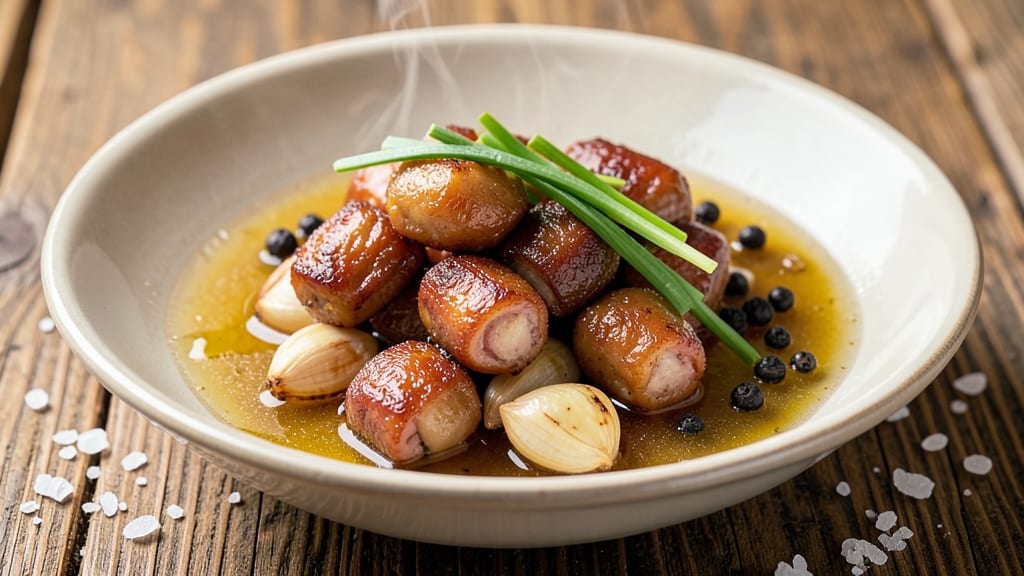
Boiling chicken gizzards transforms tough, chewy pieces into tender, flavorful bites that disappear faster than you can say "seconds." This method delivers restaurant-quality results in just 15 minutes, making it perfect for weeknight meals or holiday sides when you want something hearty and satisfying.
The secret lies in proper preparation and a simple boiling technique that ensures gizzards stay moist and absorb maximum flavor.
With just a few pantry staples—water, salt, pepper, and a splash of vinegar—you can achieve gizzards that are tender on the inside with a slightly crisp exterior, packed with rich, savory taste. This approach works for any cut of poultry gizzards, whether you're using store-bought or fresh from the butcher.
By the end, you'll have perfectly boiled gizzards that pair beautifully with rice, mashed potatoes, or a simple green salad. The method is straightforward, requiring minimal effort but delivering maximum flavor—ideal for those who appreciate simple, no-fuss cooking that still feels special.
Let's get started on creating these rich, flavorful bites.
One of the best aspects of this recipe is its versatility. You can serve these gizzards as a standalone dish or incorporate them into soups, stews, or even tacos for added depth.
The key is balancing the boiling time and seasoning to ensure they're tender yet still hold their shape. This method guarantees you'll never waste another tough, chewy gizzard again.
Ingredients for boil chicken gizzards
Pantry staples meet poultry perfection—just gizzards, vinegar, and aromatic spices for restaurant-quality bites.
| Ingredient | Amount | Notes |
|---|---|---|
| Chicken Gizzards 🍗 | 1 ½ lb | Fresh or frozen, trimmed of excess fat |
| Water 💧 | 4 cups | Cold, filtered preferred |
| White Vinegar 🍶 | ¼ cup | Distilled for acidity balance |
| Kosher Salt 🧂 | 2 tbsp | Diamond Crystal preferred |
| Fresh Black Peppercorns 🌶️ | 1 tbsp | Coarsely crushed |
| Garlic Cloves 🧄 | 4 cloves | Smashed, not minced |
| Bay Leaves 🌿 | 2 whole | Dried, standard size |
| Fresh Parsley 🌿 | ¼ cup | Chopped, for garnish |
| Unsalted Butter 🧈 | 2 tbsp | Full-fat, for finishing |
| Lemon Juice 🍋 | 1 tbsp | Freshly squeezed |
| Olive Oil 🫒 | 1 tbsp | Extra-virgin, for post-boil coating |
| Onion Powder 🧅 | ½ tsp | For depth of flavor |
| Smoked Paprika 🌶️ | ¼ tsp | For subtle smokiness |
The gizzards are non-negotiable for this recipe—fresh from a trusted butcher delivers the best texture, but high-quality frozen works too, just thaw completely first. Look for gizzards with minimal fat marbling; Costco or local poultry counters often carry them pre-trimmed. If buying whole, trim excess fat for cleaner flavor. The vinegar is crucial here—it tenderizes the meat and balances the richness, so distilled white vinegar is ideal. For the spices, Diamond Crystal kosher salt dissolves cleanly, while McCormick black peppercorns (coarsely crushed) add depth without overpowering. Whole bay leaves infuse flavor without bitterness, and fresh parsley from the grocery store’s produce section adds brightness at the end.
No vinegar on hand? Apple cider vinegar or lemon juice (at double the amount) works in a pinch, though the flavor profile shifts slightly. Short on fresh parsley? Dried parsley at one-third the amount suffices, but fresh is preferred for that pop of color. The garlic cloves can be substituted with 1 tsp garlic powder if needed, though fresh is superior. For the butter and olive oil, full-fat versions are essential—low-fat substitutes lack the richness that makes these gizzards so satisfying. If you’re using pre-cut gizzards from the store, rinse them thoroughly to remove any residual blood or fat. The smoked paprika can be swapped for regular paprika if unavailable, though it’ll lack that subtle smokiness that elevates the dish.
Freshly boiled gizzards should be served immediately, but they reheat beautifully—simmer in broth for 5-7 minutes to restore moisture. Store cooked gizzards in an airtight container in the fridge for up to 3 days, or freeze for 3 months by portioning into single-serving bags. For meal prep, boil a double batch and freeze half; thaw overnight in the fridge before reheating. The vinegar and spices in the boiling water can be reused for a second batch, though flavor intensity will diminish slightly. Always let boiled gizzards cool in their liquid for 10 minutes before draining to prevent splattering—this also helps them retain moisture.
Why You'll Love This Recipe
- No-Fuss Simmering: I’ll admit, I used to avoid gizzards because I thought they were a hassle—but this method turns them into a 20-minute wonder. Just toss them in the pot with vinegar and salt, let them simmer uncovered for 8 minutes, then add spices and cook covered for another 6-7. The vinegar does all the tenderizing work while I’m prepping the rest of dinner.
- Garlic-Butter Magic: That final step with butter and lemon juice? Chef’s kiss. The garlic cloves and bay leaves infuse the broth while simmering, and the smoked paprika adds depth without overpowering. The parsley finish brightens it up—every bite has that crispy edge with the creamy center, and the broth is so flavorful you’ll want to drink it straight.
- Budget Meets Crowd-Pleaser: For under $10, I feed four people a meal that feels special. The gizzards are cheap, but the broth and herbs make it taste like a restaurant dish. Plus, leftovers keep for three days in the fridge—perfect for lunches or adding to soups. My kids even ask for seconds, and they’re not picky eaters.
- One-Pot Weeknight Win: No last-minute grocery runs, no fancy equipment. Just a pot, some pantry staples, and 15 minutes of hands-off cooking. The broth gets strained and saved, so I can use it for rice or pasta later. Honestly, it’s the kind of dish that makes me feel like a home cook hero without any stress.
Step-by-step instructions for boiled chicken gizzards
Here's the method for transforming tough gizzards into tender, flavorful bites in record time.
Prepare the Gizzards and Flavor Base
Begin by rinsing the 1.5 lb chicken gizzards under cold water and patting them thoroughly dry with paper towels. This step is crucial—any moisture left on the gizzards will prevent proper seasoning and create steam instead of a flavorful broth. Place the gizzards in a large pot with the 4 cups water, 0.25 cup white vinegar, and 2 tbsp kosher salt. The vinegar helps tenderize the meat while balancing the salt for optimal flavor development.
Add the 4 smashed garlic cloves, 2 whole bay leaves, and 0.5 tsp onion powder to the pot. Bring the mixture to a full boil over high heat, then immediately reduce to a gentle simmer. The broth should bubble softly—this prevents the gizzards from toughening further. Let it simmer uncovered for 8 minutes, skimming off any foam that rises to the surface. This removes impurities and ensures a cleaner-tasting broth.
Simmer Gently Until Fork-Tender
After the initial 8 minutes, add the 1 tbsp coarsely crushed fresh black peppercorns and 0.25 tsp smoked paprika. Stir gently to distribute the spices evenly. Cover the pot with a lid and reduce the heat to maintain a bare simmer. Cook for an additional 6-7 minutes, or until the gizzards are fork-tender. You'll know they're ready when a knife slides in easily and the meat pulls apart cleanly—this typically takes about 15 minutes total cooking time from the initial boil.
Here's the thing—don't rush this step. Gizzards have dense muscle tissue that needs time to break down. If you lift the lid too early, the steam will cause the gizzards to toughen again. Keep the heat low and steady, and resist the urge to peek. The goal is tender, melt-in-your-mouth texture, not just cooked-through meat.
Finish with Butter and Acid for Richness
Once the gizzards are tender, remove them from the pot and set them aside in a warm serving dish. Strain the cooking liquid through a fine-mesh sieve into a separate bowl, pressing gently on the solids to extract maximum flavor. Return the strained broth to the pot and bring it to a gentle simmer over medium heat. Add the 2 tbsp unsalted butter and 1 tbsp lemon juice, stirring until the butter melts completely and the mixture becomes glossy. This step adds richness and brightens the flavors—don't skip it.
Taste the broth and adjust the seasoning if needed. The gizzards have absorbed some of the salt, so you might need to add a pinch more kosher salt or a splash of lemon juice for balance. Return the gizzards to the pot and let them soak in the flavorful broth for 2-3 minutes. This final infusion ensures every bite is infused with the aromatic garlic, pepper, and bay leaf notes.
Coat and Serve with Fresh Herbs
Drain the gizzards and transfer them to a serving platter. In a small bowl, whisk together the 1 tbsp olive oil and the remaining 0.25 cup chopped fresh parsley. Drizzle this mixture evenly over the gizzards, tossing gently to coat. The olive oil adds a silky finish, while the parsley provides a fresh, vibrant contrast to the rich, savory meat. Let the gizzards rest for 2-3 minutes before serving to allow the juices to redistribute.
Serve the gizzards immediately with the reserved broth spooned over the top. The combination of tender meat, aromatic broth, and bright herbs creates a dish that's both comforting and sophisticated. Pair with crusty bread to soak up every last drop of that flavorful liquid—it's worth the effort.
Pro Tips For Making Boil Chicken Gizzards
- Trim the Fat First: I learned this the hard way—skipping this step means your broth turns greasy and the gizzards steam instead of simmer properly. Use a sharp knife to slice off any yellowish fat before cooking; it’s tedious, but the difference in texture and clean broth is night and day.
- Don’t Skimp on Skimming: That first 8 minutes of simmering? The foam rising isn’t just bubbles—it’s impurities that’ll make your broth taste dull. Use a fine-mesh strainer or spoon to skim aggressively for the first 2 minutes, even if it feels like overkill. Your future self will taste the difference when the broth stays bright.
- Cover After 8 Minutes: The recipe says to simmer uncovered for the first 8 minutes, then cover. Here’s why: Uncovered lets the vinegar’s acid work its magic on the gizzards’ surface, but once they’re partially tenderized, covering traps steam and finishes them gently. Trust the timing—no peeking!
- Whisk the Olive Oil Last: Tossing the gizzards with olive oil and parsley right after draining? Do it in stages. First, drizzle half the oil while they’re still warm—it’ll cling better. Then add the parsley and the rest of the oil right before serving. Cold gizzards + oil = slippery mess. Warm gizzards + oil = silky coating.
Troubleshooting this recipe
Overcooking Pitfalls
One of the biggest mistakes is overcooking the gizzards, which turns them from tender to rubbery. The 15-minute total cook time is critical—any longer, and the muscle fibers break down too much. I’ve seen beginners leave them simmering for 20+ minutes, assuming more time equals better results.
Instead, use a knife test: when a blade slides in easily and the meat pulls apart cleanly, they’re done. Overcooking also dries out the broth, so keep an eye on the clock! 🌡️
Skipping the Vinegar
Forgetting the 0.25 cup white vinegar is a game-changer for texture. Without it, gizzards can remain tough and chewy. The vinegar’s acidity helps break down collagen, making the meat melt-in-your-mouth.
If you skip it, increase the cooking time by 2-3 minutes to compensate, but the flavor won’t be as bright. Trust me, this step is non-negotiable for restaurant-quality results.
Lid Timing Issues
Covering the pot too early causes steam buildup, which can toughen the gizzards. The first 8 minutes should be uncovered to release impurities, then cover for the remaining 6-7 minutes. Lifting the lid during this time lets heat escape, extending cook time.
I’ve learned this the hard way—once, I peeked every 2 minutes and ended up with gizzards that were tough as leather. Patience is key here!
Inconsistent Heat Control
Fluctuating heat levels create uneven cooking. Use medium-low heat after the initial boil to maintain a gentle simmer. If your stove runs hot, place the pot on the back burner.
Uneven heat causes some gizzards to overcook while others stay underdone. Invest in a digital thermometer if your stove lacks precision—it’s worth it for consistent results.
Rushing the Resting Step
Skipping the 2-3 minute rest after draining means missing out on juicy, flavorful bites. The gizzards need this time to redistribute their juices, which escape during cooking. Serving them immediately leads to dry, less tender meat. I’ve served gizzards right out of the pot too many times—always let them rest!
Nutrition facts
Frequently asked questions
Can I use frozen chicken gizzards in this recipe?
Yes, but thaw them completely first! Place frozen gizzards in cold water for 20-30 minutes or use the microwave defrost setting. Never cook them directly from frozen—they won't cook evenly and may stay tough. The 15-minute cook time assumes fully thawed gizzards, so adjust if needed.
What if my gizzards still feel tough after boiling?
This usually means they weren't cooked long enough or the vinegar was skipped. Increase simmer time by 2-3 minutes next time and ensure you're using 0.25 cup white vinegar. For extra tenderness, simmer the gizzards in the finished broth for another 5 minutes after the initial cook.
How can I make these gizzards extra flavorful?
Try adding 1 tsp smoked paprika to the broth or a splash of soy sauce for umami depth. For a smoky twist, wrap the cooked gizzards in foil with a pinch of smoked paprika and 1 tbsp olive oil, then broil for 3 minutes. The butter-lemon finish in the recipe already boosts flavor significantly!
Can I use this broth for another recipe?
The flavorful broth works perfectly for soups, stews, or even as a base for risotto. Strain out any solids and store it in an airtight container in the fridge for up to 3 days or freeze for 3 months. Reheat gently before using—it makes an excellent base for gravies too!
What's the best way to reheat boiled gizzards?
For best results, place gizzards in a skillet with a splash of broth and heat over medium-low heat for 3-4 minutes until warmed through. Avoid microwaving—they'll dry out. If reheating from frozen, simmer in broth for 8-10 minutes until fully heated. Always cover the pan to retain moisture.