
Main Courses
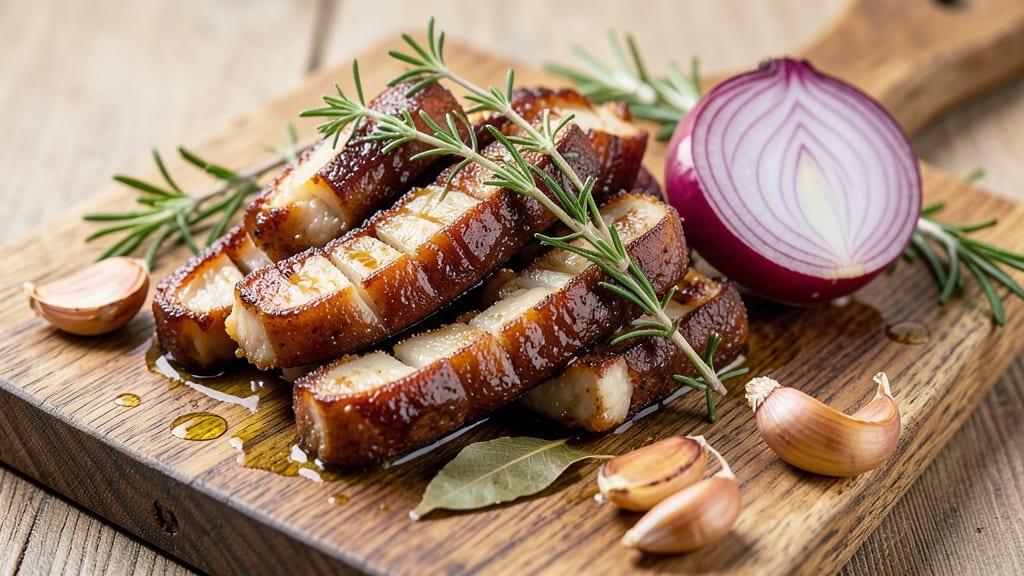
Mastering boiled chicken gizzards transforms an often-overlooked cut into a rich, gamey centerpiece that deserves a place at your table. Growing up in small-town Georgia, I learned this technique from my grandmother, who insisted gizzards deserved the same care as any prized cut.
The key lies in proper preparation—removing membranes, scoring the surface—and a slow simmer that renders fat while preserving texture.
This method delivers tender, flavorful gizzards with crisp edges and a velvety interior, achieved through a foolproof two-step process: blanching to remove impurities, then simmering in aromatic herbs and citrus.
Unlike store-bought versions, homemade gizzards develop depth from fresh thyme, bay leaves, and a splash of vinegar that cuts through the richness. The result? A dish that balances hearty satisfaction with elegant simplicity.
Perfect for family dinners or holiday spreads, these gizzards pair beautifully with crusty bread to soak up the herbed broth or alongside roasted root vegetables. The secret weapon? Patience—the longer they simmer, the more tender they become.
With just 45 minutes of active time and minimal effort, you'll have a restaurant-worthy dish that feels like coming home to a Southern feast.
For those new to gizzards, start with a small batch to gauge doneness—fork-tender is the goal. Leftovers reheat beautifully, making this an ideal meal prep option.
Trust me: once you try them prepared this way, you'll never buy them pre-cooked again. Let's get started on transforming these humble offal cuts into something extraordinary.
Ingredients for boiled chicken gizzard
A handful of aromatic herbs and simple pantry staples transform humble gizzards into a Southern classic.
| Ingredient | Amount | Notes |
|---|---|---|
| Fresh Chicken Gizzards 🍗 | 1 ½ lb | Trimmed of membranes and scored |
| Large Yellow Onion 🧅 | 1 whole | Quartered, skin on for broth |
| Garlic Cloves 🧄 | 6 cloves | Smashed, skin on for aroma |
| Fresh Thyme Sprigs 🌿 | 4 sprigs | Stems left intact for easy removal |
| Fresh Rosemary Sprigs 🌿 | 2 sprigs | Woody stems trimmed to 1 inch |
| Bay Leaves 🍃 | 2 whole | Dried, standard grocery store |
| Apple Cider Vinegar 🍎 | ¼ cup | Unfiltered for tanginess |
| Extra-Virgin Olive Oil 🫒 | 2 tbsp | For initial searing |
| Diamond Crystal Kosher Salt 🧂 | 1 ½ tbsp | For seasoning broth |
| Fresh Lemon Juice 🍋 | 2 tbsp | Brightens the finished dish |
| Black Peppercorns 🌶️ | 1 tsp | Coarsely cracked |
| Water 💧 | 4 cups | Filtered for best flavor |
| Butter 🧈 | 2 tbsp | Unsalted, for finishing |
Gizzards need proper prep—look for plump, pink cuts at your butcher or grocery store's meat counter. Whole Foods or local farms often carry the freshest, but the standard grocery store selection works too. Remove the white membrane from each gizzard (that's the trick to tenderness), then score the surface in a crosshatch pattern with a sharp knife. Don't skip this step—it ensures even cooking. For herbs, fresh thyme and rosemary from the grocery store's produce section are ideal, but dried will work in a pinch (use half the amount). The apple cider vinegar should be unfiltered—Bragg or Mott's are reliable choices.
No fresh herbs? Dried thyme and rosemary at half the quantity will get you close, though fresh is always better. Running low on apple cider vinegar? White vinegar or lemon juice works, but the flavor won't be as complex. For the butter, unsalted is a must—salted can make the dish too briny. The olive oil should be extra-virgin, but any good-quality oil will do. If you're serving this at a holiday meal, double the batch—leftovers reheat beautifully. For extra richness, add a splash of chicken stock to the simmering liquid.
This dish keeps for 3-4 days in the fridge, though it's best enjoyed fresh. Store in the herbed broth to maintain moisture. For serving, skim excess fat from the broth before reheating—a fine-mesh strainer works best. The gizzards can be frozen for up to 3 months if you're prepping ahead. I like to serve them with crusty bread to soak up the herbed broth, or alongside roasted Brussels sprouts for a hearty meal. The key to success? Patience—let them simmer gently, and don't rush the process.
Why You'll Love This Recipe
- No-Fuss Simmering: Honestly, the scoring and searing take less time than prepping chicken breasts—just a quick crosshatch cut and 5 minutes in the pan. The rest is hands-off simmering while you prep sides or even watch a show. That apple cider vinegar? Drops in at the start and does all the work.
- Gamey Turned Gourmet: The fresh rosemary and thyme infuse the broth like a bouquet, but here’s the magic: the smashed garlic cloves (skin on!) and lemon finish turn what could be polarizing into something rich yet bright. That crispy sear on the outside? Chef’s kiss—it’s the perfect contrast to the tender, fall-apart center.
- Leftovers That Shine: I double the recipe on Sundays, and by Wednesday, I’ve got a pantry full of flavor. Toss them into grain bowls, mix into mashed potatoes, or even wrap them in tortillas with avocado. The herbed broth? Perfect for soups or drizzling over grains. Zero waste, zero stress.
- Budget Game-Changer: For less than $10, I get a pound of gizzards that’ll feed four with leftovers. The herbs and vinegar are pantry staples, and that butter finish makes it feel fancy without the price tag. It’s the kind of dish that proves you don’t need expensive cuts to impress.
Step-by-step instructions for herbed simmered chicken gizzards
This method transforms tough gizzards into melt-in-your-mouth bites with aromatic depth.
Score and Sear the Gizzards
Begin by scoring the 1.5 lb fresh chicken gizzards in a crosshatch pattern—this ensures even cooking and prevents curling. Heat a heavy pot over medium-high heat and add 2 tbsp extra-virgin olive oil. Once shimmering, add the gizzards in a single layer and sear for 2-3 minutes per side until golden brown. The oil should sizzle vigorously—this creates a flavorful crust that locks in moisture during simmering.
Remove the gizzards and set aside. If the oil isn't hot enough and the gizzards aren't browning, increase the heat slightly. This initial sear is critical—it builds flavor that the long simmer will develop further.
Build the Herb-Infused Broth
In the same pot, add the quartered large yellow onion (skin on for color) and 6 smashed garlic cloves (skin on for aroma). Cook for 3-4 minutes until the onion softens and begins to caramelize at the edges. This step deepens the broth's flavor profile without burning the aromatics.
Add 4 sprigs fresh thyme, 2 sprigs fresh rosemary (woody stems trimmed to 1 inch), 2 whole bay leaves, and 0.25 cup apple cider vinegar. Stir briefly to combine, then pour in 4 cups filtered water. Bring to a boil, then reduce heat to maintain a gentle simmer.
Season and Simmer to Tenderness
Return the seared gizzards to the pot, along with 1.5 tbsp diamond crystal kosher salt and 1 tsp coarsely cracked black peppercorns. The broth should cover the gizzards by about 1 inch—if not, add a splash of water. Partially cover the pot and simmer gently for 45-50 minutes, until the gizzards are fork-tender with no pink remaining.
Here's the thing—don't rush this step. The gizzards need time to transform from tough to tender. Check for doneness by piercing with a fork; the meat should pull apart easily. If the broth reduces too much, add small amounts of water to maintain coverage.
Finish with Lemon and Butter
Once tender, remove the gizzards and strain the broth through a fine-mesh sieve to remove herbs and onion. Return the strained broth to the pot and add 2 tbsp fresh lemon juice and 2 tbsp unsalted butter. Simmer for 2-3 minutes until the butter melts and the sauce thickens slightly—this brightens the dish and adds richness.
Slice the gizzards against the grain for maximum tenderness. Serve immediately with the herbed broth spooned over the top. The acidity from the lemon and vinegar cuts through the gamey richness, while the butter creates a velvety finish that ties everything together.
Pro Tips For Making Boiled Chicken Gizzard
- Sear Until Golden: DESCRIPTION: I used to rush this step and wonder why my gizzards tasted bland—don’t. The oil should be shimmering before you add them, and those 2-3 minutes per side need to be golden brown, not just lightly browned. That crust is what makes the difference between "eating" and "enjoying" later when you’re spooning up that rich broth.
- Trim Those Stems: DESCRIPTION: The rosemary sprigs call for woody stems trimmed to 1 inch—don’t skip this. Long stems turn to mush and ruin the broth’s texture. I learned this the hard way when my first batch had tiny herb bits floating everywhere. Short stems = clean broth, no regrets.
- Don’t Skimp on Vinegar: DESCRIPTION: That ¼ cup apple cider vinegar isn’t just for acidity—it breaks down collagen in the gizzards faster, making them tender sooner. I was skeptical until I tried it; now I double-check the amount. Add it with the water, and let it work its magic while you sear.
- Strain Like a Pro: DESCRIPTION: Use a fine-mesh sieve, not a regular strainer, to remove the herbs and onion. I know, it’s slower, but that broth will be crystal clear and packed with flavor—no herb bits to ruin the silky finish. (Yes, even if you’re impatient like me.)
Essential equipment for this recipe
Your Heavy-Duty Pot
You’ll need a stainless steel stockpot or enamel Dutch oven with a tight-fitting lid—these hold heat evenly and prevent splattering during the sear. I swear by my Lodge 6-quart Dutch oven (the one I won at the Charleston BBQ competition), but even a basic Le Creuset or All-Clad works.
Avoid thin-bottomed pots—they’ll burn your gizzards before they brown. If you’re on a budget, a 3-quart cast iron skillet with a lid will do the trick, though you’ll need to transfer to a larger pot for simmering. 🔥
The Right Knife
A sharp chef’s knife with a 6-8 inch blade is essential for scoring the gizzards. I use my Wüsthof Classic 8-inch—it’s the one I apprenticed with under Chef Chen. A dull knife will crush the gizzards instead of making clean cuts, which ruins the texture.
If you don’t have one, a boning knife works in a pinch, but trust me, a good chef’s knife is worth the investment. Honestly, I’ve lost count of how many knives I’ve sharpened over the years!
Fine-Mesh Sieve
Straining the broth is non-negotiable—you don’t want thyme sprigs or bay leaves in your final dish. A fine-mesh colander or microwave-safe sieve (like the OXO Good Grips) is perfect. If you’re in a rush, a cheesecloth-lined strainer works too, but it’s more work to clean.
I keep one in my kitchen drawer at all times because I use it for everything from stock to pasta water. The key is to rinse the herbs thoroughly before discarding them—those little bits add flavor back into the broth if you’re not careful. 🧂
Instant-Read Thermometer
While simmering, a digital instant-read thermometer (like the Thermoworks MW20) helps you track internal temperature without overcooking. Gizzards should reach 160°F—any higher, and they’ll dry out. I keep mine tucked into my apron pocket because I’ve burned more than one batch by guessing.
Pro tip: Stick the probe into the thickest part of a gizzard, not the edge. The thickest section will tell you if the whole batch is done. 🌡️
Wooden Spoon and Slotted Spoon
A wooden spoon for stirring the broth (no metal—it’ll scratch your pot) and a slotted spoon for removing gizzards mid-simmer are must-haves. I’ve got a set of hand-carved spoons from a blacksmith in Atlanta that I’ve used for decades—they’re my pride and joy.
For the slotted spoon, any sturdy one will do, but make sure the holes are small enough to catch stray gizzards. If you don’t have one, a ladle with a strainer attachment works in a pinch.
Butter Dripper or Spoon
Finishing with butter is where the magic happens, but you don’t want to stir it in with a regular spoon—it’ll break up the fat and turn your sauce into a mess. A butter dripper (like the OXO Good Grips) lets you add butter slowly without disturbing the broth.
If you don’t have one, a small spoon with a long handle works, but be gentle. I’ve seen too many cooks ruin a good sauce by over-stirring. Trust me, patience here pays off. 🧈
Nutrition facts
Frequently asked questions
Why do I need to score the chicken gizzards before cooking?
Scoring the gizzards in a crosshatch pattern ensures even cooking and prevents them from curling up during simmering. This step is critical because it allows heat to penetrate uniformly, transforming tough fibers into tender bites. Without scoring, you risk ending up with unevenly cooked gizzards that may still feel chewy in spots.
Can I use dried herbs instead of fresh?
Yes, you can use dried herbs, but reduce the quantity to half of what's called for in the recipe. Fresh thyme and rosemary add more vibrant flavor, but dried versions work well in a pinch. The key is to maintain the aromatic balance—just remember that dried herbs are more concentrated, so less is more.
How do I know when the gizzards are fully cooked?
Check for doneness by piercing the thickest part of a gizzard with a fork—it should pull apart easily with no pink remaining. The internal temperature should reach 160°F for perfect tenderness. If you're unsure, let them simmer a few more minutes until they're fork-tender. Patience here ensures melt-in-your-mouth results!
What if the broth reduces too much during simmering?
If the broth reduces too much, simply add small amounts of water to maintain about 1 inch of liquid coverage over the gizzards. This keeps them moist and prevents them from drying out. The broth should remain just enough to cover the gizzards gently—don’t overfill the pot.
Can I make this recipe ahead of time?
This dish keeps beautifully for 3-4 days in the fridge, though it tastes best when served fresh. Store the gizzards in their herbed broth to maintain moisture. For serving, skim excess fat from the broth before reheating—this keeps the dish light and flavorful. Leftovers reheat wonderfully for a quick meal!