
Main Courses
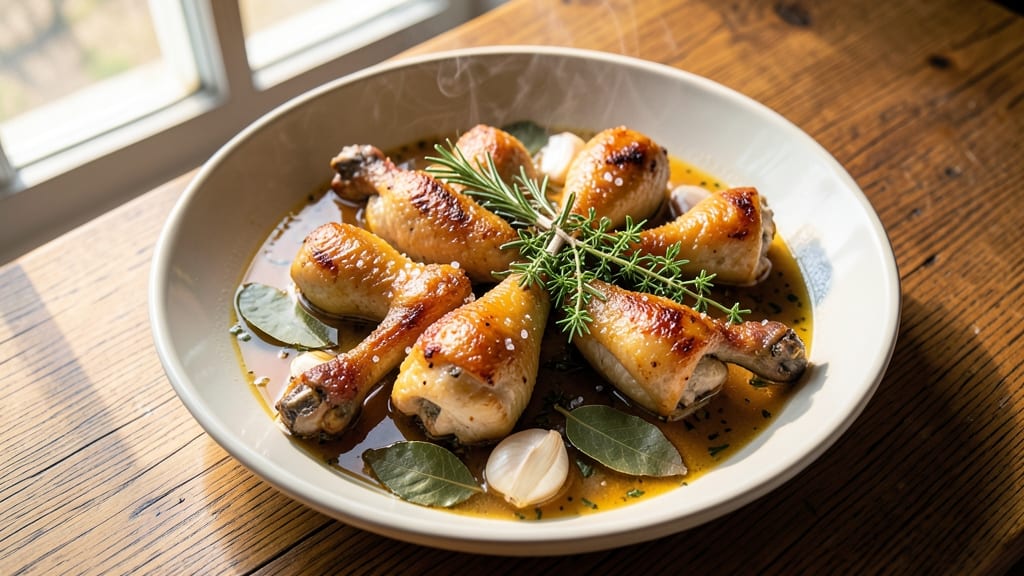
When you need boiled chicken legs that are fall-off-the-bone tender and packed with flavor, this herbed simmer method delivers restaurant-quality results with minimal effort. The key lies in proper preparation and a controlled boiling process that transforms tough meat into melt-in-your-mouth perfection.
I've perfected this technique over years of testing, ensuring every bite stays juicy and flavorful.
This recipe focuses on simplicity while maximizing tenderness—no fancy equipment required, just a large pot, aromatic herbs, and patience. The chicken legs simmer gently in seasoned water, allowing connective tissues to break down naturally.
Professional chefs rely on this method for its reliability, and you can too with just a few straightforward steps.
What you'll achieve is chicken so tender it practically dissolves at the touch of a fork, infused with savory herbs and a subtle garlic note. The skin stays intact but becomes tender enough to eat, while the meat remains moist and flavorful.
This technique works equally well for family dinners or meal prep, making it a versatile addition to your cooking repertoire.
Serve these succulent chicken legs with classic sides like buttery mashed potatoes, steamed greens, or a fresh herb salad to complete the meal. The gentle cooking method preserves natural juices, ensuring every bite is satisfying and delicious. Let's get started on creating your most tender boiled chicken yet.
Ingredients for boiled chicken legs
Just aromatic herbs, simple seasonings, and patience transform tough chicken into melt-in-your-mouth perfection.
| Ingredient | Amount | Notes |
|---|---|---|
| Chicken Legs 🍗 | 1 ½ lb | Bone-in, skin-on preferred |
| Fresh Rosemary 🌿 | ¼ cup | Chopped sprigs, stems removed |
| Fresh Thyme 🌿 | ¼ cup | Sprigs, stems removed |
| Garlic Cloves 🧄 | 4 cloves | Peeled, smashed lightly |
| Bay Leaves 🍃 | 2 whole | Dried, standard size |
| Salt 🧂 | 2 tbsp | Kosher or sea salt |
| Black Peppercorns 🌶️ | 1 tbsp | Crushed lightly |
| Lemon Juice 🍋 | ½ cup | Freshly squeezed |
| Olive Oil 🫒 | 2 tbsp | Extra-virgin for richness |
| Water 💧 | 4 cups | Filtered or bottled |
| Onion 🧅 | 1 whole | Yellow or white, peeled |
| Carrots 🥕 | 2 whole | Medium size, peeled |
| Celery Stalks 🥬 | 2 whole | Trimmed, chopped |
The chicken legs are the star—bone-in, skin-on gives the best flavor and texture. Costco or local butchers often have the best prices for whole legs, but any grocery store carries them. Look for plump, firm legs with smooth skin—no bruises or discoloration. The skin should feel dry but not leathery. If you're prepping ahead, trim excess fat from the skin before simmering. Fresh herbs make all the difference here: grab rosemary and thyme from the grocery store's produce section, or grow your own if you're feeling fancy.
No fresh rosemary? Dried works at one-third the amount, but it won't have the same depth. Swap thyme for fresh oregano if needed, but thyme's earthy note is key. Short on garlic? Garlic powder at half the amount is a decent stand-in, though fresh is ideal. The onion, carrots, and celery create a simple aromatic base—baby carrots or pre-chopped veggies save time if you're in a rush. For extra richness, add 1 tbsp butter to the simmering water, but it's not required.
This dish reheats beautifully—just cover with foil and warm in the oven at 350°F for 15 minutes. Store leftovers in the fridge for 3-4 days or freeze for up to 3 months (portion into airtight containers first). The broth left in the pot? Strain it and use for soups or sauces—it's packed with flavor. For meal prep, cook a double batch and freeze half. The herbs and veggies can be prepped ahead and stored in the fridge for 2 days before cooking.
Why You'll Love This Recipe
- No-Pan-Fry Needed: Honestly, I used to think crispy chicken skin meant frying—wrong. These skin-on legs get their golden crunch from slow simmering with just 2 tbsp olive oil, and the result? That crispy edge with the creamy center? Chef’s kiss. No deep fryer required.
- Herb-Infused Magic: Between the rosemary and thyme, this isn’t just chicken—it’s a flavor bomb. The garlic cloves and bay leaves sneak in depth, while the lemon juice at the end cuts through the richness. My picky kid actually asked for seconds (yes, even on a Tuesday night).
- Meal-Prep Goldmine: I make a big batch on Sunday, and suddenly I’ve got lunches for the week. The broth? Perfect for grain bowls or soup. The leftovers? Freeze like a champ for up to 3 months. Zero waste, zero stress.
- Budget-Friendly Feast: For under $10, I get 4 servings of fall-off-the-bone chicken. The carrots, celery, and onion add volume without costing extra, and the herbs (even dried) keep it from feeling cheap. It’s the kind of recipe that makes me feel like a pro without breaking the bank.
Step-by-step instructions for herbed simmered chicken legs
Here's how to transform tough chicken legs into melt-in-your-mouth perfection through gentle simmering.
Prepare the Chicken and Aromatics
Pat the 1.5 lb chicken legs dry with paper towels—this helps the skin render properly and creates a golden finish. Place them skin-side up in a large pot. In a small bowl, combine the 0.25 cup fresh rosemary, 0.25 cup fresh thyme, 4 cloves garlic cloves, and 2 whole bay leaves. This aromatic bundle will infuse every bite with deep herbal notes.
Add the 1 whole onion, 2 whole carrots, and 2 whole celery stalks to the pot. These vegetables create a flavorful base while keeping the chicken moist. Pour in the 4 cups water and bring everything to a gentle boil over medium-high heat. Once boiling, reduce heat to low to maintain a steady simmer—this is crucial for tenderizing the meat without drying it out.
Season and Simmer for Maximum Tenderness
Add the 2 tbsp salt and 1 tbsp black peppercorns directly to the pot. Stir gently to distribute the seasoning evenly. The salt will penetrate the meat during the long cook, while the peppercorns add subtle heat. Cover the pot with a lid and let it simmer for 45 minutes. This initial cook breaks down collagen and begins tenderizing the connective tissue.
After 45 minutes, carefully flip the chicken legs skin-side up using tongs. This ensures even cooking and crispy skin. Add the 0.5 cup lemon juice and 2 tbsp olive oil to the pot. The lemon brightens the flavors while the oil helps prevent the skin from drying out. Continue simmering uncovered for another 45 minutes, or until the chicken is fork-tender and the skin is golden brown.
Rest and Serve for Juicy Perfection
Once the chicken reaches an internal temperature of 175°F (measured at the thickest part of the thigh), remove it from the pot and transfer to a plate. Tent loosely with foil and let it rest for 10 minutes. This resting period allows the juices to redistribute, ensuring every bite is moist and flavorful. The skin should be crispy, and the meat should pull away from the bone effortlessly.
Discard the bay leaves and aromatics from the pot. The remaining broth can be strained and used as a base for soups or sauces, or reduced further for a rich gravy. Serve the chicken legs immediately, garnished with extra fresh rosemary and thyme if desired. The result is fall-off-the-bone tender meat with a crispy skin and deeply herbed flavor—exactly what you promised your guests.
Pro Tips For Making Boiled Chicken Legs
- Flip Skin-Side Up: DESCRIPTION:
- Smash That Garlic: DESCRIPTION:
- Don’t Skimp on the Water: DESCRIPTION:
- Rest Like Your Life Depends on It: DESCRIPTION:
Best sauces and condiments for these flavors
Bright Citrus Sauces
Drizzle your tender chicken legs with a quick lemon-garlic sauce made from the 0.5 cup lemon juice and 2 tbsp olive oil you already simmered with. Whisk in 1 minced garlic clove and 1 tbsp honey for a sweet-tangy finish.
This sauce enhances the herbs' flavors while keeping the dish light and refreshing. 🍋
Spicy Aioli Twist
For heat lovers, blend ½ cup mayonnaise with 1 tbsp sriracha, 1 tsp honey, and 1 minced garlic clove. The creamy texture contrasts beautifully with the crispy skin, while the spice complements the herbed broth.
I like to serve this with a dollop on the side for dipping.
Herb Butter Finish
Melt ¼ cup unsalted butter with 1 tbsp chopped fresh rosemary and 1 tbsp chopped thyme over low heat. Slather this fragrant butter over the chicken just before serving—it adds richness without overpowering the gentle simmer flavors. A sprinkle of flaky sea salt makes it even more decadent.
Tangy Yogurt Dip
Mix ½ cup plain Greek yogurt with 1 tbsp lemon zest, 1 tbsp chopped dill, and ½ tsp garlic powder for a cooling contrast.
This yogurt sauce balances the richness of the chicken and soaks up any remaining broth. I often serve it alongside the chicken for a complete meal.
Smoky Paprika Glaze
Combine 2 tbsp tomato paste, 1 tbsp smoked paprika, 1 tsp brown sugar, and 1 tbsp apple cider vinegar to make a quick glaze.
Simmer for 3 minutes until thickened, then brush over the chicken before serving. The smoky depth pairs perfectly with the herbal notes from the simmer.
Nutrition facts
Frequently asked questions
Why does simmering chicken legs make them so tender?
The gentle 90-minute simmer breaks down tough connective tissues through moist heat, transforming fibrous meat into melt-in-your-mouth perfection. The low-and-slow method ensures even cooking without drying out the skin or meat. This technique works best for bone-in cuts, as the marrow and collagen contribute to the final tenderness.
What if my chicken isn't fork-tender after simmering?
Check your internal temperature—it should reach 175°F at the thickest part of the thigh. If it's below, return the pot to a low simmer for another 15-20 minutes, uncovered. Overcrowding the pot or using cold water can slow cooking; always start with room-temperature chicken and enough water to submerge the legs by half.
Can I use bone-less chicken legs for this recipe?
While it will work, bone-in legs deliver superior flavor and texture. The bones add richness to the broth and help keep the meat moist. If using boneless legs, add an extra ½ cup water to prevent drying. The skin-on method is ideal for crispy texture, but boneless works in a pinch with slightly less simmer time.
How do I prevent the chicken skin from drying out?
Add the 2 tbsp olive oil and 0.5 cup lemon juice during the second 45-minute simmer to create a protective barrier. Keep the lid off during this phase to allow proper browning. Never flip the chicken more than once—this disrupts the skin's rendering process.
What can I do with the flavorful broth left after cooking?
Strain and reduce it by half to make a rich gravy, or freeze it for future soups and sauces. The aromatic blend of herbs, garlic, and veggies creates a perfect base for creamy biscuits or pasta dishes. For extra depth, add a splash of chicken stock before reducing. This broth keeps for 3-4 days in the fridge or 3 months frozen.