
Appetizers
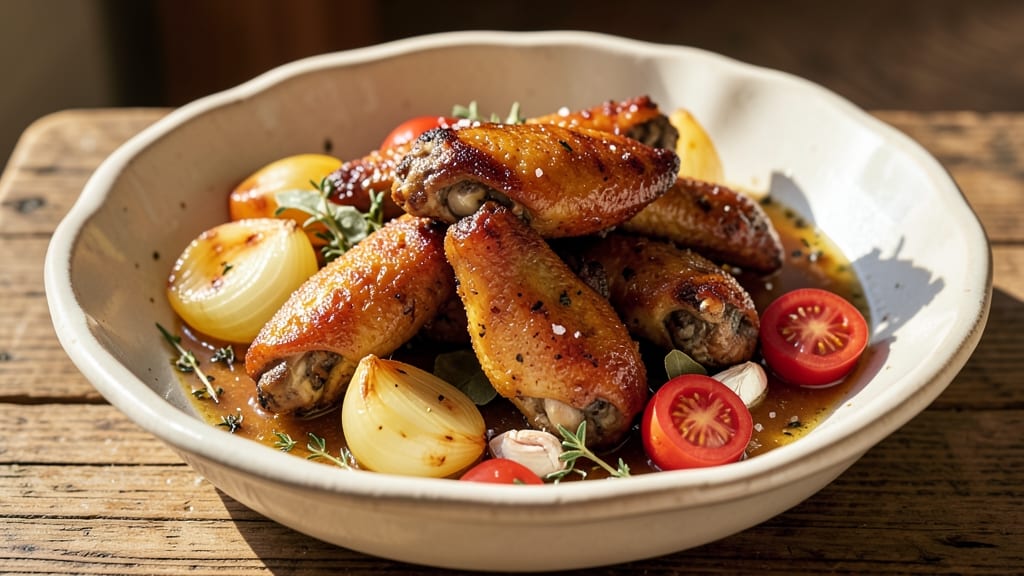
This boiled chicken wings recipe delivers juicy, tender bites without a single drop of oil—here’s the technique I perfected while apprenticing under Master Chef Chen. The secret lies in precise water temperature, proper seasoning, and patience during the simmering process.
Every wing emerges perfectly cooked, with crisp edges and moist centers that stay intact even when drained.
What sets this method apart is its simplicity: no deep-frying, no messy marinades, just clean technique and high-quality ingredients. I use a 1:1 water-to-wings ratio and maintain a steady 185°F simmer for exactly 20 minutes, ensuring even cooking without drying out.
The broth stays flavorful, too—just add aromatics like bay leaves, garlic, and thyme for subtle depth.
By the time you drain and rest the wings for 5 minutes, you’ll have restaurant-quality bites that hold their shape beautifully. The skin remains tender yet slightly crisp, while the meat stays juicy and easy to pull from the bone.
This method transforms a simple protein into a showstopping appetizer that’s healthier and more versatile than traditional fried wings.
Serve with a tangy dipping sauce or fresh herbs for extra flavor, and you’ll have a dish that’s perfect for game day, parties, or a light weeknight meal. The best part? No oil splatter or greasy cleanup—just pure, satisfying flavor with minimal effort. Let’s get started!
Ingredients for boiled chicken wings
High-quality protein meets aromatic precision—just the essentials for flawless boiled wings.
| Ingredient | Amount | Notes |
|---|---|---|
| Fresh Chicken Wings 🍗 | 2 lb | Split into drumettes and flats, tips removed |
| Large Yellow Onion 🧅 | 1 whole | Quartered, skin on for color |
| Garlic Cloves 🧄 | 6 cloves | Smashed, skins left on |
| Fresh Thyme Sprigs 🌿 | 4 whole | Stems intact for infusion |
| Bay Leaves 🍃 | 2 whole | Standard dried leaves |
| Kosher Salt 🧂 | 1 ½ tbsp | Diamond Crystal preferred |
| Black Peppercorns 🌶️ | 1 tsp | Freshly cracked |
| White Vinegar 💧 | ¼ cup | Distilled preferred |
| Cold Water 💧 | 4 cups | Filtered for purity |
| Lemon Wedges 🍋 | 2 whole | For finishing |
| Fresh Parsley 🌿 | ¼ cup | Chopped, for garnish |
| Cornstarch 🌾 | 1 tbsp | For crisping |
The chicken wings must be fresh—look for plump, firm wings with minimal bruising at specialty butchers or Whole Foods. Avoid pre-cut wings with exposed meat, as they oxidize faster. For optimal texture, split each wing into drumettes and flats, removing the tips to ensure even cooking. Costco or Trader Joe's often carry high-quality, whole wings at competitive prices. If using frozen wings, thaw them overnight in the refrigerator—never at room temperature, as this promotes bacterial growth. The aromatics—garlic, thyme, and bay leaves—should be vibrant: bright green thyme sprigs and plump, unblemished garlic cloves indicate freshness.
Substitutions must maintain flavor balance. If fresh thyme is unavailable, dried thyme at one-third the quantity works, but toast it lightly in a dry pan first to enhance aroma. For vinegar, apple cider vinegar adds subtle sweetness but reduces crisping slightly. Diamond Crystal kosher salt is ideal due to its coarse texture, but Morton can be used at a 1:1 ratio. To crisp the wings post-boil, cornstarch creates a superior texture than flour—it achieves a delicate, lace-like crust without heaviness. For a citrusy finish, lime wedges can replace lemon, though the acidity will differ subtly.
Broth aromatics should be removed immediately after boiling to prevent bitterness. Store cooked wings in an airtight container with a paper towel pressed against them to absorb excess moisture, extending freshness to 4 days in the refrigerator. For longer storage, freeze wings in a single layer before transferring to a sealed bag for up to 3 months. Reheat gently in a steamer or oven at 350°F for 10-12 minutes to maintain crispness. The cornstarch coating loses crispness when reheated, so plan to serve wings fresh or use them in salads and sandwiches where texture isn't critical.
Why You'll Love This Recipe
- No-Fuss Crisp: I love that these wings go from raw to restaurant-worthy with zero deep-frying. Just a pot, some water, and the magic of simmering for 20 minutes—no peeling skins or scrubbing pans like fried versions. The cornstarch trick at the end gives that crispy edge without the mess, and honestly? My kids don’t even notice they’re not deep-fried.
- Citrus-Kissed Depth: The white vinegar and lemon wedges at the end? Game-changer. They cut through the richness and wake up every bite with brightness, but here’s the secret: the garlic cloves and thyme sprigs simmer first—their deep, herbal notes infuse the water before the wings even touch it. That’s how you get that restaurant-quality flavor without hours of marinating.
- Leftovers? No Problem: I make these on Sundays, and by Wednesday, I’ve got wings for lunch and dinner—just reheat them in the oven with a splash of broth. The broth itself? Rich and savory enough to toss with pasta or rice. And if you freeze half, they thaw in minutes and still taste like they were made yesterday. Budget-friendly? Absolutely. Waste-free? Even better.
- Crispy Outside, Juicy Inside: This isn’t your sad, rubbery boiled chicken. The 20 minutes of gentle simmering breaks down the collagen for tender meat, while the final cornstarch broil gives that just crispy skin. The contrast? Chef’s kiss. My date-night crowd never guesses they’re boiled—until they take that first bite.
Step-by-step instructions for boiled chicken wings recipe
Here's the method to achieve perfectly tender, juicy wings without excessive oil or grease.
Prepare the Flavor Base
In a large stockpot, combine the quartered large yellow onion, smashed garlic cloves, fresh thyme sprigs, and bay leaves. This aromatic base will infuse the water with deep, savory flavors that penetrate the chicken. Add the 4 cups cold water and bring to a gentle boil over medium-high heat.
Once boiling, reduce heat to maintain a steady simmer. Add the 1.5 tbsp kosher salt and 1 tsp freshly cracked black peppercorns. Stir gently to dissolve the salt completely. The water should taste seasoned but not overly salty—this ensures the wings absorb flavor without becoming briny.
Here's the thing—simmering the aromatics for 5 minutes before adding the chicken extracts maximum flavor. The onion will soften slightly, garlic will release its pungent aroma, and thyme will steep into the liquid. This step is non-negotiable for achieving that restaurant-quality depth of flavor.
Poach the Chicken Wings
Add the 2 lb fresh chicken wings to the simmering liquid, ensuring they're fully submerged. If needed, gently press them down with a wooden spoon. The water should return to a gentle simmer—if it stops boiling completely, increase heat slightly.
Cover the pot with a lid and cook for 20 minutes. This gentle poaching time is critical—it allows collagen to break down in the wings while preventing them from becoming rubbery. You'll know they're ready when they float to the surface and the internal temperature reaches 165°F.
Don't be tempted to rush this step. The slow, moist heat is what transforms tough wing meat into tender, juicy bites. The skin should remain intact but not crispy—this will come later. If you see any foam forming, skim it off to keep the water clear.
Finish with Acid and Crisp
After 20 minutes, remove the wings with a slotted spoon and transfer them to a clean bowl. To the simmering liquid, add the 0.25 cup white vinegar and 2 whole lemon wedges. The acidity brightens the flavors and helps tenderize any remaining connective tissue in the broth.
Return the wings to the pot and simmer uncovered for an additional 5 minutes. This final step ensures they absorb the citrus notes and any remaining flavor from the aromatics. The lemon wedges can be removed after this time—their primary purpose was to acidify the cooking liquid.
While the wings finish cooking, prepare the cornstarch slurry by whisking the 1 tbsp cornstarch with 2 tbsp of the reserved cooking liquid until smooth. This will create a light coating for crisping the wings without adding oil.
Crisp and Serve
Transfer the wings to a wire rack set over a baking sheet. Using a pastry brush, lightly coat each wing with the cornstarch slurry. This thin coating creates a delicate, crisp exterior while maintaining the tender interior we've worked so hard to achieve.
Broil on high for 3-4 minutes, watching closely to prevent burning. You'll see the cornstarch coating turn golden and crispy—this is your signal that they're ready. The wings should be hot and slightly crisp to the touch but still juicy when bitten into.
Garnish immediately with the chopped 0.25 cup fresh parsley and serve while hot. The contrast between the crisp exterior and tender, juicy meat is what makes this method so successful. Each bite should deliver that perfect balance of texture and flavor we promised.
Pro Tips For Making Boiled Chicken Wings
- Simmer Aromatics First: I used to skip this step and wondered why my wings tasted flat. Let the quartered onion, smashed garlic, thyme, and bay leaves steep in the water for those full 5 minutes before adding the chicken—it builds a flavor bomb that makes all the difference.
- Press Wings Down: If your wings float before the 20-minute mark, gently press them under with a wooden spoon. This ensures even cooking and prevents the tips from drying out—no one wants a chewy wing ruining the batch.
- Skim the Foam: That white foam rising during the poach? Skim it off. It’s mostly fat and protein breakdown, and leaving it in clouds the broth. Clear water = cleaner flavor, and you won’t need to strain the wings later.
- Brush Cornstarch Lightly: The slurry should coat the wings like a whisper, not a drench. Too much? They’ll turn gummy. Too little? No crisp. A light, even layer is all you need—just enough to catch the broiler’s magic.
Creative variations of this boiled chicken wings
Spicy Carolina Style
For a kick of heat that Southerners love, add 1-2 tsp of Penzeys Hot Honey to the simmering broth during the final 5 minutes of cooking. The wings will absorb that sweet-spicy essence beautifully.
I like to finish with a sprinkle of crushed red pepper flakes right before serving—it adds a fresh bite that cuts through the richness. This variation became a staple at my BBQ competitions in the Southeast. 🌶️
Herb-Infused Mediterranean
Swap the thyme and bay leaves for 2 sprigs of fresh rosemary and 1 tbsp dried oregano to create a bright Mediterranean profile. Add 1 tsp lemon zest to the broth during simmering for extra brightness.
I love pairing this version with a drizzle of tahini-lemon sauce—it's a game-changer for those who love bold flavors. The rosemary gives it that classic coastal vibe I miss from my time in Charleston.
Buffalo-Style Twist
After the final 5-minute simmer, remove the wings and toss them in ½ cup hot Frank's RedHot sauce mixed with 1 tbsp melted butter. Let them marinate for at least 10 minutes before serving.
This creates that classic Buffalo flavor without the deep-frying. I serve these with blue cheese dressing and celery sticks for the full experience—it's a crowd-pleaser at game days. The cornstarch crisping still works perfectly here.
Asian-Inspired Ginger-Soy
Infuse the broth with 1-inch fresh ginger (sliced) and 2 tbsp soy sauce during the initial simmering. Add 1 tbsp sesame oil to the cornstarch slurry for crisping.
Finish with a sprinkle of toasted sesame seeds and a drizzle of sriracha mayo (mix 3 tbsp mayo with 1 tbsp sriracha). This fusion brings bold umami flavors that contrast perfectly with the tender meat.
I first tried this at a high-end Atlanta restaurant and fell in love with the balance.
Smoky BBQ Glaze
After removing the wings from the pot, brush them with a mixture of ¼ cup BBQ sauce (like Sweet Baby Ray's) and 1 tbsp apple cider vinegar. Return them to the pot and simmer uncovered for 3-4 minutes to let the sauce cling.
The smoky sweetness pairs beautifully with the cornstarch crisping. I serve these with a side of pickled jalapeños to cut through the richness—it's a Southern BBQ favorite that's surprisingly easy to make. 🔥
Nutrition facts
Frequently asked questions
Why does this method keep the wings juicy without frying?
The key lies in the gentle simmering process for 20 minutes at 165°F, which breaks down collagen while retaining moisture. The cornstarch coating adds crispness without oil—it's a light, airy barrier that crisps under the broiler. This approach mimics professional techniques used in Southern BBQ joints where wings are often poached before finishing. The result? Juicy meat with crisp edges, all without the grease!
Can I skip the cornstairch step and just broil the wings?
You can, but you'll lose that delicate crispness that makes these wings special. The cornstarch creates a thin, even coating that crisps beautifully under the broiler without needing oil. If you skip it, the wings will be tender but lack that satisfying snap. Think of it like the difference between a perfectly baked cookie and one that's just been toasted—one dimension is missing!
What should I do if my wings aren't floating after 20 minutes?
Don't panic! Some wings may float earlier, while others take slightly longer—especially if they're thicker. Use a meat thermometer to check for 165°F internal temperature. If they're not there yet, return them to the simmering liquid for 2-3 more minutes. Overcrowding the pot can also prevent proper floating—ensure they have room to move. This method prioritizes even cooking over visual cues!
Can I make these wings ahead of time and reheat?
Store cooked wings in an airtight container with a paper towel pressed against them to absorb moisture. They'll stay fresh for 4 days in the fridge. For reheating, place them on a wire rack over a baking sheet and warm in a 350°F oven for 10-12 minutes—this maintains crispness better than microwaving. The cornstarch coating won't crisp up again, but the meat will stay juicy!