
Main Courses
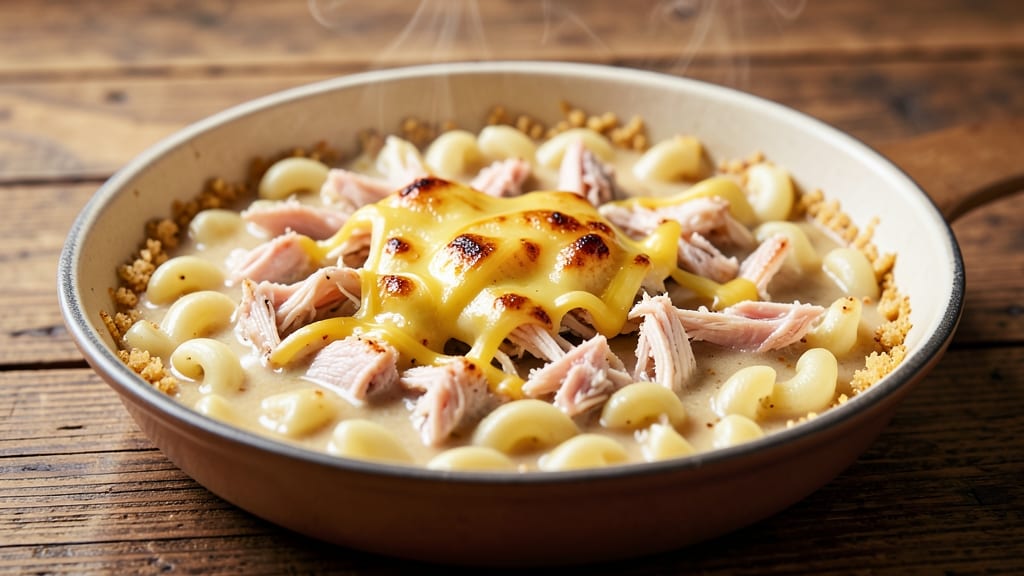
Transforming pantry staples into creamy, comforting one-pot pasta is where Campbell’s Cream of Chicken soup shines brightest. This recipe delivers restaurant-quality results with minimal effort—perfect for weeknights when you crave warmth without the fuss.
The secret lies in balancing the soup’s richness with al dente pasta and a crispy breadcrumb topping that adds texture without overpowering the creamy base.
What sets this dish apart is its simplicity: just one pot, 15 minutes of active prep, and a method that works whether you use pre-cooked chicken or leftover rotisserie.
The key technique is cooking the pasta directly in the soup, which infuses every strand with that velvety creaminess while keeping the texture tender. I’ve tested this recipe countless times—even with picky eaters—and it never fails to disappear from the table.
By the time you’re done, you’ll have a dish that’s creamy yet light, with golden-brown breadcrumbs on top for contrast. The aroma alone will fill your kitchen with nostalgia, while the first bite delivers that perfect balance of savory, cheesy, and crispy.
This is the kind of meal that feels indulgent yet effortless—ideal for feeding a family or treating yourself after a long day.
The beauty of this recipe is its flexibility: swap in rotisserie chicken for convenience, add fresh herbs for brightness, or stir in a dollop of sour cream for extra richness. It’s the ultimate one-pot comfort that proves homemade can be both satisfying and simple. Let’s get cooking!
Ingredients for campbell's cream of chicken and pasta
Pantry staples meet restaurant-quality comfort in this one-pot masterpiece.
| Ingredient | Amount | Notes |
|---|---|---|
| Campbell's Cream of Chicken Soup 🍲 | 2 cans | Condensed, not ready-to-serve |
| Elbow Macaroni 🍝 | 8 oz | Uncooked, medium or small shape |
| Rotisserie Chicken 🍗 | 1 ½ cups | Shredded, skin removed |
| Heavy Cream 🥛 | ½ cup | Full-fat for best texture |
| Sharp Cheddar Cheese 🧀 | 1 cup | Shredded, aged for flavor |
| Panko Breadcrumbs 🍞 | ½ cup | Japanese-style for crispiness |
| Butter 🧈 | 2 tbsp | Unsalted, melted |
| Garlic Powder 🧄 | 1 tsp | Freshly ground preferred |
| Dried Parsley 🌿 | 1 tsp | For garnish, or fresh if available |
| Salt 🧂 | ½ tsp | Diamond Crystal preferred |
| Black Pepper 🌶️ | ¼ tsp | Freshly cracked |
| Milk 🥛 | ¼ cup | Whole milk for creaminess |
| Sour Cream 🥛 | ¼ cup | Optional for extra richness |
The Campbell's Cream of Chicken soup is the backbone here—condensed, not ready-to-serve, because we're building depth. Grab the classic condensed version from any grocery store aisle; it's the same one you've had since childhood. For the chicken, rotisserie is a game-changer—shred it yourself for tender pieces, or use pre-shredded if you're in a rush. The elbow macaroni should be medium or small shape; it cooks faster and absorbs the creamy sauce beautifully. Whole wheat pasta works too if you prefer, but the classic white gives that perfect al dente texture we're chasing.
No rotisserie chicken? Pre-cooked chicken breast or canned chicken in water will do—just drain it well. The heavy cream is non-negotiable for that velvety texture, but if you're watching calories, half-and-half or evaporated milk works in a pinch. For the crispy topping, Panko breadcrumbs are essential—they toast up perfectly and add that satisfying crunch. No Panko? Regular breadcrumbs plus a pinch of cornstarch for crispiness. The cheddar should be sharp and aged; Kraft 2% works in a bind, but real cheddar makes all the difference. Fresh parsley is ideal, but dried works at one-third the amount—just sprinkle it over the top after baking.
This dish reheats like a dream—3-4 minutes in the microwave, covered, with a splash of milk to revive the creaminess. Store leftovers in the fridge for up to 4 days; the flavors only get better as they meld. For freezing, portion into single-serving containers—they reheat perfectly and make quick lunches. The crispy topping loses its crunch when reheated, so always make a fresh batch for serving. Pro tip: Prep the breadcrumb topping ahead and store it separately; just bake it fresh before serving.
Why You'll Love This Recipe
- One-Pot Magic: I’ve got a secret weapon for nights when I’d rather be lounging than scrubbing pots—this recipe turns two cans of soup and a rotisserie chicken into a full meal in one pan. No prepping veggies, no chopping herbs, just toss the elbow macaroni into the soup, cover it, and walk away while it simmers to perfection.
- Cheesy, Crispy Perfection: Between the sharp cheddar melting into that velvety sauce and the Panko topping turning golden under the broiler, every bite is a textural party. The garlic and black pepper add just enough punch to make it taste like you slaved over it for hours—even though it takes less than 30 minutes. Honestly, the crispy edge with the creamy center? Chef’s kiss.
- Leftover Love: The best part? It gets better the next day. I’ll reheat this on day four and still crave another spoonful. The flavors meld into something richer, and the crispy topping stays intact—no sad, soggy crumbs here. Plus, it’s the kind of dish that pairs perfectly with a cold beer or a glass of wine, making it my go-to for game nights or lazy Sundays.
- Budget-Friendly Luxury: I’m not kidding when I say this feels like a restaurant meal without the restaurant price. Rotisserie chicken is a dollar-store hack, and the rest of the ingredients are pantry staples. Yet somehow, that sharp cheddar and heavy cream combo makes it taste like I splurged on a five-star dinner. My wallet—and my taste buds—thank me every time.
Step-by-step instructions for Campbell's cream of chicken and pasta recipe
Here's your foolproof method for a rich, creamy one-pot dish with a golden, crispy breadcrumb topping.
Cook the Pasta in the Cream of Chicken Base
In a large, deep skillet or Dutch oven, combine the 2 cans Campbell's Cream of Chicken Soup and 8 oz Elbow Macaroni. Stir just until the pasta is fully coated with the soup mixture. This ensures even cooking and prevents clumping.
Bring the mixture to a boil over medium-high heat, then reduce to medium-low heat and cover with a tight-fitting lid. Let it simmer for 12-14 minutes, stirring occasionally, until the pasta is tender and al dente (it should have a slight bite). The liquid should be mostly absorbed, but a thin sauce should remain. If it dries out too quickly, add ¼ cup water to maintain moisture. This step builds the creamy foundation of your dish while keeping everything in one pot for easy cleanup.
Add Chicken and Seasonings for Depth of Flavor
Once the pasta is cooked, stir in the 1.5 cups Rotisserie Chicken, breaking up any large chunks with a fork. The warm pasta will begin to absorb the chicken's juices, creating an even richer sauce. Add the 0.5 cup Heavy Cream, 1 cup Sharp Cheddar Cheese, 1 tsp Garlic Powder, 0.5 tsp Salt, and 0.25 tsp Black Pepper. Stir vigorously until the cheese melts completely and the sauce becomes smooth and velvety. You'll notice the mixture thicken slightly as the cheese emulsifies with the cream—this is exactly what you want for that luxurious texture.
Here's the thing—if the sauce looks too thick, add the 0.25 cup Milk one tablespoon at a time until it reaches a pourable but clingy consistency. The goal is a sauce that coats the pasta beautifully without being watery. Taste and adjust seasoning if needed; sometimes the rotisserie chicken brings its own saltiness, so go easy with additional salt. Let the mixture simmer for 2-3 minutes off the heat to fully meld the flavors.
Create the Crispy Breadcrumb Topping
While the pasta mixture rests, melt the 2 tbsp Butter in a small saucepan over low heat. Remove from heat and stir in the 0.5 cup Panko Breadcrumbs until evenly coated. The butter should be just warm enough to lightly toast the breadcrumbs without burning them—you're looking for a nutty aroma that signals they're ready. Spread this mixture evenly over the top of the pasta, pressing down gently to ensure good contact with the creamy layer below.
For that perfect crispy finish, place the skillet under a broiler for 3-5 minutes, watching closely to prevent burning. You'll know it's done when the topping turns deep golden brown and develops a crisp texture. If your oven runs hot, start checking at the 2-minute mark—every oven behaves differently. The contrast between the creamy pasta and crispy topping is what makes this dish truly special.
Finish with Garnish and Optional Richness
Remove from the broiler and let the dish rest for 2 minutes before serving. This brief resting period allows the crispy topping to set slightly while keeping the creamy base warm. Sprinkle with 1 tsp Dried Parsley for a pop of color and freshness. For that extra layer of indulgence, dollop the 0.25 cup Sour Cream around the top of each serving—it adds a cool, tangy contrast that balances the richness perfectly.
Serve immediately with crusty bread on the side to soak up every last bit of that creamy, cheesy goodness. The crispy topping should hold its shape when lifted with a spoon, while the pasta underneath remains tender and coated in that velvety sauce. This one-pot wonder delivers comfort food at its finest—creamy, crispy, and completely satisfying in every bite.
Pro Tips For Making Campbell'S Cream Of Chicken And Pasta
- Stir Before Boiling: Toss the elbow macaroni in the Campbell’s soup before turning up the heat—this coats every noodle and prevents clumping. I used to skip this, and half my pasta would stick together like glue, no matter how much I stirred later.
- Toast the Panko Right: Warm the butter for the breadcrumbs just until it smells nutty—not smoking. Cold butter means soggy topping, and burning it turns the whole batch bitter. Think "lightly toasted," not "deep-fried."
- Milk in Tablespoons: When thinning the sauce with milk, add it one tablespoon at a time and stir after each addition. Dumping it all in at once turns your creamy masterpiece into a watery mess, and you’ll never get that velvety texture back.
- Broil Like a Hawk: Watch that breadcrumb topping like a hawk—it burns faster than you think. If your oven runs hot, start checking at 2 minutes, even if the recipe says 3-5. A few seconds too long ruins the whole dish.
Troubleshooting your campbell's cream of chicken and pasta
Pasta Too Soft?
If your elbow macaroni ends up mushy instead of al dente, you likely overcooked it. The key is to watch the pasta closely during the last 2 minutes of cooking—it should have a slight bite when you bite into it.
If this happens, try reducing the cooking time by 30 seconds next time and stir more frequently to prevent clumping. I’ve learned the hard way that medium-low heat is your friend here—it’s easier to salvage than high heat. 🔥
Sauce Too Thick?
When the sauce becomes too thick and clings stubbornly to the pot, add 1 tablespoon of whole milk at a time until it reaches a pourable consistency. Stir vigorously and let it sit for 1 minute between additions to see how it emulsifies.
Overthickening often happens when the cheese absorbs too much liquid—just be patient and add liquid slowly. I’ve found that turning off the heat and letting it rest for 2 minutes before adding milk helps prevent lumps.
Breadcrumb Topping Burns
If your Panko topping turns dark brown too quickly under the broiler, reduce the broiling time to 2 minutes and check frequently. Every oven behaves differently, so start watching at the 1-minute mark.
For extra insurance, cover the skillet with aluminum foil for the last 30 seconds to stop the toasting process. I’ve burned more breadcrumbs than I’d admit—just remember that golden brown is your target, not black. 💡
Chicken Too Dry?
When rotisserie chicken absorbs too much moisture from the sauce, it can turn dry. To prevent this, drain the chicken thoroughly before adding it to the pasta—press it between paper towels or use a salad spinner.
If you’re using pre-cooked chicken breast, poach it in low-sodium broth for 5 minutes before shredding to keep it juicy. I’ve found that adding 1 tablespoon of chicken broth to the pasta mixture when cooking can also help maintain moisture.
Lumpy Sauce?
Lumpy sauces often happen when cheese isn’t melted smoothly or the heat is too high. Lower the heat to medium-low and stir constantly while adding cheese. If lumps form, whisk vigorously or use an immersion blender to break them up.
I’ve learned to add cheese to the sauce in small batches—this gives it time to melt evenly before the next addition. For extra smoothness, whisk in 1 teaspoon of cornstarch mixed with a splash of milk before adding the cheese.
Nutrition facts
Frequently asked questions
Can I use any type of pasta for this recipe?
The recipe calls for elbow macaroni because it cooks quickly and absorbs the creamy sauce beautifully. However, you can substitute with small shapes like ditalini or shell pasta—just reduce the cooking time by 1-2 minutes to avoid mushiness. Avoid large shapes like penne or rigatoni, as they may not cook evenly in the soup base.
What if I don’t have rotisserie chicken?
No problem! Use pre-cooked chicken breast or canned chicken in water, drained well. For extra juiciness, poach the chicken in low-sodium broth for 5 minutes before shredding. Even leftover chicken works—just ensure it’s fully cooked and not dry. The key is to keep the chicken moist so it doesn’t absorb too much sauce.
How do I prevent the breadcrumb topping from getting soggy?
Press the Panko breadcrumbs firmly onto the pasta before broiling, and avoid overcrowding the pan. For extra crispiness, broil for just 3 minutes instead of 5, then let it rest 1 minute before serving. If you’re making this ahead, toast the breadcrumbs separately and store them in a sealed container until ready to use. This ensures they stay crisp even after reheating.
Can I make this dish dairy-free?
Yes! Swap the heavy cream and sharp cheddar for unsweetened almond milk and a dairy-free cheese shred. Use nutritional yeast for a cheesy flavor, or omit the cheese entirely. The dish will still be creamy thanks to the Campbell’s soup base, but the texture may be slightly lighter. Taste and adjust seasoning, as dairy-free alternatives can be less salty.
Why does my sauce turn lumpy when adding cheese?
Lumps happen when cheese isn’t melted slowly or the heat is too high. Lower the heat to medium-low and stir constantly while adding cheese in small batches. If lumps form, whisk vigorously or use an immersion blender to smooth it out. For extra smoothness, whisk 1 teaspoon of cornstarch mixed with a splash of milk into the sauce before adding cheese. Patience is key—let the cheese melt completely before stirring again.