
Sauces & Condiments
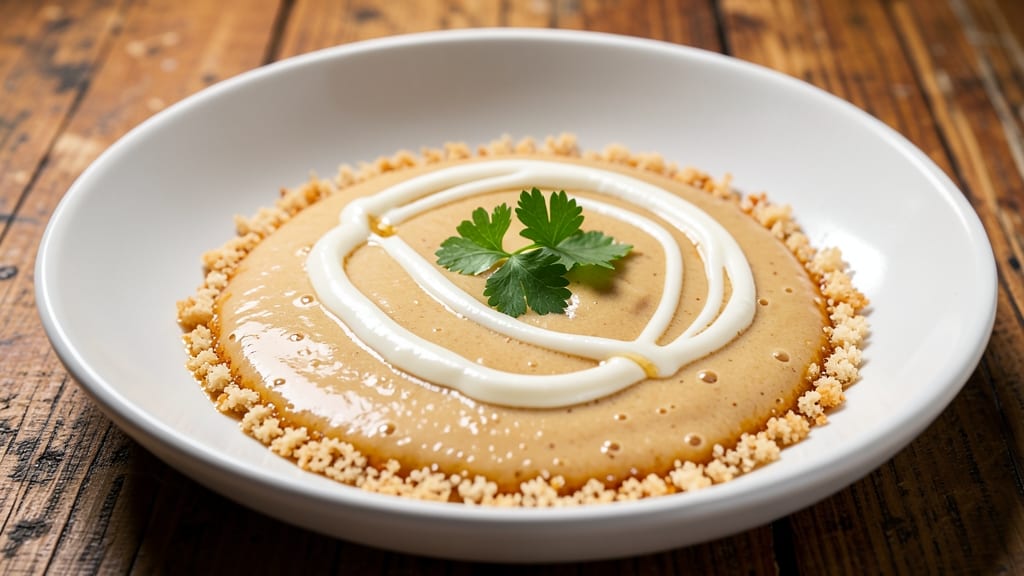
Transforming a simple can of Campbell’s Cream of Chicken soup into a velvety, restaurant-quality gravy is easier than you think—and it takes just minutes. This professional technique delivers rich, thick gravy perfect for drizzling over mashed potatoes, biscuits, or roasted meats, with customizable seasoning to suit any dish.
The key lies in thickening and balancing flavors without compromising that creamy texture.
What sets this gravy apart is its versatility and foolproof method. Start with the soup as your base, then build depth with butter, flour, and precise seasoning. Unlike store-bought versions, this recipe lets you control the thickness, saltiness, and even add dairy-free alternatives for dietary needs.
The result? A smooth, velvety sauce that clings beautifully to any dish.
This gravy works as both a weeknight shortcut and a holiday centerpiece, scaling effortlessly from family dinners to large gatherings. The secret to its professional finish is patience—allowing the sauce to simmer just long enough to develop flavor without breaking.
Store it for up to 5 days in the fridge or freeze for longer use.
Ready to elevate everyday meals? This gravy transforms ordinary dishes into something special—whether you're serving it over creamy mashed potatoes, drizzled on roasted chicken, or as a creamy pasta sauce. Let’s get started with a method that’s simple yet impressive.
Ingredients for campbell's cream of chicken gravy
A few pantry staples transform canned soup into velvety, restaurant-quality gravy.
| Ingredient | Amount | Notes |
|---|---|---|
| Campbell's Cream of Chicken Soup 🍲 | 1 can | 10.5 oz can, condensed |
| Unsalted Butter 🧈 | ½ cup | Cold, cut into small cubes |
| All-Purpose Flour 🌾 | ½ cup | Sifted, Diamond Crystal preferred |
| Whole Milk 🥛 | ½ cup | Full-fat for creaminess |
| Heavy Cream 🥛 | ¼ cup | Optional, for extra richness |
| Salt 🧂 | ½ tsp | Adjust to taste, kosher preferred |
| Freshly Ground Black Pepper 🌶️ | ¼ tsp | Freshly cracked for best flavor |
| Garlic Powder 🧄 | ¼ tsp | Not garlic salt |
| Onion Powder 🧅 | ¼ tsp | For depth of flavor |
| Dried Thyme 🌿 | ⅛ tsp | Or 1 tsp fresh thyme leaves |
The Campbell's Cream of Chicken soup serves as the base, but the real magic happens with the butter and flour roux. Use high-quality unsalted butter—like Plugrá or Land O'Lakes—to prevent burning during the thickening process. Diamond Crystal flour absorbs more liquid than other brands, ensuring a smoother gravy. For the milk, whole milk from organic brands like Horizon or Organic Valley adds a richer flavor profile. If you're avoiding dairy, substitute the milk and cream with an equal amount of full-fat coconut milk for a creamy texture without lactose.
No fresh thyme? Dried thyme works perfectly—just use one-third the amount. Running low on garlic powder? Fresh garlic minced and sautéed in the butter adds a more robust flavor. If you prefer a smoother gravy, blend it briefly before serving. For a tangier twist, stir in 1 teaspoon of lemon juice at the end. The key to a velvety finish is patience—simmer the gravy for at least 5 minutes to let the flavors meld. If the gravy separates, whisk vigorously or add a splash of warm milk to reconcile.
This gravy reheats beautifully—simply warm it on the stovetop over medium-low heat, stirring frequently to prevent lumps. Store leftovers in an airtight container in the refrigerator for up to 5 days, or freeze for up to 3 months. For a quick weeknight dinner, double the recipe and freeze half for future use. The gravy also freezes exceptionally well in ice cube trays, allowing you to thaw only what you need. Always thaw in the refrigerator overnight for the best texture.
Why You'll Love This Recipe
- No-Fuss Sauce Magic: I dump the Campbell’s soup, a pat of butter, and a sprinkle of flour into the pot—that’s it. The roux happens in minutes, not hours, and the whole milk plus heavy cream turn it into velvety perfection. Honestly, my "cooking skills" usually end with microwaving, but this? Even I can’t mess it up.
- Creamy, Rich, Addictive: The butter and flour create that just-right thickness, while the heavy cream makes it luscious—like a hug in a bowl. My picky eater (yes, even on a Tuesday night) will ask for seconds because it’s not the kind of gravy you can just tolerate.
- Feeds a Crowd: One pan, one bowl of ingredients—done. It’s my secret weapon for game days, lazy Sundays, or when my friends show up unannounced. Just double the recipe, pour it over mashed potatoes or roasted chicken, and boom: everyone’s happy.
Step-by-step instructions for Campbell's cream of chicken gravy
This method delivers a velvety, restaurant-quality gravy using pantry staples.
Melt Butter and Whisk in Flour
In a medium saucepan over medium heat, melt the 0.5 cup unsalted butter until it foams and turns golden, about 2-3 minutes. Watch closely—you want the butter to bubble gently without browning. Immediately whisk in the 0.5 cup all-purpose flour and stir constantly for 1-2 minutes until the mixture forms a smooth, pale roux. This step is critical: the flour must cook fully to eliminate its raw taste and create a proper thickening base.
Here's the thing—if the roux darkens before you add the soup, you've lost the delicate flavor. Keep the heat at medium and whisk vigorously. The moment it smells nutty and turns a light tan, you're ready for the next step. I press down gently on the roux with the whisk to ensure even cooking throughout.
Gradually Incorporate the Campbell's Cream of Chicken Soup
Slowly pour in the 1 can Campbell's Cream of Chicken Soup, whisking continuously to prevent lumps from forming. Start with a thin stream and gradually increase to a steady pour. This gradual addition ensures the flour fully incorporates without creating clumps. The mixture will thicken immediately as the soup absorbs into the roux.
Once fully combined, bring the mixture to a gentle simmer over medium-low heat. Stir frequently for 3-4 minutes until the gravy thickens noticeably. You're aiming for a consistency where it coats the back of a spoon smoothly but doesn't drip. If it thickens too quickly, reduce the heat slightly—this is where patience prevents a gluey mess. The gravy should be silky, not pasty.
Season and Enhance with Dried Ingredients
Reduce heat to low and stir in the 0.5 tsp salt, 0.25 tsp freshly ground black pepper, 0.25 tsp garlic powder, 0.25 tsp onion powder, and 0.125 tsp dried thyme. These seasonings dissolve into the gravy, creating depth without overpowering. Let the mixture simmer for 2 minutes to allow the flavors to meld. The thyme adds an earthy note that complements the chicken flavor beautifully.
Taste and adjust seasoning if needed—this is your chance to balance the flavors. The gravy should be rich but not salty, savory but not bitter. If it needs more body, you may adjust consistency by adding small amounts of liquid (e.g., milk or cream from the ingredients) until you reach the desired texture. The key is to maintain that velvety texture while enhancing the flavor profile.
Finish with Milk and Heavy Cream
Remove the pan from heat and whisk in the 0.5 cup whole milk and 0.25 cup heavy cream. The cream adds luxurious richness, while the milk lightens the texture slightly. Return the pan to low heat and stir gently for 1-2 minutes—just enough to warm through without breaking the emulsion. The gravy should now have a luxurious, almost custard-like consistency.
For the final touch, skim off any excess fat that rises to the surface with a spoon. This step ensures a clean, elegant finish. The gravy is now ready to serve immediately over mashed potatoes, roasted chicken, or biscuits. If you need to reheat later, do so over low heat while stirring constantly to prevent separation.
Pro Tips For Making Campbell'S Cream Of Chicken Gravy
- Whisk Like You Mean It: That first minute with the butter and flour is where the magic happens—or disappears. I used to half-ass the whisking, and my roux always tasted raw. Now I go full arm circles, scraping the bottom of the pan constantly. A smooth, pale roux is non-negotiable; if it smells nutty and looks like wet sand, you’re golden. (Yes, even if you’re impatient like me.)
- Sift That Flour: Diamond Crystal flour is lighter than most, and unsifted means lumps hiding in your gravy. Take the extra 10 seconds to sift it directly into the pan with the butter. Trust me, you’ll thank yourself when your gravy isn’t fighting for smoothness later. (And no, shaking the can doesn’t count.)
- Pour Soup Slowly: Dumping that can of soup all at once is how you end up with flour clumps the size of marbles. Start with a thin stream, whisking like your life depends on it, then gradually let it flow. The goal is to let the flour absorb the soup evenly—rush it, and you’ll spend the next 10 minutes fishing out gummy bits.
- Taste Before Cream: Season the gravy before you add the milk and heavy cream. Once those go in, you can’t adjust the salt or acidity without risking curdling. Simmer the spices for those 2 minutes, then taste—add more salt or pepper now, not after. The cream’s job is to make it rich, not fix your seasoning mistakes.
Perfect pairings for this dish
Creamy Mashed Potato Perfection
This gravy transforms ordinary mashed potatoes into a restaurant-worthy dish. I love drizzling it over creamy Yukon Gold potatoes cooked with whole milk and roasted garlic.
For extra indulgence, sprinkle with crumbled bacon bits or crumbled blue cheese before serving. The buttery richness pairs beautifully with the potatoes' natural sweetness. 🥔
Roasted Chicken Companion
For a complete meal, pour this gravy over herb-roasted chicken thighs or crispy fried chicken tenders. The savory depth of the gravy complements the smoky, caramelized chicken skin perfectly.
I always add fresh parsley and a squeeze of lemon at the table for a bright finish. It's the perfect way to elevate a simple weeknight dinner. 🍗
Pasta Sauce Boost
Turn your favorite pasta into a creamy masterpiece by mixing this gravy into al dente fettuccine or buttery macaroni. Add grated Parmesan cheese and a pinch of nutmeg for an Italian-inspired twist.
The gravy adds richness without overpowering the pasta's natural flavor. It's my go-to shortcut for a gourmet pasta dish. 🍝
Biscuit & Sausage Pairing
This gravy is made for Southern-style breakfasts! Drizzle it over flaky buttermilk biscuits and smoked sausage patties for a comforting meal. The creamy texture balances the biscuits' flakiness and the sausage's savory bite. I always add a sprinkle of chopped chives for freshness. It's the ultimate weekend brunch upgrade. 🥞
Vegetarian Adaptations
For a plant-based version, replace the chicken soup with vegetable broth and add nutritional yeast for a cheesy flavor. This works wonderfully over creamy mashed cauliflower or roasted butternut squash.
The gravy's creamy texture makes it feel indulgent even without dairy. It's a great way to keep the dish satisfying for all diets. 🌱
Nutrition facts
Frequently asked questions
Why does my gravy turn out lumpy instead of smooth?
The key is to add the Campbell's Cream of Chicken Soup slowly while whisking continuously. Pour it in a thin stream at first, then gradually increase the flow. If lumps form, blend the gravy briefly with an immersion blender or strain it through a fine-mesh sieve before serving. Always keep whisking during the simmering step to maintain smoothness.
How can I adjust the thickness of my gravy?
For a thicker gravy, simmer longer until it reaches your desired consistency. If it's too thin, whisk in 1 tablespoon of cold water at a time. For extra richness, reduce the heat and stir in 1 tablespoon of cornstarch mixed with 2 tablespoons of water while cooking. Always stir gently to avoid lumps.
Can I make this gravy without dairy?
Replace the 0.5 cup whole milk and 0.25 cup heavy cream with an equal amount of full-fat coconut milk. The gravy will still be creamy and delicious while staying dairy-free. It works perfectly over mashed potatoes or roasted vegetables.
What’s the best way to reheat leftover gravy?
Gently warm the gravy over low heat while stirring constantly to prevent separation. Avoid high heat, which can cause the gravy to curdle. If it thickens too much, add a splash of warm water or milk to restore its creamy texture. Reheat only what you plan to use immediately.
How do I prevent the gravy from separating when reheating?
Separation happens when the emulsion breaks. To fix it, whisk vigorously over low heat and add a spoonful of warm water or milk while stirring. If the gravy curdles, blend it briefly with an immersion blender to restore its smooth consistency. Always reheat slowly and avoid high temperatures.