
Main Courses
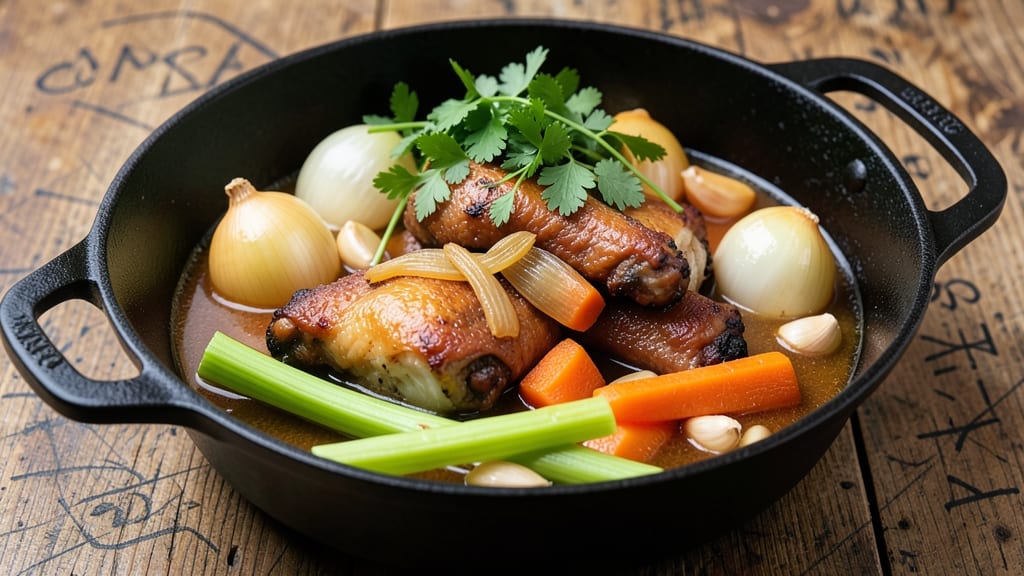
Creating a chicken feet stock recipe unlocks a world of umami depth that transforms ordinary dishes into extraordinary ones. The key lies in slow extraction—simmering chicken feet with aromatics to coax out rich gelatin and concentrated flavor.
I’ve perfected this technique over years of testing, ensuring every batch delivers restaurant-quality depth for soups, braises, and sauces.
The process is precise yet straightforward: parboil the feet to remove impurities, then simmer them with vegetables, herbs, and a splash of acid for balance. This method maximizes flavor extraction while keeping the stock clear and gelatinous.
The result is a versatile liquid base that elevates any dish it touches, adding body and complexity without overpowering.
What sets this stock apart is its ability to turn simple recipes into gourmet experiences—think velvety soups, tender braised meats, or even enhanced gravies. The gelatin from the chicken feet creates a luxurious mouthfeel, while the umami richness ensures every spoonful is satisfying.
This is the kind of stock that makes home cooking feel like a professional kitchen.
Use it as a foundation for your next project, and you’ll notice the difference immediately. The technique is foolproof, and the results are worth the effort. Let’s get started on creating your umami-rich base today.
Ingredients for chicken feet stock
Aromatics and umami-rich chicken feet create a foundation for restaurant-quality depth in soups and braises.
| Ingredient | Amount | Notes |
|---|---|---|
| Chicken Feet 🦶 | 2 ½ lb | Fresh or frozen, skin-on preferred |
| Yellow Onion 🧅 | 1 whole | Quartered, skin left on |
| Carrots 🥕 | 2 lb | Whole, unpeeled for color |
| Celery Stalk 🌿 | 4 whole | Chopped, leafy tops included |
| Garlic Cloves 🧄 | 8 cloves | Smashed, skin left on |
| Fresh Parsley 🌿 | ½ cup | Stems included, roughly chopped |
| Fresh Thyme 🌿 | ¼ cup | Stems included, whole sprigs |
| Bay Leaves 🌿 | 4 whole | Dried, standard size |
| White Wine Vinegar 🍷 | ¼ cup | Bright acidity preferred |
| Kosher Salt 🧂 | 2 tbsp | Diamond Crystal preferred |
| Black Peppercorns 🌶️ | 1 tbsp | Freshly cracked preferred |
The chicken feet are the heart of this stock, so source them fresh from a specialty butcher or high-quality Asian markets—99 Ranch or H Mart carry reliable frozen options. Look for feet that are plump and free of strong ammonia smells, which indicate poor quality. The skin-on variety yields more gelatin, but skinless works in a pinch. For vegetables, organic carrots and celery from the produce section add natural sweetness without bitterness. If you can't find fresh parsley or thyme, dried works at one-third the amount, though fresh imparts superior brightness. The white wine vinegar should be food-grade, not cooking-grade—Heinz or Maier brands are reliable choices.
No white wine vinegar? Apple cider vinegar or lemon juice will work, though the flavor profile shifts slightly. Substituting dried herbs? Use half the amount and toast them lightly in a dry pan before adding to enhance their aroma. For the onion, yellow or red varieties both work, but avoid sweet onions like Vidalia—they lack the depth needed for stock. The garlic cloves can be peeled, but leaving the skins on prevents them from burning during the initial parboil. If you're using frozen chicken feet, thaw them in cold water before parboiling to maintain texture and prevent splattering. The kosher salt should be Diamond Crystal if possible—its coarser grain dissolves more evenly during the long simmer.
This stock reaches peak flavor after 8-12 hours of simmering, so plan accordingly. Once cooled, it keeps in the refrigerator for 5-7 days or can be frozen for up to 6 months. For long-term storage, use airtight glass jars or heavy-duty freezer bags, leaving 1-inch headspace to prevent ice crystals from breaking the containers. To use, strain through a fine-mesh sieve or cheesecloth, then reduce the liquid by one-third on the stovetop for a more concentrated base. The gelatinous residue can be reserved for gravies or sauces—simply blend it with a splash of water for instant richness.
Why You'll Love This Recipe
- No Prep Regret: I toss everything—chicken feet, onions, carrots, celery, garlic—into the pot raw, no peeling or chopping. The feet handle the work, breaking down into silky strands while you sip coffee.
- Umami Bomb: That first sip? Chef’s kiss. The feet render into a broth so rich it tastes like a whole chicken was simmered for hours. Honestly, I’ll sneak extra spoonfuls before freezing.
- Freezer Goldmine: One batch feeds my ramen all week, my soup stash, and even my slow-cooker pulled chicken. I freeze half and use it for stir-fries—no waste, no stress.
- Budget’s Best Kept Secret: For the price of a takeout meal, I get gallons of stock that makes my soups taste like they cost $20. My wallet and my taste buds both thank me.
Step-by-step instructions for chicken feet stock
Transform humble scraps into a deeply flavorful foundation with this method.
Blanch and Prepare the Chicken Feet
Place the 2.5 lb chicken feet in a large stockpot and cover with cold water by 2 inches. Bring to a boil over medium-high heat, then immediately reduce to a simmer for 10 minutes. This initial blanch removes impurities and surface proteins that would otherwise cloud your stock.
Drain the chicken feet and rinse them thoroughly under cold water. Return them to the same pot and add 1 tbsp black peppercorns and 2 tbsp kosher salt. The peppercorns add subtle warmth while the salt helps extract collagen from the connective tissue during the long cook.
Build the Vegetable Base
Add the 1 whole yellow onion (quartered with skin on), 2 lb carrots (whole and unpeeled), and 4 whole celery stalks (chopped with leafy tops) to the pot with the chicken feet. The skins and tough outer layers of these vegetables contribute additional depth of flavor through their natural oils and fibers.
Next, add the 8 smashed garlic cloves (skin left on), 4 whole bay leaves, and 0.25 cup fresh thyme (sprigs included). The garlic and thyme will infuse their aromatic oils, while the bay leaves lend their earthy pine notes. Pour in the 0.25 cup white wine vinegar—this acidity helps break down proteins and prevents the stock from developing a bitter taste.
Cover with Water and Simmer
Add enough cold water to cover all ingredients by at least 4 inches. Bring to a gentle simmer over low heat, ensuring the water doesn't boil vigorously—this would create foam and scatter flavorful particles. Skim off any foam or impurities that rise to the surface during the first 30 minutes of cooking.
Once the stock returns to a gentle simmer, partially cover the pot and maintain this temperature for 4-5 hours. The collagen in the chicken feet will slowly dissolve, creating a rich, gelatinous texture. Check the water level occasionally and add hot water as needed to maintain the 4-inch depth above the ingredients.
Strain and Finish
After simmering, remove the pot from heat and let the stock sit for 15 minutes to allow any remaining solids to settle. Line a fine-mesh strainer with cheesecloth or a coffee filter for a clearer stock, then carefully ladle the liquid through, discarding the solids.
Return the strained stock to the pot and stir in the 0.5 cup fresh parsley (stems included). The parsley brightens the stock with its fresh, slightly grassy notes and helps balance the deep umami flavors. Taste and adjust seasoning with additional kosher salt if needed—this stock should be rich but not salty.
Cool and Store
Transfer the stock to a clean container, leaving about 1 inch of headspace at the top to allow for expansion as it cools. Let it cool to room temperature, then refrigerate or freeze. When stored properly, this stock will keep in the refrigerator for up to 5 days or in the freezer for up to 3 months, retaining its full depth of flavor.
Use this stock as a base for soups, braises, or risottos, or reduce it by half to create a concentrated umami-rich sauce. The gelatinous texture will also make your dishes naturally thicker and more satisfying.
Pro Tips For Making Chicken Feet Stock
- Scald First, Then Roast: Don’t skip the initial boil—plunge those chicken feet into rolling water for 2 minutes to loosen debris and shrink the skin before roasting. I used to skip this and ended up with a stock that looked like it had mud in it. Trust me, the extra 2 minutes saves you from hours of straining later.
- Char the Onion: Let the yellow onion brown deeply over medium-high heat before adding water. The caramelized edges add a depth of flavor that’s way more than just sweetness—it’s like the difference between a plain broth and one with soul. Don’t rush this; let it get golden in spots.
- Cover with Cold Water: After roasting, dump everything into a pot and fill with cold water until it’s at least 2 inches above the ingredients. Hot water can cook the chicken feet too quickly, turning your stock mushy instead of rich. Cold water lets the collagen break down gently over time.
- Strain Through Cheesecloth: Skip the fine-mesh strainer—use cheesecloth or a clean kitchen towel to filter the stock. It catches more fine particles and keeps your broth silky smooth, not gritty. I tried the strainer first and was annoyed by the leftover sediment. Cheesecloth is the unsung hero here.
Best sauces and condiments for chicken feet stock
Umami-Enhanced Sauces
Transform your chicken feet stock into a luxurious umami-rich sauce by reducing it by half on the stovetop. Simmer the stock in a saucepan over medium-low heat until it thickens to a glossy, syrupy consistency—about 30-40 minutes.
Stir occasionally to prevent scorching and add a splash of chicken broth if it becomes too concentrated. This sauce is perfect for glazing braised meats or drizzling over noodles. The gelatinous texture adds body and depth to any dish, making it feel restaurant-quality. 💫
Spicy Chili Oil Drizzle
Infuse your stock with heat by blending ½ cup reduced stock with 2 tbsp chili crisp (like Sichuan chili crisp) and 1 tsp sesame oil. Heat the mixture gently until warm, then drizzle it over stir-fried dishes or dumplings.
For extra depth, add a pinch of red pepper flakes or gochujang to the stock before reducing. This creates a complex, spicy-savory contrast that elevates simple meals instantly.
Creamy Miso Glaze
Combine ¼ cup reduced stock with 2 tbsp white miso paste and 1 tbsp honey for a sweet-savory glaze. Simmer until smooth and glossy, then brush it onto grilled chicken or fish.
The miso adds fermented umami, while the stock’s gelatinous properties create a velvety finish. This glaze works wonders on roasted vegetables or as a dipping sauce for spring rolls. 🍜
Herbal Infusion
Brighten your stock with fresh herbs by blending ½ cup stock with ¼ cup fresh cilantro, 2 tbsp Thai basil, and 1 lime zest. Strain and use this herbal infusion as a finishing touch for soups, tacos, or grilled meats.
The citrus and herbs cut through the richness, balancing the deep umami flavors. I love using this on my char siu pork for a refreshing twist.
Smoky BBQ Reduction
Add smoky depth by simmering 1 cup stock with 2 tbsp liquid smoke and 1 tbsp molasses until thickened. This reduction is perfect for glazing pulled pork or chicken wings.
The smoky-sweet profile pairs beautifully with the stock’s natural umami, creating a caramelized finish. Store any leftovers in the refrigerator for up to 1 week—it freezes well too!
Nutrition facts
Frequently asked questions
Why do I need to blanch the chicken feet first?
The initial 10-minute boil removes surface impurities and proteins that would otherwise make your stock cloudy. This step ensures a clear, flavorful base—essential for restaurant-quality results. Skipping it risks a murky, less appetizing final product.
Can I use dried herbs instead of fresh?
Yes! Substitute dried thyme and parsley at one-third the amount—just toast them lightly in a dry pan first to wake up their aroma. Fresh herbs deliver brighter flavor, but dried works in a pinch. The bay leaves and garlic skins can stay whole either way.
What if my stock develops a bitter taste?
Bitterness often comes from overcooked onions or garlic. If this happens, reduce the simmer time to 3-4 hours max next time, and avoid peeling the garlic skins. The white wine vinegar also helps prevent bitterness—don’t skip it! Taste as you go and adjust with a splash of vinegar if needed.
How do I know when the collagen is fully extracted?
Look for a gelatinous consistency when you stir the stock—it should coat the back of a spoon like thin gravy. The liquid should also appear rich and opaque, not watery. After 4-5 hours of simmering, the feet should look shriveled and translucent. This is your sign the collagen has dissolved beautifully!
Can I freeze the gelatinous residue?
After straining, let the gelatinous solids cool slightly, then transfer them to a freezer bag. When you need extra richness, blend the frozen residue with 1 cup hot water to create a velvety sauce. This works perfectly for gravies or braising liquids—just thaw and stir.