
Sauces & Condiments
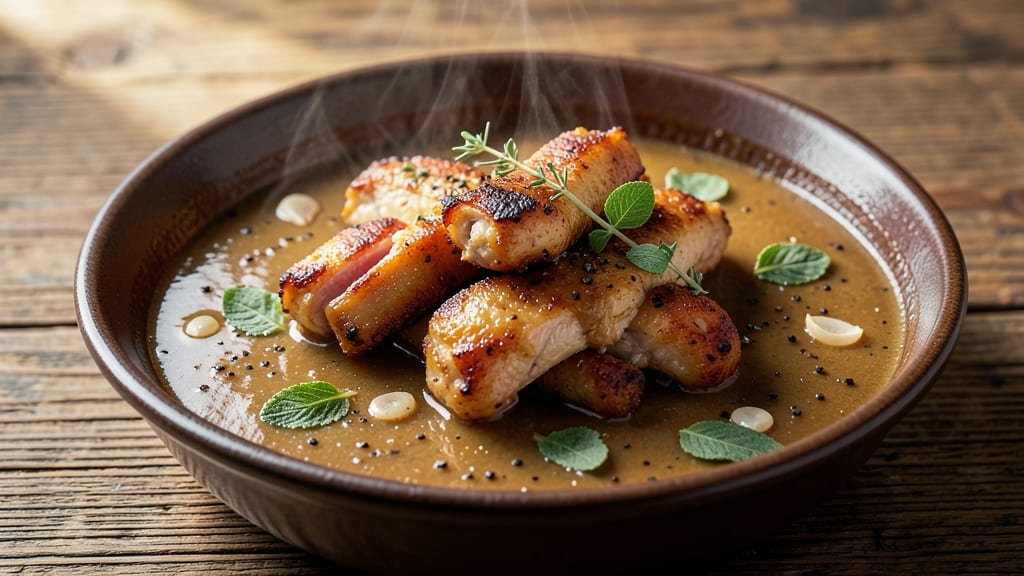
Transforming leftover chicken gizzard fat into rich, velvety gravy is one of the most rewarding kitchen techniques I’ve perfected—it turns scraps into a deeply flavorful sauce that elevates any meal. The secret lies in rendering the fat properly, then building layers of savory depth through slow simmering and precise seasoning.
This isn’t just gravy; it’s a pan sauce with a complexity that rivals restaurant-quality dishes, all while using ingredients you might otherwise discard.
The process begins with rendering the gizzards until the fat renders out, creating a golden base that carries incredible richness. From there, a simple flour slurry thickens the sauce while absorbing the natural flavors of the fat, which develops a nutty, almost caramelized quality when cooked low and slow.
Herbs like thyme or sage add aromatic layers, while black pepper and salt balance the depth, ensuring every spoonful delivers a savory, umami-packed experience.
What makes this gravy truly special is its versatility—it pairs perfectly with mashed potatoes, cornbread, or even as a dipping sauce for fried chicken. The texture is silky yet substantial, clinging to food without overpowering it.
Best of all, it keeps well in the fridge for up to a week or freezes for months, making it a pantry staple for quick, flavorful meals.
Once you try this method, you’ll never waste gizzard fat again. The key is patience—letting the sauce develop its depth over time—and a willingness to embrace the rustic, homey flavors that come from using every part of the bird.
Let’s get started on creating a sauce that’ll make your table taste like a Southern homestead.
Ingredients for chicken gizzard gravy
A few simple ingredients transform scraps into a restaurant-worthy pan sauce.
| Ingredient | Amount | Notes |
|---|---|---|
| Chicken Gizzards 🍗 | 1 lb | Fresh or frozen, rinsed clean |
| All-Purpose Flour 🌾 | ¼ cup | White or whole wheat blend |
| Unsalted Butter 🧈 | 2 tbsp | Full-fat for richness |
| Fresh Thyme Leaves 🌿 | ½ tsp | Or 0.25 tsp dried thyme |
| Fresh Sage Leaves 🌿 | ¼ tsp | Chopped, or 0.125 tsp dried |
| Garlic Cloves 🧄 | 2 cloves | Minced, or 0.5 tsp garlic powder |
| Chicken Broth 💧 | 1 cup | Homemade or quality store-bought |
| Apple Cider Vinegar 🍎 | 1 tbsp | For brightness |
| Diamond Crystal Kosher Salt 🧂 | ½ tsp | Adjust to taste |
| Freshly Ground Black Pepper 🌶️ | ¼ tsp | Cracked peppercorns preferred |
The gizzards are the star—fresh is ideal, but frozen works if thawed properly. Look for plump, firm gizzards with no off smells; Costco or local butchers often sell them in bulk. If using frozen, pat them completely dry before rendering to maximize fat yield. The thyme and sage should be bright green and fragrant—no brown stems or wilted leaves. For extra depth, toast the whole spices in a dry pan for 30 seconds before adding to the gravy. The apple cider vinegar might seem odd, but it cuts through the richness beautifully, balancing the sauce's umami notes.
No fresh herbs? Dried thyme and sage work at one-third the amount, but fresh is worth hunting down at Trader Joe’s or Whole Foods for that aromatic punch. Short on chicken broth? Water plus 1 tsp chicken bouillon gets you close, but homemade is ideal. The flour slurry is non-negotiable—it’s what creates that silky texture. For a gluten-free version, use cornstarch or arrowroot powder instead, but reduce the liquid slightly. If the gravy turns out too thin, whisk in another tablespoon of flour mixed with cold water. Too thick? Thin with a splash of broth or water, one tablespoon at a time.
This gravy keeps beautifully—5-7 days in the fridge sealed in a jar, or up to 3 months in the freezer. For long-term storage, portion into ice cube trays before transferring to a freezer bag. Reheat gently on the stove over medium-low heat, stirring constantly to prevent lumps. If it thickens too much while reheating, add a splash of broth. The flavor actually improves after the first day as the ingredients meld together. Leftovers make an amazing base for creamy mashed potatoes or a dipping sauce for fried chicken.
Why You'll Love This Recipe
- No Panic, Just Pan: I’ve burned gravy before—don’t worry, this isn’t one of those recipes. The secret? Just 4-5 minutes of undisturbed browning for the gizzards in butter, then a quick flour toast. No fancy prep, no stress. The hardest part? Deciding whether to serve it over biscuits or mashed potatoes.
- Herb-Kissed Richness: That 0.5 tsp of fresh thyme and 0.25 tsp of sage? They’re the difference between “meh” and “chef’s kiss.” The apple cider vinegar brightens it up, while the garlic and salt make every spoonful sing. It’s the kind of gravy that makes you forget it’s made from gizzards—until you take a bite, anyway.
- Budget Hack with Bite: A pound of gizzards costs less than a chicken thigh, but the flavor? Chef’s kiss. You’re getting rich, velvety gravy for pennies, and the herbs and broth keep it from tasting like “cheap.” It’s the kind of meal that stretches your budget while still feeling like a treat.
Step-by-step instructions for chicken gizzard gravy
Transform humble gizzards into a rich, velvety sauce with this straightforward method.
Prepare the Gizzards for Cooking
Rinse the 1 lb chicken gizzards thoroughly under cold water and pat them completely dry with paper towels. This step is crucial—any moisture left on the gizzards will prevent proper browning and lead to a watery sauce later. Trim away any visible connective tissue or silver skin using kitchen shears or a sharp knife.
In a large skillet, melt the 2 tbsp unsalted butter over medium-high heat until it foams. Add the gizzards in a single layer and cook undisturbed for 4-5 minutes until they develop a deep golden-brown crust on all sides. You'll know they're ready when the edges release easily from the pan. Flip carefully using a pair of tongs—this prevents the gizzards from breaking apart.
Build the Flour Crust and Develop the Base
Remove the gizzards from the skillet and set them aside on a plate. Immediately reduce the heat to medium and sprinkle the 0.25 cup all-purpose flour evenly over the browned bits at the bottom of the pan. Stir vigorously with a wooden spoon for 1-2 minutes until the flour turns a nutty golden color and becomes fragrant.
This step creates the roux that will thicken your gravy. If the flour darkens too quickly, reduce the heat slightly to prevent burning. Next, add the 2 cloves minced garlic cloves and cook for 30 seconds until they become fragrant but don't brown. Stir in the 0.5 tsp fresh thyme leaves and 0.25 tsp fresh sage leaves, allowing their essential oils to infuse into the flour mixture for 10 seconds.
Deglaze and Simmer the Gravy
Pour in the 1 cup chicken broth and the 1 tbsp apple cider vinegar, scraping up any browned bits from the bottom of the pan with your wooden spoon. Bring the mixture to a gentle simmer, then return the gizzards to the skillet. Add the 0.5 tsp diamond crystal kosher salt and 0.25 tsp freshly ground black pepper, stirring to combine.
Cover the skillet and let the gravy simmer gently for 25-30 minutes, stirring occasionally. The gizzards should become fork-tender, and the sauce should reduce until it coats the back of a spoon. If the sauce thickens too much before the gizzards are tender, add 1-2 tablespoons of hot water to reach your desired consistency. The vinegar brightens the flavors while the herbs add earthy depth.
Strain and Finish the Gravy
Once the gizzards are tender and the sauce has thickened, use a slotted spoon to transfer them to a serving platter. Strain the remaining gravy through a fine-mesh sieve into a clean saucepan, pressing on the solids with a wooden spoon to extract maximum flavor. Discard the solids in the sieve.
Return the strained gravy to medium-low heat and let it simmer uncovered for 3-4 minutes to reduce slightly and develop a glossy finish. Taste and adjust the seasoning—you may need to add a pinch more salt or pepper depending on your preference. The gravy should be rich, velvety, and deeply flavorful with just a touch of acidity from the vinegar.
Pro Tips For Making Chicken Gizzard Gravy
- Skip the Crowding: Gizzards stick together like glue when you pile them in the pan—no one wants rubbery, clumped meat. Cook them in a single layer, even if it takes two batches. That golden crust is worth the extra minute of patience.
- Watch the Roux: The flour won’t turn golden if you rush it. Stir like you’re stirring your first pot of coffee—constant, gentle motions. If it starts to brown too fast, drop the heat immediately. A burnt roux tastes like regret.
- Press for Flavor: When straining the gravy, don’t just pour—press the solids with a wooden spoon. You’re squeezing out the last bit of richness, the kind that makes people ask, “What’s in this?” (Answer: Everything.)
- Vinegar First, Taste Last: Add the apple cider vinegar before the broth so it infuses into the roux, not just sits on top. Then taste at the end—you’ll need to adjust salt anyway, and this way, the acidity balances perfectly.
Flavor customization for this chicken gizzard gravy
Spicy Smoked Paprika Kick
Add 1 tsp smoked paprika to the roux stage when cooking the flour with browned bits. This gives the gravy a subtle smoky heat that pairs wonderfully with cornbread or fried chicken.
I like to mix it with ¼ tsp cayenne pepper for a gentle kick—just enough to wake up your palate without overpowering the richness. The smoky depth complements the natural umami from the gizzards beautifully. 🌶️
Creamy Garlic Butter Twist
For a luxurious variation, stir in 2 tbsp unsalted butter and 1 tbsp minced garlic during the final simmering stage. This creates a velvety texture that's perfect for mashed potatoes or roasted vegetables.
I also add ¼ cup heavy cream at the end for extra richness—it transforms the gravy into a restaurant-quality pan sauce. This version is ideal for special occasions.
Herb-Infused White Wine Finish
Deglaze with ½ cup dry white wine instead of chicken broth for a brighter, more complex flavor. Add 1 tbsp fresh rosemary and 1 tbsp fresh parsley during the simmering phase. The wine adds acidity that cuts through the fat, while the herbs bring freshness.
This version pairs perfectly with roasted chicken or grilled asparagus. It’s a Southern-inspired twist that elevates the dish.
Sweet Heat with Honey Glaze
After straining, whisk in 1 tbsp honey and ½ tsp hot sauce (like Frank’s RedHot) for a sweet-spicy glaze. This balances the savory depth with a touch of sweetness, making it perfect for drizzling over biscuits or roasted sweet potatoes.
The honey also enhances the gravy’s natural richness, creating a harmonious blend. It’s a crowd-pleaser for those who love bold flavors. 🍯
Spicy Brown Sugar Reduction
For a Southern-inspired variation, reduce 2 tbsp brown sugar with 1 tbsp apple cider vinegar and ½ tsp chili powder in a small saucepan before adding it to the gravy. This creates a sticky, slightly spicy reduction that clings to fried chicken or biscuits.
The brown sugar caramelizes beautifully, adding depth and a touch of sweetness that contrasts the gravy’s savory notes. It’s a game-changer for breakfast dishes.
Nutrition facts
Frequently asked questions
Why does my chicken gizzard gravy turn out watery?
Moisture is the #1 culprit! Always pat the 1 lb gizzards completely dry before cooking—any leftover water steams instead of browns. Also, avoid over-deglazing with liquid; stick to 1 cup chicken broth and 1 tbsp apple cider vinegar. If it still runs thin, simmer uncovered for 3-4 minutes to reduce naturally—this concentrates flavors while tightening the sauce.
Can I skip the gizzards and still make this gravy?
Technically yes, but the magic lies in the rendered gizzard fat! For a similar result, use 2 tbsp chicken fat or butter as the base, then add 1 tsp chicken bouillon powder to mimic the umami depth. The texture won't be exactly the same, but it'll be rich and savory—just less complex. For best results, keep the gizzards in the mix!
How do I adjust the seasoning if my gravy tastes bland?
Start with salt and pepper—add ¼ tsp at a time until it balances. For extra depth, stir in ½ tsp soy sauce or 1 tbsp fish sauce during the final simmer. The apple cider vinegar adds brightness, so if it's too sharp, reduce it by ½ tbsp and add a pinch more salt. Taste as you go—gravy seasons best while warm!
What’s the best way to reheat leftover gravy?
Gentle heat is key! Warm it over medium-low in a small saucepan, stirring constantly to prevent clumping. If it thickens too much, whisk in 1 tbsp hot water or broth. Avoid high heat—it can separate or burn. Pro tip: Reheat only what you’ll use immediately; leftovers reheat best within 2 days for peak flavor.