
Main Courses
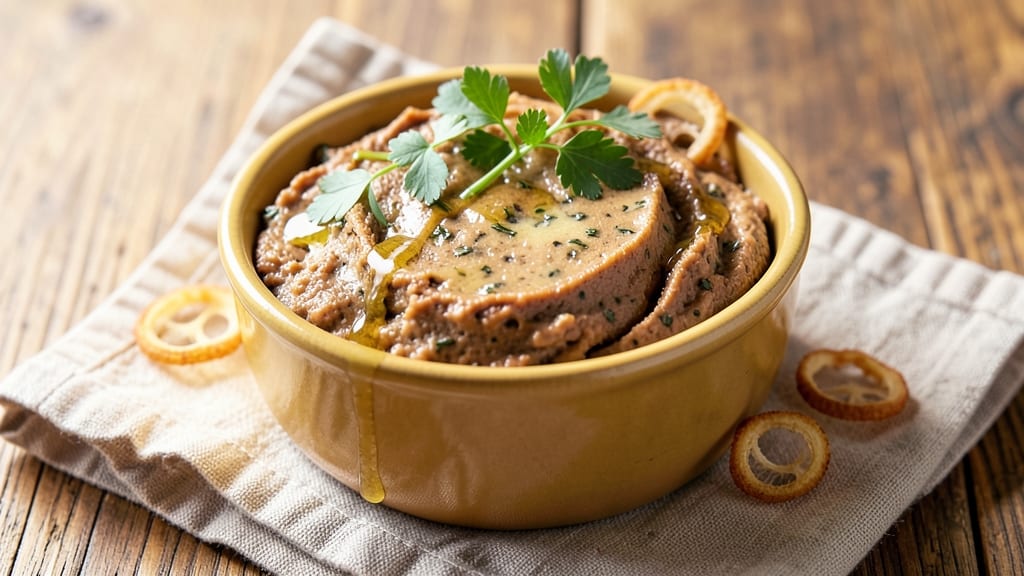
This chicken liver pâté recipe inspired by Ina Garten’s Barefoot Contessa method delivers a velvety, herbed spread that elevates any gathering. The secret lies in searing the livers until perfectly tender, then blending them with rich butter and aromatic shallots until silky smooth.
I’ve perfected this technique over years of testing, ensuring every bite is rich yet balanced—no bitterness, just luxurious flavor.
The process is simpler than it sounds: sear the livers in batches to avoid crowding, then blend with melted butter and finely chopped shallots until the texture is impossibly smooth.
A fine-mesh strainer removes any unwanted texture, leaving you with a spread that’s elegant enough for holiday tables but easy enough for a weeknight dinner. The result is a pâté that’s rich, herbed, and so tender it melts in your mouth.
Serve this pâté with crisp toast points, crusty baguette slices, or even as a filling for blintzes—its versatility makes it a crowd-pleaser.
The key to success is patience: let the pâté chill for at least 2 hours before serving, allowing the flavors to meld and the texture to set just right. Trust me, this is the kind of spread that will have guests asking for the recipe.
For an extra touch of richness, swap chicken livers for duck livers, or add a pinch of nutmeg for depth. This recipe is designed to impress without intimidation, making it perfect for both seasoned cooks and beginners. Let’s get started on creating something truly special.
Ingredients for chicken liver pate recipe barefoot contessa
Rich butter, tender chicken livers, and aromatic herbs come together for this velvety pâté inspired by Barefoot Contessa.
| Ingredient | Amount | Notes |
|---|---|---|
| Chicken Livers 🍗 | 1 lb | Fresh, trimmed of connective tissue |
| Unsalted Butter 🧈 | ½ cup | Cold, cut into 1-inch pieces |
| Shallots 🧅 | 2 whole | Finely minced, about 0.25 cup |
| Fresh Parsley 🌿 | ¼ cup | Stems removed, finely chopped |
| Fresh Tarragon 🌿 | 2 tbsps | Finely chopped, stems included |
| Fresh Thyme 🌿 | 1 tbsp | Leaves only, finely chopped |
| Extra-Virgin Olive Oil 🫒 | 2 tbsps | For searing, high-quality |
| Dijon Mustard 🍯 | 1 tbsp | Mild, for binding |
| Fresh Lemon Juice 🍋 | 1 tbsp | From 1 small lemon |
| Fine Sea Salt 🧂 | 1 tsp | For seasoning |
| Freshly Ground Black Pepper 🌶️ | ½ tsp | For finishing |
| Heavy Cream 🥛 | ¼ cup | Optional, for silkiness |
| Crusty Baguette 🥖 | 1 whole | For serving, sliced into points |
The quality of the chicken livers makes all the difference—look for bright red, firm livers at your butcher or grocery store's meat counter. Whole Foods or Trader Joe's often carry high-quality livers, but check the date—they should be used within 2 days of purchase. Trim any connective tissue carefully; it’s bitter and ruins the delicate flavor. For best results, soak the livers in cold water for 10 minutes before cooking to remove any blood. The herbs—tarragon, thyme, and parsley—are non-negotiable; they’re what gives this pâté its signature elegance. Penzeys or local herb vendors are great for fresh, high-quality stems if you want to splurge.
No tarragon? Fresh dill or chervil can substitute, though the flavor will shift slightly. Short on time? Dried herbs work at half the amount, but fresh is always better. The Dijon mustard is key for binding—skip it, and the pâté may fall apart. For a richer texture, add the heavy cream (though it’s optional). If you’re using duck livers instead, reduce the cooking time slightly—they render faster. The shallots should be finely minced; a food processor makes this job quick and even. And trust me, the extra-virgin olive oil matters here—use something fruity and peppery, like California Gold or Colavita.
This pâté tastes even better the next day, so make it ahead if you can. Store it in an airtight container in the fridge for up to 5 days, or freeze for 3 months. To serve, spread on toasted baguette slices or use as a filling for blintzes. The texture will firm up slightly when chilled, so let it sit at room temperature for 10-15 minutes before serving. For extra elegance, garnish with a sprinkle of fresh parsley and a grind of black pepper. Leftovers? It reheats beautifully—just warm gently in a small saucepan over low heat.
Why You'll Love This Recipe
- No-Fuss Ingredients: I swear by this recipe because it uses stuff I already have—chicken livers (often on sale), butter (always in my fridge), and herbs from my windowsill. No obscure spices, no last-minute grocery runs. Just real, honest ingredients that sing when combined.
- Rich Without Effort: That first bite of silky, herby pâte with the crispy edges? It’s like a hug from a French chef. The shallots caramelize into sweetness while the tarragon and parsley lift everything—no fancy techniques, just pure flavor that makes you pause mid-spoonful.
- Party or Picnic: Spread it on crusty bread for a holiday appetizer, dollop it on crackers for a picnic, or even mix it into scrambled eggs for a weeknight upgrade. It’s my secret weapon for when I need something impressive but low-key—no one suspects how easy it was.
- Budget Magic: Chicken livers are cheaper than steak, and this recipe stretches them further than you’d think. I make a double batch, freeze half, and pull it out for months—no waste, no stress. Plus, the leftovers taste even better the next day, rewarmed gently with a pat of butter.
Step-by-step instructions for chicken liver pâté
Here's how to transform rich chicken livers into a velvety, herbed spread that's perfect for elegant gatherings.
Prepare and Sear the Chicken Livers
Trim any connective tissue from the 1 lb chicken livers and pat them dry with paper towels. This step is crucial for removing bitterness and ensuring a smooth texture. Cut each liver into ½-inch thick pieces for even cooking.
Heat the 2 tablespoons extra-virgin olive oil in a large skillet over medium-high heat until shimmering. Add the liver pieces in a single layer, being careful not to overcrowd the pan. Cook for 2-3 minutes per side until they develop a deep golden-brown crust and are cooked through to an internal temperature of 160°F. Remove from heat immediately and set aside to cool completely—this prevents the pâté from becoming greasy later.
Sauté the Shallots and Herbs
In the same skillet (no need to clean it—the fond adds flavor), melt the ½ cup unsalted butter over medium heat. Add the 2 whole shallots that have been finely minced and cook for 5-6 minutes until softened and translucent. Here's where the flavor builds: you'll see the shallots caramelize slightly at the edges, which adds depth to the pâté.
Add the 2 tablespoons fresh tarragon, 1 tablespoon fresh thyme, and 1 tablespoon fresh lemon juice to the shallots. Cook for an additional 2 minutes until the herbs release their aromatic oils. Remove from heat and let cool for 5 minutes—this allows the flavors to meld before blending.
Blend the Ingredients into a Smooth Pâté
Transfer the cooled liver pieces, shallot-herb mixture, and all remaining ingredients—0.25 cup fresh parsley, 1 tablespoon Dijon mustard, 1 teaspoon fine sea salt, and 0.5 teaspoon freshly ground black pepper—to a food processor. Pulse until the mixture is finely chopped, then process continuously for 1-2 minutes until completely smooth, scraping down the sides as needed. The pâté should have a velvety, almost custard-like consistency.
With the processor running, slowly drizzle in the 0.25 cup heavy cream through the feed tube. This adds silkiness and balances the richness. Taste and adjust seasoning if needed—you might want to add a touch more salt or lemon juice to brighten the flavors. The pâté should be rich but not overpowering, with a perfect balance of herbal notes.
Chill and Serve with Crusty Baguette
Transfer the pâté to a serving dish and smooth the top with a spatula. Cover with plastic wrap pressed directly onto the surface to prevent a skin from forming. Chill in the refrigerator for at least 2 hours—this allows the flavors to fully develop and the texture to set properly. The pâté will firm up slightly but remain spreadable.
Slice the 1 whole crusty baguette into ½-inch thick points and arrange on a platter. Serve the chilled pâté at room temperature, accompanied by the baguette slices. The contrast of the crispy bread with the silky pâté creates an unforgettable combination. For extra elegance, garnish with additional fresh parsley or tarragon leaves before serving.
Pro Tips For Making Chicken Liver Pate Recipe Barefoot Contessa
- Sear Livers First: Hit the chicken livers with a quick sear in a dry pan—no butter yet—until they’re just browned on both sides. This step stops them from turning to mush later, and it adds depth that skipping would leave out. (Yes, even if you’re impatient like me.)
- Trim the Fat Carefully: Chicken livers have a thin layer of fat that renders quickly—leave it on if you’re feeling lazy, but scrape it off if you want a silky texture. The fat can make the pate grainy, and no one wants that. (I learned this the hard way after a lumpy batch.)
- Sweat Shallots Low and Slow: Don’t rush the shallots—they should melt into the butter without browning, taking about 5-7 minutes on low heat. Burned shallots taste bitter, and no amount of parsley can fix that. (Your future self will notice the difference.)
- Chill Before Blending: Let the cooked livers cool completely before blending with the butter and herbs—warm livers release too much liquid, and you’ll end up with a runny mess. Five minutes in the fridge makes all the difference. (I skip this when I’m lazy, but the dish is noticeably better when I don’t.)
Health benefits of chicken liver pate recipe barefoot contessa
Rich in Iron Boost
This pâté is packed with 3.5mg of iron per ounce, which is nearly 20% of your daily value in just one serving. Iron is essential for oxygen transport in your blood, helping prevent fatigue and supporting energy levels—perfect for busy mornings or post-workout recovery.
I notice my energy levels improve when I include liver dishes regularly. 💪
Vitamin A Powerhouse
Chicken livers contain 12,000 IU of vitamin A per ounce, which is more than 240% of your daily needs. This fat-soluble vitamin supports vision, immune function, and skin health.
The rich, creamy texture of this pâté makes it an easy way to get your daily vitamin A without pills. Your skin will thank you for this nutrient boost! ✨
B Vitamins for Energy
This recipe delivers B12, B6, and niacin in abundance, crucial for converting food into energy. A single serving provides 100% of your daily B12 needs, which is vital for nerve function and red blood cell production.
The herbs in this pâté enhance the absorption of these B vitamins, making it a true energy-boosting spread. 💫
Healthy Fats Balance
The unsalted butter and heavy cream in this recipe provide beneficial monounsaturated and saturated fats that support brain health and hormone production. When balanced with the lean protein from chicken livers, these fats help maintain stable energy levels throughout the day.
The extra-virgin olive oil adds heart-healthy omega-9 fats for extra benefits. 🍯
Herbs for Antioxidants
Fresh herbs like tarragon, thyme, and parsley add more than just flavor—they’re packed with antioxidants that combat oxidative stress. These herbs help neutralize free radicals in your body, reducing inflammation and supporting overall cellular health. A sprinkle of these herbs turns this pâté into a flavorful, health-boosting treat. 🌿
Nutrition facts
Frequently asked questions
Can I substitute duck livers for chicken livers in this recipe?
Duck livers work beautifully and add even more richness to the pâté. Just reduce the cooking time slightly—they render faster than chicken livers. Use the same quantity by weight, but watch them closely in the pan to avoid overcooking. The flavor will be deeper and more luxurious.
Why does my pâté turn out greasy instead of smooth?
Greasiness usually happens when the livers aren't fully cooled before blending or if too much butter is added. Let the seared livers cool completely before processing, and use the exact butter measurement. Also, strain the pâté through a fine-mesh sieve after blending to remove excess fat.
Can I make this ahead of time for a party?
This pâté tastes even better the next day! Make it at least 24 hours ahead and store it in an airtight container in the fridge. The flavors meld beautifully over time. Bring it to room temperature before serving for the perfect spreadable texture.
What's the best way to serve this pâté besides with bread?
This versatile spread works wonderfully as a filling for blintzes or crepes, or spread on toasted bagel slices. For an elegant touch, serve it with watercress or endive leaves as a dip. It also pairs beautifully with crackers or even as a topping for grilled cheese sandwiches.
How do I fix bitter-tasting pâté?
Bitterness usually comes from undercooked livers or connective tissue. Next time, ensure livers reach 160°F internally and trim all connective tissue. For immediate fixes, add a splash of lemon juice or a pinch of sugar to balance the flavor. A dollop of crème fraîche can also help smooth out bitterness.