
Main Courses
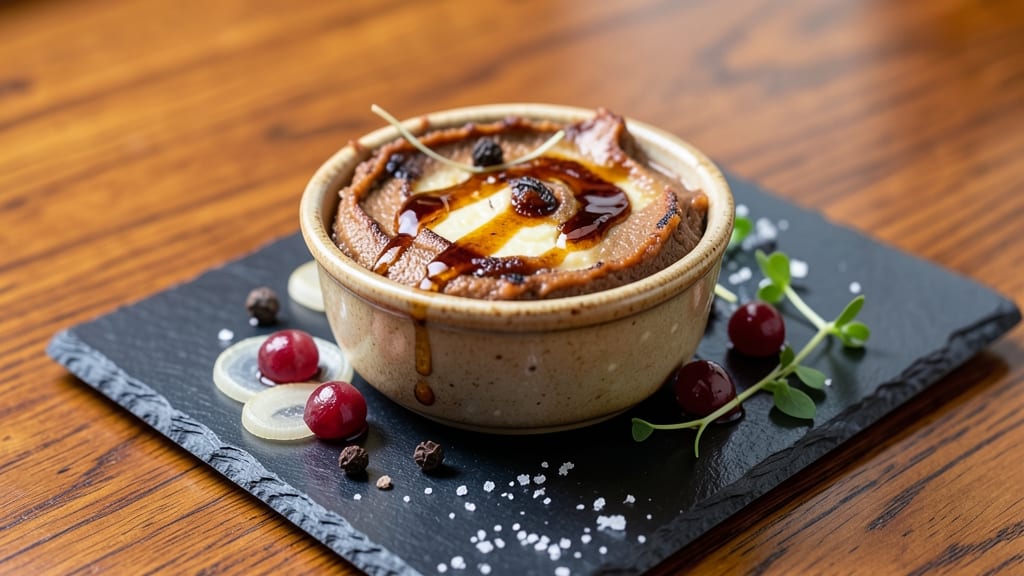
This chicken liver pâté recipe delivers the luxurious texture and bold flavors of classic French cuisine, perfect for elevating any gathering. The secret lies in carefully searing the livers to remove bitterness before blending them into a velvety emulsion with butter, cream, and aromatic herbs.
I've perfected this technique over years of testing, ensuring every bite offers that signature rich, silky mouthfeel with layers of brandied depth.
What sets this recipe apart is the balance of ingredients—shallots and garlic provide a subtle sweetness, while brandy and herbs like thyme and parsley add complexity. The emulsification process transforms raw liver into a spreadable masterpiece, though it does require patience and precise technique.
For those new to pâté, don't worry: the step-by-step instructions guide you through each phase, from searing to blending, ensuring professional results every time.
The finished pâté has a luxurious sheen and a texture that's both rich and silky, with flavors that develop even more depth after chilling. Serve it on toasted baguette slices, spread thickly on crackers, or use it as a sophisticated filling for sandwiches.
The brandy-infused richness makes it especially memorable for holiday gatherings or dinner parties where you want to impress.
While this recipe delivers restaurant-quality flavors, it's important to note that chicken liver pâté is high in cholesterol. For those monitoring dietary intake, consider serving smaller portions or pairing it with fresh vegetables to balance the meal.
The key is in the preparation—proper searing removes impurities, and the emulsification creates that signature velvety texture that makes this dish unforgettable.
Ingredients for chicken liver pate
Luxurious ingredients transform raw liver into velvety pâté with brandied depth and herbaceous finesse.
| Ingredient | Amount | Notes |
|---|---|---|
| Chicken Livers 🍗 | 1 ½ lb | Fresh, trimmed of connective tissue |
| Unsalted Butter 🧈 | 1 cup | Cold, cubed for searing |
| Heavy Whipping Cream 🥛 | 1 cup | Full-fat, chilled |
| Shallots 🧅 | 4 whole | Finely minced, about 0.25 cup |
| Garlic Cloves 🧄 | 4 cloves | Peeled, finely minced |
| Brandy 🍷 | ½ cup | High-quality, 80-proof minimum |
| Fresh Thyme Leaves 🌿 | 1 tbsp | Finely chopped, stems removed |
| Fresh Parsley Leaves 🌿 | ½ cup | Finely chopped, stems removed |
| Diamond Crystal Kosher Salt 🧂 | 1 tsp | For seasoning during searing |
| Ground Black Pepper 🌶️ | ½ tsp | Freshly ground, coarse |
| Baguette Slices 🍞 | 8 slices | For serving, lightly toasted |
| Lemon Juice 🍋 | 1 tbsp | Freshly squeezed, for brightness |
The chicken livers are the foundation—opt for the freshest possible from a trusted butcher or high-end grocery like Whole Foods. Look for vibrant red color and firm texture; avoid any with a metallic sheen or grayish edges. Trader Joe's often carries excellent quality at a reasonable price. Trim all connective tissue meticulously—this step removes bitterness and ensures a silky texture. If you're unsure about freshness, freeze the livers for 24 hours before use, which helps tenderize them further. The unsalted butter should be cold and cubed for proper searing—Plugrá or European-style work best for their high fat content.
No brandy? Cognac or Armagnac are superior substitutes, but apple brandy or even high-proof vodka will work in a pinch. Fresh herbs are non-negotiable here—dried thyme at one-third the amount lacks complexity, but it's better than skipping entirely. For the shallots, red shallots add subtle sweetness, while yellow varieties offer sharper acidity. The heavy whipping cream must be full-fat; reduced-fat versions won't emulsify properly. If you're concerned about cholesterol, consider using half-and-half instead, though the texture will be slightly less luxurious. The baguette should be crusty—French-style from a bakery is ideal, but any good-quality baguette works.
The pâté reaches peak flavor after 24 hours of chilling, so plan ahead. Store it in an airtight container with a thin layer of plastic wrap pressed directly on the surface to prevent a skin from forming. It keeps for 5 days in the refrigerator or 3 months in the freezer, though texture may degrade slightly after thawing. For serving, toast the baguette slices until golden and crisp—a blowtorch works beautifully for that restaurant-quality finish. The pâté can be reheated gently in a water bath, but it's best enjoyed at room temperature for optimal texture.
Why You'll Love This Recipe
- Foolproof First Timer: I swear by this recipe—no fancy techniques, just sear the livers in butter until they’re golden, then blend with cream and shallots until silky. The worst that happens is you burn the butter a little (we’ve all been there).
- Rich Without Effort: That first bite? Pure umami magic. The garlic and shallots caramelize in the butter, while the cream smooths it all out—like a hug in your mouth. Honestly, I make it just to eat it straight from the bowl.
- Party Crowd-Pleaser: Serve it on crackers for a holiday appetizer or slather it on toast with a sprinkle of flaky salt. My in-laws asked for the recipe last Christmas, and now it’s my go-to for any gathering where I want to look like I tried.
- Budget Luxury Leftovers: Chicken livers are cheap, but this tastes like a fancy bistro dish. Make a double batch—it keeps for days in the fridge, and I’ve even frozen it for months. (Yes, even on a Tuesday night.)
Step-by-step instructions for chicken liver pâté
Mastering this pâté requires precision in technique and ingredient handling—every step builds the velvety texture and deep flavor.
Prepare and Sear the Chicken Livers
Pat the 1.5 lb chicken livers thoroughly dry with paper towels, removing any connective tissue or membranes. This step is critical—moisture will prevent proper searing and create a watery pâté. Cut each liver into ¼-inch thick slices for even cooking.
Heat a large skillet over medium-high heat and add ½ cup of the cold, cubed unsalted butter. Once the butter foams and begins to melt, add the liver slices in a single layer. Cook undisturbed for 2-3 minutes per side until the edges turn deep golden brown and the centers reach 145°F on an instant-read thermometer. This high-heat sear develops the rich, caramelized flavor foundation.
Season immediately with 1 tsp diamond crystal kosher salt and ½ tsp ground black pepper while cooking. Transfer the seared livers to a plate and set aside. Reserve 2 tablespoons of the rendered butter from the pan—this golden liquid is packed with flavor and will be incorporated later.
Sauté Aromatics and Deglaze with Brandy
In the same skillet (no need to clean it—the browned bits are flavor), reduce heat to medium and add the remaining ½ cup unsalted butter. Once melted, add the 4 whole shallots and 4 cloves garlic cloves that have been finely minced. Cook for 4-5 minutes until the shallots soften and turn translucent, but don't let them brown.
Here's where the depth comes in: carefully pour in the ½ cup brandy and immediately tilt the pan to distribute it evenly. Ignite the brandy with a long match or lighter—this flambe should burn for 10-15 seconds before extinguishing naturally. If the flame doesn't catch, carefully stir and try again. The brandy should reduce by half, leaving behind a rich, caramelized sauce.
Remove the skillet from heat and stir in the 1 tbsp finely chopped fresh thyme leaves and ½ cup finely chopped fresh parsley leaves. Let the mixture steep for 2 minutes to infuse the herbs' aromatics. This step ensures the herbs contribute their bright, fresh notes without overpowering the liver's richness.
Blend and Emulsify the Pâté Base
Transfer the seared chicken livers to a food processor fitted with the metal blade. Add the shallot-garlic mixture (including any remaining butter and brandy reduction) to the processor. Pulse 3-4 times to create a coarse chop—you want some texture, not a completely smooth paste at this stage.
With the processor running, slowly drizzle in the 1 cup chilled heavy whipping cream through the feed tube. This gradual addition prevents the mixture from curdling and creates a silky emulsion. Process until the mixture is completely smooth, scraping down the sides as needed. The result should be a thick, velvety purée with a glossy sheen.
Taste and adjust seasoning—you may need an additional pinch of diamond crystal kosher salt or ground black pepper to balance the flavors. Here's the secret touch: stir in the 1 tbsp freshly squeezed lemon juice and the reserved 2 tablespoons rendered butter from the searing step. The acidity brightens the pâté, while the butter adds luxurious mouthfeel.
Finish and Serve with Crisp Baguette
Transfer the pâté to a heatproof serving bowl or ramekin. Place the bowl in a saucepan filled with 2 inches of simmering water (bain-marie) and heat gently for 8-10 minutes until warmed through. Stir occasionally to maintain even temperature—this gentle heating ensures the texture remains silky rather than breaking.
For serving, lightly toast the 8 slices baguette until golden and crisp. Spread each slice with 2 tablespoons of the warm pâté. The contrast between the rich, velvety liver mixture and the crisp baguette creates the perfect textural experience. Garnish with an additional sprinkle of fresh parsley leaves for color and freshness.
Serve immediately while warm. The pâté should be luxuriously smooth with a delicate balance of herbal brightness from the thyme and parsley, caramelized depth from the seared livers, and a subtle warmth from the brandy. Each bite should deliver that perfect harmony of textures and flavors that defines a classic pâté.
Pro Tips For Making Chicken Liver Pate
- Chill the Livers First: Skip the thawing step entirely—pop frozen livers straight into cold water for 10 minutes. This keeps them from bleeding into the pan and gives you cleaner, brighter color when you sear them. (Yes, even if you're impatient like me, this matters.)
- Sear in Batches: Crowd the pan, and you’ll steam instead of brown. Use a 12-inch skillet and cook livers in two batches over medium-high heat, 2-3 minutes per side, until deeply caramelized. That’s when the flavor actually develops—don’t rush it.
- Strain the Cream: Whisking in cold cream straight from the fridge? Strain it first through a fine-mesh sieve to remove any lingering dairy solids. Your pâte will be silky, not grainy—trust me, you’ll notice the difference.
- Salt the Butter: Unsalted butter is your friend, but don’t forget to season it. Add a pinch of salt (about ¼ tsp per 2 tbsp) while melting it with the shallots and garlic. This carries flavor through the whole dish—no afterthought seasoning here.
Common mistakes when making great chicken liver pate
Skipping the Searing Step
One of the biggest mistakes I see is skipping the searing step entirely. Raw chicken livers contain impurities and bitterness that must be removed through high-heat cooking. Without searing, your pâté will taste muddy and unappetizing.
Always sear the livers in cold, cubed butter over medium-high heat until deeply golden—this creates the rich foundation for your dish. 🔥
Overblending the Mixture
Another common error is overblending the pâté until it becomes completely smooth. While you want a velvety texture, a little texture remains essential for mouthfeel. Pulse the food processor only 3-4 times after adding the livers, then gradually add cream while blending.
Overblending can break down the liver proteins and result in a gluey, unappetizing consistency.
Using Dried Herbs
Dried herbs simply can't replicate the fresh, vibrant flavor of fresh thyme and parsley. Fresh herbs add brightness and complexity that dried alternatives lack. Always use fresh thyme leaves and fresh parsley—finely chopped and added just before removing the skillet from heat. The difference is immediate and transformative. 🌿
Ignoring the Brandy Flambe
Skipping the flambe step with brandy is a missed opportunity for depth. The reduction from the flambe adds a caramelized richness that's impossible to replicate otherwise.
Carefully ignite the ½ cup brandy in the skillet and let it reduce by half—this step is what gives the pâté its signature brandied depth. If the flame doesn't catch, stir and try again.
Poor Emulsification
Emulsification is the soul of a good pâté, yet many cooks rush this step. Add the 1 cup chilled heavy whipping cream gradually while the processor is running to create a smooth, glossy emulsion.
If the mixture separates or curdles, you've added the cream too quickly. Patience here ensures that velvety texture you're aiming for. 💫
Underseasoning or Overseasoning
Seasoning is a balancing act that many get wrong. While the livers absorb some salt during searing, you'll still need to adjust seasoning after blending. Taste and add diamond crystal kosher salt and ground black pepper in small increments.
Overseasoning can make the pâté taste flat, while underseasoning leaves it bland—both ruin the dish's potential.
Nutrition facts
Frequently asked questions
Can I substitute brandy with another alcohol?
Yes, but quality matters! Use Cognac or Armagnac for the best depth, or apple brandy/vodka in a pinch. Avoid cheap liquor—it lacks the caramelized richness from reduction. For a non-alcoholic version, replace with apple juice reduced by half. The flambe step still works, though the flavor profile will differ.
How do I fix a pâté that's too thick or too thin?
For a thick pâté, stir in 1-2 tablespoons warm heavy cream while blending. For a thin pâté, chill it for 1 hour to firm up, then blend again briefly. If it's still runny, strain through a fine-mesh sieve to remove excess liquid. The texture should be spreadable but hold its shape slightly when chilled.
Can I make this pâté ahead of time?
This pâté tastes even better after 24 hours of chilling. Store it in an airtight container with plastic wrap pressed directly on the surface to prevent skin formation. It keeps for 5 days in the fridge or 3 months in the freezer. Reheat gently in a bain-marie to preserve its silky texture.
What's the best way to serve this pâté?
Toasted baguette slices are classic, but you can also serve it on water crackers, endive leaves, or even as a filling for mini quiches. For a modern twist, spread it on sourdough toast with a drizzle of honey. The pâté also pairs beautifully with pickled vegetables or mixed greens to balance its richness.
Is chicken liver pâté safe to eat raw?
Never serve raw liver pâté—always cook the livers to 145°F first to eliminate bacteria. The blending process doesn't cook the mixture further, so proper searing is critical. If you're concerned about undercooked livers, use a meat thermometer to verify doneness before blending.