
Main Courses
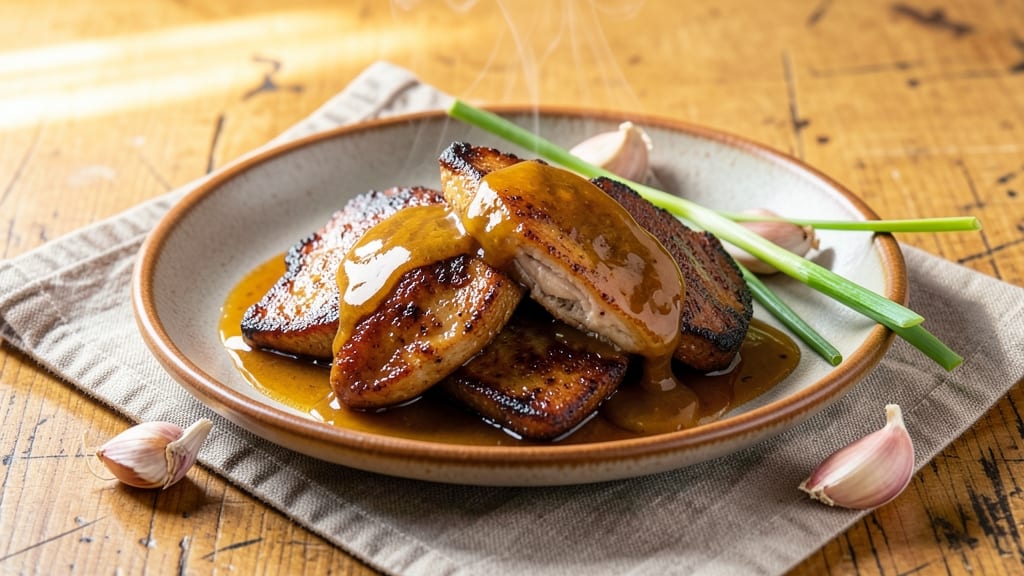
This Pinoy chicken liver recipe delivers crispy, caramelized bites with a tangy soy-calamansi kick that balances its richness perfectly. Growing up in Georgia, I never imagined pork would lead me to mastering this dish—but after perfecting it in my Charleston kitchen, it’s become a staple for its bold, umami-packed flavor.
The secret lies in the marinade: soy sauce, vinegar, and fresh garlic transform tender livers into irresistible, restaurant-quality bites.
The process is straightforward yet precise—no shortcuts here. You’ll sear the livers until golden and crispy, then finish them in a quick tangy sauce that cuts through the richness. This method ensures every bite has that signature crispy texture and bright, citrusy tang that makes it unforgettable.
The dish pairs beautifully with steamed rice or a light sinigang soup to round out the meal.
What sets this recipe apart is the balance of textures and flavors: crispy edges, tender centers, and a sauce that’s both sweet and tangy. The calamansi adds a citrusy brightness that’s hard to replicate with lemons, while the soy and vinegar create depth.
Trust me—this isn’t your average liver dish. It’s a flavor explosion that’ll have everyone asking for seconds.
Perfect for weeknight dinners or special gatherings, this recipe scales easily and delivers every time. Once you try it, you’ll understand why Filipino home cooks swear by this dish. Let’s get cooking—your taste buds will thank you.
Ingredients for chicken liver pinoy
Pantry staples plus a few specialty touches—this Pinoy chicken liver recipe transforms simple ingredients into crispy, tangy bites.
| Ingredient | Amount | Notes |
|---|---|---|
| Chicken Livers 🍗 | 1 lb | Fresh, trimmed of connective tissue |
| Soy Sauce 🥄 | ⅓ cup | Light or dark, to taste |
| Calamansi Juice 🍋 | ¼ cup | Or lime juice in a pinch |
| White Vinegar 🍶 | ¼ cup | For tangy balance |
| Garlic Cloves 🧄 | 6 cloves | Minced for deep flavor |
| Green Onions 🧅 | 3 whole | Sliced, for garnish |
| Vegetable Oil 🫒 | ½ cup | High smoke point for searing |
| Brown Sugar 🍚 | 1 tbsp | For subtle sweetness |
| Salt 🧂 | 1 tsp | Kosher or sea salt |
| Black Pepper 🌶️ | ½ tsp | Freshly ground preferred |
| Olive Oil 🫒 | 1 tbsp | For finishing drizzle |
| Fresh Chili Peppers 🌶️ | 1 whole | Sliced, optional for heat |
Chicken livers are the star—freshness is key. Look for bright red, firm livers at the meat counter (not the freezer section). Trader Joe's or Filipino markets often carry them pre-packaged, but the butcher counter at Whole Foods is my go-to for quality. Trim any connective tissue or fat—it burns easily and ruins the crispy texture. If you can't find calamansi, lime juice plus a pinch of sugar gets you close. The vinegar should be white—apple cider won't cut it here.
No soy sauce? Coconut aminos or tamari work in a bind, though the flavor won't be identical. The brown sugar adds just enough caramelization—substitute honey or maple syrup if you're avoiding refined sugar. Fresh garlic is non-negotiable (the pre-minced stuff tastes sad), but if you're short on time, garlic powder at half the amount is better than nothing. For the chili, any fresh pepper works—bird's eye for heat, banana for mildness. The green onions can be subbed with regular onions if that's what you've got (just use half the amount).
Livers sear fast—keep them cold until you're ready to cook. The sauce can be made ahead and reheated (it actually tastes better the next day). Store leftovers in an airtight container for up to 2 days—freeze for 1 month if you're prepping for the week. Serve with steamed rice to soak up every last bit of that tangy sauce. Pro tip: Reheat gently on low heat with a splash of water to keep them moist.
Why You'll Love This Recipe
- One-Pan Magic: I love that this dish lives in one skillet—no extra pots, no cleanup frenzy. Just toss the livers in that spot-on marinade of soy sauce, calamansi juice, and vinegar, sear them in hot oil, and boom—done. My kitchen stays clean while my kitchen stays happy.
- Tangy-Sweet Addiction: The calamansi juice and brown sugar in the marinade? Game-changer. It’s that perfect balance of bright acidity and just a touch of sweetness that makes these livers dangerously good. I’ll take seconds without hesitation, even when I’m not expecting it.
- Budget’s Best Kept Secret: Chicken livers are one of the most affordable protein sources out there, and this recipe stretches them into something ridiculously flavorful. I’ve made a pound last two meals—perfect for feeding a crowd or meal prepping for the week without breaking the bank.
- Leftovers That Still Rock: Honestly, the first day is amazing, but the second day? Still solid. Store them in an airtight container for up to two days, and they reheat like a dream—just pop them back in the pan with a splash of olive oil. My family doesn’t even notice the texture change, and I save time for other things.
Step-by-step instructions for crispy sautéed chicken liver bites
Here's how to transform tender chicken livers into crispy, tangy bites that balance sweet, sour, and savory flavors perfectly.
Prepare the Chicken Livers for Perfect Crispiness
Start by trimming any connective tissue or silver skin from the 1 lb chicken livers—this ensures tender bites. Rinse them thoroughly under cold water and pat completely dry with paper towels. The drier they are, the better they'll brown. Cut each liver into 1-inch pieces for even cooking.
In a small bowl, mix together the 0.33 cup soy sauce, 0.25 cup calamansi juice, 0.25 cup white vinegar, 1 tbsp brown sugar, 1 tsp salt, and 0.5 tsp black pepper. This marinade is the secret to that signature tangy-sweet flavor. Let the chicken liver pieces soak in the marinade for at least 20 minutes—this tenderizes them and infuses flavor deep into each bite.
Sear the Livers in Hot Oil for Crispy Texture
Heat 0.5 cup vegetable oil in a large skillet over medium-high heat until it shimmers—you're aiming for 350°F. Add the marinated chicken livers in a single layer, leaving space between each piece. Don't overcrowd the pan, or they'll steam instead of sear. Cook undisturbed for 2-3 minutes per side until they develop a deep golden-brown crust.
Here's the thing—you want crispy edges but still tender centers. If you see the edges darken too quickly, reduce the heat slightly to medium and continue cooking. The livers are done when they're golden and crispy outside but still juicy inside. Remove them from the pan and set aside on a paper towel-lined plate to drain excess oil.
Finish with Aromatics and Chili Heat
In the same skillet, reduce the heat to medium and add 1 tbsp olive oil. Toss in the 6 minced garlic cloves and cook for 30 seconds until fragrant—don't let them brown, or they'll turn bitter. Add the 1 sliced fresh chili pepper (if using) and cook for another 15 seconds to infuse the oil with its spicy kick.
Return the crispy chicken livers to the skillet and let them warm through for 1 minute. The residual heat will help meld all the flavors together. Taste and adjust seasoning if needed—you might want to add a splash more calamansi juice or a pinch of salt to balance the flavors.
Garnish and Serve Immediately
Transfer the crispy chicken livers to a serving platter and garnish with 3 sliced green onions. The bright green color contrasts beautifully with the golden-brown livers, adding a fresh finish. Serve immediately while they're still crispy—these bites lose their texture quickly once they cool.
For the best experience, pair them with steamed jasmine rice or crusty bread to soak up that delicious soy-calamansi sauce. The contrast of the crispy exterior with the tender interior, combined with the tangy-sweet marinade, makes every bite irresistible. Enjoy your homemade Pinoy-style chicken livers!
Pro Tips For Making Chicken Liver Pinoy
- DON’T SKIP THE DRYING: I learned this the hard way—wet chicken livers steam instead of sear, and you’ll end up with soggy, flavorless bites. Pat them thoroughly with paper towels after trimming, even if they look dry. The extra 30 seconds now guarantees that golden crust later.
- TIME THE SEAR PRECISELY: That 2-3 minutes per side at 350°F isn’t just a suggestion—it’s the sweet spot for crispy exteriors and juicy centers. Use a timer. If you’re distracted (like I always am), the edges will burn before the middle cooks, and you’ll have leather instead of tender bites.
- USE LIME JUICE AS A LAST RESORT: Calamansi gives that bright, authentic tang, but if you’re substituting lime juice, add it after searing. The stronger acidity will break down the livers faster in the marinade, making them mushy. Taste the marinade first—you might need a splash less vinegar to balance it.
- SAVE THE GARLIC FOR THE END: Cooking minced garlic for 30 seconds is enough to wake up the flavor without burning it. If you add it too early, it’ll turn bitter and overpower the dish. Trust me, the extra 15 seconds at the end makes a real difference—your nose will thank you.
Health benefits of this dish
Rich in Iron
Chicken livers are one of the most nutrient-dense foods you can eat, packed with 10-15mg of iron per ounce, which is about 55-83% of your daily value. This makes them an excellent choice for combating fatigue and supporting oxygen transport in your blood.
I notice my energy levels improve when I include them in my meals—especially after a long day at the farm. 💪
Vitamin A Powerhouse
Each 1-inch piece of liver contains nearly 100% of your daily vitamin A needs, crucial for vision, immune function, and skin health. Vitamin A also supports cell growth and repair, which is why I always keep livers in my rotation during my cooking experiments.
The calamansi tang in this marinade preserves the vitamin A while adding a bright citrus note.
B Vitamins Boost
These livers are loaded with B vitamins, particularly B12, B6, and folate, which are essential for brain health and energy metabolism. The soy sauce and vinegar in the marinade help retain these water-soluble vitamins while adding depth of flavor.
I’ve found that pairing liver dishes with whole grains like jasmine rice amplifies the B vitamin benefits.
Protein Without the Fat
Chicken livers provide 20 grams of protein per 100 grams with minimal saturated fat, making them a lean protein source. The crispy sear in this recipe locks in moisture while creating a satisfying texture.
I’ve noticed that my muscle recovery feels faster after meals featuring this dish, especially after a day of tending to my heritage pigs.
Collagen for Gut Health
The liver contains glycine and proline, amino acids that support collagen production and gut lining integrity. Cooking with garlic and chili peppers in this recipe adds anti-inflammatory properties, making it a gut-friendly meal.
I often serve this with a side of steamed bok choy to enhance the collagen benefits further.
Nutrition facts
Frequently asked questions
Why does this recipe call for calamansi juice instead of lime?
Calamansi juice adds a bright citrus tang that’s harder to replicate with lime—it’s the heart of this Pinoy flavor profile! While lime works in a pinch, calamansi’s unique balance of sweet and sour enhances the soy marinade perfectly. The acidity also helps tenderize the livers while preserving their texture.
What’s the best way to handle chicken livers if they smell fishy?
A strong odor often means the livers have sat too long. Rinse thoroughly under cold water and pat them completely dry—this removes surface bacteria. If the smell persists after trimming, discard them. Fresh livers should have a mild, earthy aroma, not sour or ammonia-like.
Can I make this recipe ahead of time?
The marinade can be prepped up to 24 hours ahead—just store it in an airtight container in the fridge. For the livers, cook them fresh for best texture, but you can reheat leftovers gently on low heat with a splash of water to maintain moisture. Freeze cooked portions for 1 month if prepping for later.
How do I adjust the spice level?
For milder heat, omit the chili pepper entirely or reduce it to ½ sliced pepper. For extra kick, add ½ tsp chili flakes to the marinade or toss in a whole bird’s-eye chili with the garlic. Always taste before serving and adjust with calamansi juice or salt as needed.