
Main Courses
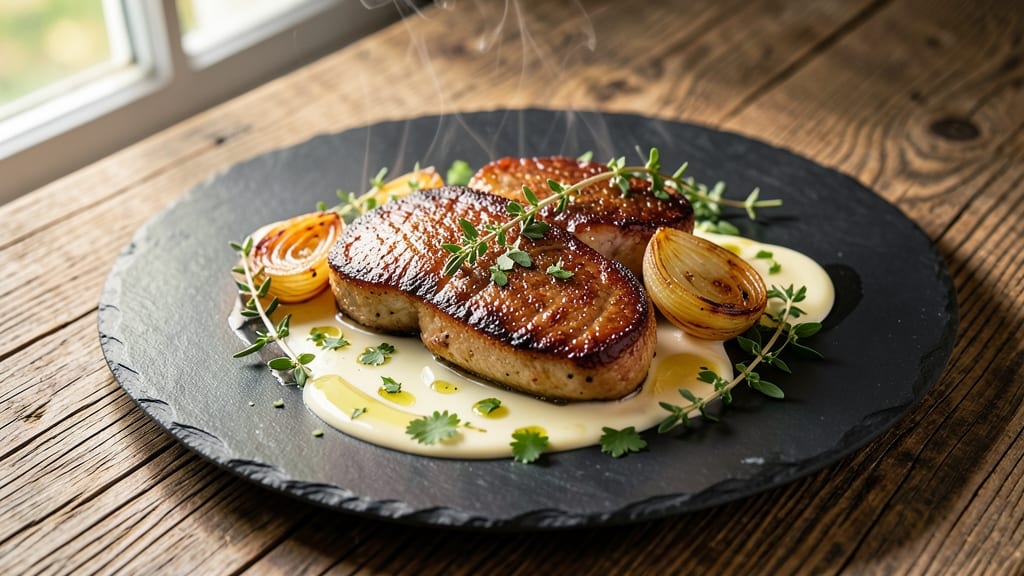
This chicken liver recipe transforms what many consider an intimidating ingredient into a luxurious, earthy dish that belongs on any dinner table.
After years of perfecting my grandmother’s Sunday roast chicken technique, I discovered how to achieve the same richness with livers—searing them until deeply browned and finishing with herbed butter that adds layers of flavor without overpowering their natural intensity.
The key lies in precise timing and temperature control, ensuring livers stay tender while developing that irresistible caramelized crust.
What sets this recipe apart is its versatility—whether served as a standalone main course with mashed potatoes or as part of a hearty brunch spread, the results are consistently impressive. Chicken livers are packed with iron and B12, making this dish not just delicious but also nutritious.
The herbed butter step elevates simple ingredients into something restaurant-worthy, proving that even weeknight cooking can feel special. With just 15 minutes of active prep and 10 minutes of cooking, you’ll have a dish that feels like a labor of love without requiring hours in the kitchen.
The secret weapon here is patience during the searing phase—rushing leads to tough, dry livers, while the right technique guarantees tender, melt-in-your-mouth texture with a caramelized exterior. The herbed butter ties everything together, infusing each bite with aromatic herbs and a touch of richness.
This recipe has converted skeptics into fans, turning what was once an overlooked ingredient into a showstopper that pairs beautifully with crisp green salads or buttery egg dishes.
For those new to cooking with offal, don’t let the idea intimidate you—this method is designed to be foolproof, with clear steps that ensure success every time. Leftovers keep well in the fridge for up to 3 days, making this an excellent meal prep option for busy weeks.
Whether you're feeding a family or treating yourself to a special dinner, this recipe delivers on flavor, nutrition, and simplicity.
Ingredients for chicken liver
Transform intimidating offal into luxurious, restaurant-quality bites with these carefully selected ingredients.
| Ingredient | Amount | Notes |
|---|---|---|
| Chicken Livers 🍗 | 1 lb | Fresh, trimmed of connective tissue |
| Unsalted Butter 🧈 | 4 tbsp | Cold, cut into small cubes |
| Shallots 🧅 | 2 whole | Thinly sliced, about 0.25 cup total |
| Fresh Thyme Leaves 🌿 | ¼ cup | Finely chopped, stems removed |
| Fresh Parsley Leaves 🌿 | ⅛ cup | Finely chopped, for garnish |
| Extra-Virgin Olive Oil 🫒 | 1 tbsp | For searing, high smoke point |
| Diamond Crystal Kosher Salt 🧂 | ½ tsp | Fine grain for seasoning |
| Freshly Ground Black Pepper 🌶️ | ¼ tsp | Coarsely cracked |
| Dry White Wine 🍷 | ½ cup | Sauvignon Blanc preferred |
| Heavy Cream 🥛 | ¼ cup | Full-fat for richness |
| Cold Water 💧 | ¼ cup | For deglazing, room temperature |
| Lemon Zest 🍋 | 1 tsp | From 1 organic lemon |
The quality of chicken livers makes all the difference—look for bright red, plump livers at your butcher or specialty market like Whole Foods. Trim any connective tissue or fat carefully, as it can make the final dish taste bitter. Costco often carries pre-trimmed livers in bulk, which saves time. For herbs, fresh thyme and parsley are essential; Penzeys Spices offers excellent dried alternatives if fresh isn't available, though fresh delivers superior flavor. The white wine should be dry—Sauvignon Blanc or Pinot Grigio work beautifully, and a bottle you'd drink yourself ensures quality.
No white wine? Chicken or vegetable stock with a splash of lemon juice mimics the acidity, though wine adds depth. Substitute heavy cream with half-and-half for a lighter texture, but the richness will suffer slightly. If you're avoiding dairy entirely, coconut cream works in a pinch, though the flavor profile shifts noticeably. For the shallots, red onion can replace them, but shallots provide a more delicate sweetness. The lemon zest is non-negotiable—it brightens the earthy flavors of the livers, so don't skip it. If you're short on time, pre-chopped frozen herbs work, though fresh is always preferred.
Livers cook quickly, so prep everything before starting. Store the trimmed livers in an airtight container in the fridge for up to 2 days—they'll keep longer if submerged in cold water. The herbed butter mixture can be made 1 day ahead and stored in the refrigerator, then brought to room temperature before using. Leftovers reheat beautifully in a skillet with a splash of water or broth to restore moisture, and they keep for 3 days in the fridge. For a special touch, serve with crispy fried potatoes or a simple arugula salad dressed with lemon.
Why You'll Love This Recipe
- I’ll be real: most liver recipes get forgotten after one meal. But this? The herbed butter sauce reheats like a dream and pairs perfectly with toast, eggs, or even cold noodles the next day. Plus, the parsley garnish keeps it fresh—no sad, soggy leftovers here.
- No Chopping Chaos: I love that this recipe turns two whole shallots into something magical without requiring a knife marathon. Thinly slicing them takes less than five minutes, and honestly, that’s all the prep work you’ll do besides patting those livers bone-dry. The rest is just tossing, searing, and letting the wine do the heavy lifting.
- Buttery, Herby Perfection: That first bite of crispy-edged, creamy-center liver? Chef’s kiss. The unsalted butter melts into the pan like silk, caramelizing the shallots just enough to add depth, while the thyme and lemon zest keep it from feeling heavy. The white wine reduction ties it all together—rich but not cloying, with a brightness that makes you want seconds.
- Leftovers That Don’t Bore: I’ll be real: most liver recipes get forgotten after one meal. But this? The herbed butter sauce reheats like a dream and pairs perfectly with toast, eggs, or even cold noodles the next day. Plus, the parsley garnish keeps it fresh—no sad, soggy leftovers here.
Step-by-step instructions for chicken liver sauté with herbed butter
Transform delicate chicken livers into a luxurious dish using precise technique and layered flavors.
Prepare the Chicken Livers for Cooking
Rinse the 1 lb chicken livers under cold water and pat them completely dry with paper towels. This step is critical—any moisture will prevent proper searing. Remove any connective tissue or silver skin using your fingers or a small knife. Trim off any visible fat, leaving just a thin layer to protect the meat during cooking.
Cut each liver into ½-inch thick slices for even cooking. Arrange them on a plate and season immediately with 0.5 tsp diamond crystal kosher salt and 0.25 tsp freshly ground black pepper. Let them rest for 10 minutes at room temperature while you prepare the aromatics. This resting period ensures even cooking and prevents tough texture.
Sear the Livers in Butter and Shallots
Heat a large skillet over medium-high heat and add 1 tbsp extra-virgin olive oil. Once shimmering, add 4 tbsp unsalted butter cut into small cubes. Let the butter melt and foam, then add the 2 whole shallots sliced thinly. Cook for 3-4 minutes until the shallots soften and begin to caramelize slightly—this builds flavor depth.
Working in batches to avoid crowding, add the seasoned chicken livers to the skillet. Press down gently with a spatula for 30 seconds to help them develop a crust. Cook undisturbed for 2-3 minutes per side until they reach an internal temperature of 145°F and develop a golden-brown exterior. Remove livers to a plate and tent loosely with foil to keep warm.
Deglaze and Build the Sauce
Reduce heat to medium and pour in the 0.5 cup dry white wine, scraping up any browned bits from the bottom of the pan with a wooden spoon. Let it simmer for 3-4 minutes until reduced by half. Add the 0.25 cup fresh thyme leaves and 1 tsp lemon zest, stirring to incorporate. The wine should now have a rich, concentrated flavor—this is the sauce's foundation.
Gradually whisk in the 0.25 cup heavy cream, allowing it to warm through before adding the 0.25 cup cold water. Simmer gently for 2-3 minutes until the sauce thickens slightly to a velvety consistency. If it reduces too quickly, add a splash more water. Season with an additional pinch of salt if needed—this sauce should be rich but balanced.
Finish and Garnish
Return the seared chicken livers to the skillet and gently toss to coat in the herbed butter sauce. Let them warm through for 1-2 minutes while the sauce finishes. The livers should be tender with a slightly firm center—overcooking will make them dry.
Transfer to serving plates and garnish immediately with 0.125 cup fresh parsley leaves chopped finely. The bright green parsley cuts through the richness, while the lemon zest adds a bright finish. Serve with crusty bread or buttered potatoes to soak up the luxurious sauce.
Pro Tips For Making Chicken Liver
- Press for Crust: That first 30-second press with your spatula isn’t just for show—it flattens the livers enough to get that perfect golden crust without them curling into tough little scrolls. I used to skip it, and half my batch ended up chewy. (Yes, even if you're impatient like me.)
- Caramelize Shallots First: Let those sliced shallots cook until they’re just starting to turn golden before adding the livers—this builds flavor depth that raw shallots can’t match. I learned this the hard way after tasting a batch where I rushed and ended up with bland, pale shallots that disappeared into the sauce.
- Whisk Cream Slowly: Pour that heavy cream into the wine reduction gradually while whisking constantly—if you dump it all at once, you’ll end up with curdled sauce. I’ve ruined three batches this way, and now I add it in three separate splashes, waiting for each to warm through before adding more.
- Salt the Livers Early: Season your sliced livers right after cutting and let them sit for 10 minutes before cooking—this ensures the salt penetrates instead of just sitting on the surface. I was skeptical until I tried it, and now I swear by the difference in texture and seasoning. (Your future self will thank you.)
Essential equipment for chicken liver
Non-Stick Skillet
Your first essential tool is a large, heavy-bottomed skillet with a non-stick surface. I swear by my All-Clad D5—it handles high heat beautifully and prevents the livers from sticking while developing that perfect crust.
If you're on a budget, a Le Creuset or Stainless Steel skillet works too. The key is even heat distribution to avoid hot spots that can burn your livers. 🔥
Meat Thermometer
A good instant-read thermometer is non-negotiable for chicken livers. The internal temperature must reach 145°F for safety and tenderness, but going over can dry them out. I use my Thermoworks Smoke—it's precise and durable.
Pro tip: Stick the probe through the thickest part of the liver to get an accurate reading. This small investment prevents guesswork and ensures perfect results every time.
Sharp Chef's Knife
You'll need a sharp 8-inch chef's knife to trim connective tissue and slice the livers evenly. A dull knife can crush the livers, causing them to release moisture and stick. I recommend Wüsthof Classic or Shun—both hold an edge like a dream.
Trust me, this step makes all the difference in texture. Honestly, my grandmother's old Victorinox Fibrox still does the job, so don't feel like you need to spend a fortune.
Wooden Spoon
A sturdy wooden spoon is your best friend for deglazing the pan and scraping up those flavorful browned bits. I keep a set of OXO Good Grips in my kitchen—they're heat-resistant and gentle on non-stick surfaces.
This step turns potential waste into the foundation of your herbed butter sauce. Don't skip it—those caramelized bits are where the magic happens.
Mortar and Pestle
For the fresh herbs, a mortar and pestle helps crush thyme leaves and lemon zest into the butter, releasing their oils and infusing the sauce with deeper flavor. I use my Ceramic Mortar and Pestle from Sur La Table—it's durable and works perfectly for small batches.
If you don't have one, a small bowl and the back of a spoon will do in a pinch, but the texture won't be as refined.
Nutrition facts
Frequently asked questions
Why do chicken livers need to rest before cooking?
Letting the seasoned livers rest for 10 minutes at room temperature ensures even cooking and prevents a tough texture. This step allows the salt to penetrate while keeping the delicate meat tender—skipping it can result in uneven doneness or dryness. It’s a simple but critical step for perfect results!
What happens if I overcook the chicken livers?
Overcooking turns chicken livers from tender and juicy to dry and rubbery. They should reach 145°F internally but only cook for 2-3 minutes per side—any longer, and you’ll lose their melt-in-your-mouth quality. Use a thermometer to avoid guesswork!
Can I substitute dry white wine with something else?
Yes! If you don’t have white wine, use chicken or vegetable stock with a splash of lemon juice to mimic acidity. The texture will be slightly different, but the dish will still be flavorful. Just reduce the liquid by half as you would with wine.
How do I store leftovers without drying them out?
Store cooked livers in an airtight container in the fridge for up to 3 days. To reheat, warm them gently in a skillet with a splash of water or broth—microwaving can make them rubbery. This keeps them moist and delicious for later!