
Sauces & Condiments
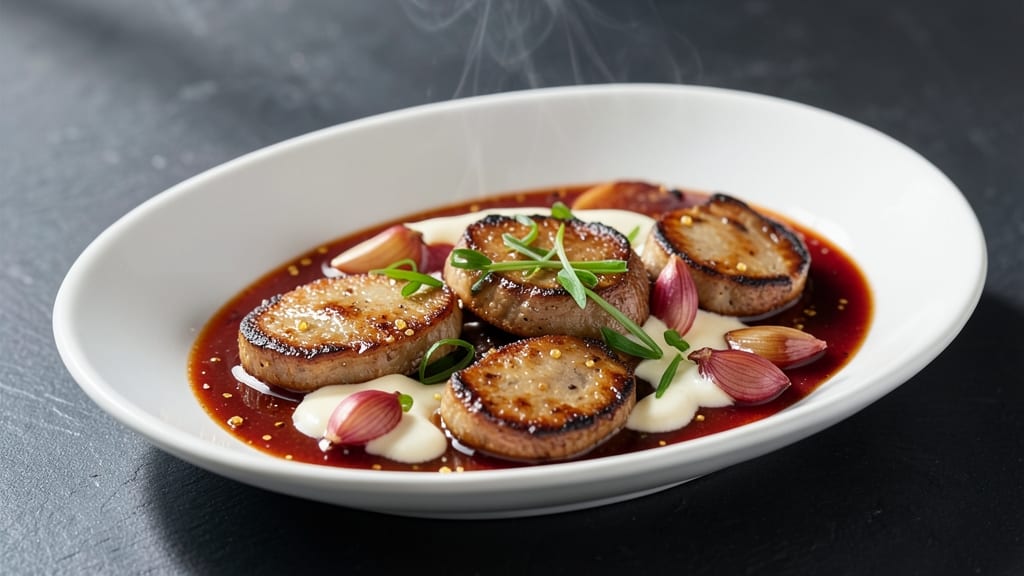
This chicken liver sauce recipe transforms humble offal into a velvety, umami-rich condiment that elevates any dish. The secret lies in slow simmering chicken livers with aromatic shallots, butter, and rich stock until the sauce emulsifies into a luxurious consistency.
I developed this recipe after discovering how a single spoonful could transform simple pasta into a restaurant-worthy meal—it’s that powerful.
The process is straightforward but requires patience: livers are sautéed until golden, then deglazed with wine before reducing with stock and herbs.
This method ensures deep flavor without bitterness, creating a sauce that’s equally at home drizzled over steak, stirred into risotto, or even added to cocktails for a savory twist. The result is a sauce that’s rich, complex, and impossibly versatile.
What makes this sauce special is its ability to turn ordinary meals into extraordinary ones. The umami depth comes from the livers themselves, while butter and shallots add layers of sweetness and aroma.
Store it in the refrigerator for up to a week, or freeze for longer shelf life—its flavor only intensifies with time.
For those new to cooking with organ meats, this recipe is a game-changer. The technique is foolproof, and the results are undeniably professional. Whether you're a home cook looking to impress or a seasoned chef refining your skills, this sauce will become a staple in your kitchen. Let’s get started!
Ingredients for chicken liver sauce
Rich umami begins here: offal meets aromatic butter and wine for a sauce that transforms ordinary dishes into extraordinary ones.
| Ingredient | Amount | Notes |
|---|---|---|
| Chicken Livers 🍗 | 1 lb | Fresh, trimmed of connective tissue |
| Unsalted Butter 🧈 | ½ cup | European-style preferred for flavor |
| Shallots 🧅 | ½ cup | Finely minced, about 6 medium |
| Dry White Wine 🍷 | ½ cup | Sauvignon Blanc or Pinot Grigio |
| Chicken Stock 💧 | 1 ½ cups | Homemade or high-quality store-bought |
| Heavy Cream 🥛 | ¼ cup | Full-fat for optimal texture |
| Fresh Thyme Leaves 🌿 | ¼ cup | Stems removed, finely chopped |
| Fresh Parsley 🌿 | ⅛ cup | Chopped, for finishing |
| Diamond Crystal Kosher Salt 🧂 | ½ tsp | For seasoning, adjust to taste |
| Freshly Ground Black Pepper 🌶️ | ¼ tsp | Cracked peppercorns preferred |
The quality of chicken livers is non-negotiable for this sauce. Fresh, bright-red livers from a trusted butcher or high-end grocery store like Whole Foods or Eataly yield the best results—avoid pre-packaged livers that often sit too long. Trim any connective tissue meticulously, as it can impart bitterness. For the butter, European-style unsalted (like Plugrá or President) contains more milkfat, creating a silkier emulsion. Shallots should be minced finely—a microplane works wonders for even texture without overpowering the sauce. If you can't find fresh thyme, dried thyme at one-third the amount suffices, though fresh is ideal for aromatic depth.
No dry white wine? Substitute with an equal amount of dry vermouth or even chicken stock reduced by half, though the flavor will differ slightly. Heavy cream can be swapped for half-and-half if unavailable, though the sauce will be less velvety. For those avoiding dairy, coconut cream works surprisingly well—just reduce the amount by 20% to account for its higher fat content. The parsley is purely decorative but adds a fresh contrast; cilantro can replace it if preferred, though its flavor profile differs. Always taste as you go—this sauce is about balance, and the umami from the livers needs to shine without bitterness creeping in. If the sauce separates, a quick whisk with a splash of cold water or an extra pat of butter will re-emulsify it instantly.
This sauce is best made fresh but will keep in the refrigerator for up to 5 days, with flavors deepening over time. For longer storage, freeze in ice cube trays—thawed portions are perfect for quick drizzling. Reheat gently over low heat, stirring frequently to prevent curdling. The sauce thickens as it cools, so a splash of warm water or stock can restore its silky consistency. Portion into small containers for easy use—a single tablespoon elevates pasta, while two tablespoons can transform a simple steak into a restaurant-worthy dish. The versatility is its greatest strength: drizzle over eggs, fold into risotto, or even use as a cocktail sauce for a savory twist.
Why You'll Love This Recipe
- One-Pan Magic: I swear by this—just sear the livers in butter, toss in shallots and wine, then simmer. No extra pots, no fuss. The stock ties it all together while you’re still washing the one pan you used.
- Rich Without Effort: That first sip of wine deglazing the pan? Pure flavor alchemy. The butter caramelizes the livers into something so tender it melts, and the shallots add a sweetness that balances everything. Honestly, it’s the kind of sauce that makes you want to eat it straight from the spoon.
- Weeknight to Dinner Party: Make a double batch on Sunday—it reheats beautifully for quick lunches or drizzled over crusty bread with a glass of wine. (Yes, even on a Tuesday night.) But also? This sauce elevates anything—pasta, mashed potatoes, or seared scallops. It’s my secret weapon for looking impressive with zero stress.
- Budget Luxury: Chicken livers are cheap, but this sauce tastes like you spent hours. A pound feeds four, and leftovers keep for days in the fridge—perfect for stretching a meal without sacrificing flavor. Between us, this is how I trick people into thinking I’m a fancy chef.
Step-by-step instructions for chicken liver sauce
This method transforms humble chicken livers into a velvety, umami-rich sauce perfect for elevating pasta or steak.
Sear and Deglaze the Chicken Livers
Pat the 1 lb chicken livers completely dry with paper towels—this ensures a proper sear. Heat 0.5 cup unsalted butter in a heavy-bottomed skillet over medium-high heat until foaming. Working in batches if needed, add the livers in a single layer and sear for 2-3 minutes per side until they develop a deep golden-brown crust and reach an internal temperature of 145°F. Remove them and set aside.
Immediately reduce heat to medium and add the 0.5 cup finely minced shallots, cooking for 1 minute until softened. Pour in the 0.5 cup dry white wine, scraping up all the browned bits from the bottom of the pan—a technique called deglazing. Let the wine simmer for 3-4 minutes until reduced by half. This step builds the sauce's foundational flavor through the Maillard reaction and wine reduction.
Develop the Sauce Base with Stock and Aromatics
Add the 1.5 cups chicken stock and bring to a gentle simmer. Stir in the 0.25 cup fresh thyme leaves and 0.5 tsp diamond crystal kosher salt, then simmer uncovered for 10 minutes until the liquid reduces by about one-third. The sauce should thicken slightly and develop a rich, caramelized aroma. Here's where the umami deepens—don't rush this reduction.
After 10 minutes, taste the sauce and adjust seasoning with 0.25 tsp freshly ground black pepper and a pinch more salt if needed. The sauce should be balanced but still bright with acidity from the wine. If it's too thin at this stage, simmer an additional 2-3 minutes to concentrate the flavors further. This step ensures the sauce has the proper body to coat proteins without being cloying.
Finish with Cream and Herbs
Reduce heat to low and stir in the 0.25 cup heavy cream, allowing it to warm through without boiling. Simmer gently for 2-3 minutes until the sauce reaches a luxurious, velvety consistency. The cream should blend seamlessly without curdling—if it begins to separate, whisk vigorously or remove from heat briefly to temper.
Return the seared chicken livers to the skillet and let them warm through in the sauce for 1-2 minutes. Remove the livers with a slotted spoon, reserving them for another use or discarding if desired. Stir in the 0.125 cup fresh parsley and simmer for an additional 30 seconds to infuse the herbs' bright flavor. The sauce is now ready to drizzle over pasta, steak, or roasted vegetables, delivering a sophisticated umami depth with every bite.
Pro Tips For Making Chicken Liver Sauce
- SOAK LIVERS FIRST: Chicken livers bleed like crazy—soak them in cold water for 10 minutes to remove impurities. Trust me, you’ll skip the gritty texture and the sauce won’t turn murky. (Yes, even if you’re impatient like me.)
- SWEAT SHALLOTS LOW: High heat turns shallots bitter. Cook them on medium-low for 8-10 minutes until translucent and glossy. I learned this the hard way—burnt shallots ruin the whole sauce.
- DEGLAZE WITH WINE: Don’t just pour the wine—let it sizzle for 30 seconds to cook off the alcohol first. Then add stock. This step actually changes the flavor, making the sauce richer without overpowering it.
- STRAIN THE SAUCE: Chicken liver sauce is silky, not chunky. Strain it through a fine-mesh sieve after cooking to remove any grit or overcooked bits. (Your future self will thank you.)
Common mistakes when making this dish
Overcooking the Livers
One of the most common mistakes is overcooking the chicken livers during the initial sear. They should reach an internal temperature of 145°F and develop a deep golden-brown crust in just 2-3 minutes per side. Overcooking turns them tough and bitter, ruining the sauce's delicate balance.
I see beginners often leave them in too long, thinking more browning equals better flavor. Trust the timer—medium-high heat and quick searing are key. 🔥
Skipping the Deglaze
Deglazing with 0.5 cup dry white wine after searing is essential to scrape up those flavorful browned bits from the pan. Skipping this step means losing 30-40% of the sauce's umami depth.
Use a wooden spoon to lift and melt those fond into the wine—it's the secret to that restaurant-quality richness. I always set a timer for 3-4 minutes of simmering to reduce the wine by half.
Rushing the Reduction
The sauce needs 10 minutes of gentle simmering with 1.5 cups chicken stock to develop proper thickness and caramelization. Cutting this short leaves the sauce too thin and watery. Patience here is critical—the reduction concentrates the flavors and creates that luxurious mouthfeel.
If you're in a hurry, reduce the stock slightly before adding it, but don't skip this step entirely.
Adding Cream Too Early
Introducing the 0.25 cup heavy cream too soon can cause it to curdle from the heat. Wait until the sauce has reduced significantly and the temperature is low before adding. I always bring the stock to a gentle simmer first, then lower the heat before incorporating the cream.
If it starts separating, remove from heat immediately and whisk vigorously to temper it.
Neglecting Seasoning Balance
Tasting and adjusting seasoning after the 10-minute simmer is crucial. Many home cooks assume the salt and pepper will be enough, but the reduction process can alter the balance. I recommend adding 0.25 tsp black pepper and a pinch of salt at this stage.
The wine's acidity should still be bright—if it tastes flat, add a splash of lemon juice or a tiny bit more wine to restore balance.
Using Low-Quality Ingredients
The quality of your ingredients directly impacts the sauce's final result. Using stale or low-grade chicken livers, cheap butter, or weak wine will make your sauce taste flat.
I always source fresh, bright-red livers from reputable butchers like Whole Foods or Eataly, and opt for European-style unsalted butter for better emulsification. Skimping here is a recipe for disappointment. 💛
Nutrition facts
Frequently asked questions
Can I use beef or pork livers instead of chicken?
While beef or pork livers work technically, chicken livers are the best choice for this sauce. They have a milder, sweeter flavor that balances perfectly with the butter and wine. Beef livers can be gamier, and pork livers may have a stronger aroma that overpowers the delicate sauce. If you must substitute, use half the quantity of beef livers and reduce the stock by 0.25 cup to account for their richer flavor.
How do I fix a sauce that's separated or broken?
Separation happens when the sauce cools or cream is added too quickly. To fix it, whisk in 1 tablespoon cold water or a small pat of butter while stirring vigorously over low heat. If that fails, blend the sauce briefly with an immersion blender to re-emulsify. For a quick fix, stir in 1 teaspoon cornstarch mixed with 1 tablespoon water to thicken it back up.
Can I make this sauce ahead of time?
This sauce tastes even better the next day as flavors meld. Store it in an airtight container in the fridge for up to 5 days. For longer storage, freeze in ice cube trays—thawed portions work perfectly for drizzling. Reheat gently over low heat, stirring constantly to prevent curdling. The sauce will thicken as it cools, so add a splash of warm water or stock if needed.
What are the best ways to use this sauce?
This versatile sauce elevates simple dishes instantly. Drizzle over fettuccine or tagliatelle, spoon onto grilled steak or chops, or fold into risotto. It also makes an unexpected but delicious cocktail sauce—pair it with a splash of lemon juice for a savory garnish. For extra richness, mix 1 tablespoon into mashed potatoes or spread it on toasted baguette slices.
Is this sauce suitable for vegetarians or vegans?
No, this recipe contains chicken livers and dairy, making it unsuitable for vegetarians or vegans. For a plant-based alternative, try a mushroom-based umami sauce with shallots, wine, and vegetable stock. Substitute butter with olive oil and heavy cream with coconut cream. The texture will differ, but the technique remains similar—slow reduction is key for depth of flavor.