
Side Dishes
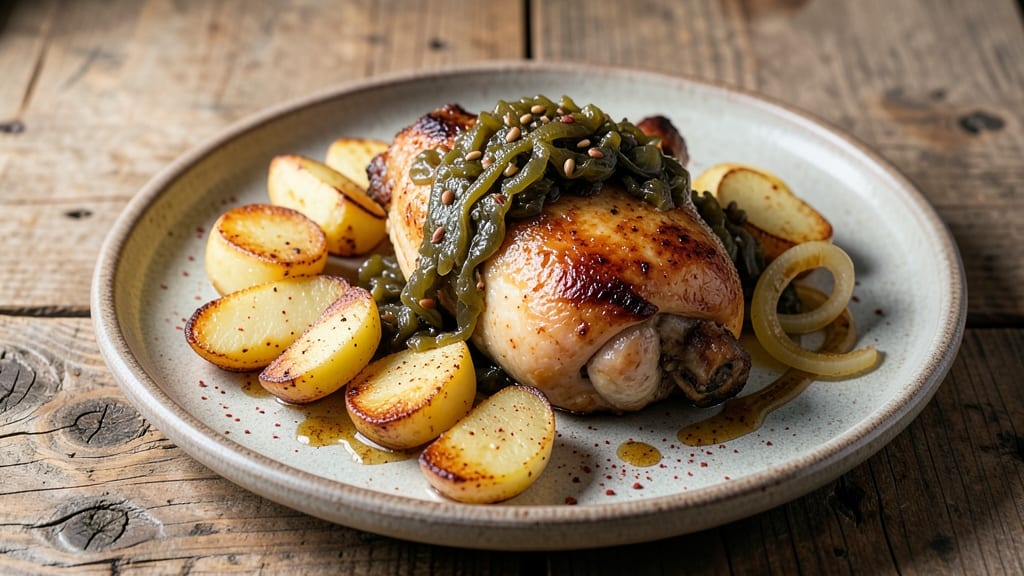
This German-style chicken, sauerkraut, and potatoes recipe delivers a hearty, one-pan feast that tastes like a home-cooked meal from a Bavarian countryside kitchen.
Growing up in small-town Georgia, I learned that the secret to this dish lies in balancing tangy sauerkraut with tender chicken and creamy potatoes—each component working together to create a satisfying, comforting dinner.
The slow caramelization of the sauerkraut adds depth, while crispy-skinned chicken and fluffy potatoes round out the meal perfectly.
The beauty of this recipe is its simplicity and versatility. You’ll start with pan-seared chicken thighs—their crispy skin and juicy meat pair beautifully with the sauerkraut’s tangy notes. Meanwhile, the potatoes roast until golden and tender, absorbing the flavors of the dish without overpowering them.
A touch of mustard or smoked paprika can elevate the flavors even further, giving this classic dish a modern twist while staying true to its roots.
What makes this recipe stand out is how it transforms simple ingredients into a restaurant-quality meal with minimal effort. The chicken cooks while you sauté the sauerkraut, and the potatoes roast alongside, all in one pan—meaning less cleanup and more time enjoying the meal.
The result? A dish that’s rich, flavorful, and hearty enough to feed a family or satisfy a solo dinner craving.
Serve this one-pan feast with a side of crusty bread or a simple green salad to balance the richness. Whether you're cooking for a crowd or treating yourself to a cozy weeknight dinner, this recipe delivers foolproof, comforting flavors that feel like a hug in every bite. Let’s get cooking!
Ingredients for chicken sauerkraut potato
Pantry staples meet German tradition in this one-pan wonder—juicy chicken, caramelized sauerkraut, and fluffy potatoes.
| Ingredient | Amount | Notes |
|---|---|---|
| Chicken Thighs, Bone-In, Skin-On 🍗 | 1 ½ lb | Trimmed of excess fat |
| Sauerkraut, Unpasteurized 🥬 | 2 cups | Packed, drained if watery |
| Yukon Gold Potatoes 🥔 | 1 ½ lb | Cut into 1-inch cubes |
| Yellow Onion 🧅 | 1 whole | Thinly sliced |
| Smoked Paprika 🌶️ | 1 tsp | For depth of flavor |
| Dijon Mustard 🍯 | 1 tbsp | For tangy richness |
| Garlic Cloves 🧄 | 4 cloves | Minced for aromatic base |
| Apple Cider Vinegar 🍎 | 2 tbsp | Balances sauerkraut tang |
| Unsalted Butter 🧈 | 3 tbsp | Full-fat for crispy skin |
| Fresh Thyme Leaves 🌿 | ¼ cup | Chopped for herbal notes |
| Kosher Salt 🧂 | 1 ½ tsp | Diamond Crystal preferred |
| Freshly Ground Black Pepper 🌶️ | ½ tsp | For subtle heat |
| Olive Oil 🫒 | 2 tbsp | For initial searing |
The chicken thighs are non-negotiable here—bone-in, skin-on delivers that crispy, golden exterior and juicy interior. Local butchers often have them pre-trimmed, but if you're buying whole, pat dry and trim excess fat for even browning. For sauerkraut, unpasteurized is essential—it develops that signature tang through natural fermentation. Reinhart Foods or Bubbies brands are reliable for quality, but any refrigerated section at Whole Foods or Trader Joe's will have good options. Yukon Gold potatoes are ideal for their creamy texture, but any waxy variety will work—just cut them uniformly for even cooking. The secret to crispy skin? Pat the thighs dry before seasoning and let them rest at room temperature for 20 minutes.
No smoked paprika? Regular paprika plus a pinch of liquid smoke mimics the depth, though it won’t be identical. Short on Dijon? Whole-grain mustard at double the amount adds texture but lacks the same tang. The apple cider vinegar can be swapped for white wine vinegar in a pinch, but it’ll taste more acidic. For the garlic, roasted garlic adds sweetness if you prefer a milder flavor—just mash it instead of mincing. The butter is critical for the chicken skin; don’t substitute margarine or reduced-fat versions. Fresh thyme can be dried at one-third the amount, but the flavor profile shifts noticeably. If you’re using pre-minced garlic from a jar, rinse it first—it’s often coated with anti-caking agents that can dull flavors.
This dish tastes even better the next day as flavors meld. Store leftovers in an airtight container in the fridge for up to 4 days, though the potatoes may get slightly softer. For longer storage, freeze portions for up to 3 months—just reheat gently in a skillet with a splash of water to restore crispiness. The sauerkraut can be prepped ahead and stored separately for 1 week in the fridge, making this a great make-ahead meal. To serve, transfer everything to a platter and garnish with extra fresh thyme—presentation matters when you’re going for that Bavarian countryside vibe.
Why You'll Love This Recipe
- One-Pan Magic: No scrubbing pots or frantic cleanup—just toss everything into a Dutch oven, let it simmer, and boom. That crispy skin on the bone-in thighs? Achieved while you prep the potatoes. The onions and garlic caramelize right in the same pan, so you’re basically cooking with one hand tied behind your back. Honestly, the only thing you’ll be washing is your plate.
- Tangy Butter Bomb: The unpasteurized sauerkraut isn’t just there for texture—it’s the secret weapon. That sharp, probiotic kick cuts through the richness of the 3 tbsp butter and 1.5 lb chicken thighs, making every bite feel like a hug. The smoked paprika and thyme? They turn the Yukon Gold potatoes from boring to chef’s kiss. Trust me, the tangy mustard and vinegar aren’t just flavor—they’re the glue holding this dish together.
- Freezer-Friendly Comfort: I’ve made this on a Tuesday night and again on a Sunday morning after a late night. The leftovers? Still delicious after 4 days in the fridge, and if you freeze portions, they’ll be ready for a snow day meal in 3 months. Just pop them in a skillet with a splash of water, and the crispiness returns like magic. My kids even ask for seconds—no bribes required.
- Budget’s Best Kept Secret: You’re using bone-in, skin-on thighs (cheaper than chicken breast) and Yukon Golds (often on sale). The unpasteurized sauerkraut might be pricier, but it lasts forever in the fridge, and a little goes a long way. Between the thyme, garlic, and apple cider vinegar, you’re using pantry staples to make this feel like a restaurant dish. Between us, it’s the kind of meal that makes you feel like a genius without breaking the bank.
Step-by-step instructions for chicken, sauerkraut, and potatoes recipe
This German-inspired one-pan dish delivers rich flavors with minimal effort—crispy chicken, tender potatoes, and tangy sauerkraut all harmonizing together.
Sear the Chicken Thighs for Crispy Skin
Pat the 1.5 lb chicken thighs, bone-in, skin-on dry with paper towels, focusing on the skin to remove any moisture. Season both sides generously with 1.5 tsp kosher salt and 0.5 tsp freshly ground black pepper, pressing the seasoning into the meat. Let the chicken sit at room temperature for 15 minutes while you prepare the remaining ingredients.
Heat a large Dutch oven over medium-high heat and add 2 tbsp olive oil. Once the oil shimmers, carefully place the chicken thighs skin-side down in the pot. Cook undisturbed for 8-10 minutes until the skin is deep golden brown and crispy, with fat rendering out. Flip the thighs and cook for another 5-6 minutes until the internal temperature reaches 165°F. Remove the chicken and set aside on a plate, tented loosely with foil to keep warm.
Sauté Onions and Garlic for Aromatic Base
In the same Dutch oven, reduce the heat to medium and add 3 tbsp unsalted butter. Once the butter foams, add the 1 whole yellow onion (thinly sliced) and cook for 5-6 minutes until softened and lightly caramelized. Add the 4 cloves garlic (minced) and cook for 30 seconds until fragrant—don’t let it brown or it will turn bitter.
Stir in 1 tsp smoked paprika and cook for 30 seconds to toast the spices, deepening their flavor. This step builds the aromatic foundation for the dish, so don’t rush it. The onions should be tender but still hold their shape, and the garlic should melt into the butter without burning.
Cook Potatoes Until Tender
Add the 1.5 lb yukon gold potatoes (cut into 1-inch cubes) to the Dutch oven, stirring to coat them in the onion-butter mixture. Pour in 2 tbsp apple cider vinegar and 1 tbsp dijon mustard, then sprinkle with 0.25 cup fresh thyme leaves (chopped). Toss everything together to ensure the potatoes are evenly coated.
Pour in just enough water to come about halfway up the sides of the potatoes—approximately 1.5 cups. Bring to a gentle simmer, then reduce the heat to low, cover the pot, and let the potatoes cook for 15-18 minutes, stirring occasionally, until they are fork-tender and the liquid has mostly evaporated. The potatoes should absorb the flavors from the onions and spices while staying creamy inside.
Combine and Simmer with Sauerkraut
Return the chicken thighs to the Dutch oven, skin-side up. Add the 2 cups sauerkraut, unpasteurized, spreading it evenly over the potatoes and chicken. The sauerkraut’s tang will balance the richness of the chicken and butter. Stir gently to combine, then increase the heat to medium-low and cover the pot again.
Let the dish simmer uncovered for 10-12 minutes, allowing the sauerkraut to soften slightly and the flavors to meld together. The chicken should finish cooking in this time, reaching an internal temperature of 175°F at its thickest part. The potatoes should be fully tender, and the sauce should thicken into a glossy, tangy coating. Taste and adjust seasoning with additional kosher salt or black pepper if needed.
Rest and Serve for Maximum Flavor
Remove the Dutch oven from the heat and let the dish rest, covered, for 5 minutes. This allows the juices to redistribute, ensuring every bite is moist and flavorful. Serve directly from the pot, using a slotted spoon to lift the chicken and potatoes while letting the sauerkraut sauce pool at the bottom for drizzling.
The finished dish should feature crispy, golden-brown chicken skin, creamy potatoes infused with thyme and garlic, and tender sauerkraut that’s softened but still retains its tang. The combination of smoky paprika, tangy mustard, and herbal thyme creates a well-balanced, hearty meal perfect for a cozy dinner.
Pro Tips For Making Chicken Sauerkraut Potato
- Don’t Crowd the Chicken: I learned this the hard way—piling those thighs too close means they’ll steam instead of sear. Give them space in the Dutch oven, even if it means two batches. That crispy skin is worth the extra minute of patience (yes, even if you're impatient like me).
- Drain That Sauerkraut: Unpasteurized sauerkraut is a flavor bomb, but excess liquid dilutes the dish. Drain it well in a colander before adding—unless you like a watery, sad version of this recipe. (Your future self will thank you.)
- Caramelize Onions Low and Slow: Those onions need time—5-6 minutes on medium heat, not rushed. If they’re still crunchy, you’re doing it wrong. The deeper the color, the richer the flavor, and that’s the thing that matters most here.
- Taste Before Resting: Skip the blind seasoning guesswork. After the 10-12 minute simmer, lift the chicken and taste the sauce—raw or bland? That’s your cue to add more salt, a splash of apple cider vinegar, or even a pinch of smoked paprika. Adjust now, not later.
Best sauces and condiments for this dish
Mustard-Based Sauces
Dijon mustard is the star here, but I swear by a light honey-mustard glaze for a touch of sweetness that balances the sauerkraut’s tang. Mix 2 tbsp Dijon mustard with 1 tbsp honey and 1 tsp apple cider vinegar, then drizzle over the finished dish before serving.
This adds a glossy finish that ties everything together beautifully. I often use Penzeys Spicy Dijon for extra kick. 🍯
Bacon-Infused Enhancements
Crispy bacon transforms this dish from good to exceptional. Cook 4 oz thick-cut bacon until golden, then crumble it over the sauerkraut before the final simmer. The smoky, salty crunch cuts through the richness of the chicken and butter.
I prefer Applegate Farms for quality, but any high-quality bacon works. The fat renders into the dish, adding another layer of flavor. 🔥
Herbal Vinegar Reduction
For a sophisticated touch, reduce ¼ cup apple cider vinegar with 2 tbsp fresh thyme leaves and 1 minced garlic clove until syrupy—about 5-7 minutes over medium-low heat. Strain out the thyme and garlic, then drizzle this reduction over the dish.
It’s tangy, aromatic, and adds a restaurant-quality finish. I keep a small batch in my fridge for quick use. ✨
Smoky Paprika Drizzle
Make a quick smoky paprika drizzle by mixing 1 tbsp smoked paprika with 2 tbsp melted butter and 1 tsp water to create a pourable consistency. Simmer for 2 minutes until thickened, then drizzle over the chicken and potatoes.
This adds depth without overpowering the dish. I keep this in my spice arsenal for quick flavor boosts. 🌶️
Creamy Horseradish Cream
For a bold kick, whip ¼ cup sour cream with 1 tbsp prepared horseradish and a pinch of kosher salt. Dollop this creamy, spicy sauce over the finished dish—it’s perfect for those who love heat.
I use Hellmann’s sour cream for its tangy richness. This adds a cool contrast to the warm, tangy flavors. 💛
Nutrition facts
Frequently asked questions
Can I use boneless, skinless chicken breasts instead of bone-in thighs?
While you can substitute chicken breasts, bone-in thighs are ideal for this dish. The bones add flavor and moisture, and the skin creates that coveted crispy texture. If using breasts, increase the cooking time to 16-18 minutes per side and avoid overcooking to prevent dryness. The potatoes and sauerkraut will still work, but the overall texture and richness will differ.
How do I prevent the potatoes from turning mushy?
Cut the Yukon Gold potatoes uniformly into 1-inch cubes and avoid overcrowding the Dutch oven. Use just enough water to come halfway up the sides—about 1.5 cups—and reduce heat to low once simmering. Covering the pot traps steam, preventing the potatoes from absorbing too much liquid. Stir occasionally to ensure even cooking, and remove the lid 5 minutes before they’re fork-tender to crisp the edges.
Can I make this dish ahead of time for a dinner party?
Prep the sauerkraut and potatoes up to 1 day ahead and store them separately in the fridge. Sear the chicken just before serving to keep the skin crispy. Reheat gently in the Dutch oven over medium-low heat for 10-15 minutes, covered, adding a splash of water if needed. The flavors deepen overnight, making it even more delicious for gatherings.
What’s the best way to reheat leftovers without drying out the chicken?
Store leftovers in an airtight container for up to 4 days. To reheat, place the dish in a skillet over low heat with 1-2 tbsp water or broth. Cover and heat for 8-10 minutes, stirring occasionally, until everything is warmed through. Avoid microwaving—the chicken skin will lose its crispiness. For frozen portions, thaw overnight in the fridge first, then reheat as directed.
Can I swap sauerkraut for another fermented vegetable?
While sauerkraut’s tang is key, you can experiment with kimchi (for a spicier kick) or pickled red cabbage (for a milder flavor). Use the same amount (2 cups) and adjust seasoning—kimchi may need extra salt, while pickled cabbage might benefit from a splash of apple cider vinegar to balance sweetness. However, the fermentation process in sauerkraut is irreplaceable for that classic German depth.