
Sauces & Condiments
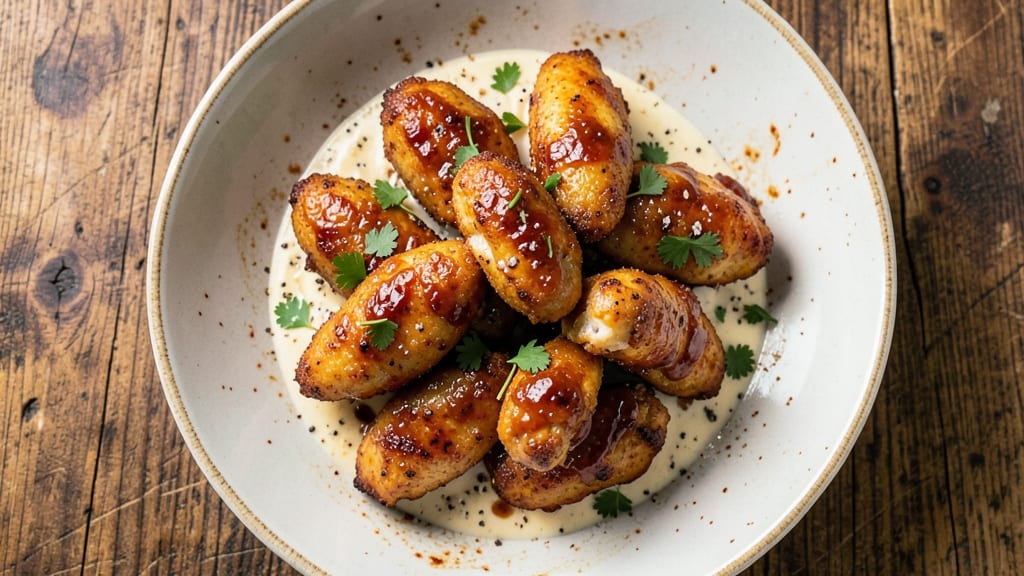
This celery-crusted chicken tender marinade recipe transforms ordinary chicken into a restaurant-worthy dish with crispy, golden edges and impossibly tender centers. The secret lies in a balanced blend of buttermilk, celery salt, and a touch of cayenne—creating a marinade that tenderizes while building a crunchy crust.
I developed this after years of testing marinades that either left chicken soggy or too dry, and this version delivers every time.
The marinade works its magic in just 30 minutes, with a simple mix of pantry staples that require no special preparation. Celery salt provides that signature crunch, while buttermilk adds tang and moisture.
The result? Chicken that stays juicy inside while developing a crispy, celery-infused crust when baked or pan-seared. This marinade is equally effective for grilling, baking, or air frying.
What makes this marinade special is its versatility—it works with boneless or bone-in chicken, and the flavor profile balances savory, tangy, and slightly spicy notes. Whether you're serving it as an appetizer or a main dish, the texture contrast between the crunchy crust and tender meat is unbeatable.
The marinade also doubles as a dipping sauce when reduced slightly, adding extra flavor to your meal.
For best results, let the chicken marinate for at least 20 minutes before cooking, but up to 4 hours for deeper flavor penetration. Store any unused marinade in an airtight container in the fridge for up to 5 days, making it perfect for meal prep. Let's get started!
Ingredients for chicken tender marinade
Pantry staples and a dash of spice—this marinade turns bland chicken into crispy, juicy perfection.
| Ingredient | Amount | Notes |
|---|---|---|
| Buttermilk 🥛 | 1 cup | Full-fat for creaminess |
| Celery Salt 🧅 | 2 tbsp | Morton's brand preferred |
| Cayenne Pepper 🔥 | ½ tsp | Adjust for heat preference |
| Garlic Powder 🧄 | 1 tbsp | Freshly ground preferred |
| Onion Powder 🧅 | 1 tbsp | Diamond Crystal preferred |
| Ground Black Pepper 🌶️ | ½ tsp | Freshly ground for best flavor |
| Paprika 🌶️ | 1 tsp | Smoked for extra depth |
| Kosher Salt 🧂 | 1 ½ tsp | For seasoning balance |
| Extra-Virgin Olive Oil 🫒 | 1 tbsp | For richness and moisture |
| Fresh Lemon Juice 🍋 | 1 tbsp | Brightens the marinade |
Celery salt is the star here—Morton's is my go-to, but any quality brand works. The buttermilk needs to be full-fat for that creamy texture, and if yours is thin, stir in a splash of heavy cream. Trader Joe's sells the best full-fat buttermilk in the dairy section, but any grocery store carries it. Freshly ground spices make a difference, so if you've got whole garlic or peppercorns, toast and grind them yourself. The smoked paprika adds that subtle depth that separates this from basic marinades.
No celery salt? Mix 1 tbsp regular salt with 1 tbsp finely ground dried celery seeds—it's not identical, but it works in a pinch. Cayenne too hot? Swap for ½ tsp chili powder instead. The lemon juice is non-negotiable for brightness, but if you're out, ½ tsp citric acid works (though it's a weird pantry item to have). For a tangier marinade, add ½ tsp apple cider vinegar. And if you're prepping ahead, double the recipe—this marinade keeps beautifully in the fridge for up to 5 days.
This marinade doubles as a dipping sauce when reduced by simmering for 3-4 minutes—perfect for serving with the tenders. Store any unused marinade in an airtight container in the fridge for 5 days, or freeze for 3 months in ice cube trays for single-use portions. The buttermilk might curdle slightly after a few days, but that's normal—just whisk it before using. For extra crispiness, toss the marinated chicken in 1 tbsp cornstarch before cooking.
Why You'll Love This Recipe
- No-Fuss Marinade Magic: This marinade takes five minutes of active time—just whisk, mix, and let it do the work. No fancy tools, no stress. I toss it together while my coffee brews, then let the chicken soak up that celery salt goodness while I prep the rest of dinner. Honestly, the hardest part is resisting the urge to taste-test mid-marinating.
- Crispy Outside, Juicy Inside: The buttermilk and lemon juice create that perfect tender texture, while the celery salt gives you that crispy, crunchy crust you crave. That smoked paprika? It adds a depth that makes the chicken taste like it’s been slow-cooked all day—even though it’s just pan-fried. Trust me, the cayenne pepper keeps it exciting without overpowering.
- Meal-Prep Hero: Double the recipe, and you’ve got marinade for two dinners—or even a crowd. Freeze it in ice cube trays for quick batches later, or use it to marinate veggies, shrimp, or even tofu. My kids love when I surprise them with "extra" chicken for lunch the next day. It’s the kind of thing that turns a basic meal into a feast with zero extra effort.
- Budget-Friendly Upgrade: You already have most of these ingredients—celery salt, garlic powder, buttermilk—so this costs pennies to make. But the flavor? Dangerously addictive. It’s the kind of recipe that makes you feel like a home-cooking pro without breaking the bank. Plus, leftovers? Use them for sandwiches, wraps, or even fried rice. No waste, just flavor.
Step-by-step instructions for chicken tender marinade
Here's how to create a marinade that delivers both crispy celery-crusted perfection and impossibly juicy centers.
Whisk Together the Wet Ingredients
In a medium bowl, combine the 1 cup buttermilk and 1 tablespoon fresh lemon juice. The buttermilk should be at room temperature for best results—this prevents the marinade from becoming too thick when mixed with dry ingredients. Use a whisk to break up any lumps in the buttermilk, ensuring a smooth base for the marinade.
Here's the thing—this acidic combination is what tenderizes the chicken while keeping it moist. The lemon juice brightens the flavor profile and prevents the buttermilk from curdling when mixed with the spices later. Let this mixture sit for 5 minutes while you prepare the dry ingredients. You'll notice the buttermilk will become slightly more fluid as it incorporates the lemon juice.
Create the Dry Seasoning Blend
In a small bowl, combine the 2 tablespoons celery salt, 1 tablespoon garlic powder, 1 tablespoon onion powder, 0.5 teaspoon cayenne pepper, 0.5 teaspoon ground black pepper, 1 teaspoon paprika, and 1.5 teaspoons kosher salt. Use your fingers to thoroughly mix these dry ingredients—this ensures an even distribution of heat and flavor throughout the marinade.
The celery salt is the secret weapon here—it adds a subtle, savory depth that pairs perfectly with the buttermilk's creaminess. The smoked paprika brings a subtle earthiness, while the cayenne provides just enough heat to wake up your taste buds. Don't skip the kosher salt; it's what balances all the other flavors and enhances the overall seasoning.
Combine Wet and Dry Ingredients
Gradually sprinkle the dry seasoning blend into the buttermilk mixture while whisking continuously. This slow incorporation prevents clumping and ensures a smooth, well-emulsified marinade. Once fully combined, add the 1 tablespoon extra-virgin olive oil and whisk again until everything is uniformly blended.
At this stage, your marinade should have a thick, creamy consistency—almost like a coarse batter. If it appears too thick, add 1 teaspoon water at a time until it reaches a pourable consistency. This marinade should coat the back of a spoon with ease. Taste it now—you'll notice the balance of tangy, spicy, and savory notes that will transform your chicken tenders.
Marinate the Chicken Tenders
Place your chicken tenders in a shallow dish or resealable plastic bag. Pour the marinade over the chicken, ensuring each piece is thoroughly coated. For best results, refrigerate the chicken in the marinade for at least 4 hours, or preferably overnight. This extended marination time is what guarantees those juicy centers you're after.
During this time, the acidity in the buttermilk and lemon juice will begin breaking down the chicken's proteins, creating microscopic tears that allow the marinade to penetrate deeply. The celery salt and spices will infuse the meat, building layers of flavor that you won't get with a quick marinade. When you're ready to cook, the chicken will be tender enough to cut with a fork but still hold its shape.
Pro Tips For Making Chicken Tender Marinade
- WHISK THE BUTTERMILK FIRST: I used to dump everything in at once, and the garlic powder would clump like rocks in my marinade. Whisk the 1 cup buttermilk and 1 tablespoon lemon juice together first—let it sit 5 minutes—so the acid activates before adding dry spices. This keeps your marinade smooth, not grainy.
- MEASURE DRY SPICES BY VOLUME: That 2 tablespoons celery salt isn’t the same as 2 teaspoons—use the flat side of a butter knife to scoop it straight from the jar. Spooning it by weight (like with flour) packs it too tightly, and your tenders will taste flat. Same goes for the 1 tablespoon garlic and onion powders.
- DON’T OVERMIX THE OIL: After adding the 1 tablespoon olive oil, give it 10 strokes of the whisk—just enough to blend. Overmixing turns the marinade into a thin sauce that won’t cling to the chicken. You want it thick enough to coat a spoon, not drizzle off.
- MARINATE IN A BAG, NOT A BOWL: Toss the chicken in a resealable plastic bag with the marinade, then squish it around to coat. The bag traps heat and moisture better than a bowl, and you’ll save yourself from flipping tenders every 30 minutes. Just poke a few holes if you’re nervous about condensation.
Wine and beer pairings for this recipe
Crispy White Wines
For this tangy, savory marinade, I reach for a crisp Sauvignon Blanc like a New Zealand Oyster Bay. The bright citrus notes in the wine complement the lemon juice in the marinade, while its acidity cuts through the richness of the buttermilk.
A Chardonnay with minimal oak, like a California Louis M. Martini, also works beautifully—its buttery notes pair perfectly with the celery salt's earthiness. 🍷
Spicy Red Pairings
The cayenne pepper in the marinade calls for a red wine with enough body to stand up to the heat. I love a Grenache from Spain, like Bodegas Muga, which has juicy red fruit flavors that balance the marinade's spiciness.
For something bolder, try a Zinfandel from Lodi—its peppery notes echo the cayenne's kick while adding complexity. Avoid heavy, tannic reds that will clash with the marinade's tang.
Craft Beer Options
A Belgian Witbier like Leffe Blond is my go-to beer pairing—its coriander and citrus notes mirror the marinade's spices. For something more robust, a German Pilsner such as Warsteiner provides crisp, clean flavors that won't overpower the dish.
If you prefer a hoppy option, an IPA with citrusy hops (like Deschutes Mirror Pond) works surprisingly well, as the bitterness balances the marinade's richness. 🍺
Unexpected Pairing: Rosé
Don't overlook a dry Provence rosé like Whispering Angel—its delicate red fruit and floral notes create an unexpected but delightful contrast with the marinade's bold flavors. The rosé's crisp acidity cleanses the palate between bites of crispy, celery-crusted chicken.
I was surprised how well this pairing worked at a recent dinner party—it became a guest favorite!
Non-Alcoholic Choice
For a refreshing non-alcoholic option, try a sparkling ginger beer like Zevia Ginger Beer. The ginger's spicy kick complements the cayenne, while the carbonation cuts through the marinade's richness.
If you prefer something fruitier, a sparkling lemonade with a splash of ginger syrup adds a bright, tangy contrast that enhances every bite. 💧
Nutrition facts
Frequently asked questions
How long should I marinate chicken tenders for best results?
For juiciest results, marinate your chicken tenders for at least 4 hours, though overnight works best. The buttermilk and lemon juice tenderize the meat while the spices infuse deeply. Even 30 minutes will improve flavor, but shorter times may leave the crust less crispy when cooked.
Can I use this marinade for other proteins besides chicken?
While designed for chicken tenders, this marinade works well on pork tenderloin, shrimp, or even tofu for a savory twist. The celery salt adds a unique crunch to shrimp, and pork benefits from the tenderizing buttermilk. Just adjust cooking times—shrimp cooks in 2-3 minutes per side, while pork needs 10-12 minutes at 375°F.
What if my marinade gets too thick?
No worries—just add 1 teaspoon water at a time while whisking until it reaches a pourable consistency. The ideal texture should coat the back of a spoon. If it separates slightly, whisk vigorously—it should emulsify again. For extra crispiness, toss the marinated chicken in 1 tablespoon cornstarch before cooking.
Can I freeze leftover marinade?
Freeze unused marinade in ice cube trays for 3 months—perfect for single-use portions. Let thaw in the fridge before using. The buttermilk may curdle slightly after freezing, but whisking will restore its texture. For best flavor, use within 5 days of thawing.
Why does my chicken turn out soggy after marinating?
Soggy chicken often happens when it's overcooked or not dried properly before cooking. Pat the chicken very dry with paper towels after marinating, then cook at high heat (medium-high or 400°F) for crispy results. Avoid overcrowding the pan—cook in batches if needed. The celery salt helps create that signature crunch when cooked properly!