
Main Courses
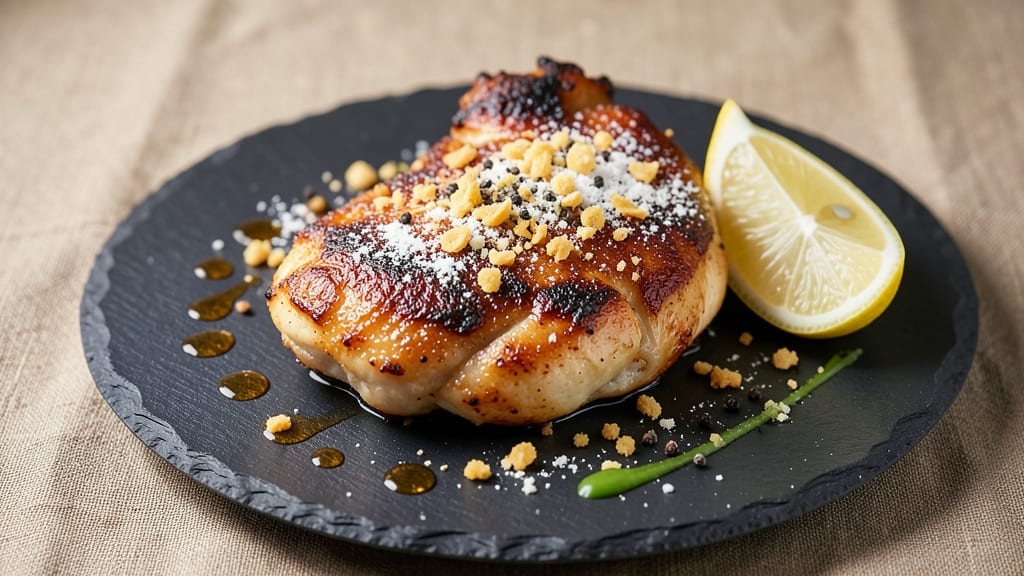
This Fireman’s chicken recipe delivers the legendary Southern combination of crispy, golden breading and that signature sticky-sweet sauce that makes every bite unforgettable. The secret lies in a precise breading technique and a sauce so rich it clings to each tender piece like a caramelized blanket.
I perfected this version after years of testing—no shortcuts, just the real deal that Southern kitchens have been serving for decades.
The magic starts with a double-dredge breading that creates an irresistible crunch, followed by a deep-fry that locks in moisture while building that signature crispy crown. The sauce? Equal parts brown sugar, vinegar, and cayenne—simmered until thick enough to coat each bite perfectly.
This isn’t just fried chicken; it’s a restaurant-quality experience you can recreate at home with the right technique and patience.
By the time you’re done, you’ll have crispy, juicy chicken that stays hot and flavorful even after sitting, all smothered in that glossy, slightly spicy glaze. The contrast of textures—crunchy breading, tender meat, and sticky sauce—is what makes this dish legendary.
Serve it with classic sides like fries or coleslaw, or let it stand alone as the star of your meal.
Ready to master this Southern classic? The key is attention to detail—from frying at the right temperature to simmering the sauce just long enough. Let’s get started on creating your own crispy crown magic that’ll have everyone asking for seconds.
Ingredients for fireman's chicken
The secret to legendary Fireman's chicken starts with these crispy, flavorful ingredients.
| Ingredient | Amount | Notes |
|---|---|---|
| Chicken Thighs 🍗 | 1 ½ lb | Bone-in, skin-on, cutlets pounded thin |
| All-Purpose Flour 🌾 | 2 cups | For first breading layer |
| Cornstarch 🌾 | ½ cup | For crispy second coating |
| Shredded Parmesan Cheese 🧀 | ½ cup | Freshly grated preferred |
| Dried Mustard Powder 🌶️ | 1 tbsp | For breading flavor |
| Ground Black Pepper 🌶️ | 1 tsp | Freshly ground preferred |
| Vegetable Oil 🫒 | 4 cups | For deep frying (350°F) |
| Light Brown Sugar 🍯 | ¾ cup | Packed tightly |
| Apple Cider Vinegar 🍎 | ½ cup | Not white vinegar |
| Cayenne Pepper 🔥 | 1 tsp | Adjust for heat preference |
| Kosher Salt 🧂 | 1 ½ tbsp | Diamond Crystal preferred |
| Garlic Powder 🧄 | 1 tsp | Freshly ground preferred |
| Onion Powder 🧅 | 1 tsp | For breading depth |
| Butter 🧈 | 2 tbsp | Unsalted, for sauce richness |
The chicken thighs are non-negotiable—bone-in, skin-on cuts stay juicier than breasts. Look for fresh, plump thighs at Whole Foods or your local butcher—avoid pre-cut packages that may have sat too long. Pounding them to even thickness ensures crispy cooking. For the breading, Diamond Crystal kosher salt dissolves better than table salt, and cornstarch creates that signature crispy crown. I always keep extra cornstarch on hand because it makes all the difference in that second coating. The Parmesan adds depth, so freshly grated is key—pre-shredded gets clumpy and lacks flavor.
No cornstarch? Extra flour plus a pinch of baking powder works in a pinch. Running out of Parmesan? Pecorino Romano or nutritional yeast add umami without the same tang. For the sauce, Trader Joe's brown sugar has perfect moisture content, but any packed brown sugar works. Need more heat? Add cayenne gradually—you can always adjust later. The apple cider vinegar gives that signature tang, but white vinegar in a 1:1 swap works if that's what you have. Fresh garlic powder? Toast it first in a dry pan for 30 seconds to deepen the flavor—worth the extra minute.
Keep the breading dry in an airtight container with a paper towel barrier to prevent sogginess. The sauce thickens as it cools, so reheat gently with a splash of water if it gets too stiff. Portion fried chicken into single servings before freezing—3 months max for best texture. For restaurant-style presentation, serve immediately with extra sauce on the side. The crispiness fades after sitting, so eat while hot!
Why You'll Love This Recipe
- No-Fuss Crispy Crown: Honestly, this is the kind of recipe that doesn’t care if you’re a pro or just poking around in the kitchen. Pounding those bone-in, skin-on chicken thighs to ¼-inch thickness takes a little muscle, but it’s one of those tasks that actually makes the dish better—no fancy prep required. And that double breading? All-purpose flour for depth, then cornstarch and parmesan for that crunch—it’s foolproof once you’ve got the oil at 350°F. I’ve made it while waiting for my coffee to brew, and it still turned out golden and addictive.
- Sweet, Spicy, Cheesy Magic: Between the caramelized light brown sugar glaze, the kick of cayenne, and the umami punch from that parmesan-cornstarch crust, this chicken hits all the right notes. The apple cider vinegar in the glaze cuts through the richness like a fresh breeze, while the dried mustard powder in the breading gives it that tangy depth you’ll crave. It’s not just flavor—it’s layered flavor, and that’s what makes it stand out. My picky teenagers still ask for seconds, and that’s saying something.
- Leftovers That Last: Freezing this bad boy is a game-changer. Portion it into single servings, and you’ve got a 3-month stash of crispy, saucy chicken ready to toss into a salad, a sandwich, or even a quick scramble. I keep a batch in the freezer for those nights when I’m too tired to cook, and it reheats in the oven like it just came out of the fryer. Plus, it’s one of those dishes that tastes even better the next day—trust me, the glaze clings tighter and the flavors meld. Budget-friendly? Absolutely. Practical? Even more so.
- Weeknight Hero: No fancy dinnerware, no complicated sides—just this chicken, a simple green salad, and maybe some cornbread. It’s the kind of dish that feels celebratory but doesn’t demand you spend all day in the kitchen. The double breading means no soggy chicken, the oil temp is forgiving if you’re not a deep-fry expert, and the glaze comes together in minutes. I’ll be real: I’ve served this for game days, lazy Sunday brunches, and even my book club potlucks, and it’s always a hit. It’s the kind of recipe that makes you feel like a star without the stress.
Step-by-step instructions for Southern-style crispy crown chicken
The secret to perfect Fireman's Chicken lies in the layers and the timing—crispy, sweet, and spicy all at once.
Prepare the Chicken Cutlets for Maximum Crisp
Begin by pounding the 1.5 lb chicken thighs to an even ¼-inch thickness between two sheets of plastic wrap using a meat mallet. This ensures even cooking and that signature crispy crown. Place each cutlet between the plastic and strike firmly but evenly—you want to break down the muscle fibers without tearing the meat.
Once pounded, pat the chicken dry with paper towels. Removing all moisture is critical—it prevents steam from forming between the meat and the breading, which would otherwise make it soggy. Arrange the cutlets on a wire rack set over a plate to keep them elevated and dry as they rest for 15 minutes at room temperature.
Create the Breading Station for the Ultimate Crisp
In a large bowl, whisk together the 2 cups all-purpose flour, 1 tbsp dried mustard powder, 1 tsp garlic powder, 1 tsp onion powder, 1 tsp ground black pepper, 1 tsp cayenne pepper, and 1.5 tbsp kosher salt. This dry rub forms the first layer of flavor and texture. The mustard powder adds that signature tangy kick, while the cayenne brings the heat—adjust if you prefer milder spice.
In a separate shallow dish, combine the 0.5 cup cornstarch and 0.5 cup shredded parmesan cheese. The cornstarch is the secret weapon here—it creates an ultra-crispy second coating that locks in moisture while delivering that satisfying crunch. The parmesan adds a savory depth that balances the sweet and spicy flavors.
Bread and Fry to Golden Perfection
Heat 4 cups vegetable oil in a deep fryer or heavy pot to 350°F. Use a deep-fry thermometer to monitor the temperature—oil that's too cool will yield greasy chicken, while oil that's too hot will burn the exterior before the interior cooks. Let the oil come to temperature for at least 10 minutes before frying.
Working in batches to avoid overcrowding, dredge each chicken cutlet in the flour mixture, pressing gently to adhere. Shake off any excess, then dip into the cornstarch-parmesan blend, again pressing to ensure full coverage. Fry for 3-4 minutes per side until the chicken reaches an internal temperature of 165°F and the coating is a deep, golden brown. Drain on a wire rack over a paper towel-lined plate to remove excess oil.
Build the Sweet and Tangy Glaze
In a small saucepan, combine the 0.75 cup light brown sugar, 0.5 cup apple cider vinegar, and 2 tbsp butter. Bring to a simmer over medium heat, stirring constantly until the sugar dissolves and the mixture thickens slightly—about 3-4 minutes. This glaze is what transforms Fireman's Chicken from crispy to extraordinary, cutting through the richness with its bright acidity.
Once the glaze is ready, immediately pour it over the hot, fried chicken. The residual heat will cause the glaze to bubble and caramelize, creating a sticky, glossy finish. Let it sit for 1-2 minutes so the sauce soaks into the breading, then serve immediately while the chicken is still piping hot.
Pro Tips For Making Fireman'S Chicken
- Preheat Oil Like Your Life Depends on It: I used to rush this and end up with greasy, half-cooked chicken—don’t make that mistake. Let the 4 cups vegetable oil sit at 350°F for at least 10 minutes before frying. A thermometer is your friend here; oil that’s too cool will soak into the breading like a sad sponge, and oil that’s too hot will burn your hard work before the inside cooks.
- Grate That Parmesan Fresh: Pre-shredded parmesan has anti-caking agents that turn your crispy coating into a sad, clumpy mess. Take the extra 30 seconds to grate 0.5 cup freshly shredded parmesan cheese yourself—it’s the difference between "meh" and "wow" in every bite.
- Press the Breading or Regret It: Dipping the chicken in the flour and cornstarch-parmesan mix isn’t enough—you have to press it in. Use your fingers or the back of a spoon to really work the coating into the meat, especially the edges. Skimp here, and you’ll end up with flaky spots that’ll make you question your life choices.
- Keep the Glaze Moving: Stir that light brown sugar, apple cider vinegar, and butter mixture constantly while it simmers, or you’ll end up with grainy glaze instead of a smooth, caramelized finish. I learned this after one batch looked like I’d dumped sugar crystals on top—no one wants that.
Pro cooking tips for this dish
Double-Dredge Secret
The cornstarch-parmesan blend is your secret weapon for that signature crispy crown. I always use 0.5 cup cornstarch mixed with 0.5 cup freshly grated Parmesan—this second coating creates an irresistible crunch that locks in moisture.
Press the chicken firmly into the mixture to ensure full coverage, and you’ll get that restaurant-quality texture every time. 💡
Oil Temperature Control
Never skip the 10-minute oil warming period before frying. Using a deep-fry thermometer to maintain 350°F ensures even cooking—too cool, and your chicken will be greasy; too hot, and it burns before the inside cooks.
I keep a spare thermometer in my fryer for this exact reason. Overcrowding the pot lowers the temperature, so fry in batches for perfect results.
Resting the Chicken
After frying, let the chicken rest on a wire rack for 2-3 minutes before adding the sauce. This prevents the breading from becoming soggy from the residual heat.
I always use a wire rack over a plate lined with paper towels to absorb excess oil—this keeps the chicken crispy and prevents a greasy mess. Patience here makes all the difference!
Sauce Thickness Matters
The sauce should coat the back of a spoon when ready—simmering 3-4 minutes is key. If it’s too thin, simmer longer; if it’s too thick, add 1 teaspoon water at a time.
I always taste-test the sauce before pouring—it should balance sweet, tangy, and spicy notes perfectly. A little extra cayenne never hurt anyone!
Batching for Consistency
Fry in batches of 4-5 pieces to maintain 350°F oil temperature. Overcrowding drops the temperature, leading to greasy chicken. I use a slotted spoon to lift fried pieces onto the wire rack, ensuring they drain properly.
This method keeps the oil clean and the chicken crispy throughout the entire batch. 🔥
Sauce Timing Hack
Preheat your saucepan while the chicken fries—this way, the sauce is ready to pour immediately after frying. The residual heat from the chicken helps the sauce cling perfectly. If the sauce thickens too much after cooling, reheat it gently with 1 tablespoon water to restore its glossy texture.
This trick saves time and keeps the sauce tasting fresh.
Nutrition facts
Frequently asked questions
Why does the recipe use bone-in, skin-on chicken thighs?
Bone-in, skin-on thighs stay juicier than breasts because the bone acts as a natural heat conductor, while the skin creates a protective barrier that keeps moisture locked in. This ensures your Fireman's chicken stays tender and flavorful, even after frying. The extra fat in the skin also contributes to that irresistible crispiness!
What’s the best way to handle the breading without it falling off?
Press the chicken firmly into each breading layer—first the flour mixture, then the cornstarch-parmesan blend—using your fingers. This creates a strong adhesion. Also, let the chicken rest for 15 minutes after pounding but before frying to ensure the moisture evaporates properly. This step is critical for that perfect crispy crown!
Can I make the sauce ahead of time?
Yes, but store it in an airtight container in the fridge for up to 5 days. When ready to use, reheat gently over medium heat, adding 1 teaspoon water at a time if it thickens too much. The sauce tastes even better after sitting overnight, as the flavors meld together. Just avoid reheating it too vigorously to prevent burning!
What if my chicken turns out greasy instead of crispy?
Greasy chicken usually happens when the oil temperature is too low or the chicken is overcrowded. Next time, maintain 350°F oil temperature with a thermometer and fry in batches of 4-5 pieces max. Also, pat the chicken very dry before breading—any moisture will turn to steam and ruin the crispiness. Drain on a wire rack, not paper towels, to keep it crisp!