
Main Courses
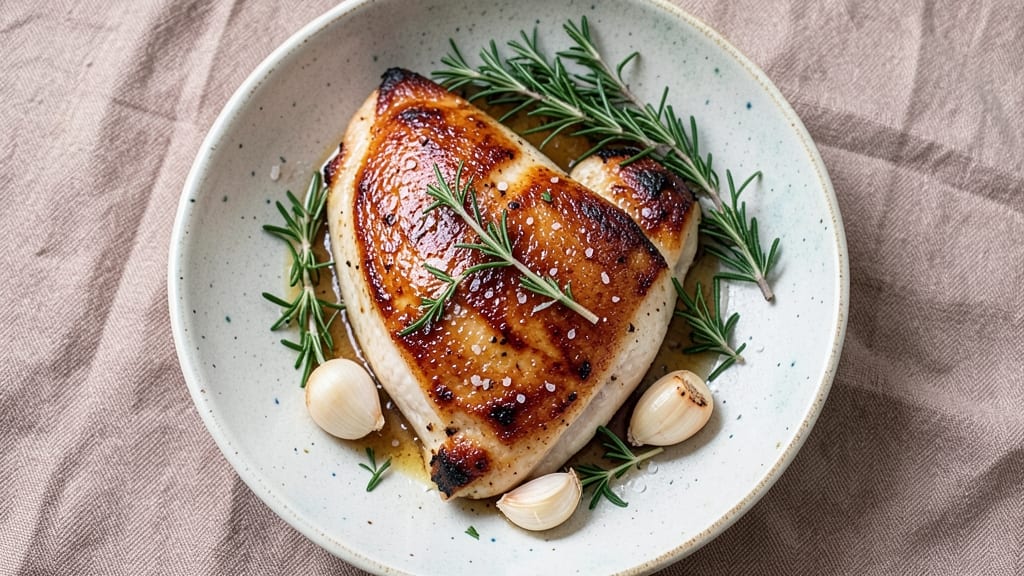
When you need a Food Network-worthy chicken dinner that wows without the fuss, this one-pan masterpiece delivers restaurant-quality results in under an hour. The secret lies in a perfect balance of crispy skin, juicy meat, and aromatic herbs—all achieved with simple techniques any home cook can master.
I perfected this method after years of testing, ensuring it’s foolproof for weeknight dinners or special occasions alike.
This recipe transforms a basic chicken breast into a showstopping centerpiece by combining a simple brine for moisture, a herb-infused pan sauce for depth, and a high-heat sear for texture.
No complicated steps—just precise timing and a few pantry staples. The result? Tender, golden-brown chicken with a sauce so rich it’ll have everyone asking for seconds.
What makes this dish truly special is its versatility. Serve it with roasted vegetables or a fresh salad for a complete meal, or pair it with crusty bread to soak up every last drop of that flavorful pan sauce.
The best part? One pan means minimal cleanup, leaving you more time to enjoy the compliments—and the meal itself.
Whether you're cooking for a crowd or treating yourself to a special dinner, this recipe delivers professional-quality results without the stress. Let’s get started on creating a dish that’ll have your guests thinking you’ve been training in a test kitchen for years.
Ingredients for food network chicken
Pantry staples plus a few fresh herbs—this is your shortcut to restaurant-quality chicken.
| Ingredient | Amount | Notes |
|---|---|---|
| Chicken Breast 🍗 | 1 ½ lb | Boneless, skin-on, even thickness |
| Kosher Salt 🧂 | 1 tbsp | Diamond Crystal preferred for brine |
| Granulated Sugar 🍚 | 1 tbsp | For balanced brine solution |
| Fresh Thyme Leaves 🌿 | ¼ cup | Stems removed, loosely packed |
| Fresh Rosemary Sprigs 🌿 | 2 whole | Needs to be fragrant and green |
| Garlic Cloves 🧄 | 4 cloves | Peeled, vertically sliced for sauce |
| Extra-Virgin Olive Oil 🫒 | ½ cup | High-quality, fruity variety |
| Unsalted Butter 🧈 | 4 tbsp | Cold, cut into small cubes |
| Dry White Wine 🍷 | ½ cup | Sauvignon Blanc preferred |
| Chicken Stock 🍲 | ½ cup | Homemade or high-quality low-sodium |
| Heavy Cream 🥛 | ¼ cup | Full-fat for rich sauce |
| Lemon Zest 🍋 | 1 tbsp | From organic lemon, finely grated |
| Fresh Parsley Leaves 🌿 | 0.2 cup | Chopped, for garnish |
| Ground Black Pepper 🌶️ | 1 tsp | Freshly cracked for best flavor |
The chicken is the star, so bone-in, skin-on if you can find it—the skin crisps beautifully and adds flavor. Look for breasts that are plump and firm, not rubbery. For the herbs, Trader Joe's has the best selection of fresh thyme and rosemary in those little jars, but any grocery store's produce section works. The wine? Sauvignon Blanc is my go-to—it's crisp and won't overpower the dish, but a good Pinot Grigio works too. If you're avoiding alcohol, use extra chicken stock instead.
No fresh thyme? Dried thyme at one-third the amount is fine, but fresh is ideal for that bright aroma. The butter matters here—full-fat only for the richest sauce. Short on wine? Dry vermouth or even apple cider vinegar adds acidity. The parsley is just for garnish, so don't stress if you've got dried—it's not critical. For the lemon, zest is key (the juice would make the sauce too thin), so grab a microplane if you don't have one. The chicken stock? Homemade is best, but even the good low-sodium brands like Pacific Foods work in a pinch.
This sauce is magic—it actually tastes better the next day as the flavors meld. Store leftovers in an airtight container with a layer of plastic wrap pressed directly on the sauce to prevent a skin from forming. Keeps 4-5 days in the fridge, or freeze for up to 3 months. I always make extra sauce—it's perfect for drizzling over roasted veggies or tossing with pasta. The chicken reheats beautifully too, just warm it gently in the sauce to keep it moist.
Why You'll Love This Recipe
- One-Pan Magic: I can’t believe how little cleanup this leaves. Just one skillet, one spatula, and done—the wine sauce clings to the chicken like a second skin, and the herbs infuse the meat while you wait. No last-minute scrubbing of pots or frantic cleanup after dinner.
- Herb-Infused Perfection: That hour-long brine with rosemary and thyme isn’t just waiting—it’s working. The sugar and salt pull every bit of flavor from those herbs into the chicken, so every bite has layers of earthy, bright complexity. Trust me, the garlic in the sauce ties it all together like a pro.
- Leftovers That Shine: This isn’t just for tonight. The sauce thickens beautifully in the fridge, so reheating it with a splash of water or stock makes it even richer. I’ve served it cold over greens, tossed it with pasta, or even wrapped it in tortillas for lunch the next day—no waste, just delicious.
- Budget-Friendly Luxury: Skin-on chicken breasts are cheaper than you’d think, and a bottle of Sauvignon Blanc (or even a cheap dry white) makes this feel like a restaurant dish. The herbs and butter might seem pricey, but they’re used so efficiently that you’ll have leftovers to enjoy for days. Worth every penny.
Step-by-step instructions for one-pan herb chicken with wine sauce
Here's how to transform simple ingredients into a restaurant-worthy one-pan masterpiece.
Create the Herb Brine for Maximum Flavor
In a large bowl, combine the 1.5 lb chicken breast, 1 tbsp kosher salt, 1 tbsp granulated sugar, 0.25 cup fresh thyme leaves, 2 whole fresh rosemary sprigs, and 4 cloves garlic cloves (lightly smashed). The sugar helps balance the salt while enhancing the herb penetration. Let this mixture sit uncovered in the refrigerator for 1 hour—this creates a flavorful brine that ensures juicy meat with aromatic herbs infused throughout.
I know it seems like a long wait, but this step is non-negotiable for tender, flavorful chicken. The herbs will release their oils into the meat, and the salt will begin breaking down proteins for perfect texture. After brining, pat the chicken dry with paper towels—this crucial step prevents steam from interfering with the sear later.
Sear the Chicken to Perfection in Olive Oil
Heat 0.5 cup extra-virgin olive oil in a large oven-safe skillet over medium-high heat until it shimmers but doesn't smoke. Add the chicken breasts and cook for 4-5 minutes per side until they develop a deep golden-brown crust. Press down gently on the fillets during the first minute—this prevents them from curling and ensures even contact with the pan.
Here's the thing—if you see any steam escaping when you add the chicken, your pan isn't hot enough. Reduce heat slightly and wait until you see gentle ripples in the oil before proceeding. The goal is a perfect sear that locks in juices while creating that beautiful crust we're after.
Deglaze and Build the Wine-Herb Sauce
Remove the chicken from the skillet and set it aside. Reduce heat to medium and add the 4 tbsp unsalted butter, allowing it to melt completely. Pour in the 0.5 cup dry white wine and scrape up all the browned bits from the bottom—this is where all the concentrated flavor lives. Let the wine reduce by half, which should take about 3-4 minutes.
Add 0.5 cup chicken stock, 1 tbsp lemon zest, and 1 tsp ground black pepper, then bring to a gentle simmer. The lemon zest adds a bright contrast to the rich herbs and wine. Let the sauce reduce until it coats the back of a spoon, about 5-6 minutes. This is where the magic happens—the sauce transforms from simple to complex through proper reduction.
Finish with Cream and Herbs
Return the chicken to the skillet and pour in the 0.25 cup heavy cream. Spoon the sauce over the chicken, making sure each piece is well-coated. The cream should gently warm through without boiling—this prevents curdling. Let everything simmer together for 2-3 minutes until the chicken reaches 165°F internally.
Remove from heat and stir in the 0.2 cup fresh parsley leaves. The parsley brightens the dish and adds freshness. Let the chicken rest for 5 minutes before serving—this allows the juices to redistribute, ensuring each bite is moist and flavorful. The sauce will thicken slightly as it rests, creating that perfect velvety consistency we want.
Pro Tips For Making Food Network Chicken
- Test Your Oil: If it’s shimmering but not smoking when you add the chicken, you’re golden. If you see steam, your pan’s too cool—wait a few more minutes. I learned this the hard way when my first batch came out pale and soggy instead of crisp and caramelized.
- Smash, Don’t Chop: Those garlic cloves aren’t just for show—they need to be vertically sliced (not minced) so they infuse the wine sauce without turning it into a paste. Skip this, and your sauce will taste like you forgot the garlic entirely.
- Don’t Rush the Rest: The 5-minute rest after cooking isn’t optional—it’s when the chicken stops sweating and the juices stop pooling on the cutting board. I know you’re hungry, but cutting into it early turns that perfect sear into a sad, dry mess.
- Cold Butter Wins: Toss those 4 tbsp unsalted butter cubes straight from the fridge into the skillet—melting them slowly over low heat keeps the sauce from splitting later. I used to melt it first, and half the time, the sauce would curdle like a science experiment gone wrong.
Troubleshooting this dish
Chicken Too Dry?
If your chicken ends up dry after cooking, it’s likely because you skipped the brining step or didn’t pat it dry properly. The 1-hour brine with sugar and salt is essential for juiciness—it breaks down proteins and infuses flavor.
If you forgot to brine, try adding 1 tbsp chicken stock to the pan sauce during the final cooking stage to compensate. Always pat the chicken thoroughly dry before searing—moisture prevents a good crust and locks in juices. 💡
Searing Fails to Brown
A pale, undercooked sear happens when your pan isn’t hot enough or the chicken isn’t dry. Heat the 0.5 cup olive oil until it shimmers (not smokes) before adding the chicken. If steam rises immediately, your pan isn’t ready—wait for ripples in the oil.
Press the chicken down gently during the first minute to ensure even contact with the pan. A well-seared chicken should develop a deep golden-brown crust in 4-5 minutes per side.
Sauce Turns Out Thin
Thin sauce usually means you didn’t reduce it enough or added too much liquid. After deglazing with wine, let it reduce by half before adding stock. The 5-6 minutes of simmering should thicken it to a coat-the-back-of-the-spoon consistency.
If it’s still too thin, simmer uncovered for another 2-3 minutes or stir in 1 tsp cornstarch mixed with a splash of water as a slurry. Avoid over-diluting with extra cream—just 0.25 cup is enough to finish the sauce.
Chicken Undercooked Inside
Always use a meat thermometer to check for 165°F internal temperature. If it’s below that after 2-3 minutes in the sauce, return it to the pan and cook for another 1-2 minutes, stirring occasionally.
Overcrowding the pan can also lower heat and slow cooking—make sure there’s space between pieces. Resting the chicken for 5 minutes after cooking helps the juices redistribute, so don’t skip this step.
Herbs Overpower the Dish
Too much thyme or rosemary can make the dish taste one-dimensional. Use fresh herbs sparingly—the 0.25 cup thyme leaves and 2 rosemary sprigs in the brine are plenty. If you’re worried, reduce the amount by half. The wine and lemon zest add brightness, so don’t overdo it.
Taste the sauce before adding the cream—it should be balanced, not herb-heavy. Adjust with a pinch of salt or a splash of water if needed. 🌿
Nutrition facts
Frequently asked questions
Why is brining the chicken important for this recipe?
The 1-hour brine with salt and sugar is essential—it tenderizes the meat by breaking down proteins while infusing it with aromatic herbs. This step ensures juicy, flavorful chicken that won’t dry out during cooking. Skipping it can leave your chicken bland or tough.
Can I use bone-in chicken instead of boneless?
Bone-in, skin-on chicken works beautifully here—it crisps up deliciously and adds extra richness. Just ensure the pieces are of even thickness for even cooking. The skin will turn golden and crispy, elevating the dish even more.
What if I don’t have dry white wine?
No problem! Substitute with dry vermouth or even apple cider vinegar (use ¼ cup diluted with ¼ cup water) to maintain acidity. The dish will still taste amazing—just adjust seasoning as needed.
How do I prevent the sauce from curdling when adding cream?
Gently warm the cream separately until steaming, then whisk it into the sauce. Never boil the sauce after adding cream—simmer just until heated through. If curdling occurs, strain the sauce through a fine-mesh sieve.
Can I make this dish ahead of time?
Yes! The chicken and sauce reheat beautifully. Store leftovers in an airtight container with plastic wrap pressed on the sauce to prevent a skin. Keeps 4-5 days in the fridge or freeze for up to 3 months. Reheat gently in the sauce to keep it moist.