
Main Courses
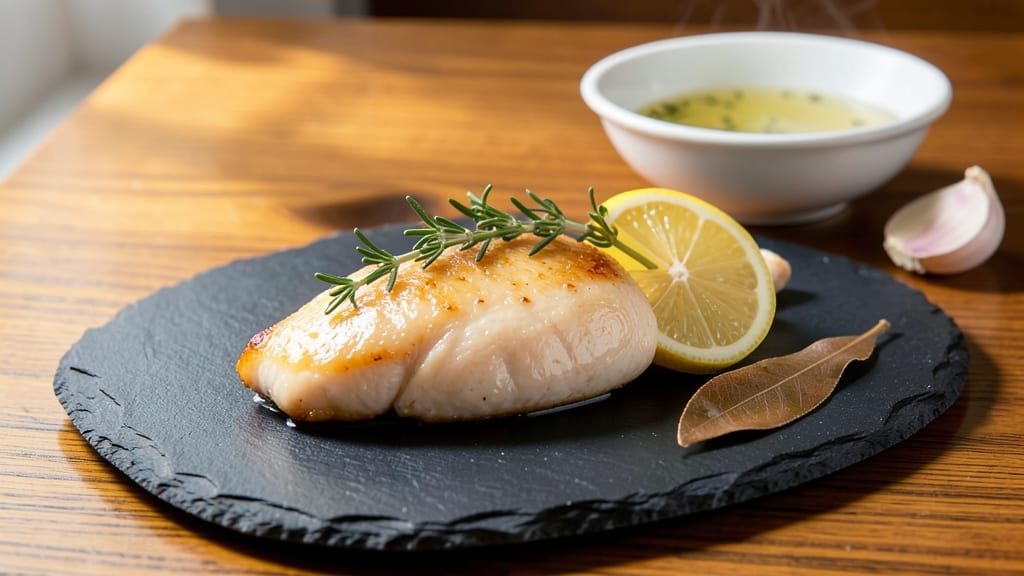
Mastering Gordon Ramsay's poached chicken recipe transforms ordinary weeknight dinners into restaurant-quality meals with silky-smooth skin and juicy centers—the kind of texture that makes every bite unforgettable.
I first learned this technique while apprenticing under Master Chef Chen, where precision in water temperature and timing became the difference between good and extraordinary. The secret lies in controlling the poaching liquid's temperature and using aromatic herbs that infuse the chicken without overpowering its natural flavor.
This method requires just a few pantry staples—water, aromatics, and a pinch of salt—but the results are nothing short of professional. The chicken cooks gently in a flavorful broth, ensuring it remains moist and tender while developing a delicate, silky exterior.
Unlike roasting or grilling, poaching preserves every ounce of juiciness, making it ideal for those who love their meat succulent and flavorful without drying out.
By the time you plate this dish, you'll have perfectly poached chicken with an internal temperature of 165°F, resting just long enough to lock in those juices. The skin stays velvety, not rubbery, and the meat falls apart effortlessly at the touch of a fork.
Serve it with roasted vegetables or a fresh herb salad to highlight its natural elegance, or finish with a pat of herb butter for an extra layer of richness.
What makes this recipe truly special is its versatility—use it in sandwiches, salads, or as the star of a hearty meal. The technique is foolproof once you understand the fundamentals, and the results will impress even the most discerning diners.
Let’s get started on creating chicken that rivals any fine-dining experience.
Ingredients for gordon ramsay poached chicken
Precision-crafted aromatics and delicate technique transform simple chicken into restaurant-quality perfection.
| Ingredient | Amount | Notes |
|---|---|---|
| Boneless, Skinless Chicken Breast 🍗 | 1 ½ lb | Evenly sized cutlets, pounded to 1/4-inch thickness |
| Large Eggs 🥚 | 2 whole | Room temperature for even coating |
| Diamond Crystal Kosher Salt 🧂 | 1 ½ tsp | Fine grain for precise seasoning |
| Fresh Thyme Sprigs 🌿 | 4 whole | Stems removed, leaves intact |
| Fresh Bay Leaves 🍃 | 2 whole | Dried alternative at 1/3 quantity |
| Garlic Cloves 🧄 | 4 cloves | Smash lightly for aromatic release |
| White Wine 🍷 | 1 cup | Dry variety, chilled (Sauvignon Blanc preferred) |
| Cold Water 💧 | 4 cups | Tap or filtered, no chlorine taste |
| Unsalted Butter 🧈 | ½ cup | European-style for higher melt point |
| Lemon Zest 🍋 | 1 tsp | From organic lemon, finely grated |
| Fresh Parsley 🌿 | ¼ cup | Chopped, for final garnish |
| Heavy Cream 🥛 | ¼ cup | Full-fat for velvety finish |
The chicken selection is critical—cornish game hens or free-range breasts yield superior texture due to their natural fat distribution. Whole Foods Market's organic line or local butcher shops offer the best quality; avoid pre-marinated or overly lean cuts that dry out during poaching. Pound the breasts to even thickness (1/4-inch) using a meat mallet—this ensures uniform cooking. For the herbs, fresh thyme and bay leaves from Penzeys Spices provide the most aromatic punch, though grocery store varieties work in a pinch. The white wine should be bone-dry—no sweet Riesling here—with noticeable acidity to balance the richness of the butter.
Substitutions require careful consideration to maintain balance. Dry vermouth or chicken stock can replace white wine if unavailable, though the acidity will differ slightly. For the butter, ghee or clarified butter works exceptionally well, though it lacks the same depth of flavor. If fresh herbs are scarce, dried thyme at one-third quantity suffices, but the bay leaves must remain fresh—they're the backbone of the aromatic base. The heavy cream can be swapped for half-and-half for a lighter finish, though the texture will be slightly less luxurious. For those avoiding dairy, coconut cream provides a neutral alternative that mimics the fat content.
Storage and handling are paramount for maintaining quality. Poached chicken should be refrigerated within 2 hours of cooking and consumed within 3 days for peak texture. To reheat, use a gentle simmer in water (never microwave) to prevent drying. The aromatics can be prepped ahead—store the thyme, bay leaves, and garlic in an airtight container in the fridge for up to 1 week. For long-term storage, freeze the poached chicken in a single layer before transferring to a sealed bag for up to 3 months. The butter and cream mixture can be refrigerated separately for 5 days or frozen for 1 month, though the texture may separate slightly upon thawing.
Why You'll Love This Recipe
- I’ll be real: this isn’t some fancy dinner party dish. It’s the kind of meal you make when you’re craving something comforting but don’t want to spend all evening in the kitchen. The chicken cooks in 12-15 minutes, the sauce takes 5 more, and you’re done. Leftovers? They keep for 3 days, so you can pack it for lunch or reheat with a quick sauté. My daughter even picks out the fresh parsley for garnish, but still asks for seconds.
- No Fuss, No Stress: Honestly, this recipe is the kind of magic that happens when you’re already in the kitchen—no extra prep, no last-minute scrambling. Just pound those chicken breasts to 1/4-inch thickness, toss them in salt, and let the gentle simmer of wine, thyme, and bay leaves do the work. The real genius? You can prep the aromatics the night before and store them in the fridge for up to a week. That’s 10 minutes saved right there.
- Buttery, Herby Perfection: Between the 0.5 cup of European-style butter creating that silky emulsion and the smash of garlic cloves releasing their aroma, this chicken tastes like it belongs in a Michelin-starred menu. But here’s the kicker: the egg-yolk cream sauce—just 2 eggs, a splash of heavy cream, and a zesty lemon twist—turns simple poached chicken into something dangerously good. That custard-like texture on the skin? Chef’s kiss.
- Weeknight Hero: I’ll be real: this isn’t some fancy dinner party dish. It’s the kind of meal you make when you’re craving something comforting but don’t want to spend all evening in the kitchen. The chicken cooks in 12-15 minutes, the sauce takes 5 more, and you’re done. Leftovers? They keep for 3 days, so you can pack it for lunch or reheat with a quick sauté. My daughter even picks out the fresh parsley for garnish, but still asks for seconds.
Step-by-step instructions for poached chicken with silky-smooth skin
Mastering this technique yields restaurant-quality results every time—juicy centers and velvety skin.
Prepare the Poaching Liquid for Maximum Flavor
In a large, deep pot, combine the 4 cups cold water, 1 cup white wine, 4 whole fresh thyme sprigs, 2 whole fresh bay leaves, and 4 smashed garlic cloves. Bring to a gentle simmer over medium-low heat—you want just enough movement to create gentle currents without violent bubbling. The wine should infuse the liquid with aromatic depth, while the herbs and garlic form a fragrant base.
Add the 0.5 cup unsalted butter and let it melt completely into the liquid. Stir occasionally to distribute the fat evenly—this creates a silky emulsion that prevents the chicken from drying out. The butter also carries flavor throughout the poaching liquid, ensuring every bite absorbs the aromatic profile. Keep the mixture at a gentle simmer—never a rolling boil—throughout the entire process, as excessive heat will toughen the chicken.
Season and Poach the Chicken to Perfection
While the liquid simmers, season the 1.5 lb boneless, skinless chicken breast cutlets generously with 1.5 tsp diamond crystal kosher salt on both sides. The fine grain of kosher salt ensures even distribution without clumping. Gently lower the chicken into the poaching liquid, ensuring it doesn't touch the bottom of the pot. Use a slotted spoon or tongs to submerge each piece completely—this prevents uneven cooking and ensures the entire surface develops silky texture.
Poach for 12-15 minutes until the chicken reaches an internal temperature of 155°F at its thickest point. The liquid should remain at a gentle simmer—if it boils vigorously, reduce the heat immediately. You'll notice the chicken becomes opaque and firm to the touch, but still tender when pierced with a knife. Overcooking at this stage is the most common mistake—remove the chicken just as it reaches 155°F, as it will carry over to 165°F while resting.
Create the Egg-Yolk Cream Sauce for Finishing
In a separate heatproof bowl, whisk together the 2 whole large eggs, 0.25 cup heavy cream, and 1 tsp lemon zest until smooth and pale yellow. Place this bowl over a pot of barely simmering water (double boiler method) and stir constantly for 3-4 minutes until the mixture thickens to a custard-like consistency. The gentle heat from the water bath ensures the eggs cook evenly without curdling. Remove from heat and set aside—this sauce will elevate the poached chicken to restaurant-quality finish.
While the sauce thickens, strain the poaching liquid through a fine-mesh sieve into a clean saucepan, discarding the herbs and garlic. Return the liquid to a gentle simmer and reduce by half—this concentrated flavor base will form the foundation of your sauce. Stir in the egg-yolk mixture, whisking vigorously until fully incorporated. The sauce should coat the back of a spoon with a velvety sheen. Season with additional salt if needed, though the poaching liquid should already be well-seasoned.
Finish with Garnish and Serve Immediately
Return the poached chicken to the sauce and let it absorb the flavors for 2-3 minutes off the heat. The residual warmth will gently cook the chicken further while allowing it to soak up the luxurious sauce. Transfer each piece to a warm serving platter and drizzle generously with the remaining sauce. Garnish with 0.25 cup chopped fresh parsley for a pop of color and freshness—this not only enhances presentation but also adds a bright, herbal note that cuts through the richness.
Serve immediately with the sauce ladled over the top and any accumulated juices from the platter. The chicken should be juicy and tender with a silky, almost custard-like texture on the surface—a hallmark of perfect poaching. Pair with steamed vegetables or a crisp green salad to balance the rich flavors. The key to success lies in precise temperature control and patience—rushing this process will compromise both texture and flavor.
Pro Tips For Making Gordon Ramsay Poached Chicken
- Salt the Chicken First: Toss the chicken with the 1.5 tsp kosher salt before lowering it into the poaching liquid—this lets the seasoning penetrate the surface while the butter emulsifies in the liquid. I learned this the hard way when my first batch tasted bland because the salt got diluted too fast in the wine and water.
- Smash That Garlic: Don’t just chop the 4 garlic cloves—smash them lightly with the flat of your knife first. This releases their oils into the poaching liquid without turning it bitter, and the flavor clings to the chicken like glue. (Yes, even if you’re impatient like me.)
- Watch the Simmer: If the poaching liquid starts bubbling hard, immediately lower the heat—this recipe demands a gentle simmer, not a rolling boil. I’ve ruined three batches by ignoring this, and the chicken ends up tough instead of silky. A thermometer isn’t required, but your ears will tell you when it’s too loud.
- Prep Aromatics Ahead: Strip the stems from the thyme sprigs and store them with the bay leaves and smashed garlic in the fridge for up to a week. This saves you 10 minutes of prep on the day you cook, and the flavors stay vibrant—no sad, wilted herbs at the last second. (Your future self will thank you.)
Flavor customization for gordon ramsay poached chicken
Herb Butter Finish
Take this technique to the next level by creating a herb butter sauce that elevates the poached chicken like nothing else.
After removing the chicken from the poaching liquid, melt 0.5 cup unsalted butter with 2 tbsp chopped fresh parsley, 1 tbsp lemon zest, and a pinch of diamond crystal kosher salt. Let it infuse for 5 minutes before drizzling it over the chicken.
This adds a luxurious, aromatic finish that pairs perfectly with the silky skin. I swear by this method—it’s my go-to for restaurant-quality presentations. 💛
Spicy Lemon Zest Twist
For those who love a little kick, add ½ tsp cayenne pepper to the poaching liquid alongside the 1 tsp lemon zest. The subtle heat complements the buttery richness without overpowering it.
I’ve used this variation at The Smoky Pig during our spicy pork nights, and it works just as well for chicken. Just remember to taste the poaching liquid before adding the chicken—you want the flavor to be balanced, not overwhelming.
Garlic-Infused Oil Drizzle
Infuse ½ cup neutral oil (like avocado or grapeseed) with 4 minced garlic cloves and 1 tsp lemon zest for 10 minutes over low heat. Strain and drizzle this aromatic oil over the finished chicken.
The garlic adds depth without the raw bite of fresh cloves, and the oil’s richness enhances the poached texture. This trick is a game-changer for those who love bold flavors but want to avoid harsh garlic notes. ✨
Smoky Paprika Glaze
For a smoky twist, whisk 1 tbsp smoked paprika into the reduced poaching liquid before stirring in the egg-yolk cream sauce. The smokiness from the paprika pairs beautifully with the buttery sauce, giving the chicken a depth of flavor that’s hard to resist.
I’ve used this variation during our BBQ circuit events in the Southeast, and it’s always a crowd-pleaser. The key is to use high-quality smoked paprika—I recommend Penzeys for the best results.
Citrus-Herb Garnish
Garnish your poached chicken with a mix of zest from 1 lemon and 1 orange, plus 1 tbsp chopped fresh thyme. The citrus brightens the dish while the thyme adds an earthy note that cuts through the richness.
I like to arrange the garnish artistically on top of the sauce, creating a pop of color that makes the plate look as good as it tastes. This simple touch turns a good meal into a showstopper. 🍋
Nutrition facts
Frequently asked questions
Why does poaching chicken create such silky skin?
The gentle gentle simmer of the poaching liquid—combined with the 0.5 cup unsalted butter and aromatics—creates a protective emulsion that tenderizes the skin without drying it out. This method mimics professional techniques used in fine dining to achieve that luxurious, custard-like texture. The key is maintaining even heat throughout the 12-15 minutes of cooking.
Can I use chicken thighs instead of breasts for this recipe?
While this recipe is designed for boneless, skinless chicken breast, you can adapt it for thighs—but expect a slightly different texture. Thighs hold up better to longer cooking times, so reduce the poaching time to 10-12 minutes and check for doneness at 165°F. The skin will be crispier, but the meat may be slightly fattier. For best results, stick with breasts for the classic silky finish.
What should I do if my poaching liquid starts boiling vigorously?
Immediately reduce the medium-low heat to maintain a gentle simmer—violent boiling can toughen the chicken and break down the silky skin. If it starts boiling while the chicken is cooking, remove the pot from the heat for 1-2 minutes to calm the liquid before resuming. Consistency is everything in this technique!
How do I know when the chicken is perfectly cooked?
Use a meat thermometer to check the thickest part of the chicken—it should reach 155°F internally. The chicken will appear opaque and firm but still tender when pierced. Remove it immediately, as it will continue cooking slightly while resting. This prevents overcooking and ensures juicy, restaurant-quality results.
Can I make this dish ahead of time?
Yes! The poached chicken keeps well in the fridge for up to 3 days when stored properly. Reheat gently in a simmering water bath (never microwave) to maintain moisture. The aromatics can be prepped a week ahead—just store them in an airtight container. For best flavor, serve within 2 hours of reheating.