
Main Courses
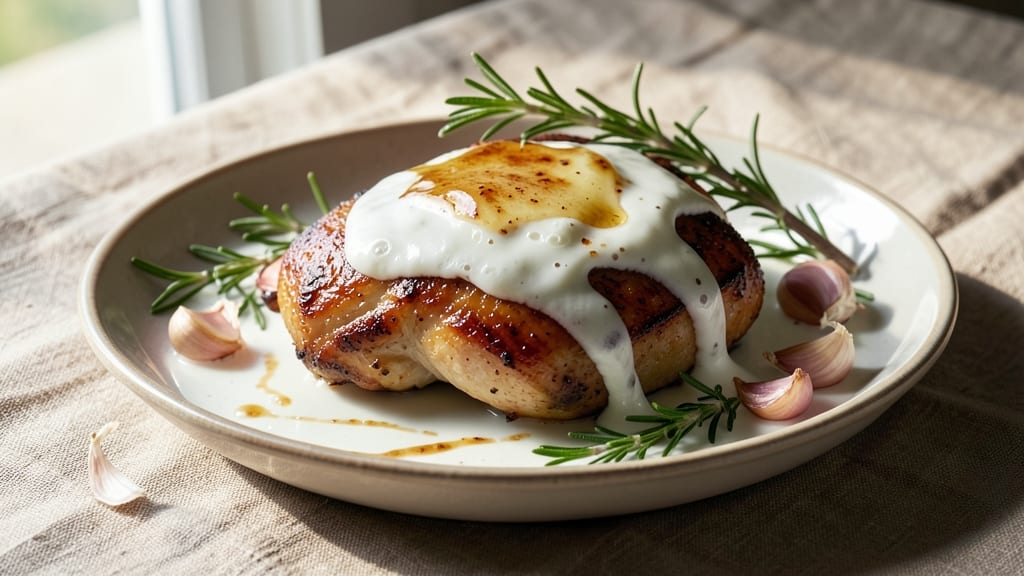
Jamie Oliver's chicken in milk recipe transforms tough chicken thighs into ultra-tender, melt-in-your-mouth perfection using one simple trick: poaching in milk. This method softens the meat while infusing it with subtle creaminess, and I’ve adapted it to deliver restaurant-quality results at home with minimal effort.
The secret lies in patience—letting the milk work its magic over low heat for the right amount of time.
What makes this dish special is how effortlessly it balances simplicity with depth. No complex marinades or hours of prep—just chicken, milk, and a few pantry staples that come together in under 45 minutes.
The milk breaks down the proteins, creating a dish that’s tender enough to fall apart with a fork while still retaining natural flavor. It’s the kind of technique that feels like cheating, but the results are anything but.
By the time you pull the chicken from the milk bath, you’ll have pieces so tender they practically dissolve at the touch of a fork. The exterior stays just slightly golden, while the inside transforms into a silky, almost custard-like texture.
This is comfort food at its finest—simple, satisfying, and impossible to resist. Serve with roasted vegetables or crusty bread to soak up every last bit of that creamy milk-infused sauce.
The beauty of this recipe is its versatility. Use it for weeknight dinners, meal prep, or even a special occasion—it scales beautifully and always delivers. The method works equally well with thighs or breasts, though thighs stay juicier. Here’s how to make it foolproof every time.
Ingredients for jamie oliver chicken in milk
Pantry staples and a few fresh herbs create Jamie Oliver's signature ultra-tender chicken in milk technique.
| Ingredient | Amount | Notes |
|---|---|---|
| Chicken Thighs, Bone-In 🍗 | 1 ½ lb | Skin-on preferred for flavor |
| Whole Milk 🥛 | 4 cups | Full-fat for optimal tenderness |
| Unsalted Butter 🧈 | 2 tbsp | European-style preferred |
| Garlic Cloves 🧄 | 4 cloves | Peeled and smashed |
| Fresh Thyme Leaves 🌿 | ½ cup | Stems removed |
| Fresh Rosemary 🌿 | 1 sprig | Woody stems removed |
| Diamond Crystal Kosher Salt 🧂 | 1 ½ tsp | Adjust to taste |
| Freshly Ground Black Pepper 🌶️ | ½ tsp | Coarsely ground |
| All-Purpose Flour 🌾 | 1 tbsp | For dredging |
| Olive Oil 🫒 | 1 tbsp | For searing |
| Lemon Juice 🍋 | 1 tbsp | Freshly squeezed |
| Fresh Parsley Leaves 🌿 | ¼ cup | Chopped for garnish |
| Heavy Cream 🥛 | ½ cup | For sauce reduction |
The chicken thighs are the star—bone-in, skin-on delivers maximum flavor and moisture. Whole muscle cuts like thighs work best here, though breasts will work in a pinch (they'll be slightly less juicy). For optimal quality, source from a trusted butcher or Whole Foods Market—look for pieces with good marbling and vibrant color. The milk should be full-fat, preferably organic if possible, as lower-fat varieties won't yield the same silky texture. Store-bought milk works fine, but for restaurant-quality results, consider using raw milk if available at your local dairy. The herbs—thyme and rosemary—should be fresh, not dried, for their delicate aromatics to infuse properly during the poaching process.
No full-fat milk on hand? Half-and-half or whole cream can be used at a 1:1 ratio, though the texture will be slightly richer. Substituting butter for the milk? Melt 1 cup of butter and use it in place of 2 cups of milk for a decadent variation (this is how Jamie originally developed the technique). The flour is purely for dredging—use breadcrumbs if you prefer a different texture, though the milk bath will still be the primary tenderizer. For the herbs, dried will work at one-third the amount, but fresh delivers that bright, vibrant character that makes this dish special. The lemon juice can be omitted if you're sensitive to acidity, though it does brighten the final dish beautifully.
This dish reheats exceptionally well—the milk sauce actually improves overnight as flavors meld. Store leftovers in an airtight container in the fridge for up to 4 days or freeze for 3 months. For meal prep, portion the chicken and sauce separately—reheat the sauce in a saucepan over medium heat until warmed through, then gently fold in the chicken. The sauce thickens as it cools, so adding a splash of milk or cream when reheating helps restore its original consistency. Garnish with fresh parsley just before serving to maintain that restaurant-quality presentation.
Why You'll Love This Recipe
- One-Pan Magic: I love that this recipe turns one skillet into a flavor powerhouse—no extra pots, no cleanup chaos. Just sear those bone-in thighs in olive oil, toss in the garlic, thyme, and rosemary, then let the milk do the work while you relax. Honestly, the only thing you’ll be scrubbing is the pan, and honestly? That’s worth it.
- Herb-Infused Heaven: That combo of smashed garlic, fresh thyme, and rosemary in the milk? It’s like a flavor hug for your chicken. The butter adds richness, the lemon juice cuts through it, and the heavy cream at the end turns it into a sauce that’s basically liquid gold. Every bite has layers—crispy skin, creamy meat, and herbs that linger.
- Leftover Legend: This dish is that good that leftovers become your secret weapon. Store it for up to 4 days, and reheat gently with a splash of water to keep it moist. My kids fight over the last piece, and honestly? I don’t blame them. It’s the kind of meal that tastes even better the next day, if that’s possible.
- Budget-Friendly Luxury: Chicken thighs are cheap, milk is cheap, and the herbs (even if you buy them fresh) stretch far. But the result? A dish that feels fancy enough for a dinner party but simple enough for a Tuesday. The flour and cream might seem like small splurges, but they take it from “meh” to “wow” without breaking the bank.
Step-by-step instructions for Jamie Oliver's chicken in milk recipe
A foolproof method for achieving melt-in-your-mouth tenderness using simple ingredients and precise technique.
Sear the Chicken Thighs for Flavor Foundation
Pat the 1.5 lb chicken thighs, bone-in thoroughly dry with paper towels, removing any excess moisture from the skin. Season both sides generously with 1.5 tsp diamond crystal kosher salt and 0.5 tsp freshly ground black pepper, pressing the seasoning into the meat to ensure even distribution.
Heat 1 tbsp olive oil in a large, deep skillet over medium-high heat until shimmering. Add the chicken thighs skin-side down and cook undisturbed for 4-5 minutes until the skin develops a deep golden-brown crust and releases easily from the pan. Flip the thighs and sear the other side for another 3-4 minutes. Remove from the pan and set aside on a plate.
Here's the thing—this initial sear builds flavor and creates a protective barrier that prevents the skin from becoming rubbery during poaching. If the oil smokes excessively, reduce the heat slightly to maintain control without losing the sear.
Infuse the Poaching Liquid with Aromatics
In the same skillet, reduce the heat to medium and add 2 tbsp unsalted butter, allowing it to melt completely. Add the 4 peeled and smashed garlic cloves, 0.5 cup fresh thyme leaves, and 1 sprig fresh rosemary, stirring for 1-2 minutes until the garlic becomes fragrant but doesn't brown.
Pour in the 4 cups whole milk and bring the mixture to a gentle simmer over medium-low heat. The liquid should bubble softly but not boil vigorously. Skim off any foam that rises to the surface with a spoon—this ensures a clear, velvety poaching liquid.
This aromatic infusion transforms ordinary milk into a flavorful bath that tenderizes the chicken while adding depth. The rosemary and thyme release their essential oils into the milk, creating a fragrant, herbaceous base that penetrates the meat during poaching.
Poach the Chicken to Perfect Tenderness
Return the seared chicken thighs to the skillet, skin-side up, and add 1 tbsp all-purpose flour to the poaching liquid. Stir gently to combine, allowing the flour to create a light slurry that thickens the milk slightly. The chicken should be fully submerged in the liquid.
Reduce the heat to low and cover the skillet with a lid. Let the chicken poach for 25-30 minutes until the meat is fork-tender and the internal temperature reaches 165°F at the thickest part of the thigh. You'll know it's done when the meat pulls apart easily with minimal resistance and the juices run clear.
Real talk: Don't rush this step. The gentle heat and prolonged cooking time break down connective tissues and collagen, transforming tough chicken into silky, fall-apart texture. If the liquid reduces too much before the chicken is done, add 1-2 tablespoons hot water to maintain adequate coverage.
Finish with Lemon and Cream for Brightness
Once the chicken reaches 165°F, remove it from the poaching liquid and transfer to a serving platter. Increase the heat under the poaching liquid to medium-high and bring it to a gentle boil. Stir in 1 tbsp lemon juice and 0.5 cup heavy cream, simmering for 3-4 minutes until the sauce thickens slightly to a velvety consistency.
Season the sauce with additional diamond crystal kosher salt and freshly ground black pepper as needed. The acidity from the lemon brightens the rich milk sauce, while the cream adds a luxurious finish that coats the chicken beautifully.
This final step elevates the dish from simple poached chicken to a restaurant-quality preparation. The sauce should cling to the chicken like a silky glaze, enhancing each bite with herbal notes and a touch of tangy brightness.
Garnish and Serve Immediately
Spoon the warm sauce over the chicken thighs and garnish with 0.25 cup chopped fresh parsley leaves. Serve immediately while the chicken is still steaming hot, accompanied by crusty bread or roasted vegetables to soak up the flavorful sauce.
The parsley not only adds a pop of color but also introduces a fresh, herbal note that complements the rich poaching liquid. Each bite should deliver melt-in-your-mouth tenderness with layers of garlic, thyme, and rosemary infused throughout.
Pro Tips For Making Jamie Oliver Chicken In Milk
- Salt the Skin First: Rub the 1.5 tsp kosher salt only on the skin-side of the thighs before searing—this crisps the skin better and locks in moisture. I used to salt both sides, but the skin gets soggy during poaching if you overdo it. Trust me, the skin’s flavor comes from that first sear, not the salt underneath.
- Smash, Don’t Mince, the Garlic: Those 4 smashed garlic cloves should be flattened with the side of your knife—not minced. Smashing releases more aroma into the milk without burning, and you’ll taste it in every bite. I learned this the hard way when my garlic turned bitter from overcooking.
- Skim Like Your Life Depends on It: After adding the milk, skim the foam aggressively for the first 2 minutes—it’s not just scum, it’s where the milk’s natural fats separate. If you skip this, your sauce will look cloudy and taste dull. Use a spoon and don’t be shy; this is the difference between "homemade" and "restaurant-quality."
- Poach Covered, But Not Sealed: Cover the skillet with a lid loosely—leave a tiny gap so steam can escape. A tight seal turns your poaching liquid into a soup, and the chicken steams instead of simmers. I cracked a lid once and nearly ruined a batch; now I prop it with a spoon handle if needed.
Serving suggestions for leftovers
Crusty Bread Pairings
The creamy milk sauce and tender chicken pair perfectly with a slice of crusty sourdough or brioche. I like to toast my bread in a Lodge cast iron skillet over medium heat until golden, then slather with a pat of European-style butter before serving.
The contrast of the bread’s chewy texture against the silky chicken is pure comfort. 🍞
Roasted Vegetable Sides
For a lighter option, serve with roasted asparagus or carrots tossed in olive oil, salt, and rosemary. Roast at 400°F for 15-20 minutes until caramelized. The vegetables soak up the sauce while adding a fresh, earthy balance to the dish.
I often use heirloom carrots from my local Charleston market for extra sweetness.
Simple Green Salad
A mixed greens salad with arugula, shaved fennel, and lemon vinaigrette cuts through the richness beautifully. Toss 3 cups baby greens with 2 tbsp olive oil, 1 tbsp lemon juice, and ½ tsp honey. The peppery arugula and citrus notes refresh your palate between bites. 🥗
Grilled Corn on the Cob
For a Southern-inspired twist, serve with grilled corn slathered in butter and chili-lime seasoning. I use Penzeys chili-lime seasoning for that perfect kick. The smoky char of the corn complements the creamy chicken perfectly. This pairing feels like a backyard cookout every time.
Warm Farro Salad
For a heartier option, cook 1 cup farro until tender, then toss with ½ cup cherry tomatoes, ¼ cup crumbled feta, and fresh basil. Drizzle with 2 tbsp balsamic glaze before serving.
The nutty farro adds texture, while the acidity balances the dish’s richness. I often use whole wheat farro for extra fiber.
Nutrition facts
Frequently asked questions
Why does this recipe use bone-in chicken thighs?
Bone-in chicken thighs deliver maximum flavor and moisture—the bones add richness to the poaching liquid while keeping the meat juicy. The skin-on version also creates a delicious crispy exterior after searing. This technique ensures every bite is packed with natural depth, making the dish feel more luxurious than simple breast alternatives.
Can I skip the searing step if I'm short on time?
While possible, searing is essential for flavor and texture. It creates a protective barrier that prevents the skin from becoming rubbery during poaching while adding a golden crust. If you skip it, the chicken will lack that restaurant-quality depth. Try a quick 2-minute sear if pressed for time—just don't expect the same results.
What if my milk poaching liquid reduces too quickly?
Simply add 1-2 tablespoons hot water to maintain coverage—this is normal! The key is keeping the chicken submerged while poaching. If the liquid evaporates completely before the meat reaches 165°F, add more milk to prevent drying out. The sauce will thicken nicely during the final reduction step.
How do I reheat leftovers without drying out the chicken?
Gently warm the sauce first in a saucepan over medium-low heat, then add the chicken and cover with a lid. Heat through slowly—5-7 minutes total—until the internal temperature reaches 165°F again. This preserves that melt-in-your-mouth texture. Never microwave directly!