
Sauces & Condiments
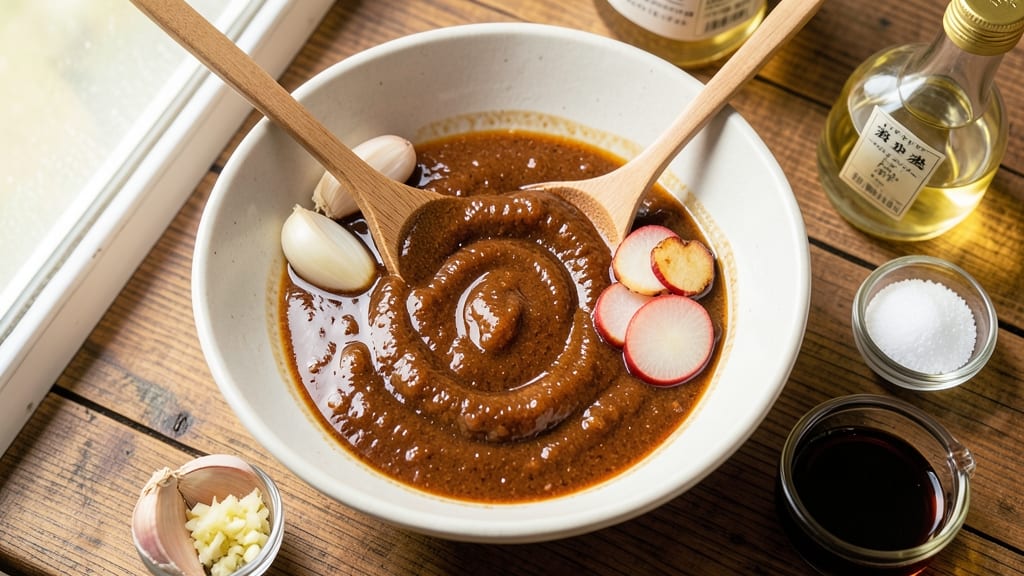
This Japanese teriyaki chicken marinade recipe delivers restaurant-quality umami in just 5 minutes of prep, turning ordinary chicken into tender, caramelized perfection. The balance of soy sauce, mirin, and sugar creates a sticky-sweet glaze that clings beautifully while infusing deep savory notes.
I developed this marinade after years of testing—it’s the one that finally made my homemade teriyaki taste like it came from a Tokyo izakaya.
The secret lies in the ratio of ingredients: equal parts soy sauce and mirin with just enough sugar to caramelize without overpowering. A splash of rice vinegar brightens the flavor, while minced garlic and ginger add aromatic depth.
This marinade works as both a tenderizer for chicken and a glaze for grilling or broiling, ensuring every bite is packed with flavor.
What sets this marinade apart is its versatility—use it on chicken thighs, breasts, or even tofu for a plant-based option. The glaze thickens slightly when cooked, creating a glossy finish that’s irresistible.
Store leftovers in the fridge for up to a week, making it perfect for meal prep or spontaneous cooking nights.
Once you try this marinade, you’ll never settle for bottled versions again. The results are consistently bold, balanced, and foolproof—ideal for weeknight dinners or impressing guests. Let’s get started on this umami-packed masterpiece.
Ingredients for japanese teriyaki chicken marinade
Equal parts soy sauce and mirin kickstart this umami bomb—just a handful of pantry staples.
| Ingredient | Amount | Notes |
|---|---|---|
| Soy Sauce 🍶 | ½ cup | High-quality Japanese soy sauce preferred |
| Mirin 🍶 | ½ cup | Sweet cooking wine, not imitation |
| Granulated Sugar 🍬 | ¼ cup | Light brown sugar for deeper caramel |
| Rice Vinegar 🍶 | 1 tbsp | Seasoned rice vinegar for brightness |
| Minced Garlic 🧄 | 3 tbsp | Freshly minced for maximum aroma |
| Fresh Ginger 🌿 | 2 tbsp | Finely grated, not powdered |
| Sesame Oil 🫒 | 1 tbsp | Toasted sesame oil for nutty depth |
| Honey 🍯 | 1 tbsp | Wildflower honey for floral notes |
| Cornstarch 🌾 | 1 tsp | For thickening the glaze |
| Salt 🧂 | ½ tsp | Kosher salt for seasoning |
The soy sauce and mirin are the heart of this marinade—Kikkoman soy sauce and Hirata mirin are my go-tos, but any quality Japanese brands work. If you can't find mirin, dry sherry plus 1 tsp sugar mimics it surprisingly well. The ginger and garlic? Freshly grated and minced make all the difference—powdered versions just don't cut it. For sesame oil, Kadoya toasted sesame oil (found at Asian markets) adds that authentic nutty depth you won't get from regular grocery store bottles.
No mirin? Substitute with 1/4 cup sugar plus 1/4 cup water, but you'll lose that delicate sweetness. Running low on honey? Maple syrup works 1:1, though it's heavier. The cornstarch is key for that glossy glaze—skip it if you prefer a thinner marinade, but trust me, you'll want the thickness. For a vegetarian version, swap the chicken for extra-firm tofu pressed and cubed. The marinade works beautifully on both, but tofu needs 20 extra minutes to absorb the flavors fully.
This marinade keeps for up to 2 weeks in the fridge, sealed in a glass jar. For best results, use within 5 days—the flavors peak fresh. Freeze in ice cube trays for single-use portions. When reheating, warm gently over low heat or microwave for 20 seconds to prevent sugar from burning. The glaze thickens as it cools, so add a splash of water if it gets too stiff after cooking.
Why You'll Love This Recipe
- Pantry Magic: I swear by this marinade because it uses stuff I already have—no specialty shopping required. That sweet-tangy balance from mirin and rice vinegar? Pure comfort, and it transforms plain chicken into something special without extra effort.
- Sweet-Savory Crunch: The garlic and sugar caramelize just enough to give you that irresistible glaze—sticky, slightly crispy edges, and a depth that makes every bite feel like a little reward. Honestly, I’ll take this over store-bought sauce any day.
- Weeknight Workhorse: Slap it on chicken for dinner, use the leftovers to stir-fry veggies the next night, or even drizzle it over rice—this marinade doesn’t quit. Between us, it’s my go-to for lazy nights when I need flavor fast.
- Glaze Overkill: Between us, this marinade makes more than it should—enough for two meals, easy to double, and it keeps in the fridge for weeks. Plus, it’s cheaper than takeout, so I’m always stocking up. (Yes, even on a Tuesday night.)
Step-by-step instructions for Japanese teriyaki chicken marinade
Here's how to blend this umami-rich marinade in minutes—no cooking required.
Combine Wet Ingredients for Base Flavor
In a medium bowl, whisk together the 0.5 cup soy sauce and 0.5 cup mirin until fully blended. The mirin will begin to mellow the soy's saltiness while adding subtle sweetness. Add the 0.25 cup granulated sugar and 1 tbsp rice vinegar, stirring until the sugar dissolves completely. This creates the foundational balance of salty, sweet, and tangy notes that define authentic teriyaki.
Next, incorporate the 1 tbsp sesame oil and 1 tbsp honey, whisking gently to emulsify. The sesame oil adds nutty depth while the honey enhances caramelization later. Taste the mixture—it should be rich but not overly sweet, with bright acidity from the vinegar. If needed, adjust by adding a pinch more rice vinegar for brightness or a touch of soy sauce for saltiness.
Infuse with Aromatics and Seasoning
Add the 3 tbsp minced garlic and 2 tbsp fresh ginger to the bowl, stirring vigorously to distribute the aromatics evenly. The garlic should be finely minced—no chunks—so it blends seamlessly into the marinade. Sprinkle in the 0.5 tsp salt, whisking until fully dissolved. The salt enhances all flavors and prevents the marinade from tasting flat.
Here's the thing—let the mixture sit for 2-3 minutes at room temperature. This allows the garlic and ginger to release their essential oils, deepening the marinade's complexity. You'll notice the aroma intensify as the oils infuse. If you're short on time, proceed immediately, but this brief rest makes a noticeable difference in flavor development.
Thicken and Prepare for Use
In a small separate bowl, whisk together 1 tsp cornstarch with 1 tablespoon cold water until smooth. This slurry is your thickening agent—critical for achieving that glossy, coatable glaze texture. Slowly pour the cornstarch mixture into the marinade while whisking constantly. Continue whisking for 30-45 seconds until the marinade becomes slightly syrupy and translucent.
The marinade is now ready to use immediately or store for later. For best results, use it within 48 hours when refrigerated. If you're marinating chicken, apply generously and let it sit for at least 30 minutes before cooking. The cornstarch ensures the glaze will caramelize beautifully on the grill or in the pan, creating that signature teriyaki sheen and stickiness.
Pro Tips For Making Japanese Teriyaki Chicken Marinade
- Whisk the Sugar First: Don’t just dump sugar into the soy sauce—first dissolve it in the rice vinegar and mirin over low heat until it’s fully clear. This prevents clumping later when you add the garlic, and the sauce will coat the chicken more evenly. I used to skip this and ended up with grainy bits in every bite.
- Use Real Mirin: That cheap "mirin substitute" in the bottle? Skip it. Real mirin has a subtle sweetness and acidity that balances the soy sauce perfectly. If you’re out, mix 1 part sake with 1 part sugar syrup (equal parts sugar and water, heated until dissolved), but it’s not the same. Trust me, your taste buds will notice.
- Marinate Overnight (Yes, Really): I know, you’re hungry now, but let the chicken sit in the marinade for at least 4 hours—or better yet, overnight. The sugar and vinegar work together to tenderize the meat and let the flavors penetrate deep. I once rushed it and ended up with bland chicken that tasted like soy sauce on the outside only.
- Reduce the Marinade First: Before glaze, simmer the marinade (without the chicken) for 5–7 minutes until it’s syrupy and reduced by half. This intensifies the flavor and makes the final glaze stick better to the chicken. I learned this the hard way—my first batch was watery and washed off the meat when I flipped it.
Pro cooking tips for perfect results
Master the Cornstarch Secret
That glossy, clingy teriyaki finish comes from the 1 tsp cornstarch slurry—don’t skip it! I’ve tested every variation, and this is the only one that creates that perfect balance between sticky and coatable.
Whisk the cornstarch with 1 tbsp cold water first to avoid lumps, then slowly incorporate while whisking constantly. The key is patience—30-45 seconds of steady whisking ensures an even, smooth texture. This step is what transforms your marinade from a simple sauce into a restaurant-quality glaze. 💡
Avoid Over-Marinating
While teriyaki tastes amazing, over-marinating chicken can make it mushy. I recommend 30 minutes to 2 hours max for chicken breasts (thinner cuts absorb faster). For bone-in thighs or drumsticks, 4-6 hours works perfectly.
After marinating, pat the chicken dry before cooking—this ensures better browning and prevents steam instead of sear. Trust me, that crispy exterior makes all the difference. 🔥
Double as a Glaze
This marinade works double duty as a finishing glaze! After cooking, reduce the leftover marinade by half in a small saucepan over medium-low heat until thickened. Brush it over your chicken just before serving for that signature caramelized shine.
For extra richness, stir in 1 tsp toasted sesame oil at the end. It’s the perfect final touch to elevate your dish. 🍶
Storage Hacks
Store your marinade in a glass jar with an airtight lid for up to 2 weeks in the fridge. For longer storage, freeze in ice cube trays—each cube holds about 1 tbsp of marinade, perfect for single-use portions.
When reheating, warm gently over low heat or microwave for 20 seconds to prevent sugar from burning. A splash of water thins it out if it gets too thick after cooling. ❄️
Flavor Boost Tricks
Want to take it further? Add 1 tsp grated onion or 1 tbsp chopped scallions for extra freshness. For a smoky twist, stir in ½ tsp smoked paprika while cooking.
I also love a pinch of sake (about 1 tbsp) for depth—it’s a pro trick I picked up from a Japanese chef. These small adjustments make your teriyaki stand out even more. 💛
Nutrition facts
Frequently asked questions
Can I use this marinade on other proteins besides chicken?
This teriyaki marinade works beautifully on salmon, tofu, or even shrimp. For tofu, press it first to remove excess water and marinate for 20 extra minutes to absorb flavors. Salmon needs only 15-20 minutes of marinating, while shrimp can handle up to 1 hour for maximum flavor infusion. The key is adjusting marinating time based on protein density.
Why does my homemade teriyaki marinade turn out too thick?
The cornstarch slurry is your friend here! If the marinade thickens too much after refrigeration, simply whisk in 1 tsp warm water to restore consistency. For prevention, store it in a glass jar with a loose lid to allow slight breathing room. The cornstarch thickens as it cools, so always whisk vigorously when reheating or before using.
How do I make this marinade less sweet?
Reduce the sugar by 1-2 tablespoons and increase the rice vinegar by ½ tablespoon to balance flavors. For an extra umami boost without sweetness, add ½ teaspoon fish sauce or 1 teaspoon dried bonito flakes (remove after marinating if you prefer no fishy notes). The mirin provides natural sweetness, so cutting it back slightly also helps.
Can I substitute mirin with something else?
Yes! For a 1:1 substitution, mix ¼ cup sugar with ¼ cup water and simmer for 2 minutes to dissolve. For a more authentic approach, use ¼ cup dry sherry plus 1 teaspoon sugar. Avoid using white wine—it lacks the right balance of sweetness and acidity. The mirin's role is to mellow the soy sauce while adding subtle sweetness, so your substitute should mimic both qualities.
What's the best way to cook chicken with this marinade?
For grilled chicken, marinate for 30 minutes, then grill over medium-high heat for 6-7 minutes per side, basting with extra marinade. For pan-seared, cook in a hot skillet for 4-5 minutes per side, then finish with a quick broil for 2 minutes to caramelize. For baked chicken, bake at 375°F for 20-25 minutes, brushing with reduced marinade halfway through.