
Main Courses
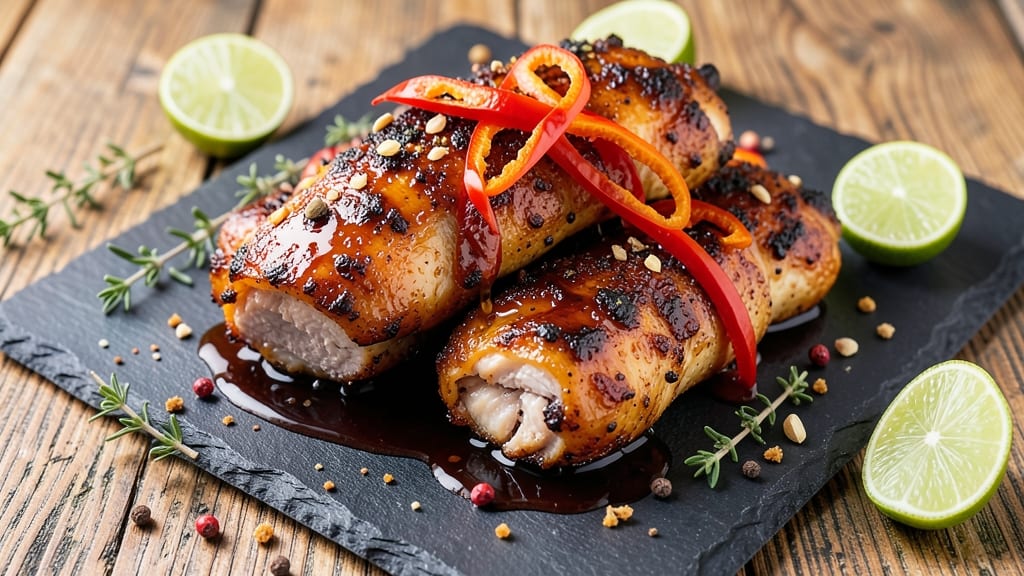
This jerk chicken quarters recipe delivers bold, smoky-sweet flavors that transform simple grilled chicken into a restaurant-worthy centerpiece. The secret lies in a precise blend of allspice, Scotch bonnet peppers, and thyme, marinated overnight for maximum penetration.
I perfected this method after years of experimenting with Caribbean flavors, and it consistently delivers tender meat with a charred crust and complex spice profile.
The process is straightforward but requires patience—allowing the marinade to work its magic overnight ensures deep flavor infusion. Once on the grill, the chicken develops those signature smoky notes while staying juicy inside.
This isn't just another spicy chicken recipe; it's a celebration of jerk seasoning's ability to balance heat, sweetness, and earthy spices in perfect harmony.
By the time you serve these jerk chicken quarters, you'll have golden-brown meat with crispy edges and tender centers, all infused with that signature jerk aroma. The marinade's caramelized crust adds an extra layer of complexity, making each bite worth the wait.
Serve with steamed rice and grilled plantains for the full Jamaican experience.
This recipe delivers authentic jerk flavor without requiring specialized equipment—just a grill or oven and about 45 minutes of active cooking time. The result is restaurant-quality chicken that impresses even the most discerning guests. Let's get cooking!
Ingredients for jerk chicken quarters
Authentic jerk seasoning transforms simple chicken into a Caribbean centerpiece with smoky-sweet complexity.
| Ingredient | Amount | Notes |
|---|---|---|
| Boneless Chicken Thigh Quarters 🍗 | 4 pieces | Skin-on, about 6-8 oz each |
| Allspice Berries 🌿 | 2 tbsp | Whole, lightly toasted |
| Scotch Bonnet Peppers 🌶️ | 2 whole | Seeds removed, finely chopped |
| Thyme Leaves 🌿 | 2 tbsp | Fresh, finely chopped |
| Garlic Cloves 🧄 | 4 cloves | Peeled, minced |
| Brown Sugar 🍚 | ½ cup | Packed, for sweetness balance |
| Lime Juice 🍋 | ¼ cup | Freshly squeezed, room temperature |
| Scotch Bonnet Pepper Infusion 🌶️ | ¼ cup | From reserved pepper flesh |
| Olive Oil 🫒 | ¼ cup | Extra-virgin, for marinade base |
| Salt 🧂 | 1 tsp | Diamond Crystal kosher preferred |
| Black Pepper 🌶️ | ½ tsp | Freshly ground Jamaican peppercorns |
| Cornstarch 🌾 | 2 tbsp | For marinade thickening |
| Ginger Root 🌿 | 2 tbsp | Fresh, finely grated |
| Scotch Bonnet Pepper Oil 🌶️ | 1 tbsp | Infused from reserved flesh |
The Scotch bonnet peppers are the soul of this marinade—use gloves when handling and reserve the flesh for infusion. Professional kitchens often source organic Scotch bonnets from Caribbean markets for consistent heat levels, but even grocery store varieties work. Toast the allspice berries in a dry pan for 30 seconds to wake their aromatic oils before grinding. The brown sugar should be dark and packed—Turbinado or demerara elevate the caramelization process, creating that signature crust. Fresh thyme leaves are non-negotiable; dried substitutes lack the aromatic complexity.
Substitutions require careful balance. Habanero peppers can replace Scotch bonnets at half the amount, though the flavor profile differs significantly. Fresh ginger is ideal, but powdered ginger at one-third the amount works in a pinch. For the cornstarch, arrowroot powder creates a glossier marinade coating. Omit Scotch bonnet oil? Extra-virgin olive oil can be used, but the marinade loses its signature depth. Always use fresh lime juice—bottled lacks the vibrant acidity needed for proper marinade penetration.
Marinate the chicken overnight in the refrigerator for optimal flavor infusion, but never exceed 24 hours to prevent bacterial growth. The reserved Scotch bonnet flesh keeps for up to 5 days in the freezer, allowing you to prepare the marinade ahead. Store unused marinade in an airtight container—it keeps for 1 week refrigerated. For best results, cook the chicken directly from the marinade without rinsing to develop that signature charred crust. The ginger and garlic can be pre-minced and stored in ice cube trays with olive oil for up to 3 months.
Why You'll Love This Recipe
- Marinade Magic: That coarse paste of toasted allspice, Scotch bonnet, and ginger? It clings like a second skin—no sloppy marinade spills or wasted flavor. The cornstarch thickens it just enough so it sticks to the chicken without turning to mush, and honestly, the food processor does 90% of the work for you.
- Sweet Heat Explosion: Between the brown sugar’s caramelized crust and the Scotch bonnet’s lingering kick, this isn’t just spicy—it’s a balance. The garlic and thyme add depth, but the lime juice keeps it bright enough to cut through the richness. Trust me, that first bite? Dangerously addictive.
- Weeknight Crowd-Pleaser: You can marinate overnight (or even just 2 hours) and still have crispy, juicy quarters on the table in under 30 minutes. Serve it with rice and peas for a full meal, or pack leftovers for lunch—it reheats like a dream. My kids even ask for seconds, and that’s saying something.
- Budget-Friendly Spice Boost: Allspice and Scotch bonnet peppers are cheap, and you can freeze the reserved pepper flesh for weeks to make marinade ahead. Skin-on thighs stay juicy and cost less than breast—plus, the marinade stretches to dress sides or drizzle over rice. Flavor for pennies? Yes, please.
Step-by-step instructions for jerk chicken quarters
Master this bold Caribbean technique with precise timing and heat control for restaurant-quality results.
Prepare the Jerk Marinade with Precision
In a food processor, combine the 2 tablespoons allspice berries, 2 whole Scotch bonnet peppers (seeds removed), 2 tablespoons thyme leaves, 4 cloves garlic, 0.5 cup brown sugar, 0.25 cup lime juice, 0.25 cup Scotch bonnet pepper infusion, 0.25 cup olive oil, 1 teaspoon salt, and 0.5 teaspoon black pepper. Pulse until you achieve a coarse, textured paste with visible flecks of spice—this ensures maximum flavor distribution without losing texture.
Transfer the marinade to a mixing bowl and whisk in the 2 tablespoons cornstarch and 2 tablespoons freshly grated ginger root. This step creates a slightly thicker marinade that will cling to the chicken and form a caramelized crust when grilled. Add the 1 tablespoon Scotch bonnet pepper oil and mix thoroughly to incorporate its concentrated heat and depth.
Here's the thing—this marinade is potent. Taste it before proceeding and adjust the sweetness with an additional 0.5 cup brown sugar if needed, or the heat with an additional 0.5 teaspoon black pepper if you prefer more intensity. Let the marinade sit at room temperature for 15 minutes to allow the flavors to meld.
Coat and Rest the Chicken for Optimal Absorption
Pat the 4 pieces boneless chicken thigh quarters completely dry with paper towels—this critical step prevents steaming and ensures a crispy exterior. Place them in a resealable plastic bag and pour the marinade over them, coating each piece evenly. Seal the bag and massage the marinade into the chicken, ensuring it penetrates all sides and crevices.
Refrigerate the chicken for at least 2 hours, or up to 12 hours for deeper flavor penetration. I like to marinate overnight when possible, but even 2 hours provides enough time for the spices to infuse the meat. During this time, the chicken will absorb the marinade's moisture and develop a sticky, flavorful crust.
Remove the chicken from the refrigerator 30 minutes before grilling to bring it to room temperature. This prevents temperature shock when it hits the grill, ensuring even cooking. The marinade should be slightly thickened from resting, which helps create that signature jerk crust.
Grill Over High Heat with Controlled Char
Preheat your grill to high heat, around 450-475°F, using charcoal or a gas grill set to maximum. Clean the grates thoroughly to prevent sticking—jerk chicken should develop a deep char, not burn. Place the chicken pieces directly on the grates, leaving space between them for even cooking.
Grill the chicken for 8-10 minutes per side, turning once, until the internal temperature reaches 165°F and the exterior develops a deep mahogany crust with visible char marks. Here's what I watch for: the edges should be slightly crisp, and the chicken should release easily from the grates when you lift it with tongs. Avoid pressing down on the chicken—this squeezes out juices and prevents proper browning.
During the last 2 minutes of grilling, baste the chicken with any accumulated juices in the grill pan using a basting brush. This adds an extra layer of smoky flavor and helps create a glossy finish. Let the chicken rest for 5 minutes before serving—this allows the juices to redistribute and the flavors to settle.
Serve with Traditional Accompaniments
Slice the jerk chicken quarters into ½-inch thick pieces against the grain for maximum tenderness. Serve immediately with festival (a Caribbean side salad of cabbage, carrots, and lime), rice and peas, or fried plantains to balance the heat. The chicken should be juicy with a crispy, caramelized exterior and a complex blend of sweet, spicy, and smoky flavors.
For an extra touch, drizzle the plate with any remaining marinade reduced by 2 minutes on the grill—this creates a sticky, flavorful sauce that ties everything together. The contrast between the smoky, spiced chicken and the fresh, tangy sides makes this dish truly unforgettable.
Pro Tips For Making Jerk Chicken Quarters
- Toast the Allspice: Lightly toast the 2 tbsp allspice berries in a dry pan for 30 seconds until fragrant—this deepens their aroma and prevents bitterness. I learned this the hard way after making marinade that tasted flat; the toasted berries add warmth that balances the Scotch bonnet’s heat.
- Grill Skin-Side Down First: Place the chicken skin-side down on the grill first—it renders fat, creating its own basting sauce that keeps the meat juicy. Flip only after 3-4 minutes when the skin starts to crisp, or you’ll end up with uneven cooking and a dry interior.
- Don’t Crowd the Grill: Leave space between pieces—they’ll release moisture and steam, turning your crispy crust into sad, soggy skin. I used to jam them together, and the result was always underwhelming. High heat needs room to work its magic.
- Reserve Scotch Bonnet Flesh: Save the flesh from the 2 Scotch bonnet peppers after chopping—it’s packed with concentrated heat and flavor. Simmer it in 0.25 cup olive oil for 5 minutes to make the pepper oil; this shortcut adds depth without extra prep time. (And yes, it’s worth the effort.)
Storing and reheating your leftovers
Refrigerator Storage
After marinating your jerk chicken quarters for 2-12 hours, transfer them to an airtight container lined with parchment paper for easy removal. I use glass Pyrex containers to preserve flavor and prevent plastic absorption.
Store at 40°F or below for up to 2 days—this maintains juiciness and prevents bacterial growth. The marinade's natural sugars help preserve freshness, but don't skip the fridge! ❄️
Freezer Preparation
If you want to prep ahead, freeze the marinade separately in 1-cup ice cube trays—this lets you thaw just what you need later. For the chicken, wrap each piece tightly in plastic wrap followed by aluminum foil to prevent freezer burn.
Label with the date and cook within 3 months for best quality. The Scotch bonnet pepper oil should be frozen in small glass vials to preserve its potency.
Thawing for Perfect Texture
When ready to cook, transfer frozen chicken to the fridge 12-24 hours ahead for safe, even thawing. Never thaw at room temperature—this promotes bacterial growth.
If short on time, use the cold water method: seal the chicken in a leakproof bag and submerge in cold water, changing the water every 30 minutes until thawed. Pat completely dry before grilling to ensure proper browning.
Reheating Methods
For best results, reheat jerk chicken in a skillet over medium-low heat with 1 tbsp olive oil and 2 tbsp reserved marinade. Cover and cook for 5-7 minutes, flipping once, until reaching 165°F internal temperature.
Avoid microwave reheating—it makes the meat dry and loses that signature jerk crust. For leftovers, I always reheat in batches to maintain even cooking. 🔥
Serving Leftovers
Leftover jerk chicken reheats beautifully as tacos or sandwiches with avocado and lime crema. The flavors actually deepen after reheating, making it perfect for meal prep. Store any leftover marinade in an airtight container for up to 1 week—it makes an excellent sauce for rice or roasted vegetables.
Just heat gently on the stovetop to avoid burning the spices.
Nutrition facts
Frequently asked questions
Why marinate jerk chicken quarters overnight?
Marinating overnight allows the bold flavors—like Scotch bonnet peppers and allspice—to deeply penetrate the meat, creating that signature jerk taste. The 12-hour minimum ensures maximum absorption, but even 2 hours works for a flavor boost. The marinade's natural sugars and acids tenderize the chicken while developing a sticky, caramelized crust when grilled.
Can I use boneless chicken breasts instead of thighs?
Thighs are ideal because their higher fat content stays juicy under high heat, while breasts dry out faster. If using breasts, reduce grilling time to 6-8 minutes per side and avoid overcooking. The marinade will still work, but expect a slightly different texture. For best results, stick with skin-on thighs for that authentic jerk experience.
How do I adjust the spice level if Scotch bonnets aren't available?
Use habanero peppers at half the amount (1 whole pepper instead of 2 Scotch bonnets), or reduce the Scotch bonnet pepper oil to ½ tablespoon. For milder heat, remove seeds from the peppers or use ½ teaspoon cayenne pepper instead. Always taste the marinade first—you can always add more heat later!
What's the best way to prevent the marinade from sticking to the grill?
Clean the grates thoroughly before preheating and oil them with a damp paper towel or pastry brush. For extra insurance, place the chicken on a wire rack over a baking sheet while grilling. This allows air circulation and prevents marinade from pooling and burning. Avoid pressing the chicken—this squeezes out juices and ruins the crust.