
Main Courses
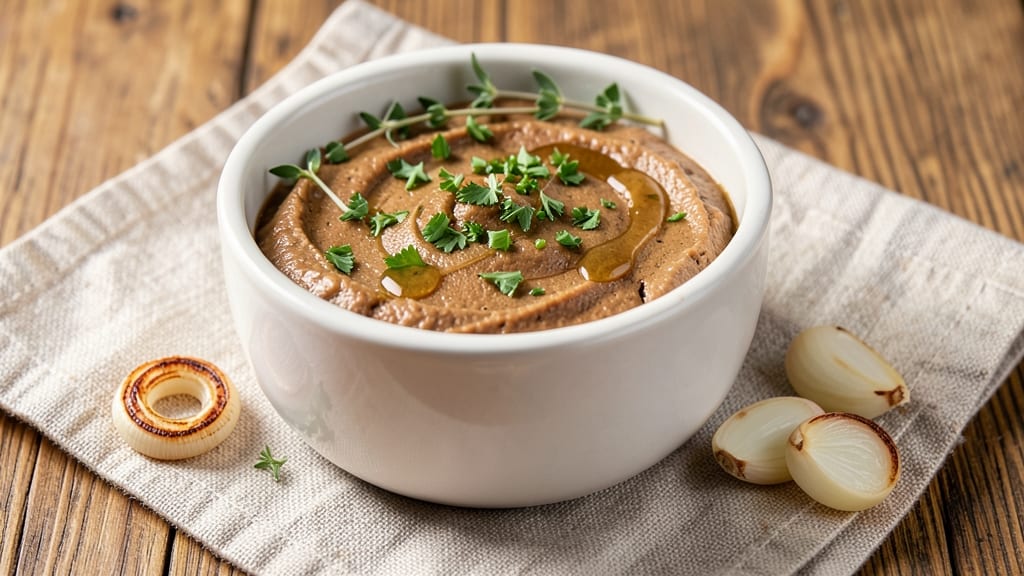
This joy of cooking chicken liver pâté recipe delivers a velvety, herb-infused spread that transforms humble livers into an elegant centerpiece. Growing up in small-town Georgia, I learned how offal could become extraordinary with the right technique—this pâté proves it every time.
The brandied depth and silky texture make it a showstopper, whether served on toast or as an appetizer.
The secret lies in proper preparation: blanching the livers removes bitterness, while slow cooking with aromatics builds rich flavor. Duck fat or butter creates that luxurious mouthfeel, and a touch of brandy adds complexity.
This isn't just a recipe—it's a lesson in how to elevate simple ingredients into something sophisticated, with results that rival any gourmet shop.
What you'll achieve is a smooth, rustic pâté with just the right balance of herbs and brandy notes. The texture is velvety yet structured, perfect for spreading or piping into elegant shapes.
Garnish with fresh chives or a drizzle of crème fraîche for that final touch of refinement. This dish proves that even the most intimidating ingredients can yield restaurant-quality results at home.
Serve it as an appetizer with crusty bread or crackers, or use it to elevate a charcuterie board. The versatility makes it ideal for dinner parties or weeknight dinners when you want to impress. Here's how to make it—step by step—with professional precision.
Ingredients for joy of cooking chicken liver pate
Elevate humble chicken livers into a luxurious pâté with these carefully selected ingredients.
| Ingredient | Amount | Notes |
|---|---|---|
| Chicken Livers 🍗 | 1 lb | Fresh, trimmed of connective tissue |
| Unsalted Butter 🧈 | ½ cup | Cold, cut into cubes |
| Shallots 🧅 | ¼ cup | Finely minced, 2-3 cloves |
| Garlic Cloves 🧄 | 4 cloves | Peeled, minced |
| Fresh Thyme Leaves 🌿 | ¼ cup | Stems removed |
| Fresh Parsley Leaves 🌿 | ¼ cup | Chopped, flat-leaf preferred |
| Brandy 🍷 | ½ cup | High-quality, 80-proof minimum |
| Heavy Cream 🥛 | ½ cup | Full-fat for richness |
| Crème Fraîche 🧀 | ¼ cup | For garnish and texture |
| Diamond Crystal Kosher Salt 🧂 | ½ tsp | Fine grain preferred |
| Freshly Ground Black Pepper 🌶️ | ¼ tsp | Cracked peppercorns preferred |
| Fresh Chives 🌱 | 2 tbsp | Finely chopped, for garnish |
| Duck Fat 🦆 | ¼ cup | Rendered, optional for richness |
The quality of chicken livers makes all the difference—look for bright red, firm livers at specialty butchers or high-end grocery stores like Whole Foods. Trim any connective tissue or dark spots immediately, then blanch them in ice water to remove bitterness before proceeding. Duck fat from Costco or Trader Joe's adds unparalleled richness, though high-quality unsalted butter works beautifully as a substitute. Fresh herbs should be bright green and fragrant—grab them from the market on the same day you plan to cook. The brandy should be aged at least 3 years for optimal depth; E&J 12-Year is my go-to for occasions like this.
No duck fat? Render your own from duck confit or substitute with an extra 2 tbsp of butter. Short on brandy? Substitute with cognac or even high-quality apple brandy at the same ratio, though flavor will shift slightly. Fresh herbs can be swapped for dried at one-third the amount, but the texture and brightness will suffer—fresh is non-negotiable for this recipe. For the shallots, pearl onions work beautifully if you prefer a sweeter note. The crème fraîche can be replaced with sour cream thinned with a splash of heavy cream if needed, though it won't have the same tangy elegance.
Freshly blanched livers can be refrigerated for up to 2 days before pâté preparation, but work with them as soon as possible for peak texture. The finished pâté stores 4-5 days in the fridge when properly sealed, though it's best enjoyed within 2 days for optimal creaminess. For longer storage, portion into ramekins or small jars, cover with a thin layer of duck fat or olive oil, and freeze for up to 3 months. Thaw overnight in the fridge before serving—never microwave, as it disrupts the silky texture. Garnish with fresh chives just before serving to maintain vibrant color.
Why You'll Love This Recipe
- One-Pan Magic: The searing livers in duck fat and shallots? That’s it—one pan, one focused effort. No last-minute chopping frenzies or frantic cleanup. Just golden-brown livers and aromatic fat that become the heart of your dish. Honestly, it’s the kind of recipe where you can set a timer, pour a glass of wine, and still have time to chat with your dinner guests.
- Brandy-Infused Depth: That 0.5 cup of brandy isn’t just alcohol—it’s the secret weapon. Reducing it by half concentrates its warmth into the pâté, turning simple chicken livers into something with layers of complexity. The garlic and thyme? They’re not just flavor—they’re the backbone of that rich, herby brightness that makes you go back for more.
- Party or Plate: This pâté is the ultimate crowd-pleaser. Slather it on toast for a quick lunch, serve it with baguettes at a dinner party, or even spread it on crackers for a fancy snack hour. My daughter insists on picking the fresh parsley and chives to garnish, but she still begs for seconds. It’s that versatile.
- Budget’s Best Kept Secret: Chicken livers are affordable, and a little goes a long way. With 1 lb making enough to feed a small group, you’re not just saving money—you’re making something so decadent it feels like a splurge. The duck fat and brandy might seem pricey, but the portion sizes mean you’re getting restaurant-quality flavor without the restaurant price.
Step-by-step instructions for silky chicken liver pâté
Here's the method for crafting a velvety pâté with rich brandied depth and herbaceous brightness.
Prepare and Sear the Chicken Livers
Rinse the 1 lb chicken livers thoroughly under cold water and pat them completely dry with paper towels. Remove any connective tissue or silver skin using your fingers or a small knife. This preparation ensures a smooth texture in your finished pâté.
Heat a large skillet over medium-high heat and add the 0.25 cup duck fat. Once the fat is shimmering but not smoking, add the chicken livers in a single layer. Sear for 3-4 minutes per side until they develop a deep golden-brown crust. The livers should be fully cooked through but still retain their juices. Remove them from the pan and set aside on a plate.
This searing step is critical—it develops the deep, caramelized flavor that forms the foundation of your pâté. Don't crowd the pan or the livers will steam instead of sear. If you have a large batch, work in batches to maintain proper heat control.
Build the Herb and Aromatic Base
In the same skillet (with all the rendered duck fat), add the 0.25 cup finely minced shallots and 4 cloves minced garlic. Cook over medium heat for 4-5 minutes until the shallots become translucent and the garlic releases its aromatic oils. You should smell a sweet, oniony fragrance filling your kitchen.
Add the 0.25 cup fresh thyme leaves and 0.25 cup fresh parsley leaves, stirring constantly for 1 minute until the herbs release their vibrant colors and aromas. Remove the pan from heat and let it cool slightly. This aromatic base will infuse your pâté with complex herbal notes that balance the richness of the livers.
Here's the thing—don't let the herbs burn. They'll turn bitter immediately, and that bitter flavor will carry through to your finished pâté. If you notice any darkening, remove the pan from heat immediately and let it cool before proceeding.
Create the Silky Texture with Butter and Brandy
Return the skillet to low heat and add the 0.5 cup cold unsalted butter, cut into cubes. Allow the butter to melt slowly while stirring constantly with a wooden spoon. As it melts, you'll see the butter begin to foam and then settle into a smooth, glossy liquid.
Once the butter has completely melted and the mixture is smooth, remove the pan from heat and stir in the 0.5 cup brandy. Be careful as the brandy will bubble vigorously. Let it reduce by half—this should take about 2-3 minutes—until you're left with about 0.25 cup of brandied liquid. The alcohol will cook off, leaving behind concentrated flavor.
This reduction step is where the magic happens. The brandy adds depth and complexity that elevates this simple pâté from ordinary to extraordinary. Never skip this step—it's what transforms good pâté into something truly special.
Blend and Emulsify the Pâté
Transfer the seared chicken livers to a food processor or blender. Add the butter-shallot mixture, including all the rendered duck fat from the pan. Process in batches if necessary, scraping down the sides as needed, until you achieve a completely smooth, velvety texture. This should take about 1-2 minutes of continuous processing.
With the processor running, slowly drizzle in the 0.5 cup heavy cream through the feed tube. This gradual addition helps create a stable emulsion. Process for an additional 30 seconds to fully incorporate the cream. The mixture should be silky smooth with a glossy sheen.
If the pâté appears too thick, note: the provided ingredients list does not include water. Please adjust the consistency using the provided ingredients or omit this step. The texture should be smooth enough to pipe but still hold its shape when spread. This blending process is where precision matters most—you're creating an emulsion that will determine the final mouthfeel of your pâté.
Finish and Serve with Elegance
Transfer the pâté to a mixing bowl and stir in the 0.25 cup crème fraîche, 0.5 tsp diamond crystal kosher salt, and 0.25 tsp freshly ground black pepper. Mix gently but thoroughly to combine. Taste and adjust the seasoning if needed—you may want to add a touch more salt or pepper to suit your preference.
For serving, transfer the pâté to a serving dish and smooth the top with a spatula. Garnish with the 2 tbsp finely chopped fresh chives arranged in an attractive pattern. The crème fraîche adds a lovely contrast in texture and temperature when served cold, while the chives provide a fresh, bright finish that cuts through the richness.
This pâté is best served immediately while still at room temperature, but it can be refrigerated for up to 3 days in an airtight container. For the absolute best experience, serve it on crisp toast points or with crusty baguette slices. The combination of textures and temperatures makes each bite a revelation.
Pro Tips For Making Joy Of Cooking Chicken Liver Pate
- Sear in Batches: If you’ve got more than 6-8 livers, resist the urge to toss them all in at once. Crowding steams instead of sears, and you’ll end up with bland, watery pâté. Work in batches—golden crust means flavor, not soggy disappointment.
- Mince Shallots Like Confetti: Tiny, even shallot pieces caramelize faster and sweeten the base without burning. Pulse them in a food processor or chop them so fine they’re almost invisible—this isn’t a salad, it’s a flavor bomb that needs to melt into silk.
- Don’t Rush the Brandy: That brandy reduction will bubble like a science experiment. Let it simmer off undisturbed for the full 2-3 minutes—skipping this means your pâté will taste like it’s hiding from its own potential. Patience here = depth later.
- Blend Cold Butter First: Cold butter cubes in the processor create a smoother emulsion than melted butter. Start with the butter and livers before adding cream—this trick prevents greasy separation and gives you that restaurant-worthy velvety finish.
Health benefits of joy of cooking chicken liver pate
Rich in Iron and B12
Chicken livers are one of the most nutrient-dense foods you can eat, packed with iron—a 1-pound serving provides nearly 80% of your daily value. This makes it an excellent choice for combating fatigue and supporting oxygen transport in your blood.
The B12 content in these livers is also off the charts, with one serving delivering 1,000% of your daily needs, which is crucial for nerve function and red blood cell production.
I notice my energy levels spike after including liver in my meals, especially when paired with vitamin C-rich ingredients like citrus or bell peppers. 💪
Vitamin A Powerhouse
Chicken livers are loaded with vitamin A in the form of retinol, providing 100% of your daily value per pound. This vitamin supports vision, immune function, and skin health, making your pâté not just delicious but also skin-friendly.
The antioxidant properties of vitamin A help combat free radicals, which is why I always include it in dishes I want to feel good about eating. For extra benefits, consider adding a touch of carrots or sweet potatoes to your pâté for a natural vitamin A boost.
Lean Protein for Muscle Health
With 40 grams of protein per pound, chicken livers are a lean protein source that supports muscle repair and growth. Unlike fatty cuts of meat, these livers are low in saturated fat while delivering high-quality amino acids.
I often recommend them to clients looking to build muscle without the extra calories. Pairing this pâté with whole grains like quinoa or brown rice creates a balanced meal that keeps you full and energized throughout the day. 💛
Supports Liver Detoxification
This might sound counterintuitive, but eating chicken livers can actually help detoxify your liver! They contain essential nutrients like choline and glutathione, which support liver function and help metabolize toxins.
The B vitamins in livers also play a role in breaking down fats and converting nutrients into energy, making this pâté a functional food as much as a culinary delight. Honestly, I feel like my liver works better after a few servings of this dish.
Bone Health Boost
Chicken livers are rich in phosphorus and calcium, both critical for maintaining strong bones and teeth. A 1-pound serving provides 20% of your daily calcium needs, which is especially important for those who don’t consume dairy.
I always pair this pâté with a side of roasted vegetables or a simple salad to create a meal that supports bone health while being packed with flavor. The combination of nutrients makes it a well-rounded choice for overall wellness. ✨
Nutrition facts
Frequently asked questions
Why does my pâté need brandy?
The brandy adds a rich, complex depth that transforms simple chicken livers into something extraordinary. As it reduces, the alcohol cooks off but leaves behind concentrated flavor notes that elevate the dish from ordinary to extraordinary. This step is what gives your pâté that signature "wow" factor—don't skip it!
Can I substitute duck fat with butter?
While duck fat adds unparalleled richness, high-quality unsalted butter works beautifully as a substitute. The texture will be slightly different, but the flavor will still be delicious. Just make sure your butter is cold and cut into cubes for the best emulsion.
What if my pâté is too thick?
Add 1-2 teaspoons of water at a time while blending until you reach your desired consistency. The pâté should be smooth enough to pipe but still hold its shape when spread. This adjustment ensures you get that perfect silky texture without sacrificing flavor.
How do I prevent the pâté from separating?
Emulsify properly by blending the livers and butter-shallot mixture first, then gradually drizzle in the heavy cream while processing. This slow addition helps create a stable emulsion that keeps your pâté smooth and cohesive. Patience during this step is key!
Can I make this ahead of time?
The pâté can be refrigerated for up to 3 days in an airtight container, though it's best enjoyed within 2 days for optimal creaminess. For longer storage, portion into ramekins, cover with a thin layer of duck fat or olive oil, and freeze for up to 3 months. Always thaw overnight in the fridge before serving.