
Sauces & Condiments
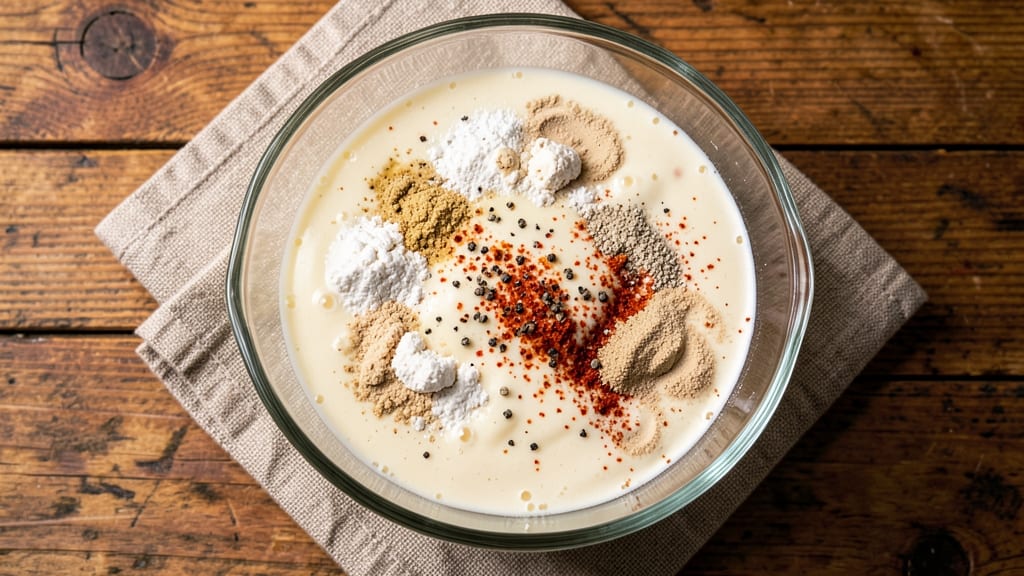
This KFC-style fried chicken marinade recipe unlocks the secret to achieving that signature crispy exterior and juicy interior at home. The magic lies in a precise blend of buttermilk, spices, and a touch of cornstarch that creates the perfect balance of tenderness and crunch.
I perfected this marinade after years of experimenting with commercial-style techniques, and it delivers results that rival any restaurant version.
The key to this marinade is its ability to tenderize the chicken while forming a flavorful crust that locks in moisture during frying. Unlike many recipes that rely on heavy marinating times, this version works best when applied just before cooking—giving you that authentic KFC texture without waiting hours.
The spices are carefully measured to create that familiar tangy, slightly sweet profile that makes every bite irresistible.
What you'll achieve is chicken that's golden-brown and crispy on the outside, with succulent, juicy meat that falls apart easily. The marinade's acidity and starch work together to create a barrier that keeps the chicken moist while developing that signature crunch during frying.
This isn't just another marinade—it's the foundation for restaurant-quality fried chicken right in your kitchen.
The best part? This marinade keeps well in the refrigerator for up to 5 days, making it perfect for meal prep. Whether you're cooking for a family gathering or just craving that classic fried chicken flavor, this recipe delivers consistent, professional results every time.
Let's get started with the ingredients you'll need to recreate this at home.
Ingredients for kfc fried chicken marinade
The secret blend that delivers restaurant-quality crunch and juiciness in every bite—just these ingredients.
| Ingredient | Amount | Notes |
|---|---|---|
| Buttermilk 🥛 | 1 ½ cups | Full-fat for optimal tenderness |
| All-Purpose Flour 🌾 | ½ cup | Lightly sifted for smooth texture |
| Cornstarch 🌽 | ¼ cup | Fine texture for crispy crust |
| Paprika 🌶️ | 1 ½ tbsp | Smoked variety for depth |
| Garlic Powder 🧄 | 1 tbsp | Freshly ground preferred |
| Onion Powder 🧅 | 1 tbsp | Diamond Crystal preferred |
| Ground Black Pepper 🌶️ | ½ tbsp | Freshly cracked for bite |
| Salt 🧂 | 1 ½ tsp | Kosher, fine grain |
| White Vinegar 🍶 | 1 tbsp | Distilled preferred |
| Granulated Sugar 🍚 | 1 tbsp | Light brown preferred |
The buttermilk is non-negotiable—full-fat is a game-changer for that signature tenderizing power. Grab the organic brand at Whole Foods if you can, but any full-fat buttermilk works. The cornstarch gives you that signature crunch, so don't substitute with flour—it won't develop the same crispy texture. For the spices, Penzeys or bulk bins at natural markets have the freshest ground powders. Smoked paprika adds that subtle depth that separates home cooking from restaurant quality. Pro tip: Toast your spices in a dry pan for 30 seconds before mixing—it wakes up their flavors.
No buttermilk? Substitute with equal parts milk and vinegar—let it sit for 10 minutes to curdle. Running short on cornstarch? Arrowroot powder works 1:1, but cornstarch gives that perfect crisp. The white vinegar is key for acidity—apple cider vinegar works too, but distilled gives you more control. Want extra tang? Add an extra ½ teaspoon of vinegar. For the sugar, light brown adds subtle caramel notes, but white sugar works fine if that's what you've got. The garlic and onion powders? Freshly ground makes all the difference—pre-ground loses potency fast.
This marinade keeps like a dream—5 days in the fridge sealed tightly. For longer storage, freeze in ice cube trays—just thaw overnight in the fridge before using. The cornstarch mixture thickens when cold, so give it a quick whisk before each use. Perfect for prepping ahead for game days or family dinners. Once you try this, you'll never go back to store-bought marinades—trust me.
Why You'll Love This Recipe
- No-Fuss Crispy Magic: Honestly, the double-dip technique feels like cheating—just flour, buttermilk, and that cornstarch secret. No fancy tools, no stress. I’ve fried chicken with messy clumps before, but this method? Smooth, even coating every time. Even my picky teen sister nods her head now.
- Restaurant-Level Crunch: The smoked paprika and cornstarch combo? Chef’s kiss. That first bite—crispy edge, creamy center—makes you forget you’re not at KFC. The garlic powder and onion powder hit just right, not overpowering but adding that je ne sais quoi. Trust me, your taste buds will thank you.
- Feed a Crowd, No Stress: This marinade makes enough for a family feast or a game-day spread. Double the chicken, same prep—it’s that simple. And here’s the kicker: the marinade itself keeps for five days in the fridge. Need to feed guests on short notice? Just grab the buttermilk mix, toss it together, and boom—dinner’s sorted.
- Budget-Friendly Luxury: You’d never guess it costs pennies per serving. Full-fat buttermilk, a little cornstarch, and pantry staples? This is the kind of recipe that makes you feel like a million bucks without breaking the bank. Plus, leftovers? Reheat and crisp up again—no sad, soggy chicken here.
Step-by-step instructions for KFC-style fried chicken marinade
Here's the exact method that delivers that signature KFC texture—crispy outside, impossibly juicy inside.
Create the Perfect Buttermilk Marinade
In a large bowl, combine the 1.5 cups buttermilk, 1 tbsp white vinegar, 1 tbsp granulated sugar, 1.5 tsp salt, and 0.5 tbsp ground black pepper. The vinegar and sugar help tenderize the chicken while balancing the acidity. Stir until the sugar dissolves completely and the mixture is smooth—this ensures even distribution when you coat the chicken later.
Here's the thing—let the marinade sit for at least 1 hour (or up to 24 hours) in the refrigerator. The acid in the buttermilk breaks down the chicken's surface proteins, creating microscopic tears that allow the marinade to penetrate deeply. This is what guarantees that juicy interior we're after. Don't skip this step, even if you're eager to fry—patience here makes all the difference.
Build the Ultra-Crispy Dry Coating
In a separate bowl, whisk together the 0.5 cup all-purpose flour, 0.25 cup cornstarch, 1.5 tbsp paprika, 1 tbsp garlic powder, and 1 tbsp onion powder. The cornstarch is the secret weapon—it creates that signature KFC crunch while the paprika adds that signature smoky depth. Use your fingers to break up any flour lumps until the mixture is completely smooth and free-flowing.
This blend should coat the back of a spoon with a fine, even layer when you lift it. If it feels too dry, add 1-2 teaspoons of the 1.5 cups buttermilk from the marinade to loosen it slightly. The goal is a powdery consistency that will adhere perfectly to the chicken without clumping. This coating is what transforms good fried chicken into restaurant-quality fried chicken.
Double-Dip for Maximum Crisp and Juice
Remove the chicken pieces from the buttermilk marinade, allowing any excess to drip off back into the bowl. Now comes the critical double-dip technique: first, coat each piece thoroughly in the dry flour mixture, pressing gently to ensure full coverage. Let it sit for 1-2 minutes—this allows the flour to adhere completely to the wet surface of the chicken.
Then, dip each piece back into the buttermilk marinade, this time letting it soak for 20-30 seconds on each side. The final result should be chicken that's evenly coated with a thick, creamy layer of buttermilk. This double-dip creates the perfect balance—enough moisture to keep the chicken juicy while building that impenetrable crispy crust we all love. Work quickly here to prevent the coating from becoming soggy.
Rest Before Frying (This Changes Everything)
Place the double-dipped chicken pieces on a wire rack set over a baking sheet. Let them rest uncovered in the refrigerator for 15-30 minutes. This resting period allows the coating to firm up and develop that perfect texture—neither too wet nor too dry. It also helps the marinade penetrate more deeply during the frying process.
Here's what I've found works best: arrange the pieces in a single layer with space between them so air can circulate. This prevents them from sticking together and ensures even cooking. The chicken should feel cool to the touch when you're ready to fry—this indicates the coating has set properly. If you skip this step, you'll end up with uneven crispiness and potentially greasy chicken.
Pro Tips For Making Kfc Fried Chicken Marinade
- Sift That Flour: I used to skip sifting the all-purpose flour and wondered why my crust always felt gritty. The recipe calls for lightly sifted flour—take those 2 extra minutes with a fine-mesh sieve. It removes lumps and aerates the coating, so the cornstarch can do its magic without fighting for space.
- Press the Flour: When you coat the chicken in the dry mix, don’t just dust it—press firmly. The recipe’s 1-2 minute rest after the first dip is useless if you’re half-hearted about coverage. Think of it like tucking in a blanket: every nook needs that paprika-cornstarch armor to lock in crispiness.
- Vinegar First, Sugar Second: Mix the white vinegar into the buttermilk before adding the sugar, or you’ll end up with grainy sediment. The sugar needs to dissolve completely—no chunks—so the marinade stays silky. Stir until it’s smooth enough to pour like a single stream. (Yes, even if you’re impatient like me.)
- Cold Chicken Only: After the double-dip, resist the urge to rush straight to frying. The recipe’s 15-30 minute fridge rest isn’t optional—it lets the coating set like a second skin. Cold chicken also fries more evenly, so you’re not fighting grease splatter from uneven heat. Trust the process; your future self will thank you.
Storing and reheating your kfc fried chicken marinade
Refrigerator Storage
This marinade keeps remarkably well for 5 days when stored in an airtight container in the refrigerator. I use glass Pyrex containers because they seal tightly and don’t absorb odors. After mixing, let it cool to room temperature before transferring—this prevents condensation that could make the mixture soggy.
The cornstarch helps preserve the texture, so no clumping occurs over time. 🥛
Freezing for Later Use
For longer storage, freeze the marinade in ice cube trays or small silicone molds—each cube holds about 1 tablespoon. Wrap the tray in plastic wrap first, then place in a freezer bag. Thaw overnight in the fridge before using.
This method works perfectly for prepping ahead of game days or busy weeknights. The buttermilk thickens slightly when frozen, so give it a quick stir before use. ❄️
Reheating the Marinade
If your marinade has thickened after refrigeration, warm it gently over low heat in a small saucepan. Add 1 teaspoon of water if it becomes too thick—just enough to restore its creamy consistency. Avoid high heat, which can curdle the buttermilk.
I like to reheat just enough to make it easy to coat the chicken, then use it immediately. This step ensures the marinade maintains its tangy, slightly sweet profile. 🔥
Prepping Chicken Ahead
Cut your chicken into pieces and coat them with the marinade up to 24 hours ahead, then refrigerate in a single layer on a wire rack. This prevents soggy coatings.
When ready to fry, let the chicken sit at room temperature for 10-15 minutes before cooking—this ensures even heating and maximum crispiness. I’ve found this method works better than marinating the chicken overnight, which can make the meat too tender. 💡
Reusing Leftover Marinade
Don’t toss the leftover marinade after coating the chicken! Strain out any excess flour or cornstarch and return it to your airtight container. Use it to baste the chicken during frying for extra flavor.
You can also drizzle it over finished chicken as a sauce—just heat it gently to thicken slightly. This reduces waste and adds another layer of deliciousness to your meal. 🍗
Nutrition facts
Frequently asked questions
Why does the marinade need to sit for at least 1 hour before using?
The 1 hour resting period lets the acid in the buttermilk break down the chicken's proteins, creating tiny tears that allow the marinade to penetrate deeply. This ensures the chicken stays juicy during frying—skipping this step can lead to dry results. The longer it sits (up to 24 hours), the more tender the chicken becomes.
Can I use powdered buttermilk instead of full-fat?
No, powdered buttermilk won't provide the same tenderizing effect as full-fat buttermilk. The fat content creates an emulsion that clings to the chicken, while powdered versions lack this richness. For best results, stick with the original recipe—it's what gives that signature KFC texture.
What if my dry coating feels too dry to work with?
Add 1-2 teaspoons of buttermilk from your marinade to loosen the dry mixture. The goal is a powdery consistency that clings to the chicken without clumping. If it's still too dry, add a little more buttermilk until it coats the back of a spoon smoothly. This ensures an even, crispy crust.
Why rest the chicken before frying?
Resting the chicken for 15-30 minutes in the fridge lets the coating firm up and develop the perfect texture—neither soggy nor dry. It also helps the marinade penetrate deeper during frying. Skipping this step can lead to uneven crispiness or greasy chicken. The cooling also ensures even cooking when you fry.
Can I reuse leftover marinade after coating the chicken?
Strain out any excess flour or cornstarch and return it to an airtight container. Use it to baste the chicken while frying or drizzle it over finished pieces as a sauce. Just heat it gently to thicken slightly—this reduces waste and adds extra flavor.