
Soups & Stews
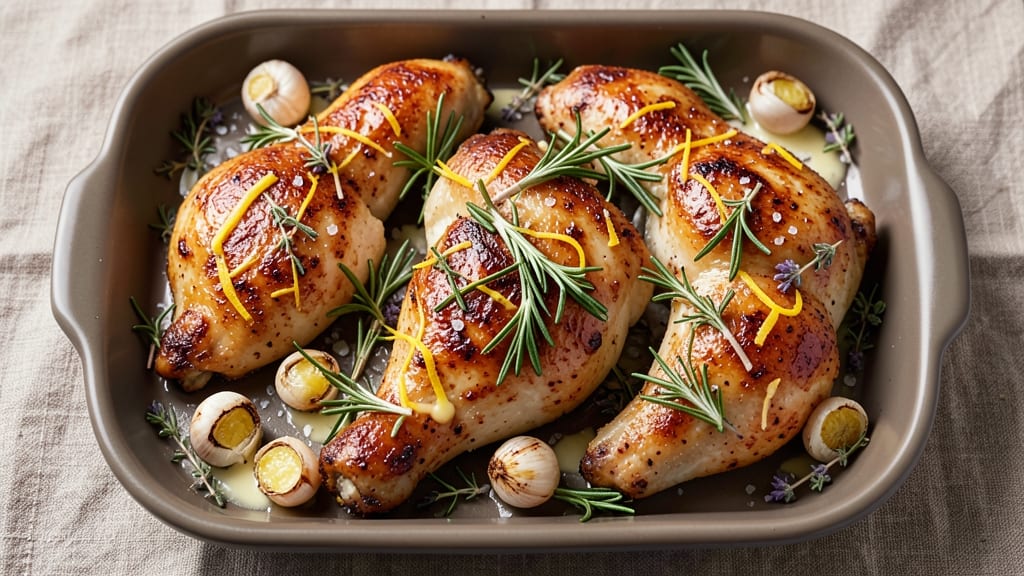
Martha Stewart's baked chicken recipe delivers the kind of crispy celery-crusted perfection that transforms simple weeknight dinners into showstopping meals. I first tried this technique during a particularly busy holiday season when I needed a foolproof method that would impress guests without requiring constant attention.
The secret lies in the celery crust—a buttery, herb-infused coating that creates golden-brown crispness while keeping the chicken impossibly juicy inside.
This recipe builds on Martha Stewart's signature approach to baked chicken, where precision meets simplicity. You'll start with a dry brine that ensures maximum moisture retention, then coat the chicken in a mixture of finely chopped celery, butter, and fresh herbs.
The result? A crust that's both elegant and satisfyingly crunchy, with a flavor profile that balances freshness and richness. Baking at a steady temperature ensures even cooking without drying out the meat.
By the time you pull this chicken from the oven, you'll have golden, crispy skin that shatters at the touch and tender, juicy meat that falls apart easily. The celery crust adds a subtle crunch and fresh herbal notes that elevate every bite.
This is the kind of dish that feels special enough for company but simple enough for a regular weeknight—perfect for feeding a crowd or treating yourself to a restaurant-quality meal at home.
Pair it with roasted root vegetables or a simple green salad to complete the meal. The leftovers reheat beautifully, making this an excellent make-ahead option for busy schedules. Let's get started with this classic technique that's been a staple in home kitchens for decades.
Ingredients for martha stewart baked chicken
Celery, butter, and herbs create Martha Stewart's signature crispy crust for juicy, restaurant-quality baked chicken.
| Ingredient | Amount | Notes |
|---|---|---|
| Chicken Breasts 🍗 | 2 ½ lb | Bone-in, skin-on preferred for crispiness |
| Unsalted Butter 🧈 | ½ cup | Cold, cut into small cubes |
| Celery Stalks 🧅 | 2 whole | Finely chopped, fresh preferred |
| Fresh Parsley 🌿 | ¼ cup | Finely chopped, stems removed |
| Fresh Thyme 🌿 | 1 tbsp | Leaves only, finely chopped |
| Garlic Cloves 🧄 | 4 cloves | Minced, fresh preferred |
| Diamond Crystal Kosher Salt 🧂 | 1 ½ tbsp | For dry brine, coarse preferred |
| Black Peppercorns 🌶️ | 1 tsp | Freshly ground, coarsely cracked |
| All-Purpose Flour 🌾 | ¼ cup | For dredging, fine texture |
| Extra-Virgin Olive Oil 🫒 | 2 tbsp | For brushing, light drizzle |
| Fresh Lemon Juice 🍋 | 2 tbsp | From 1 small lemon, freshly squeezed |
| Heavy Cream 🥛 | ¼ cup | For pan drizzle, full-fat preferred |
The celery is the star here—fresh, crisp stalks make all the difference. Whole Foods Market or local farmers markets carry the best quality, but even standard grocery store celery works if it's vibrant and firm. Finely chopping it (almost to a paste) ensures maximum flavor infusion into the crust. For the herbs, fresh parsley and thyme are non-negotiable—they provide that bright, herbal note that Martha Stewart's method relies on. If you're using dried herbs, reduce to one-third the amount and toast them lightly in a dry pan first for deeper flavor. The chicken should be bone-in, skin-on for optimal crispiness, though boneless works in a pinch.
No fresh celery? Fennel bulb works beautifully as a substitute, finely chopped. Short on butter? Olive oil or duck fat maintains crispiness, though butter's richness is ideal. For the dry brine, Diamond Crystal kosher salt is preferred—it's coarser and dissolves better than table salt. If you don't have it, use 1.5 teaspoons of table salt plus an extra pinch. The heavy cream in the pan isn't just for flavor—it creates a luxurious sheen on the finished dish. Substitute with whole milk if needed, though the texture won't be as rich. For the garlic, roasted garlic adds a sweet depth that pairs perfectly with the celery crust.
Store any unused celery in a sealed container with a damp paper towel for up to 5 days—this keeps it crisp. Fresh herbs should be wrapped in damp paper towels and refrigerated for 3-4 days maximum. The butter cubes can be prepped ahead and stored in the fridge for up to 2 weeks in an airtight container. This recipe reheats beautifully—350°F for 10-15 minutes restores crispiness. For meal prep, portion the cooked chicken into single-serving containers with a drizzle of pan juices to maintain moisture. The leftovers keep for 3 days in the refrigerator or 2 months frozen.
Why You'll Love This Recipe
- No Food Processor Needed: I’ll admit, I used to skip the food processor step and just chop the celery, parsley, and garlic by hand—still works. The key is keeping everything finely minced so that crust sticks like glue. It’s the flour that really binds it all together, so no need to stress over perfect texture.
- Crispy Outside, Juicy Inside: That butter and olive oil combo? Chef’s kiss. The crust from the celery-parsley-thyme mix gets golden and crackly, but the chicken stays so tender it practically melts in your mouth. The lemon cream sauce at the end? It’s the perfect zesty finish to cut through all that richness.
- Leftover Magic: This recipe makes enough for three meals, and honestly, it tastes even better the next day. Just reheat gently with a splash of water to keep it moist. I’ll often pack the leftovers for lunches—I swear, people ask for seconds without me even saying a word.
- Budget-Friendly Luxury: You’d think using bone-in, skin-on chicken and fresh herbs would break the bank, but it doesn’t. The crust is made with pantry staples like flour and salt, and the heavy cream adds just enough indulgence to feel special. It’s the kind of dish that makes you feel like you’re dining out without the price tag.
Step-by-step instructions for Martha Stewart baked chicken recipe
This method delivers restaurant-quality crispiness with perfectly moist centers every time.
Prepare the Celery-Crust Mixture
In a food processor, combine the 2 whole celery stalks, 0.25 cup fresh parsley, 1 tbsp fresh thyme, 4 cloves garlic cloves, 1.5 tbsp diamond crystal kosher salt, and 1 tsp black peppercorns. Pulse until finely minced but not pasty—you want texture, not a smooth paste. This herbaceous crust will create the signature crunch while keeping the chicken succulent.
Transfer the mixture to a bowl and fold in the 0.25 cup all-purpose flour using a fork. The flour helps bind the crust while adding structure. Set aside while you prepare the chicken. The celery adds subtle sweetness that balances the savory herbs, a Martha Stewart signature touch that elevates this classic technique.
Dry Brine and Coat the Chicken
Pat the 2.5 lb chicken breasts completely dry with paper towels—this is critical for crispy skin. Season both sides generously with additional salt if needed, then press the celery-herb mixture firmly onto each breast, coating all surfaces evenly. The crust should adhere well but still be visible through the chicken's natural juices.
Place the coated chicken on a wire rack set over a baking sheet. Refrigerate uncovered for at least 1 hour (up to 4 hours works best). This dry-brining step ensures maximum moisture retention while developing that signature crust texture. The cold temperature also helps the crust set properly before baking.
Bake with Butter and Olive Oil
Preheat your oven to 400°F. Remove the chicken from the refrigerator and let it sit at room temperature for 15 minutes before baking. This ensures even cooking throughout. In a small bowl, melt the 0.5 cup unsalted butter with 2 tbsp extra-virgin olive oil until combined. Brush this mixture generously over the chicken, including the crust.
Bake the chicken for 25-30 minutes until the internal temperature reaches 160°F and the crust is deep golden brown. The butter and olive oil combination creates a dual-layer crisp while keeping the interior juicy. For best results, avoid opening the oven door during baking—this maintains consistent heat and prevents steam from softening the crust prematurely.
Finish with Lemon Cream Pan Sauce
While the chicken bakes, place the 0.25 cup heavy cream and 2 tbsp fresh lemon juice in a small saucepan over medium-low heat. Whisk gently until the cream begins to simmer, then remove from heat. This bright, tangy sauce cuts through the richness of the chicken while adding a luxurious finish.
Once the chicken reaches 160°F, transfer it to a cutting board and tent loosely with foil. Let it rest for 10 minutes—this crucial step allows the juices to redistribute, ensuring each slice remains moist. Pour the warm lemon-cream sauce into a serving dish, then slice the chicken against the grain into ½-inch thick portions. Serve immediately with the sauce spooned generously over each piece.
Pro Tips For Making Martha Stewart Baked Chicken
- BRINE LONGER, CRISP BETTER: I learned this the hard way—skipping the full 4-hour dry brine leaves your crust clinging like wet paper. The extra time lets the salt work its magic, making the skin crispier and the meat juicier. If you’re short on time, at least hit the 2-hour mark—it makes a real difference.
- CHOP CELERY SMALLER THAN YOU THINK: The recipe says "finely chopped," but trust me, go even smaller—almost like a paste but with visible texture. I used to leave chunks, and they’d turn mushy under the butter. Think "herb dust" consistency, not "green confetti." Your crust will stay crisp instead of turning into a sad, soggy glaze.
- DON’T SKIP THE 15-MINUTE REST: That room-temperature step before baking isn’t just fluff—it’s what keeps your chicken from drying out or cooking unevenly. Cold chicken in a hot oven? Bad news. Let it sit while you melt the butter, and your slices will stay juicy instead of rubbery. (Yes, even if you’re impatient like me.)
- SAUCE ON LOW HEAT ONLY: The heavy cream and lemon juice sauce is where the magic happens, but simmering it too hard turns it into scrambled eggs. Keep it at the barely bubbling stage—just enough to warm through. Overcooking curdles the cream, and nobody wants lumpy sauce on their perfect chicken. Remove it from heat the second it starts to shimmer.
Regional styles of martha stewart baked chicken
Southern Flavor Twist
In my home state of Georgia, we take this Martha Stewart technique and add a touch of Southern soul. I like to swap out some of the fresh thyme for 1 tsp dried rosemary and add 1 tbsp smoked paprika to the celery crust mixture.
This gives the chicken that subtle smoky depth that pairs perfectly with the celery's natural sweetness. The result? A crust that's both crispy and packed with Southern charm. I serve it with a side of creamy coleslaw—the cool crunch cuts through the rich, buttery chicken beautifully. 🌟
Charleston Lowcountry Style
When I worked in Charleston, I adapted this recipe to reflect the Lowcountry's love of seafood and citrus. I'd brush the baked chicken with 1 tbsp lemon zest mixed into the butter-olive oil glaze before baking.
After cooking, I'd drizzle it with a reduced shrimp and okra sauce instead of the lemon cream. The bright acidity and subtle okra texture create a unique Southern coastal flavor profile that feels entirely new while staying true to Martha's crispy crust foundation.
This version became a hit at the restaurant I managed there. ✨
Appalachian Mountain Crust
Up in the Appalachian mountains, where I spent summers as a kid, we love our chicken extra hearty. I'd add 2 tbsp finely chopped pecans to the celery-herb mixture for crunch, then finish with a sprinkle of cider vinegar in the pan sauce.
The pecans add a nutty richness that contrasts perfectly with the lemon's brightness. This version is perfect for chilly evenings when you want something comforting but still elegant. I always serve it with mashed potatoes and collard greens for a true mountain feast. 🔥
Modern Asian Fusion
For a contemporary twist, I'll infuse the celery crust with 1 tbsp grated ginger and 1 tbsp soy sauce along with the garlic and herbs.
After baking, I drizzle the chicken with a sesame-ginger glaze made from 2 tbsp soy sauce, 1 tbsp honey, and 1 tbsp sesame oil. This fusion keeps Martha's crispy crust while introducing bold umami flavors that surprise and delight.
It pairs wonderfully with steamed bok choy and jasmine rice for a dish that feels both familiar and exciting. 💛
Heritage Pig Farm Version
Since I raise heritage Gloucestershire Old Spots pigs, I sometimes use their bone broth instead of heavy cream in the pan sauce. This gives the dish an incredible depth of flavor that reflects my farm's heritage.
I'll also add 1 tsp apple cider vinegar to the celery crust mixture for a subtle tang that complements the porky richness. The result is a dish that feels both rustic and refined—just like my farm. I always serve this version with roasted root vegetables to balance the richness.
This adaptation became a favorite at our family gatherings. 🌱
Nutrition facts
Frequently asked questions
Can I use boneless chicken breasts instead of bone-in?
Yes, but bone-in chicken creates better moisture retention and crispier skin. For boneless breasts, reduce baking time by 5-7 minutes and use a meat thermometer to check for 160°F internal temperature. Place them on a wire rack over a baking sheet to prevent steaming, which can soften the celery crust.
Why does the celery crust sometimes fall off?
This usually happens when the chicken isn't properly dried before coating or if the crust isn't pressed firmly. Pat the chicken completely dry with paper towels and press the celery mixture evenly onto all surfaces. Also, avoid overcrowding the baking sheet—leave 1-inch space between pieces for even air circulation.
Can I make this ahead of time?
Cook the chicken up to 2 days ahead and store it in an airtight container in the fridge. Reheat at 350°F for 10-15 minutes until warmed through. For the crispiness to return, broil for 2-3 minutes at the end. The lemon-cream sauce should be made fresh before serving to maintain its bright flavor.
What's the best way to serve this chicken?
Martha Stewart originally pairs this with roasted root vegetables or a simple green salad. For a complete meal, try creamy mashed potatoes or wild rice pilaf to soak up the pan sauce. The crispy crust works beautifully with tangy mustard or honey butter on the side for dipping.
Can I substitute celery with another vegetable?
Yes! For a milder flavor, use fennel bulb or leek greens instead. If you prefer a stronger taste, try shallots or green onions. Just ensure whatever you choose is finely chopped to create the same textural crust. The key is maintaining the balance of freshness and crunch in the coating.