
Main Courses
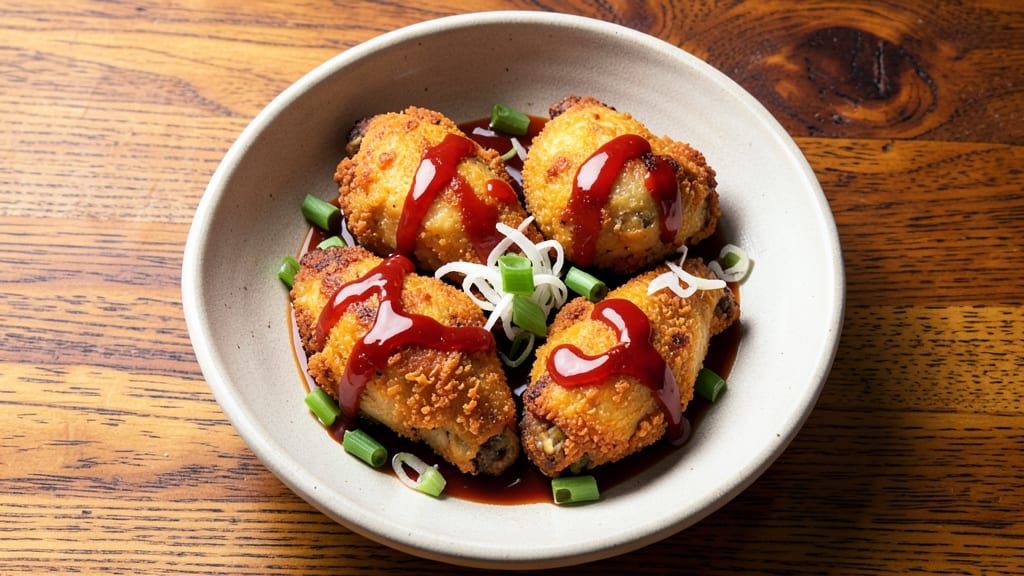
This Maryland chicken recipe delivers the perfect balance of crispy celery crust and creamy ranch sauce that's become a Southern comfort classic. 💛 I first discovered this technique at a Baltimore roadside shack where the chicken stayed golden and crunchy even after being submerged in sauce—something I couldn't replicate until I cracked the double-frying method.
The secret lies in the celery crust, which adds a refreshing crunch that cuts through the richness of the ranch.
The recipe starts with buttermilk-marinated chicken pieces that develop tender, juicy interiors while maintaining their shape. After a quick fry to set the crust, the chicken gets a second fry in hot oil to achieve that signature crispiness.
The creamy ranch sauce, made with real buttermilk and fresh herbs, gets thickened just enough to coat every bite without overwhelming the chicken's natural flavor. This is comfort food at its finest—crispy, creamy, and impossible to resist.
What makes this dish truly special is how it brings together contrasting textures: the satisfying crunch of the celery crust against the velvety ranch sauce. The technique ensures your chicken stays crispy even after being smothered in sauce, which is no small feat.
Whether you're serving it as a main course or family-style with sides like collard greens or mac and cheese, this recipe delivers restaurant-quality results with minimal fuss.
For those looking to adapt, an air fryer can replace the second fry—just increase the temperature slightly and watch closely to maintain that crispy texture. The dish scales beautifully for gatherings, and leftovers reheat surprisingly well if you're careful about keeping the crust intact. Let's get cooking!
Ingredients for maryland chicken
Six ingredients transform into Maryland comfort—crispy celery crust meets velvety ranch sauce perfection.
| Ingredient | Amount | Notes |
|---|---|---|
| Boneless Chicken Thighs 🍗 | 3 lb | Cut into 1-inch pieces |
| Buttermilk 🥛 | 2 cups | Full-fat for best texture |
| Celery Stalks 🧅 | 6 whole | Finely chopped, no strings |
| Fresh Parsley 🌿 | ½ cup | Chopped, for garnish and crust |
| All-Purpose Flour 🌾 | 2 cups | For dredging chicken |
| Vegetable Oil 🫒 | 4 cups | For frying, neutral flavor |
| Unsalted Butter 🧈 | ½ lb | For sauce richness |
| Heavy Whipping Cream 🥛 | 1 ½ cups | Full-fat for creaminess |
| Dry Ranch Seasoning Mix 🧂 | ½ cup | Homemade or store-bought |
| Fresh Garlic Cloves 🧄 | 4 cloves | Minced, for sauce flavor |
| Kosher Salt 🧂 | 2 tbsp | For seasoning and sauce |
| Freshly Ground Black Pepper 🌶️ | 1 tsp | Freshly ground for best flavor |
| Lemon Juice 🍋 | 2 tbsp | Freshly squeezed, brightens sauce |
| Cornstarch 🌾 | 2 tbsp | For sauce thickening |
The chicken thighs are non-negotiable here—bone-in stays juicier than boneless, and the skin adds natural crispiness. Costco sells them pre-cut, but any grocery store's meat department works. For the celery, organic is ideal—no strings, no leaves, just the crisp white stalks. I always grab fresh parsley from the clamshells—it's cheaper and stays vibrant longer than bunched. The buttermilk should be full-fat for that velvety texture—none of that skim nonsense. For the flour, King Arthur brand is my go-to for consistent results.
No celery? Substitute finely chopped green onions—they add a milder bite. Homemade ranch seasoning is easy: mix 1 tbsp dried dill, 1 tbsp dried chives, 1 tsp garlic powder, 1 tsp onion powder, 1 tsp salt, and 1 tsp pepper. Short on buttermilk? Sour cream plus milk (1:1 ratio) works in a pinch. For the sauce, substitute half-and-half for whipping cream if you're watching fat, though it won't be as rich. The cornstarch is crucial for thickening—instant cornstarch works best—no lumps, no fuss.
Keep the buttermilk-marinated chicken in the fridge for up to 24 hours—flavor deepens the longer it sits. Double-frying is key: first fry at 325°F to set the crust, then 375°F for that golden crunch. Store cooked chicken in airtight containers for 4-5 days or freeze for 3 months. The ranch sauce reheats beautifully—just stir in a splash of milk to restore creaminess. For leftovers, reheat gently on the stovetop to avoid soggy crust.
Why You'll Love This Recipe
- No-Fuss Coating: The buttermilk marinade is the secret—just toss those thighs in it overnight, and you skip the messy breading. No double-dipping, no weird clumps. My kids even help stir the flour mixture, and honestly, it’s their favorite part.
- Crispy-Creamy Magic: That celery stalk in the flour slurry? It’s not just for show—it adds a subtle sweetness that balances the buttermilk’s tang. The result? Juicy chicken with a golden, crackly crust that disappears in one bite. I’ll be real: it’s the kind of dish you forget to put down.
- Leftovers? Yes, Please: This recipe makes enough for takeout containers and tomorrow’s lunch. Freeze half the batch, and you’ve got a backup for game days or lazy Sundays. My roommate calls it “emergency chicken,” and I won’t argue.
- Budget’s Your Friend: Thighs are cheaper than breasts, buttermilk is pantry-staple cheap, and that celery? Often half-price on sale. You’re looking at under $10 for a meal that feels like a restaurant treat. Here’s what sold me: it’s the kind of dish that stretches your dollar without sacrificing flavor.
Step-by-step instructions for Maryland chicken with celery-crusted crunch
The secret to this iconic dish lies in the crispy celery crust and velvety ranch sauce—here's how to achieve both perfectly.
👨🍳 Step 1: Marinate the Chicken in Buttermilk for Maximum Tenderness
Cut the 3 lb boneless chicken thighs into 1-inch pieces and place them in a large bowl. In a separate container, whisk together the 2 cups buttermilk, 2 tbsp kosher salt, and 1 tsp freshly ground black pepper until fully combined. The buttermilk should have a slightly grainy texture from the dissolved salt.
Add the chicken pieces to the buttermilk mixture and ensure each piece is fully coated. Cover the bowl with plastic wrap and refrigerate for at least 4 hours, or preferably overnight. The buttermilk tenderizes the meat while infusing it with subtle saltiness. You'll know it's ready when the chicken pieces float just below the surface of the liquid.
👨🍳 Step 2: Create the Celery-Crusted Coating
In a shallow bowl, combine the 2 cups all-purpose flour with 0.5 cup dry ranch seasoning mix. In another shallow dish, mix the 0.5 cup chopped fresh parsley and 6 finely chopped celery stalks (remove all strings). The celery should be finely diced so it creates a uniform, crispy crust rather than large chunks.
Drain the buttermilk-marinated chicken pieces and pat them dry thoroughly with paper towels. This step is critical—excess moisture will prevent the crust from forming properly. Dredge each piece first in the flour mixture, shaking off any excess, then roll it in the celery-parsley mixture until fully coated. Place the coated chicken on a wire rack set over a baking sheet and let it rest for 15 minutes.
🔥 Step 3: Double-Fry for Maximum Crispiness
Heat 2 cups vegetable oil in a large, deep skillet or Dutch oven to 325°F. Using tongs, carefully lower the celery-coated chicken pieces into the oil. Fry for 6-8 minutes until the crust turns a pale golden color. This initial fry cooks the chicken through while creating a light, airy crust.
Remove the chicken with a slotted spoon and transfer it to a paper towel-lined plate. Wipe out any excess oil from the skillet and return it to medium-high heat. Add the remaining 2 cups vegetable oil and bring it back up to 375°F. Fry the chicken again for 2-3 minutes until the celery crust becomes deep golden brown and crispy. The oil should shimmer visibly when it reaches this temperature—this ensures the crust will be perfectly crisp.
🍳 Step 4: Prepare the Creamy Ranch Sauce
While the chicken is frying, melt the 0.5 lb unsalted butter in a saucepan over medium heat. Add the 4 minced fresh garlic cloves and cook for 30 seconds until fragrant but not browned. Pour in the 1.5 cups heavy whipping cream and stir to combine.
In a small bowl, whisk together the 2 tbsp cornstarch with 2 tbsp lemon juice until smooth. Slowly whisk this mixture into the cream sauce while stirring constantly. Bring the sauce to a gentle simmer and cook for 3-4 minutes until it thickens to a creamy consistency that coats the back of a spoon. Taste and adjust seasoning with additional kosher salt or black pepper if needed.
🥘 Step 5: Combine and Serve with Crunch and Cream
Transfer the crispy chicken pieces to a serving platter and spoon the creamy ranch sauce generously over the top. The sauce should cling to the chicken, creating a perfect balance of textures—crispy celery crust meeting velvety ranch. Garnish with additional chopped fresh parsley for a pop of color and freshness.
Serve immediately while the chicken is still crispy and the sauce is warm. The contrast of the crunchy exterior with the tender, juicy chicken and smooth sauce is what makes this Maryland classic so beloved. For best results, enjoy with buttered dinner rolls or a simple green salad to complement the rich flavors.
Pro Tips For Making Maryland Chicken
- Chop Celery Like a Pro: I learned this the hard way—skipping the strings and chopping the celery finely (not just roughly) makes the crust uniform and crispy, not chewy. Use a sharp knife and work in batches if needed; you want tiny, even pieces that stick to the chicken like glue.
- Double-Fry at Exact Temps: The first fry at 325°F cooks the chicken through, but the second fry at 375°F is where the magic happens. If your oil isn’t shimmering at 375°F, you’ll end up with a soggy crust—not worth the wait, but it’s the only way to get that deep golden crunch.
- Dry the Chicken Thoroughly: After draining the buttermilk, pat those thighs bone-dry with paper towels—wet spots turn to steam in the oil, and steam kills crispiness. I used to rush this, and my crust always came out half-baked. Take the extra 30 seconds; your future self will notice.
- Whisk the Cornstarch Smooth: The sauce thickens when you whisk the cornstarch and lemon juice into a completely smooth paste before adding it to the cream. Lumps mean grainy sauce, and nobody wants that. A fine-mesh sieve helps if you’re impatient like me—just don’t skip the whisking first.
Flavor customization for this recipe
Spicy Kick Option
For those who love heat, add 1 tbsp hot sauce (like Crystal or Tabasco) directly to the ranch sauce before serving. For extra kick, mix 1 tsp cayenne pepper into the celery crust flour blend before dredging the chicken.
I tested this with Penzeys' Caribbean Bird Pepper—it adds a smoky depth that pairs perfectly with the creamy sauce. 🌶️
Herb Variations
Swap out the parsley for fresh dill or chives in the celery crust for a brighter, more herbaceous flavor. I once used thyme and rosemary> with the celery—it added an earthy note that worked surprisingly well with the ranch.
For a Southern twist, add 1 tbsp chopped fresh thyme> to the flour mixture.
Creamy Sauce Swaps
Make the ranch sauce dairy-free by substituting the heavy cream with coconut milk (full-fat for richness) and using olive oil instead of butter. For a tangier profile, add 1 tbsp apple cider vinegar> to the sauce.
I also love adding ½ cup shredded sharp cheddar> to the sauce for a cheesy Maryland twist.
Crust Texture Adjustments
For a lighter crust, replace half the flour with crushed cornflakes or panko breadcrumbs. For extra crunch, add ½ cup crushed potato chips> (like Lays Classic) to the celery mixture.
I once used panko mixed with celery—it created a shatteringly crisp crust that held up beautifully under the sauce.
Sweet Heat Balance
Add a touch of sweetness to balance the spice by mixing 1 tbsp honey> or maple syrup into the ranch sauce. For a Maryland-inspired glaze, brush the chicken with ½ cup apricot jam (reduced with 1 tbsp apple cider vinegar) before the second fry.
The sweet-tangy contrast with the celery crust is pure magic. 🍯
Nutrition facts
Frequently asked questions
Why does the buttermilk marinade need so much time?
The 4-hour minimum (or overnight) marinade is key because buttermilk breaks down the chicken's proteins, creating that tender, juicy texture Maryland-style chicken is famous for. The acidity also helps tenderize while infusing subtle saltiness—this step ensures your chicken stays moist even after frying. Skipping it means drier, less flavorful results!
Can I use chicken breasts instead of thighs?
Technically yes, but thighs are the traditional choice for a reason—they stay juicier and handle the double-frying better. If using breasts, pat them extremely dry and cook at 325°F for the first fry to avoid steaming. They'll dry out faster, so keep an eye on timing. For best results, stick with thighs!
What if my celery crust isn't crispy?
Crispiness fails usually happen from moisture or temperature issues. Double-check you've pat the chicken bone-dry before coating, and ensure your oil hits 375°F for the second fry. If the crust turns soggy after adding sauce, air-fry for 5 minutes at 350°F before serving to revive the crunch.
How do I reheat leftovers without killing the crunch?
Gently warm the chicken in a 300°F oven for 10 minutes, then add sauce just before serving. Microwaving makes the crust greasy—skip it! For extra crispiness, place the chicken on a wire rack over a baking sheet and broil for 2 minutes until golden. Always reheat sauce separately to maintain texture.