
Side Dishes
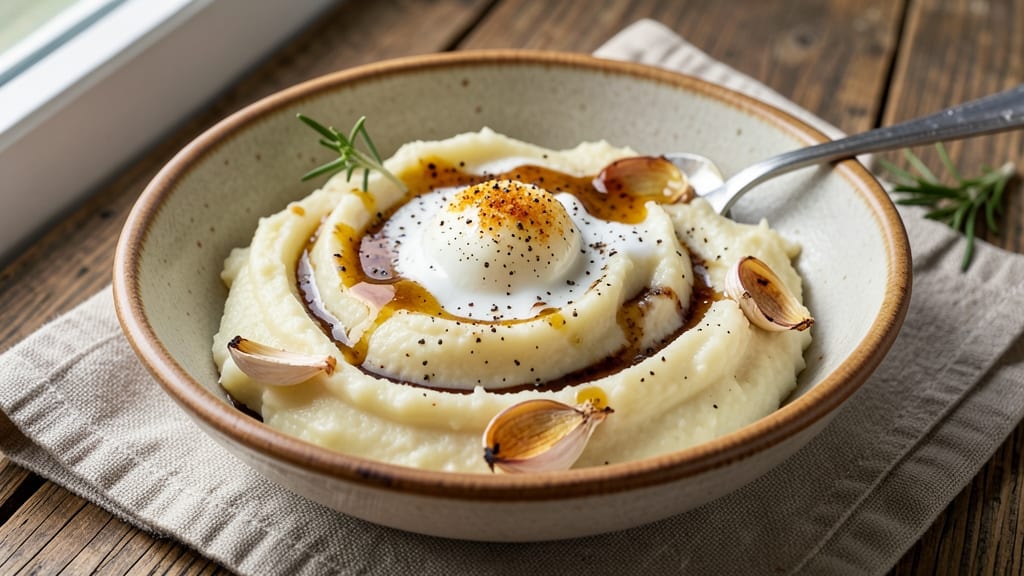
This mashed potatoes with chicken stock recipe delivers the kind of velvety, restaurant-quality texture that elevates any meal. Growing up in small-town Georgia, I learned that the secret to perfect mashed potatoes lies in technique—not shortcuts.
The rich flavor of homemade chicken stock transforms ordinary potatoes into a creamy, savory side dish that pairs beautifully with roasted meats or holiday feasts.
The key to achieving that ultra-smooth consistency starts with the right potato variety and cooking method. Russet potatoes work best because their high starch content breaks down beautifully when boiled just until tender.
After draining, we work the potatoes with chicken stock, butter, and a touch of cream—this combination creates a luxurious, velvety finish that’s impossible to resist. The stock infuses deep, savory notes that make these mashed potatoes taste like they’ve been simmering all day.
What you’ll end up with is a batch of mashed potatoes so creamy and flavorful, they’ll disappear faster than you can say “seconds, please.” The texture is silky, not gluey, and every bite carries that rich, umami depth from the chicken stock.
This isn’t just a side dish—it’s the kind of comfort food that turns ordinary meals into something special. Ready to master the technique?
Whether you’re serving a holiday dinner or a simple weeknight meal, these mashed potatoes will be the star of the show. The method is straightforward, but the results are anything but basic—this is the kind of side dish that makes you look like a pro.
Let’s get started on creating the perfect bowl of mashed potatoes.
Ingredients for mashed potatoes with chicken stock
Just russets, butter, and stock—this trio creates restaurant-quality mashed potatoes every time.
| Ingredient | Amount | Notes |
|---|---|---|
| Russet Potatoes 🥔 | 3 lb | Unpeeled, cut into even chunks |
| Homemade Chicken Stock 🍗 | 2 cups | Rich, homemade preferred |
| Unsalted Butter 🧈 | ¾ cup | Cold, cut into small cubes |
| Heavy Cream 🥛 | ½ cup | Full-fat for velvety texture |
| Salt 🧂 | 1 ½ tsp | Kosher or sea salt |
| Freshly Ground Black Pepper 🌶️ | ½ tsp | Freshly cracked for best flavor |
| Garlic Cloves 🧄 | 2 cloves | Minced for subtle depth |
| Whole Milk 🥛 | ¼ cup | Optional for extra creaminess |
| Fresh Rosemary 🌿 | 1 tbsp | Chopped, for aromatic touch |
Russets are non-negotiable here—their high starch content gives you that ultra-smooth texture. Buy them fresh from the grocery store's produce section, not the pre-washed bins (they dry out faster). For the stock, homemade is ideal—the deep umami flavor makes all the difference, but a good-quality jarred version like Pacific Foods works in a pinch. The butter? European-style (like Plugrá) melts more smoothly than American butter, but regular unsalted works too. Pro tip: chill your butter before cutting it into cubes—it melts more evenly during cooking.
No homemade stock? Low-sodium chicken broth is your next best bet—just add a pinch of salt to compensate. Running out of heavy cream? Half-and-half or whole milk will still give you creamy potatoes, though the texture will be slightly lighter. Fresh rosemary is a game-changer, but dried at one-third the amount works if that's what you've got. Want extra richness? Swap half the stock for whole milk or cream. The garlic and pepper are optional but add serious depth—don't skip them if you've got them. And if your potatoes are watery after draining, pat them dry with a kitchen towel—it makes all the difference in the final texture.
These mashed potatoes taste even better the next day—make a double batch if you can. Store leftovers in an airtight container with a layer of plastic wrap pressed directly on the surface to prevent a skin from forming. They'll keep in the fridge for up to 5 days and reheat beautifully with a splash of milk or stock. For holiday meals, I always make these the day before—the flavors meld even more overnight. If you're serving a crowd, double the recipe and use a stand mixer with the paddle attachment to keep things smooth and stress-free.
Why You'll Love This Recipe
- Here’s the thing: 75 cup of butter might sound indulgent, but it’s the secret to that restaurant-quality texture without breaking the bank. The homemade stock (or even a good-quality store-bought) makes the potatoes taste like they cost twice as much, and the rest of the ingredients are pantry staples. Comfort food that doesn’t hit your wallet hard? Yes, please.
- No-Fuss Potatoes: Honestly, this is the kind of recipe that lets me prep while watching TV—just chop, boil, and let the magic happen. Cutting the russets into even chunks means no overcooking or uneven texture, and using homemade chicken stock (even if you use store-bought) adds that depth without extra effort.
- Chicken Stock Magic: The garlic and rosemary simmered right in the water? Game-changer. That’s not just flavor—it’s character. The chicken stock infuses the potatoes with a savory richness that makes them taste like they’re holding a secret, and the fresh rosemary gives them a brightness that’s impossible to resist.
- Leftovers That Shine: These mashed potatoes keep for five whole days in the fridge, and reheating them? Easy. Just add a splash of milk or stock to restore that creamy texture. I’ve served them cold in wraps, used them as a base for loaded baked potatoes, or even mixed them into quiches—versatile enough to feel like a new dish every time.
Step-by-step instructions for creamy mashed potatoes
Here's how to transform simple russet potatoes into restaurant-quality mashed potatoes with an ultra-smooth, velvety texture.
Prep and Boil the Potatoes for Perfect Texture
Start by peeling the 3 lb russet potatoes if you prefer smooth mashed potatoes, or leave them unpeeled for rustic texture. Cut them into even chunks about 1.5 inches in size—this ensures they cook uniformly. Place the potato chunks in a large pot and cover them with cold water by about 1 inch.
Add the 2 cloves minced garlic and the 1 tbsp chopped fresh rosemary to the pot. Bring to a boil over high heat, then immediately reduce to a gentle simmer. The potatoes are done when they're tender enough that a fork slides in easily—this typically takes about 15-20 minutes. Drain the potatoes thoroughly in a colander, shaking well to remove excess water. Real talk: Overcooked potatoes will turn gummy, so don't let them sit in hot water too long after they're done.
Create a Flavorful Butter and Cream Base
While the potatoes are cooking, melt the 0.75 cup unsalted butter in a large, heavy-bottomed bowl set over a saucepan of barely simmering water (double boiler method). This gentle heat prevents the butter from burning while keeping it liquid. Once melted, remove the bowl from heat and whisk in the 0.5 cup heavy cream and 0.25 cup whole milk. Here's the thing—using a double boiler ensures you won't scorch the dairy, which would ruin the delicate flavor.
Add the 1.5 tsp salt and 0.5 tsp freshly ground black pepper to the warm butter mixture. The pepper should be freshly cracked for that bright, robust flavor that really makes these mashed potatoes sing. Keep this mixture warm while you finish with the potatoes—you want everything piping hot when you combine them.
Mash to Ultra-Smooth Perfection
Return the drained potatoes to the pot and let them steam dry for 1-2 minutes. This step is crucial—it removes any remaining surface moisture that would make your mashed potatoes watery. Then, transfer the potatoes to the bowl with the butter and cream mixture. Using a potato masher or ricer, mash the potatoes until completely smooth. I like to use a ricer for that silky texture, but if you prefer a rustic look, a masher works too.
Don't skip this next part: Taste your mashed potatoes before adding any more seasoning. You might need to adjust the salt or pepper to your preference. The key to ultra-smooth mashed potatoes is the ratio of butter to potatoes—this recipe's 0.75 cup of butter creates that rich, velvety texture without being overly greasy. If the mixture seems too thick, you can stir in 1-2 tablespoons of the reserved potato cooking water to reach your desired consistency.
Finish with Aromatic Touches
For that final touch of sophistication, gently fold in any remaining chopped fresh rosemary from the cooking water using a rubber spatula. The rosemary adds a subtle herbal note that complements the richness of the butter and cream. Here's where it gets fun—transfer the mashed potatoes to a serving bowl and create beautiful swirls with a spatula for presentation. The contrast of the rosemary against the creamy white potatoes makes this dish look as good as it tastes.
Serve immediately while hot, and watch as everyone at the table raves about the velvety texture. The secret lies in the combination of homemade chicken stock for cooking (which adds incredible depth) and the careful balance of butter, cream, and milk. This isn't just mashed potatoes—it's a luxurious side dish that deserves center stage.
Pro Tips For Making Mashed Potatoes With Chicken Stock
- BOIL THE POTATOES WHOLE: Peel them first, but drop Russets into boiling salted water whole—they cook faster and stay intact. I learned this the hard way when I cubed them (they turned to mush). Cut only after they’re fork-tender, about 12-15 minutes. The skin’s starch keeps them creamy, not gluey.
- SALT THE STOCK FIRST: Taste your homemade chicken stock before adding it—it’s usually bland after simmering. A pinch of salt (or a splash of the reserved stock you set aside) makes a real difference. Skip this, and your mash will taste flat, no matter how much you season after.
- DON’T SKIP THE REST: Hot potatoes + cold butter = lumps. Let the drained potatoes steam in their pot, covered, for 5-10 minutes. This evens out the temperature so the butter and cream blend smoothly. I know, I know—you’re eager to mash—but trust the process.
- USE ROOM-TEMP CREAM: Cold heavy cream curdles when mixed with hot potatoes. Take it out of the fridge 10 minutes before using, or warm it gently in a bowl over barely simmering water. This keeps your mash silky, not grainy. (Yes, even if you’re impatient like me.)
Perfect pairings for these flavors
Protein Pairings
These mashed potatoes shine alongside heritage pork chops from my farm—especially my Gloucestershire Old Spots. The deep umami from the chicken stock complements the rich, fatty pork perfectly. I like to pan-sear the chops in duck fat until they hit 145°F internal temperature, then rest them before serving.
The contrast of creamy potatoes and juicy meat is pure comfort. 💛
Roasted Chicken
For a holiday centerpiece, pair your mashed potatoes with whole roasted chickens—I prefer Cornish Cross for their tenderness. Season the bird with smoked paprika and black pepper, then roast at 375°F for 1.5 hours until the skin is crispy.
The savory chicken stock in the potatoes enhances the bird's natural flavors. I always carve it table-side for showstopping presentation.
Beef Short Ribs
Slow-cooked beef short ribs make an incredible match—their deep, caramelized flavors marry beautifully with the chicken stock's brightness. I braise them in red wine and bone broth for 6-8 hours until fork-tender.
The potatoes' velvety texture cuts through the rich, fatty beef, creating a perfect balance. This combo is a Southern classic I serve at every holiday gathering.
Grilled Salmon
For a lighter option, try pairing with wild-caught salmon grilled with lemon zest and dill. Cook it over medium-high heat for 4-5 minutes per side until the flesh flakes easily.
The potatoes' creamy richness contrasts perfectly with the salmon's delicate, buttery texture. I love serving this combo with a side of asparagus for a balanced meal. 🍣
Vegetarian Option
Even vegetarians can enjoy these potatoes! Pair them with mushroom Wellington—sliced portobello mushrooms stuffed with spinach, goat cheese, and prosciutto (or vegan ham). Bake at 375°F for 30 minutes until golden.
The earthy mushrooms and creamy potatoes create a satisfying, protein-rich meal. I've made this version for guests who skip meat entirely.
Nutrition facts
Frequently asked questions
Why does this recipe use chicken stock instead of water?
The chicken stock adds unmatched depth and savory richness that water simply can't replicate. The umami flavors from the stock transform basic potatoes into a luxurious side dish with layers of complexity. It's the secret ingredient that makes these mashed potatoes taste like they've been simmered all day.
Can I skip the double boiler method for melting butter?
Yes, but with caution! Direct heat can scorch the butter, ruining the delicate flavor. Instead, melt the butter in a microwave-safe bowl using 20-second intervals, stirring between each. Just keep an eye on it to prevent burning—this method works well for smaller batches.
What if my potatoes are still slightly watery after draining?
No problem! After draining, return them to the pot and let them steam dry for 1-2 minutes with the lid slightly ajar. This removes excess moisture before mashing. For extra insurance, pat them dry with a clean kitchen towel before combining with your butter mixture.
How do I adjust the consistency if my mashed potatoes are too thick?
Stir in 1-2 tablespoons of reserved potato cooking water at a time until you reach your desired creaminess. The key is to add it gradually—you can always add more, but you can't take it away! This technique maintains the velvety texture while adjusting thickness.
Can I make these mashed potatoes ahead of time?
They taste even better the next day. Store in an airtight container with plastic wrap pressed directly on the surface to prevent a skin from forming. Reheat gently with a splash of milk or stock—this restores the creamy texture beautifully.