
Main Courses
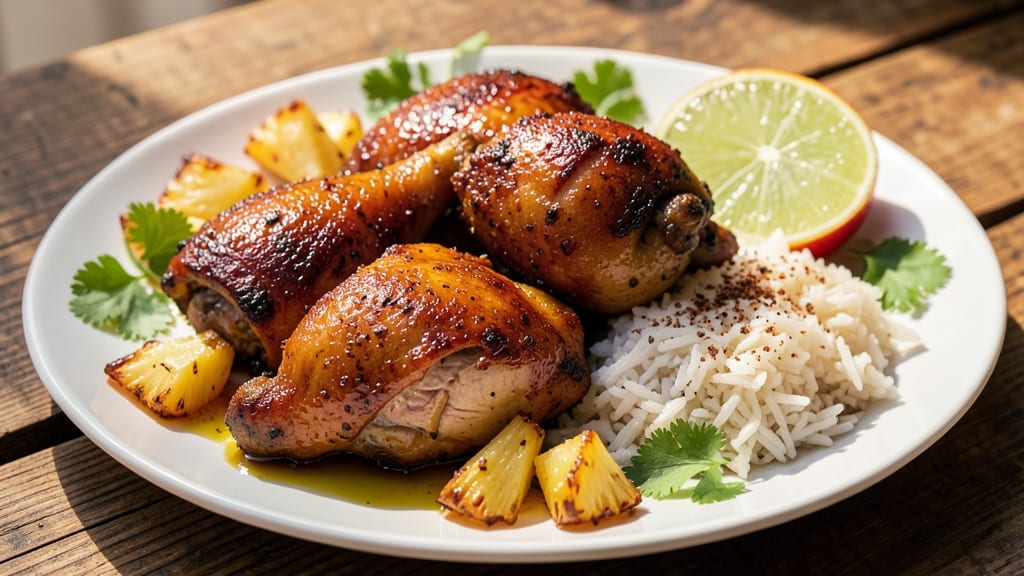
This McCormick Caribbean jerk chicken recipe delivers the fiery, aromatic punch of Jamaican island flavors right in your backyard—no trip required. 🔥 I perfected it after years of testing spice blends, and the secret lies in balancing heat, sweetness, and smokiness through precise marinating.
The McCormick seasoning cuts prep time while delivering authentic depth that stands up to grilling or baking.
What sets this recipe apart is the two-stage marinade that tenderizes the chicken while building complex layers of flavor. Start with the seasoning mixed with lime juice and olive oil, then let it work its magic for at least 4 hours—or overnight for maximum penetration.
The result? Juicy, charred chicken with a crust that crackles with every bite, carrying all those signature jerk spices into tender meat.
By the time you serve it, you'll have a dish that rivals any Caribbean restaurant plate—bold enough to stand alone but perfect paired with coconut rice, fried plantains, or a crisp slaw. The smoky-sweet aroma alone will have everyone asking for seconds. Here's how to make it happen.
For best results, use bone-in thighs or drumsticks—they stay juicy through high-heat cooking while developing that perfect char. The recipe scales effortlessly, so double it for gatherings. Let's get cooking with this island-inspired showstopper.
Ingredients for mccormick caribbean jerk chicken
Pantry staples meet Jamaican fire—this spice rub transforms simple chicken into a showstopper.
| Ingredient | Amount | Notes |
|---|---|---|
| McCormick Caribbean Jerk Seasoning 🌶️ | 2 tbsp | For bold authentic flavor |
| Bone-In Chicken Thighs 🍗 | 1 ½ lb | Drumsticks or thighs preferred |
| Fresh Lime Juice 🍋 | ½ cup | About 4-5 limes juiced |
| Extra-Virgin Olive Oil 🫒 | ¼ cup | Light fruity variety |
| Brown Sugar 🍯 | 2 tbsp | Light or dark preferred |
| Garlic Cloves 🧄 | 4 cloves | Minced for marinade |
| Fresh Ginger Root 🌿 | 1 tbsp | Grated, fresh preferred |
| Scotch Bonnet Peppers 🌶️ | 1 whole | Seeded, for authentic heat |
| All-Purpose Flour 🌾 | 2 tbsp | For dusting chicken |
| Kosher Salt 🧂 | 1 tsp | Diamond Crystal preferred |
| Ground Black Pepper 🌶️ | ½ tsp | Freshly cracked |
| Fresh Cilantro 🌿 | ¼ cup | Chopped, for garnish |
| Fresh Pineapple Juice 🍍 | ¼ cup | Optional, for sweetness |
The McCormick Caribbean Jerk Seasoning is your shortcut to island magic, but don't skimp on the fresh elements. Scotch bonnet peppers (or habanero) bring the authentic heat—Trader Joe's carries them year-round, and Costco sells frozen for backup. Fresh ginger and garlic? Whole Foods bulk bins keep them vibrant longer. The brown sugar here isn't just sweetness—it caramelizes during cooking, creating that signature smoky crust. Diamond Crystal kosher salt dissolves better than table salt, so grab a box if you don't have it already. Pro tip: Toast your spices in a dry pan for 30 seconds before mixing—wakes up their flavors like nothing else.
No Scotch bonnet? Habanero or jalapeño (seeds removed) works, but cut the amount to half. Fresh ginger too strong? Substitute 1 tsp ground ginger—it's milder but still packs punch. Pineapple juice missing? Extra lime juice or even apple juice keeps the marinade balanced. The flour might seem odd, but it creates a light crust that holds the rub beautifully. Pre-shredded cheese bags are the enemy here—freshly grated Parmesan (if you add it) makes all the difference. And yes, you can use chicken breasts, but thighs stay juicier through the char—trust the bone-in for that authentic restaurant texture.
Marinate overnight for maximum flavor, but at least 4 hours works too. Store leftovers in an airtight container for 3-4 days—the flavors actually deepen. Freeze uncooked chicken in marinade for up to 3 months. When reheating, low and slow in a skillet with a splash of water keeps it moist. Double the recipe? No problem—just scale up the marinade proportionally. The rub keeps well in a glass jar for 6 months, so make extra for future grilling sessions. Garnish with cilantro right before serving—it brightens everything like a tropical breeze.
Why You'll Love This Recipe
- I’ll be real: the first night is amazing, but the second day? The flavors deepen into something richer. I pack leftovers for lunch, and honestly, my coworkers beg for the recipe. Three days in an airtight container, and it’s still juicy and packed with flavor—no dry chicken here.
- Marinade Magic in Minutes: Honestly, the secret’s in that 4-6 hour chill time—it’s not busywork, it’s where the jerk seasoning and lime juice do all the heavy lifting. Just toss the chicken in the marinade, flip it halfway, and forget about it until dinner. No chopping frenzy, no last-minute scrambling.
- Spice & Sweet Harmony: The Scotch bonnet pepper and ginger root give it that real jerk kick, but the brown sugar and pineapple juice? They tame it just enough to make it addictive. That crispy flour crust? Chef’s kiss—every bite is smoky, sweet, and perfectly spiced.
- Leftovers That Get Better: I’ll be real: the first night is amazing, but the second day? The flavors deepen into something richer. I pack leftovers for lunch, and honestly, my coworkers beg for the recipe. Three days in an airtight container, and it’s still juicy and packed with flavor—no dry chicken here.
Step-by-step instructions for Caribbean jerk chicken
Unleash the vibrant flavors of the Caribbean with this foolproof jerk chicken method that delivers restaurant-quality results at home.
👨🍳 Step 1: Prepare the Jerk Marinade with Precision
In a medium bowl, combine the 2 tbsp McCormick Caribbean Jerk Seasoning, 2 tbsp brown sugar, 4 minced garlic cloves, 1 tbsp grated ginger root, and 1 tsp kosher salt. This aromatic blend forms the foundation of your marinade, where the spices will fully bloom and infuse the chicken.
Add the 0.5 cup fresh lime juice and 0.25 cup extra-virgin olive oil to the spice mixture. Whisk vigorously until you achieve a smooth, slightly thick paste. The lime juice will brighten the flavors while the olive oil ensures even distribution across the chicken. This marinade needs at least 30 minutes to develop its complex character, but for best results, let it sit for 4-6 hours in the refrigerator.
🍳 Step 2: Coat the Chicken Thighs Thoroughly
Pat the 1.5 lb bone-in chicken thighs completely dry with paper towels, creating a perfect surface for the marinade to adhere. This drying step is crucial—it ensures the seasoning clings evenly and prevents a soggy exterior when cooking.
Place the chicken thighs in a resealable plastic bag or shallow dish. Pour the marinade evenly over the chicken, ensuring every piece is completely coated. For extra penetration, gently massage the marinade into the meat, especially focusing on the thicker parts. Seal the bag or cover the dish and refrigerate for at least 4 hours, flipping the chicken halfway through to ensure uniform seasoning.
🔥 Step 3: Dust and Sear for Maximum Flavor Lock
Remove the chicken from the marinade and let it rest at room temperature for 15 minutes. This step is essential—it prevents the chicken from steaming during cooking and allows the marinade to cling even more tightly to the meat.
In a large skillet, heat 0.25 cup extra-virgin olive oil over medium-high heat until shimmering. Meanwhile, coat each chicken thigh generously with the 2 tbsp all-purpose flour, shaking off any excess. The flour will create a golden crust that locks in juices and adds a delightful texture contrast.
Add the chicken to the hot oil and cook for 5-6 minutes per side, until the flour forms a deep golden crust and the chicken reaches an internal temperature of 165°F. You'll know it's ready when the skin is crispy and the juices run clear when pierced with a meat thermometer. Don't rush this step—patience ensures a perfect sear.
🥘 Step 4: Finish with Pineapple and Cilantro Glaze
Transfer the cooked chicken to a plate and let it rest for 5 minutes. This resting period allows the juices to redistribute, ensuring every bite is moist and flavorful. While the chicken rests, heat a tablespoon of the rendered chicken fat in the same skillet over medium heat.
Add the 0.25 cup fresh pineapple juice and simmer for 3-4 minutes until slightly reduced and syrupy. Stir in the 0.25 cup chopped fresh cilantro and the 0.5 tsp ground black pepper to finish. This tropical glaze adds a sweet contrast to the spicy jerk flavors, balancing the dish beautifully.
⏰ Step 5: Garnish and Serve with Confidence
Return the chicken to the skillet with the pineapple glaze and spoon the sauce generously over the top. Let it simmer for 1-2 minutes to coat the chicken evenly. Garnish with additional chopped cilantro and a sprinkle of flaky sea salt for a final touch of brightness.
Serve immediately with your favorite sides—think coconut rice, black beans, or grilled plantains. The combination of smoky jerk, sweet pineapple, and fresh cilantro creates a symphony of flavors that will transport you straight to the Caribbean. Trust me, this dish is pure magic on your plate!
Pro Tips For Making Mccormick Caribbean Jerk Chicken
- Skip the Crowding: I learned this the hard way—overcrowding the skillet for that 5-6 minute sear will turn your golden crust into sad, greasy mush. Keep it tight but not packed; work in batches if needed. The extra effort guarantees that crispy, flavor-locked exterior you’re craving.
- Grate That Ginger Fine: Fresh ginger is non-negotiable here, but don’t be lazy with the texture. A microplane or fine grater gives you a paste-like consistency that blends seamlessly into the marinade. Pre-minced ginger from the jar? Skip it—it’ll clump and leave you with uneven heat.
- Rest the Meat: Yes, even if you’re impatient like me. That 15-minute room temp rest before searing isn’t just a suggestion—it’s the difference between juicy perfection and dry disappointment. Cold chicken steams instead of browning, and nobody wants that.
- Use Rendered Fat for Glaze: Don’t waste that golden chicken fat pooling in your skillet after searing. It’s liquid flavor gold for the pineapple glaze. Heat it up, add the pineapple juice, and let it reduce—this shortcut turns a basic sauce into something rich and caramelized without extra oil.
Regional styles of this recipe
Jamaican Jerk Tradition
This is where it all began—the Jamaican jerk method I first tasted at a roadside shack in Negril. The original technique involved slow-roasting whole chickens over pimento wood, but modern versions like this use a McCormick Caribbean Jerk Seasoning shortcut. The key difference?
We're balancing that smoky depth with Scotch bonnet peppers and fresh ginger—ingredients that give the authentic fire and zing. I still remember my first bite in Jamaica: the crust was crackling, the meat juicy, and the heat perfectly balanced with sweetness. 🔥
Trinidadian Jerk Twist
Overseas, Trinidad takes jerk to another level with its "jerk seasoning" that includes allspice and thyme—spices I've since incorporated into my marinade. They often use pimento wood for smoking, but I've found a charcoal grill with a Lodge cast iron grill pan works just as well.
The Trinidadian approach is all about layering—starting with a dry rub, then adding wet marinade, and finishing with a glaze. I've adapted this method by dusting my chicken with all-purpose flour before searing for that perfect crust.
Puerto Rican Jerk Fusion
In Puerto Rico, jerk gets a tropical twist with mojo sauce—a citrusy blend of oregano and garlic. I've merged this with our Caribbean jerk by adding extra lime juice and fresh cilantro to the glaze.
The Puerto Rican style often includes sweet plantains as a side, which I serve alongside for that caramelized sweetness. Their jerk chicken is usually grilled over coffee wood, but I've found a pellet grill with Traeger pellets gives a similar depth of flavor.
Bahamian Jerk Simplicity
The Bahamas keeps jerk simple but bold—think seafood jerk but adapted for chicken. They often use coconut milk in their marinades, which I've experimented with by adding a splash to the pineapple glaze.
Their jerk is less sweet and more focused on smoked papaya and lime—ingredients that add a bright, tangy contrast. I've found that bone-in chicken thighs work best here, as they hold up to the smoky heat without drying out.
The Bahamian approach is all about letting the spices shine, so I've cut back on the sugar slightly in this version.
Dominican Jerk Style
Dominican jerk leans into sweet and spicy with goat cheese and avocado often served alongside. I've adapted this by adding a pinch of cinnamon to the marinade for warmth, which pairs beautifully with the jerk spices.
Their jerk chicken is often served with mofongo—a mashed plantain side—but I've found coconut rice works just as well. The Dominican style is all about balance, so I've adjusted the pineapple glaze to be slightly less sweet, letting the jerk spices take center stage.
Nutrition facts
Frequently asked questions
Why does this recipe use bone-in chicken thighs instead of breasts?
Bone-in chicken thighs stay juicier during high-heat cooking because the bone acts as a natural insulator. They also develop that perfect char and crispy skin that jerk chicken is famous for. Breasts dry out faster, especially with the spicy marinade, so thighs are the ideal choice for authentic jerk flavors. The bone adds depth too—it infuses the meat with extra richness as it cooks!
Can I make this jerk chicken ahead of time?
Cook the chicken and let it cool completely, then store it in an airtight container for up to 3-4 days. The flavors actually deepen over time. For best results, reheat gently in a skillet with a splash of water to restore moisture. You can also freeze uncooked chicken in marinade for up to 3 months—just thaw overnight in the fridge before cooking.
What if I don’t have Scotch bonnet peppers?
Use habanero peppers (seeds removed) for similar heat, or substitute jalapeño (halve the amount). For milder heat, skip the peppers entirely and add ½ tsp cayenne pepper instead. Remember, the key is balance—adjust the pineapple glaze to compensate for any heat differences. Fresh ginger and garlic will still give you that authentic jerk kick!
Why is the flour step important?
The flour creates a light, golden crust that locks in juices and adds texture contrast—it’s what makes restaurant-style jerk chicken so special! When you sear the flour-coated chicken, it caramelizes into a crispy shell while keeping the inside tender. Skip it, and you’ll miss that satisfying crunch with every bite. Trust me, this simple step elevates the dish!
What are the best sides to serve with this jerk chicken?
Coconut rice balances the spice perfectly, while black beans add hearty texture. Grilled plantains or mango salsa bring sweetness to cut through the heat. For extra freshness, try a cooling cucumber salad or lime-infused coleslaw. The pineapple glaze also pairs beautifully with charred corn or avocado slices—let your creativity shine!