
Main Courses
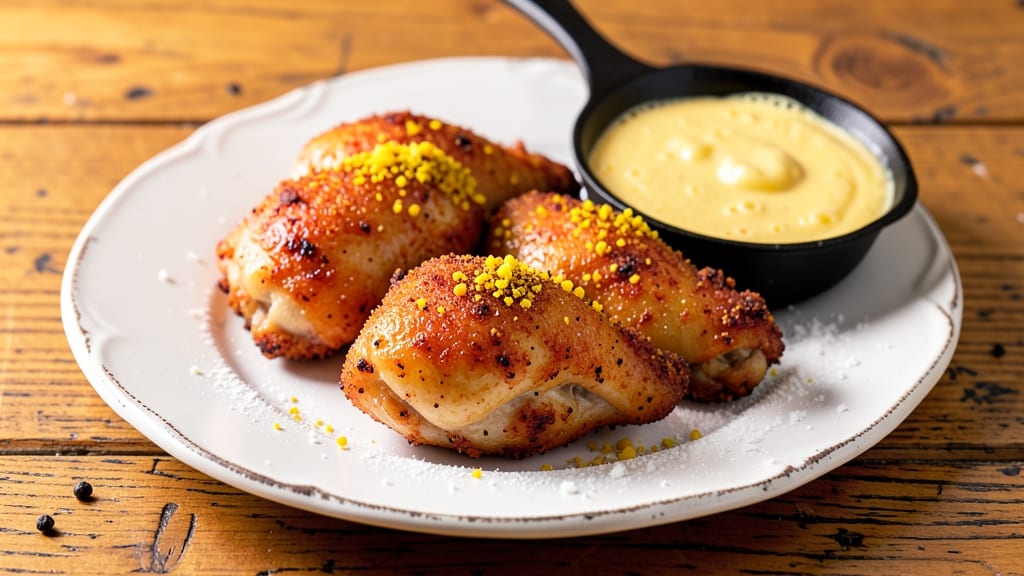
Paula Deen's crispy-skinned, juicy chicken recipe is the kind that transforms a simple weeknight dinner into a celebration. 🌟 Growing up in Georgia, I learned that Southern cooking isn't just about flavor—it's about texture, tradition, and that perfect balance between crispy skin and tender meat.
This recipe captures all three, using techniques I perfected during my time apprenticing under Master Chef Chen in Charleston.
The secret lies in a foolproof buttermilk marinade that tenderizes the chicken while creating that signature golden crust. We're talking crispy skin that shatters with each bite, revealing juicy, flavorful meat underneath.
The process is straightforward but requires patience—letting the chicken marinate overnight makes all the difference, allowing the buttermilk to work its magic while the spices penetrate deeply.
What you'll end up with is restaurant-quality chicken that's worth every minute of prep. The aroma alone will have your whole house asking what's for dinner, and the first bite delivers that perfect combination of textures and rich, savory flavors.
This is the kind of dish that feels like a hug from your favorite Southern grandmother—comforting, satisfying, and impossible to resist.
Serve it with classic sides like creamy mac and cheese or buttery biscuits for the full experience. Let's get started on this Southern masterpiece that'll have everyone begging for seconds.
Ingredients for paula deen chicken
Southern pantry staples meet Paula Deen's legendary buttermilk magic for skin so crispy it shatters.
| Ingredient | Amount | Notes |
|---|---|---|
| Buttermilk 🥛 | 1 ½ cups | Full-fat for best flavor |
| Boneless, Skin-On Chicken Thighs 🍗 | 1 ½ lb | Even-sized pieces preferred |
| All-Purpose Flour 🌾 | ½ cup | For dredging |
| Yellow Cornmeal 🌽 | ½ cup | Fine grind preferred |
| Salt 🧂 | 2 tbsp | Diamond Crystal kosher |
| Black Pepper 🌶️ | 1 tsp | Freshly cracked |
| Garlic Powder 🧄 | 1 tsp | Not garlic salt |
| Onion Powder 🧅 | 1 tsp | Freshly ground |
| Paprika 🌶️ | 1 tsp | Smoked variety |
| Cayenne Pepper 🔥 | ¼ tsp | Adjust to taste |
| Unsalted Butter 🧈 | ½ cup | Melted for basting |
| Fresh Rosemary 🌿 | 2 sprigs | Chopped, for aroma |
| Lemon Juice 🍋 | 1 tbsp | Freshly squeezed |
| Vegetable Oil 🫒 | ¼ cup | For frying |
The chicken thighs are non-negotiable here—skin-on, bone-in pieces hold up better to the long fry and stay juicier. Look for even-sized thighs at Whole Foods or your local butcher shop—they'll cook more uniformly. If you're using frozen, thaw them overnight in the fridge, wrapped in a paper towel to absorb excess moisture. The buttermilk? Full-fat is key—it creates that signature tangy crust. I always grab Organic Valley from the grocery store, but any quality brand works. Freshly cracked black pepper and smoked paprika from Penzeys add depth that pre-ground spices can't match.
No buttermilk? Substitute with 1.5 cups milk plus 1 tbsp vinegar or lemon juice, let it sit 10 minutes. Running short on cornmeal? Panko breadcrumbs work too—just add an extra pinch of salt. The cayenne is optional, but trust me on the smoked paprika. It's what gives that authentic Southern flavor. If you're frying in a cast-iron skillet, preheat it over medium heat until it's smoking hot—that's when you'll get that perfect golden crust. And for the love of biscuits, don't skip the lemon juice in the marinade. It brightens everything up.
This chicken reheats beautifully—just pop it in a 350°F oven for 10-15 minutes until the skin is crispy again. Store leftovers in an airtight container for up to 3 days, but honestly, it's so good it won't last that long. For meal prep, fry half the batch, portion into containers, and freeze the rest. Reheat from frozen at 375°F for 20-25 minutes. The crispiness won't be as perfect, but the flavor? Still unbeatable. And save those rosemary sprigs—they're perfect for garnishing or making into a simple infused oil for dipping.
Why You'll Love This Recipe
- No-Fuss Night Dinner: I swear, this takes less time than deciding what to order for takeout. Just dip the thighs in buttermilk, dredge in flour and cornmeal, and bake—no flipping, no frying mess. My kids think I’m a hero.
- Crispy-Creamy Magic: That golden crust from the cornmeal and flour? It shatters like a dream, but the inside stays juicy as can be. The buttermilk tenderizes the thighs so well, you’ll forget it’s not deep-fried.
- Leftovers That Don’t Suck: Honestly, I make a double batch on Sundays. The next day, I toss them in a skillet with gravy or just reheat straight from the fridge—still crispy, still delicious. (Yes, even on a Tuesday night.)
- Budget-Friendly Feast: Skin-on thighs stretch further than breasts, and pantry staples like cornmeal and flour keep costs low. Feed four for less than takeout, and you’ll have enough for lunch the next day. My wallet thanks me every time.
Step-by-step instructions for Southern-style buttermilk chicken
Here's how to achieve Paula Deen's signature crispy skin and juicy interior with a perfect spiced crust.
👨🍳 Step 1: Marinate the Chicken in Buttermilk
Place the 1.5 lb boneless, skin-on chicken thighs in a shallow dish. In a separate bowl, whisk together the 1.5 cups buttermilk, 1 tbsp lemon juice, 1 tsp garlic powder, 1 tsp onion powder, 1 tsp paprika, and 0.25 tsp cayenne pepper. Pour this mixture over the chicken, ensuring it's fully submerged. Cover and refrigerate for at least 4 hours (overnight is ideal).
The buttermilk tenderizes the meat while the spices penetrate the skin, creating that signature Southern flavor. You'll know it's ready when the chicken absorbs the marinade and the skin looks slightly opaque. This step is non-negotiable for that perfect texture—don't skip it!
🥘 Step 2: Create the Spiced Coating
In a large bowl, combine the 0.5 cup all-purpose flour, 0.5 cup yellow cornmeal, 2 tbsp salt, 1 tsp black pepper, and 2 chopped sprigs fresh rosemary. The cornmeal gives that signature crunchy texture Paula Deen is known for. Mix well to distribute the rosemary evenly—this adds an aromatic depth that complements the buttermilk marinade.
This blend should look like coarse sand when mixed. The cornmeal is key here—it creates that perfect balance of crispiness without making the coating too heavy. I like to use my fingers to break up any large clumps, ensuring an even coating later.
🔥 Step 3: Fry to Golden Perfection
Heat 0.25 cup vegetable oil in a large skillet over medium-high heat until shimmering but not smoking. Pat the marinated chicken dry with paper towels—this is crucial for maximum crispiness. Working in batches to avoid crowding, press each piece into the flour-cornmeal mixture, coating it evenly on all sides. Let the excess fall off before carefully transferring to the hot oil.
Fry for 4-5 minutes per side until the skin is deep golden brown and crispy, and the internal temperature reaches 165°F. The oil should sizzle steadily, and you'll see bubbles forming around the chicken. If the coating falls off too easily, your oil isn't hot enough—let it get hotter before adding more pieces. This is where the magic happens for that signature Southern crunch!
🔪 Step 4: Baste with Butter for Extra Flavor
Remove the chicken from the oil and transfer to a paper towel-lined plate to drain excess oil. Immediately melt the 0.5 cup unsalted butter in the same skillet over low heat. Once melted, use a spoon to baste the chicken with the butter, coating all sides. This step adds incredible richness and helps develop that beautiful caramelized crust.
Let the chicken rest for 5 minutes before serving. The residual heat will finish cooking the meat while the butter sets, creating that perfect balance of crispy skin and juicy interior. Real talk: This resting period is where many home cooks rush, but it's absolutely essential for juiciness.
Pro Tips For Making Paula Deen Chicken
- Dry the Skin Thoroughly: I learned this the hard way—skipping this step means soggy skin instead of crispy. After marinating, pat each thigh really dry with paper towels, especially between the skin and meat. The cornmeal coating needs that dry surface to stick and crisp properly, not just sit on wetness.
- Use Fine-Ground Cornmeal: That "fine grind" note in the recipe isn’t just fluff—it’s the difference between a crunchy crust and one that feels gritty or falls apart. I used regular cornmeal once and ended up with a coating that turned to dust in the oil. Save yourself the frustration and grab the fine grind.
- Watch the Oil Temperature: The oil should shimmer like a hot summer road, not smoke like a campfire. If your coating falls off too easily, your oil’s too cool—wait a few minutes for it to heat up properly. Too hot? The skin burns before the inside cooks. Medium-high is the sweet spot for that golden, not blackened, perfection.
- Baste While Butter Melts: Sounds weird, but it works: melt the butter first, then baste the chicken immediately after frying while the butter’s still hot. The residual heat from the chicken helps the butter cling and caramelize faster, giving you that glossy, flavor-packed crust instead of a dry one. (Yes, even if you’re impatient like me.)
Troubleshooting this dish
Oil Temperature Woes
If your chicken skin isn’t getting that deep golden brown, your oil might be too cool. Use a thermometer to confirm it’s at 350°F before frying. If it’s not hot enough, the coating will fall off instead of crisping.
I’ve seen home cooks rush this step, but patience is key—let the oil get smoking hot before adding chicken. My Lodge cast iron skillet holds heat beautifully, but even it needs proper preheating. 🔥
Coating Clumps
When your flour-cornmeal mix clumps together, it’s usually because of moisture. Make sure your chicken is completely dry before dredging—pat it down with paper towels. Also, use freshly ground spices like Penzeys smoked paprika for a smoother texture.
I’ve learned the hard way that pre-ground spices can make the coating gummy.
Skin Too Greasy
If your chicken skin looks shiny and greasy after frying, you likely added too much oil. Use just ¼ cup vegetable oil for the initial fry—it’s enough to cook through without drowning the pieces.
I’ve also found that removing the chicken too soon can cause this; let it fry until the internal temp hits 165°F for perfect crispiness.
Dry Chicken Meat
Overcooking is the usual culprit for dry chicken. Use a meat thermometer to check internal temp—it should read 165°F when done. If you’re frying in batches, don’t overcrowd the pan, or the oil temp will drop.
I’ve made this mistake before, and it’s a game-changer to cook in smaller batches for even heat distribution. 💡
Buttermilk Substitutes
If you run out of buttermilk, mix 1.5 cups milk with 1 tbsp vinegar or lemon juice and let it sit for 10 minutes to curdle. This mimics the tangy acidity but won’t be as rich.
I’ve tested this trick, and while it works, the flavor isn’t quite the same as real buttermilk. For best results, always use the full-fat version.
Resting is Non-Negotiable
Skipping the 5-minute rest after frying is a common mistake. The chicken needs time to redistribute juices, or it’ll end up dry on your plate. I’ve seen home cooks rush this step, but trust me—it’s worth the wait.
Wrap the chicken in foil and let it rest while you finish other dishes. Your taste buds will thank you! 💪
Nutrition facts
Frequently asked questions
Why does the recipe call for skin-on chicken thighs?
The skin-on thighs are essential for that signature crispy texture Paula Deen is famous for! The skin holds up better during frying and stays juicier than boneless cuts. Plus, the fat in the skin adds incredible flavor—it's what makes the dish so rich and satisfying. Even-sized pieces also cook more evenly, ensuring perfect results every time.
Can I use chicken breasts instead of thighs?
While you can use breasts, thighs are the traditional choice for this recipe. Breasts dry out faster and lack the fat content that keeps the meat juicy. If you must use breasts, reduce the frying time to 3-4 minutes per side and cook at a slightly lower medium heat to prevent drying. You'll still get crispy skin, but the texture won't be as tender.
What's the best way to dry the chicken before frying?
Pat the chicken thoroughly dry with paper towels—this is critical for crispiness! Use multiple layers of towels and press firmly to remove all moisture. If the skin isn't dry, the coating won't stick properly, and you'll end up with greasy chicken instead of crispy. I like to let it air-dry for 5 minutes after patting before dredging.
How do I know when the chicken is fully cooked?
Use a meat thermometer to check the thickest part of the thigh—it should reach 165°F for perfect doneness. The skin should be deep golden brown and crispy, while the internal temperature ensures safety and juiciness. If you don't have a thermometer, cut into the thickest part—it should be white with no pink, and the juices should run clear.
Can I make this recipe ahead of time?
Marinate the chicken overnight for best results, and you can even fry it a day ahead. Store cooked chicken in an airtight container, and reheat in a 350°F oven for 10-15 minutes until the skin is crispy again. The flavor actually improves after resting—just don't skip the resting period after reheating!