
Appetizers
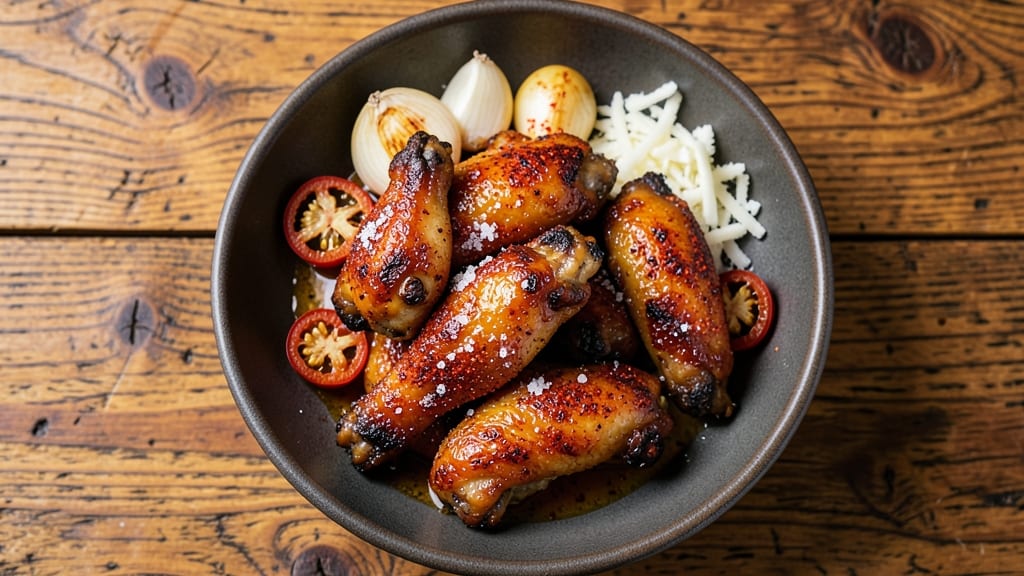
Mastering smoked chicken wings that are fall-off-the-bone crispy and juicy requires precision in technique and timing—something I’ve perfected after countless hours experimenting with wood types and smoking temperatures.
The secret lies in a dry rub that forms a flavorful bark while keeping the meat tender inside, paired with low-and-slow smoking to render fat without drying out the wings. This isn’t just another recipe; it’s a method that transforms tough chicken into a restaurant-quality appetizer you’ll crave repeatedly.
What sets this recipe apart is the balance of texture and flavor—crispy skin that shatters with every bite, paired with succulent meat that pulls away cleanly from the bone.
I use a blend of paprika, brown sugar, and cayenne for the rub, which caramelizes beautifully during smoking, while applewood chips infuse a subtle sweetness that complements the heat.
The process takes about 3 hours from start to finish, but the hands-off nature makes it ideal for gatherings or game days.
By the time you’re done, you’ll have wings that are golden-brown on the outside, tender and juicy inside, with a bark that’s irresistibly crispy. Serve them with classic sides like blue cheese dressing, ranch, or crispy fries to round out the meal.
The aroma alone will have guests asking for seconds before the first bite is even taken.
Whether you’re smoking on a pellet grill, offset smoker, or even an oven with a smoker box, this method delivers consistent results. The key is monitoring internal temperature—165°F—to ensure safety while maintaining that perfect texture. Let’s get started on wings that will impress even the most critical eaters.
Ingredients for smoked chicken wings
A perfect balance of smoky depth and sweet caramelization—these ingredients transform simple wings into a restaurant-worthy centerpiece.
| Ingredient | Amount | Notes |
|---|---|---|
| Chicken Wings 🍗 | 3 lb | Flat or drumettes, skin-on preferred |
| Smoked Paprika 🌶️ | 2 tbsp | For deep smoky flavor |
| Brown Sugar 🍚 | 2 tbsp | Light or dark, for caramelization |
| Cayenne Pepper 🔥 | 1 tsp | Adjust for heat preference |
| Garlic Powder 🧄 | 1 tbsp | Freshly ground preferred |
| Onion Powder 🧅 | 1 tbsp | For balanced depth |
| Ground Black Pepper 🌶️ | 1 tsp | Freshly cracked for intensity |
| Kosher Salt 🧂 | 1 tbsp | Coarse grain for even coating |
| Applewood Chips 🌳 | 1 package | Or hickory for stronger flavor |
| Butter 🧈 | 4 tbsp | Unsalted, melted for basting |
| Yellow Mustard 🍯 | 1 tbsp | For initial coating |
| Olive Oil 🫒 | 1 tbsp | Light coating for rub adhesion |
The wings are the foundation, so look for fresh, skin-on pieces—they render fat better during smoking. Costco or Trader Joe's often have the best quality at bulk prices. If using frozen, thaw overnight in the fridge. The rub ingredients are all pantry staples, but Penzeys or McCormick spices elevate the flavor. Applewood chips add that signature smoky aroma, though hickory works beautifully for a bolder taste. For the basting butter, European-style unsalted melts cleaner and adds richness.
No smoked paprika? Substitute regular paprika plus a dash of liquid smoke—just be cautious with the smoke, as it can overpower. Running short on brown sugar? White sugar works too, though it won’t caramelize as deeply. Fresh garlic powder is a game-changer, but dried is fine at double the amount. For the mustard, Dijon mustard adds tanginess if you have it. If you’re using an oven smoker, soak wood chips in water first to prevent burning. The olive oil ensures the rub sticks—don’t skip it, even if you’re in a hurry.
Store leftover wings in an airtight container for up to 4 days, though they’re best reheated fresh. For longer storage, freeze them raw for 3 months or cooked for 2 months. Reheat in a 350°F oven for 10-15 minutes to restore crispiness. The rub keeps well in a sealed jar for 6 months, so make extra for future batches. The wings reheat best when wrapped in foil to retain moisture.
Why You'll Love This Recipe
- Smoker’s Secret Hack: Honestly, the mustard and olive oil trick? Game-changer. No fancy marinating—just a quick coat, 30 minutes of rest, and you’re golden. The wings absorb that smoky paprika and brown sugar like a sponge, so you’re not stuck stirring or soaking all day.
- Caramelized Crunch: That butter basting at the end? It turns the skin from decent to chef’s-kiss crispy while keeping the meat juicy. The brown sugar caramelizes under the smoke, adding a sweet-savory depth that makes every bite—especially the first one—worth the wait.
- Feed a Crowd, No Stress: Three pounds of wings? Perfect for game day, potlucks, or when your roommates suddenly show up unannounced. They smoke low and slow at 225°F, so you’re not babysitting the heat—just setting it and forgetting it for hours. Plus, the leftovers? Still delicious for up to four days (or freeze them raw for later).
- Budget-Friendly BBQ: Applewood chips and kosher salt aren’t expensive, and the spices stretch far beyond this recipe. You’re getting restaurant-quality flavor without the restaurant price, and the wings themselves are cheaper than most takeout options. Plus, the cayenne lets you tweak the heat—spare change for extra wings, not extra spice.
Step-by-step instructions for smoked chicken wings
Here's the method for achieving that perfect balance of crispy bark and tender meat every time.
Prepare the Dry Rub and Coat the Wings
In a medium bowl, combine the 2 tablespoons smoked paprika, 2 tablespoons brown sugar, 1 teaspoon cayenne pepper, 1 tablespoon garlic powder, 1 tablespoon onion powder, 1 teaspoon ground black pepper, and 1 tablespoon kosher salt. Mix thoroughly until the spices are evenly distributed and the sugar begins to break down slightly.
Pat the 3 pounds chicken wings completely dry with paper towels—this is crucial for crispy skin. In a separate small bowl, mix the 1 tablespoon yellow mustard and 1 tablespoon olive oil until smooth. Coat each wing evenly with this mixture, then press the dry rub firmly into the mustard-oil coating. Let the wings sit at room temperature for 30 minutes while you prepare the smoker. This resting period ensures even cooking and better rub adhesion.
Smoke the Wings Low and Slow
Set up your smoker to maintain a steady temperature of 225°F using the 1 package applewood chips. Allow 30 minutes for the smoker to reach the target temperature and establish a clean, blue smoke. Arrange the wings on the smoker grates in a single layer, leaving space between each piece for proper airflow.
Smoke the wings for 2 hours, maintaining the 225°F temperature. Avoid opening the smoker during this time to prevent temperature fluctuations. You'll know they're ready when the internal temperature reaches 160°F and the skin begins to develop a deep golden-brown color. The wings should be tender but not yet falling off the bone—this comes later.
Baste with Butter for Extra Crispiness
Remove the wings from the smoker and transfer them to a baking sheet lined with aluminum foil. Melt the 4 tablespoons butter in a small saucepan over low heat until fully liquid but not browned. Using a basting brush, generously coat each wing with the melted butter, ensuring the skin is fully saturated.
Return the wings to the smoker and continue cooking for an additional 30-45 minutes at 225°F. The butter will help create a glossy, crispy bark while keeping the meat moist. Check the internal temperature again—it should now reach 170-175°F, and the wings should pull away from the bone with slight resistance but still be tender. The skin should be deep mahogany in color with visible crispiness.
Rest and Serve
Once the wings reach the ideal temperature, remove them from the smoker and transfer to a clean cutting board. Tent loosely with aluminum foil and let them rest for 10-15 minutes. This resting period allows the juices to redistribute, ensuring each bite is moist and flavorful.
Serve the wings immediately, with the crispy skin intact and the meat falling off the bone effortlessly. The smoky, slightly sweet rub pairs perfectly with the rich, buttery finish. For extra flavor, serve with a side of blue cheese dressing or a tangy mango salsa to complement the smoky heat.
Pro Tips For Making Smoked Chicken Wings
- Don’t Rush the 30-Minute Rest: I learned this the hard way—skipping the 30-minute rest before smoking means the wings cook unevenly and the rub falls off mid-cook. Let them sit at room temp while you prep the smoker; your future self will thank you for the even bark and juicy meat.
- Coat Wings in Mustard First: The yellow mustard isn’t just for flavor—it’s the glue that makes the rub stick. Slather it on before pressing in the spices, or you’ll end up chasing loose rub all over your smoker. Trust me, it’s worth the extra 2 minutes.
- Keep the Smoker Closed: Opening the smoker to peek at the wings messes with the 225°F temp, and you’ll end up with uneven cooking. Use a probe thermometer to check internal temp at 160°F—no peeking, no regrets.
- Butter While Warm: Melt the 4 tbsp butter just until liquid, then brush it on hot wings straight from the smoker. Cold butter won’t crisp the skin—it’ll just make them greasy. A few minutes of patience here makes all the difference.
Troubleshooting great smoked chicken wings
Skin Too Dry?
If your wings end up dry instead of juicy, the issue is often overcooking or insufficient moisture retention. I recommend keeping an eye on the internal temperature—it should reach 165°F but not exceed 175°F.
Use a meat thermometer to avoid guesswork. Also, ensure your wings are completely dry-patted before applying the mustard-oil mixture; excess moisture can prevent the rub from sticking properly. 🔥
Rub Not Sticking
When the dry rub falls off during smoking, it’s usually because the wings weren’t prepped correctly. Double-check that you’ve mixed the 1 tbsp yellow mustard and 1 tbsp olive oil thoroughly before coating the wings.
Press the rub firmly into the mustard mixture—this creates adhesion. If the wings are still slippery, let them rest for an extra 15 minutes before smoking to allow the mustard to dry slightly.
Smoke Too Strong?
If the wings taste overly smoky or bitter, it’s likely from burned wood chips or excessive smoke. Soak your applewood chips in water for 30 minutes before using them to prevent burning.
Also, avoid opening the smoker too often during the 2-hour smoking phase—each opening can introduce unburned chips and disrupt the temperature. A steady 225°F is key for balance.
Wings Not Crispy
For wings that lack crispiness, the issue is often under-basting or insufficient drying time. After smoking, ensure you coat each wing generously with melted butter and return them to the smoker for 30-45 minutes.
If the skin still feels soft, try broiling them for 2-3 minutes at the end to crisp up the surface. Another trick is to pat the wings dry again before basting to remove any residual moisture.
Temperature Fluctuations
If your smoker’s temperature keeps swinging, it’s usually due to wood chip inconsistency or poor airflow. Use a high-quality thermometer like ThermoWorks Smoke to monitor temps accurately. If your smoker is electric, ensure the vents are open for proper airflow.
For pellet grills, check the auger to make sure it’s feeding wood evenly—uneven feeding can cause temperature drops. Consistency is everything for that perfect bark.
Meat Too Tough
Tough meat often results from over-smoking or insufficient resting time. Once the wings hit 165°F, remove them immediately and let them rest for 10-15 minutes before checking the temperature again.
Overcooking past 175°F will dry out the meat. If you’re using drumettes, they cook faster—remove them slightly earlier than the flats to avoid overcooking. Resting is non-negotiable for tenderness!
Nutrition facts
Frequently asked questions
Why does the recipe call for patting the wings dry before smoking?
Patting the wings completely dry is essential for achieving crispy skin. Excess moisture prevents the dry rub from sticking properly and can lead to a soggy texture instead of that perfect crispy bark. This step ensures even cooking and maximum flavor absorption from the smoked paprika and brown sugar blend.
Can I use a different type of wood for smoking?
While the recipe suggests applewood chips, you can experiment with hickory for a stronger flavor or even pecan for a subtle sweetness. Just soak the chips in water for 30 minutes before using to avoid burning. The key is consistency—stick to one type to avoid overpowering the wings.
How do I know when the wings are fully cooked?
Use a meat thermometer to check the internal temperature—it should reach 165°F for safety. The wings are ready when the skin turns deep golden-brown and the meat pulls away from the bone with slight resistance. Avoid overcooking past 175°F, or the meat may dry out.
What’s the best way to reheat leftover wings?
For best results, reheat in a 350°F oven for 10-15 minutes on a wire rack over a baking sheet to restore crispiness. Avoid microwaving, as it can make the skin soggy. If reheating from frozen, use the same method but add 5-10 minutes to thaw and crisp up properly.
Can I make the dry rub ahead of time?
Yes! Store the dry rub in an airtight container for up to 6 months. Just mix the 2 tablespoons smoked paprika, 2 tablespoons brown sugar, and other spices, then press it into the mustard-oil-coated wings right before smoking. The rub keeps its flavor perfectly, so you’re all set for future batches!